 EN



Are You Searching For A Professional-Grade Silicone Mouth Guard Manufacturer?
When a buyer types silicone mouth guard into a sourcing platform, the results can be confusing. The same phrase may point to a night guard for grinding, an athletic protector, a whitening tray, or a product described around sleep-related use. For a wholesaler, online seller, clinic, or pharmacy buyer, that is not a minor wording issue. It changes the product brief, the claims that need review, the samples to inspect, and the documents to request.
A professional-grade silicone mouth guard is therefore not something to select from a product photo alone. The useful question is: can the manufacturer help you define the intended use, provide product-specific evidence, and keep the final listing aligned with what the item actually is? This guide gives procurement teams a practical way to ask that question without assuming unverified material grades, certifications, or performance results.
Start by separating the use case
“Mouth guard” is a broad retail term, not a complete specification. Before contacting a silicone mouth guard manufacturer, write one sentence describing who will use the product and why. A night guard for clenching or grinding, for example, should not be described or evaluated in the same way as an athletic protector. A whitening tray and a sleep-related oral appliance are different categories again. Product scope should lead the conversation; material alone should not.
This distinction matters for compliance and customer communication. FDA search results describe an over-the-counter mouthguard in terms of protecting teeth and reducing damage associated with bruxing or nighttime grinding. That is useful context, but it is not proof that any particular silicone mouth guard has a specific regulatory status or is appropriate for every market. Ask the supplier which intended use appears in its product documentation, then have the relevant local requirements reviewed before making claims.
- Night-time category: Is the item presented as a night guard, and what user instructions and warnings accompany it?
- Sports category: Is the product intended for athletic impact protection, and is the protective-use evidence product-specific?
- Other oral-use category: Is it a whitening tray or another appliance with different labeling and sales boundaries?
What “professional-grade” should mean in a supplier conversation
Professional-grade is often marketing language. In procurement, turn it into observable questions. For a silicone mouth guard, ask for the exact product configuration, the material identity stated by the supplier, the molding or forming route, edge-finish expectations, cleaning instructions, packaging information, and applicable test or inspection records. If a supplier cannot answer a point, mark it as open rather than filling the gap with a broad claim.
Fit, retention, cleanability, and smooth edges are sensible inspection topics. ADA information surfaced in the research emphasizes that athletic mouthguards should fit the wearer, stay in place comfortably and securely, be relatively easy to clean, and avoid sharp or jagged edges. Use these as a checklist for sample review, not as a statement that a prospective silicone mouth guard already satisfies them.
| Procurement question | What to request | Why it matters |
|---|---|---|
| What is the intended use? | Product brief, instructions, and claim boundaries | Prevents a sports item, night guard, and whitening tray from being marketed as interchangeable. |
| What material is actually supplied? | Material declaration and product-specific documentation | Avoids relying on generic “silicone” wording or unverified safety labels. |
| How is fit addressed? | Size range, molding instructions, and sample evaluation criteria | Supports a clearer customer experience and fewer avoidable returns. |
| How is quality checked? | Incoming, in-process, and final inspection records | Lets buyers compare a manufacturer’s process rather than a photo. |
| What can be customized? | Written OEM/ODM scope for color, logo, packaging, and artwork | Keeps the quotation tied to feasible deliverables. |
Evaluate the manufacturer, not just the sample
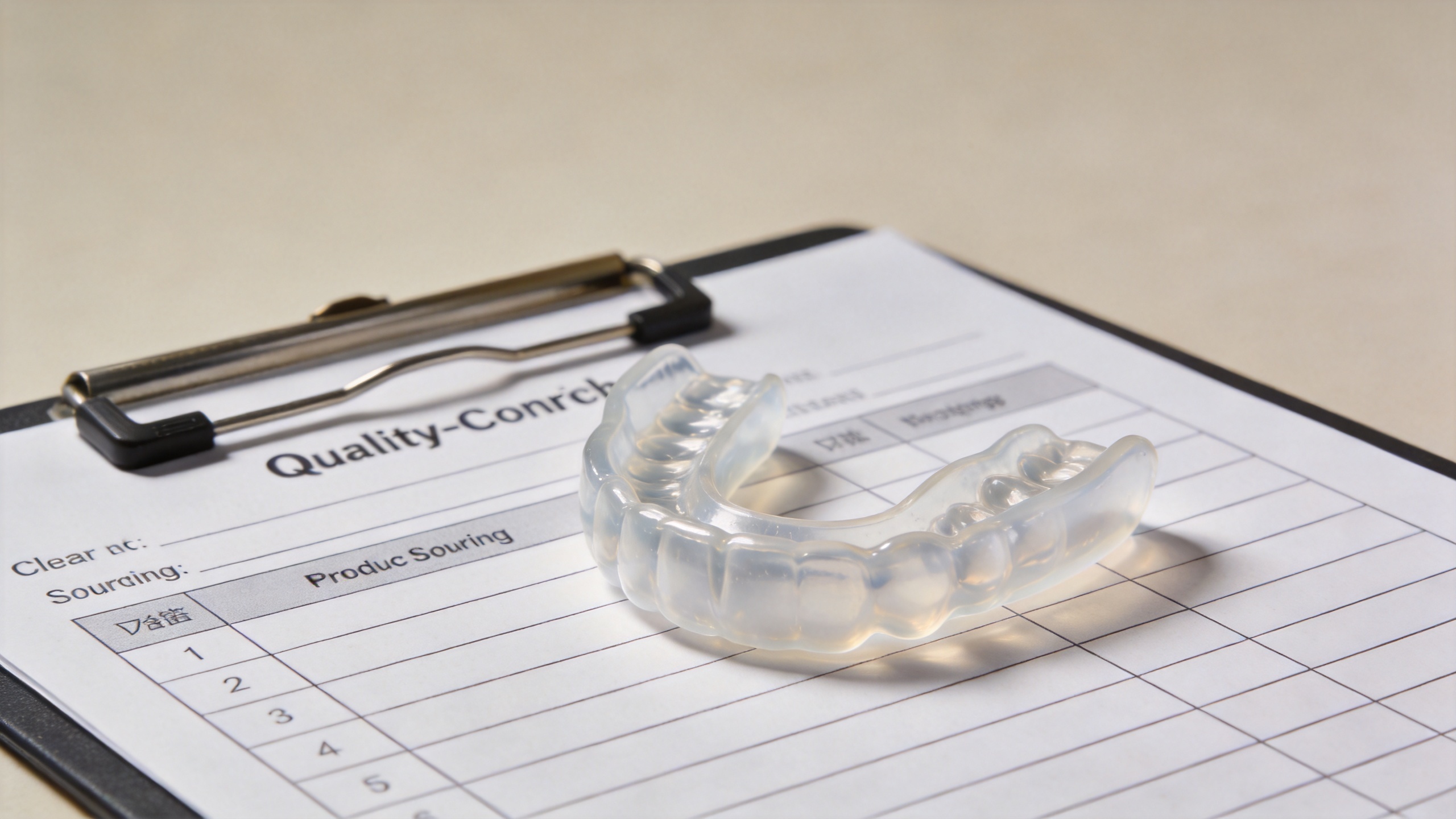
A sample can show the feel and finish of one unit. It cannot by itself demonstrate how a factory will control repeatability after a purchase order is placed. Ask how the manufacturer manages incoming materials, batch identification where applicable, visual inspection, finishing, packaging checks, and nonconforming parts. If the answer is vague, request a process flow or a sample inspection form.
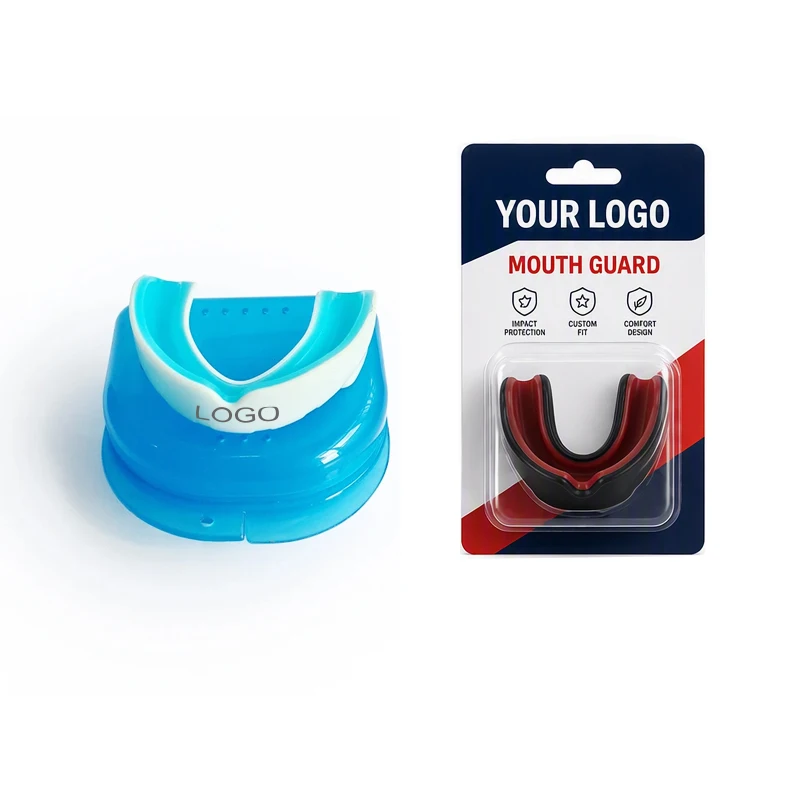
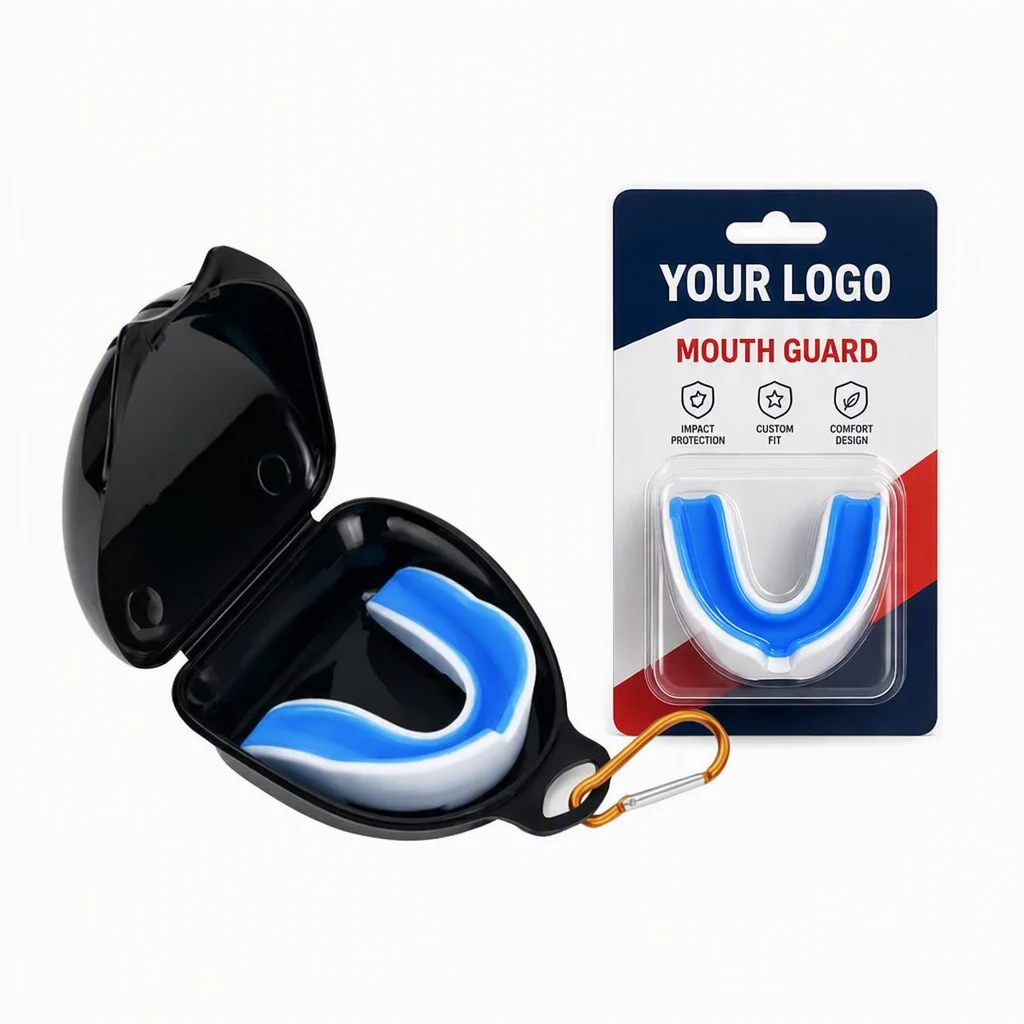
For a silicone mouth guard program, it also helps to ask who approves artwork, what version controls are used, and how changes are confirmed before mass production. This is especially important when a distributor needs private-label packaging. A responsible OEM/ODM discussion describes the decisions to be made; it should not promise a performance, certification, or market authorization that has not been substantiated.
One common sourcing mistake is comparing only unit price. A lower quoted price can become expensive if the intended use is unclear, the packaging copy must be revised, or the inspection criteria were left unresolved. Your target is not simply a low-cost silicone mouth guard; it is a repeatable product brief that a supplier can execute and your sales channels can describe accurately.
Use sample testing as a decision gate
Build a small, written sample protocol before approving a supplier. Include the target use case, expected fit process, edge and surface observations, odor or appearance observations where relevant, packaging review, instruction clarity, and the questions that still need evidence. A night guard sample should be reviewed against the buyer’s intended user and claim strategy, not treated as a universal dental solution.
For athletic applications, ASTM F697 is described by ASTM as a standard practice covering the care and use of intraoral mouthguards as protective equipment for sports. That is a useful reason to ask what product-specific evidence, care instructions, and use limitations the supplier can provide. It is not a shortcut to assert that a silicone mouth guard meets an ASTM requirement without documentation.
- Approve the written intended-use statement first.
- Inspect samples against agreed visual and functional criteria.
- Resolve unknown material, test, and labeling points in writing.
- Confirm the final OEM/ODM artwork and packaging version.
- Set an inspection checkpoint before shipment.
Questions to include in your RFQ
Send the same structured request to each candidate. It makes comparison fairer and reveals whether a manufacturer can communicate clearly. For every silicone mouth guard quotation, request the minimum order quantity, sample lead time, production lead time, available customization options, packaging specifications, export-market experience if relevant, and a list of documents the supplier can actually provide. Treat a missing answer as an unresolved point.
Ask whether the manufacturer serves wholesale, e-commerce, clinic, or pharmacy channels, because each channel needs a different information order. A retail listing may prioritize user instructions and packaging. A clinic may require a more careful evidence review. In either case, health-related messaging should remain conditional and should not replace professional advice.
A practical final decision
A suitable silicone mouth guard manufacturer is not necessarily the one making the broadest claims. Prefer the partner that can distinguish product categories, document what is known, flag what still requires verification, and respond to your OEM/ODM brief with clear limits. That process protects both the buyer and the eventual end user.
Before you place an order, make sure your team can answer four questions: What is this product for? What evidence supports the product description? What exactly will be customized? What must be verified before it reaches the chosen market? If those answers are clear, you are in a far better position to source a professional-grade silicone mouth guard with confidence.
Frequently asked questions
Can one silicone mouth guard be sold for every purpose?
No. A silicone mouth guard should be described according to its documented intended use. Sports protection, a night guard, whitening applications, and sleep-related products require different sourcing and claim reviews.
What should I ask about OEM/ODM options?
Ask for a written OEM/ODM scope covering the product configuration, color, logo, packaging, artwork approval, minimum order quantity, and any items that require separate verification.
Does silicone automatically mean medical-grade or compliant?
No. Material terminology does not substitute for product-specific documentation, testing evidence, labeling review, or market-specific regulatory assessment.


 Hot News
