 EN



Are Your Sports Teams Equipped With The Best Custom Fitted Sports Mouthguards?
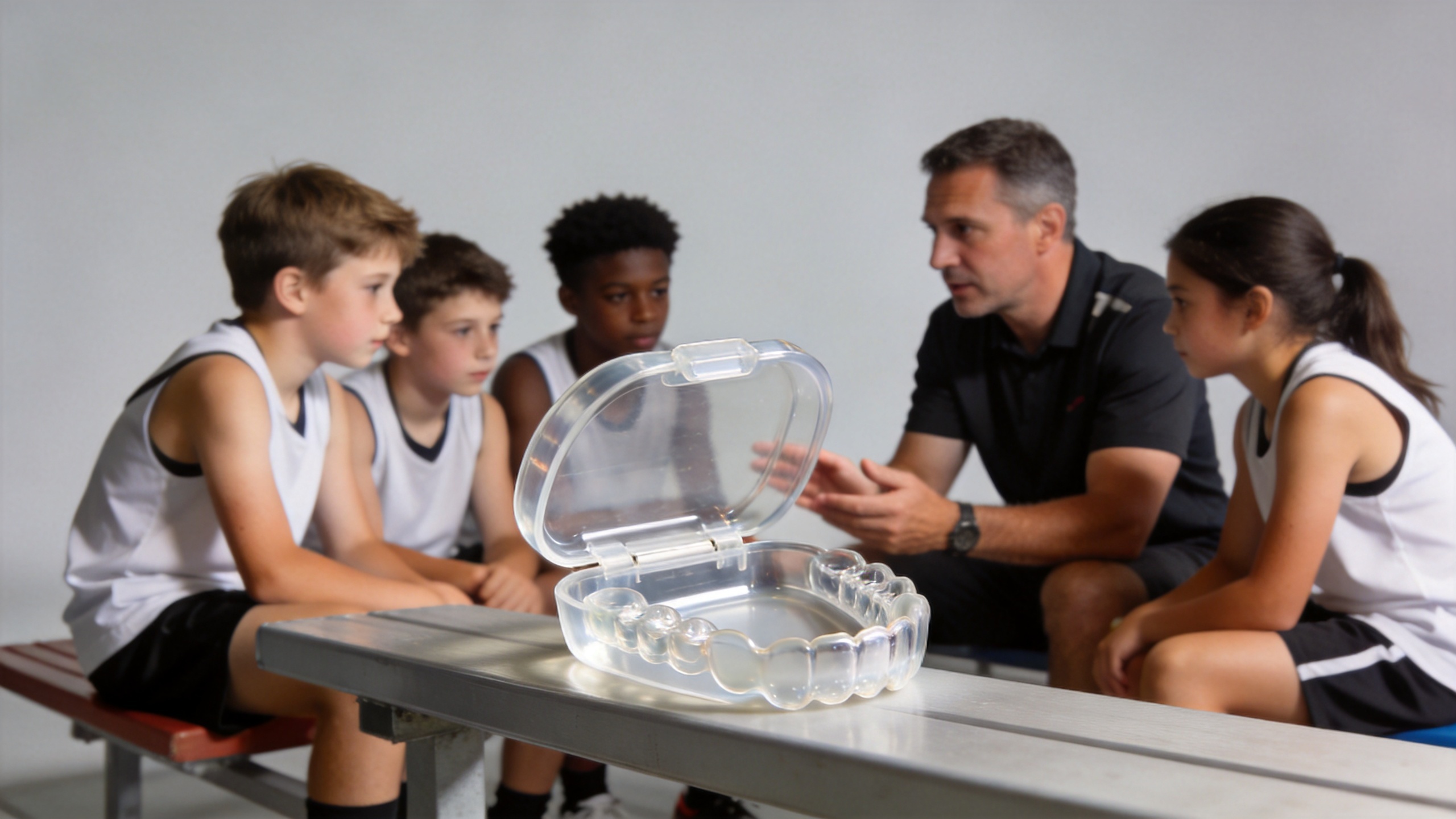
For a coach, club manager, school buyer, or wholesale partner, the question is not simply whether a mouthguard is available. It is whether every athlete has a guard that is likely to stay in place, feel manageable, and be worn when play becomes physical. Custom fitted sports mouthguards deserve a place in that conversation because fit influences the day-to-day decision to wear protection. A properly fitted mouthguard is recommended by the American Dental Association (ADA) Councils to help reduce the incidence and severity of sports-related dental injuries; it is not a promise that injury cannot occur.
From a team-procurement perspective, the most useful approach is to treat custom fitted sports mouthguards as a program, not as a last-minute box to hand out before the season. The program should clarify who needs a guard, how fitting is handled, what information is confirmed, and how replacements are managed.
Why Fit Changes the Team Conversation
A mouthguard only helps when it is worn. If a guard feels loose, distracts an athlete, or is difficult to keep in place, compliance can become inconsistent. That is why custom fitted sports mouthguards are often considered during higher-attention procurement: they are made from an individual impression through a dental office or laboratory, according to ADA educational material. This is different from a self-adapting guard, which is softened and molded by the user at home.
That distinction is useful, but it should not turn into an unqualified product claim. Custom fabrication does not automatically establish the performance of every guard, nor does it replace sport-specific rules, dental advice, or coaching judgment. The practical goal is straightforward: choose an option that matches the athlete, the sport, and a process that makes consistent wear realistic.
Start With a Team Risk and Participation Map
Before requesting quotes for custom fitted sports mouthguards, list the teams, age groups, and activities involved. A football or lacrosse roster may need a different rollout schedule from a low-contact training group. Include practices, scrimmages, travel events, and postseason play rather than planning only for game day. The ADA advises mouthguard use in sports or recreational activities with a meaningful risk of dental trauma or orofacial injury.
A simple map avoids two common mistakes: purchasing too few guards because only starters were counted, and assuming that one generic solution suits every participant. It also gives coaches a clean way to communicate expectations to families and athletes.
- Identify each roster and expected participation period.
- Note athletes with orthodontic appliances or other fitting questions that warrant professional guidance.
- Confirm the league, school, or facility rules that apply to mouth protection.
- Set a replacement and lost-item process before the first fitting date.
Compare the Fit Path, Not Just the Unit Price
When buyers compare custom fitted sports mouthguards, price matters, but the fit path matters just as much. Ask how impressions are obtained, who explains care and use, and what happens when an athlete reports discomfort. A lower initial cost can be less useful if the distribution process leaves athletes without a practical route to a usable fit.
For a wholesale order, make the quote easier to evaluate by requesting a written scope rather than relying on shorthand descriptions. Separate confirmed facts from questions that still need answers. Do not assume material composition, thickness, certifications, impact ratings, color options, delivery timing, or branding capability unless the supplier has provided them in verifiable documentation.
| Question for the buyer | Why it matters |
|---|---|
| How is the individual fit obtained? | It distinguishes a custom process from a self-adapting product. |
| Who is included in the order count? | It prevents gaps across junior varsity, reserve, or travel squads. |
| What care guidance accompanies each guard? | It supports routine use and a consistent team message. |
| What is the replacement path? | It helps staff respond to loss, wear, or changing needs without improvising. |
Build a Fitting and Distribution Workflow
The strongest custom fitted sports mouthguards plan has named owners. One person can coordinate roster counts, another can schedule fitting windows, and coaches can reinforce use during the season. This does not need to be bureaucratic. It simply prevents the procurement team from discovering, after delivery, that no one knows which athlete received which item.
For many organizations, a staged rollout works well: confirm the roster, gather required consent or fitting information, schedule the fitting process, distribute with care instructions, and check in after initial practices. Keep a private record that supports distribution and replacement without publishing personal health information. If an athlete has braces, jaw pain, dental treatment, or a fit concern, direct the family to a qualified dental professional rather than making a clinical decision through the team office.
What “Premium Protection” Should Mean in Practice
Premium protection should not be a vague label. For buyers of custom fitted sports mouthguards, it is more useful to define it as a documented process: appropriate fit, clear use guidance, confirmed product information, and reliable replacement support. That framing is more durable than an unsupported claim that one guard suits every athlete.
Ask vendors to distinguish verified specifications from marketing language. If the team needs a particular feature, request the relevant documentation and review it against program requirements. If the information is unavailable, record it as an open item instead of converting an assumption into a purchasing fact.
Care, Inspection, and Replacement Belong in the Plan
After a custom fitted sports mouthguards rollout, the work is not over. Athletes should receive simple instructions from the provider or dental professional on cleaning, storage, and when to request a review. Staff can reinforce practical habits: use the guard during the activities specified by the program, keep it in its case when not in use, and report changes in comfort or fit.
Set regular review points, such as preseason issue, midseason check, and postseason inventory. A replacement process is especially useful for growing athletes, damaged guards, or changed dental circumstances. The exact timing should follow professional advice and the supplier’s confirmed guidance, not a generic claim copied into a team policy.
A Purchasing Checklist for Custom Fitted Sports Mouthguards
- Define the sports, rosters, and participation settings covered.
- Confirm whether the proposed option is truly custom-made or self-adapting.
- Request written details for all required specifications and services.
- Plan fitting, distribution, care communication, and replacements together.
- Use a wholesale quote only after the scope, count, and open questions are clear.
- Encourage athletes with individual dental or orthodontic questions to seek professional advice.
Make the Better Choice Easier to Wear
A sound equipment decision is rarely the one with the loudest claim. It is the one that gives athletes a clear, workable path to use protection consistently. Custom fitted sports mouthguards can be a sensible option when the team understands the fitting route, documents what is confirmed, and supports athletes after distribution. By pairing premium protection expectations with a transparent buying and replacement process, sports organizations can make a more informed choice without overstating what any single product can guarantee.
Frequently Asked Questions
Are custom fitted sports mouthguards required for every sport?
Requirements vary by sport, organization, and level of play. Review applicable rules and consider the risk of dental trauma or orofacial injury. A dental professional can help with individual fit questions.
Can a wholesale order still support individual fit?
It can, provided the purchasing process clearly defines how individual fitting, distribution, and replacements will be handled. Confirm the supplier’s documented process before ordering.
How should a team compare custom and self-adapting guards?
Start with how each is fitted, who will use it, and what support the team can provide. The ADA describes custom guards as made from individual impressions, while self-adapting guards are molded by the user after softening.


 Hot News
