 EN



Are Your Sports Teams Equipped With The Best Youth Mouth Guard?
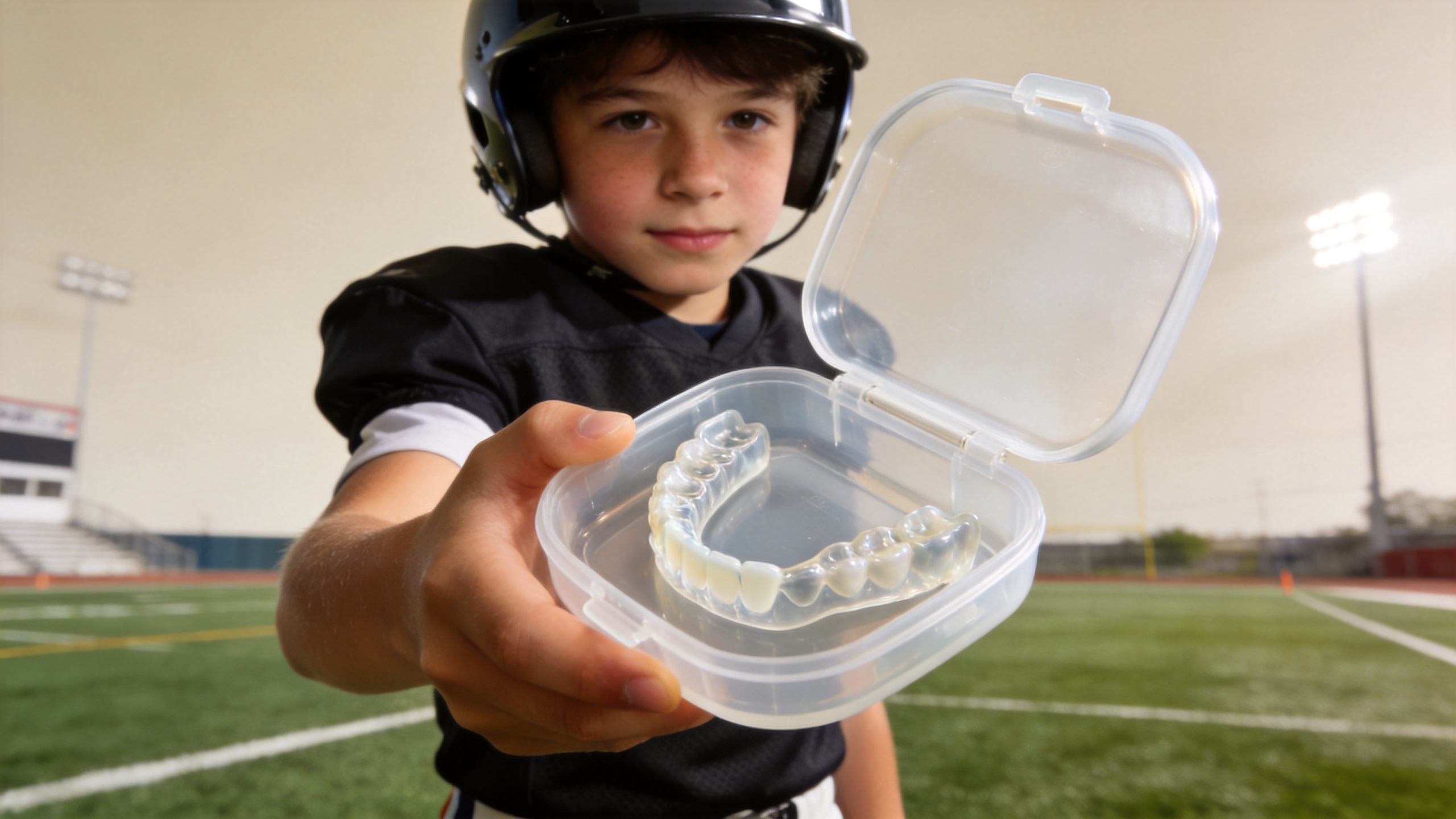
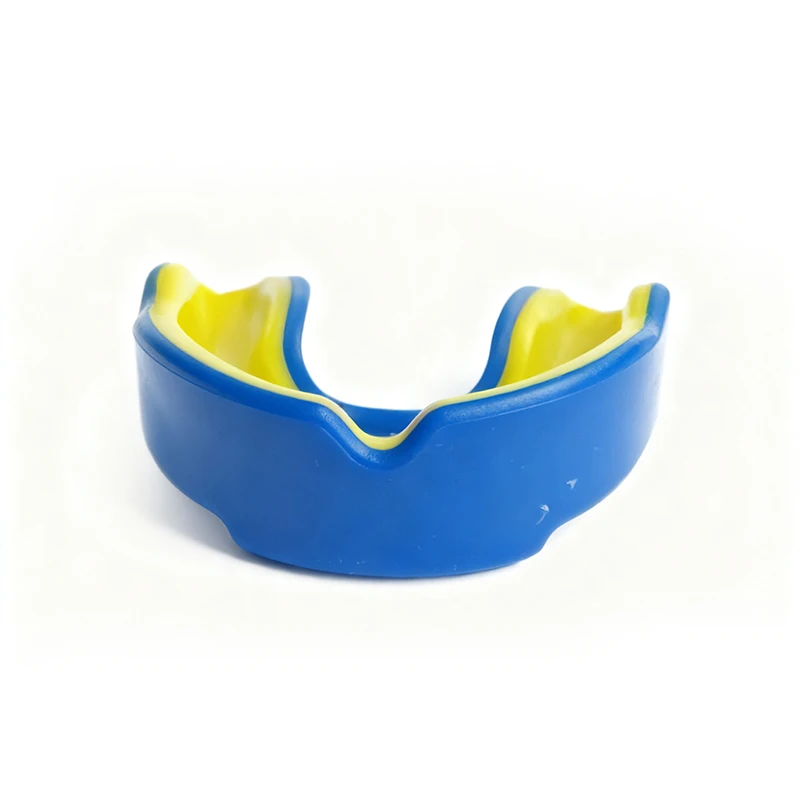
For a coach, league organizer, or school buyer, a youth mouth guard is easy to treat as a small line item until the season begins. A better starting point is the actual playing environment: contact level, player ages, braces, communication needs, and how reliably athletes will wear the guard. From a sports-protection viewpoint, the right youth mouth guard is not simply the thickest item in a catalog. It is one that fits the athlete, is appropriate for the sport, and can be worn consistently through practice and games.
The American Dental Association recommends a properly fitted mouthguard for sports or recreation with meaningful risk of dental or orofacial injury. That is a useful standard for team planning: fit and use matter as much as selecting the item. At the same time, a youth mouth guard should not be presented as a proven way to prevent concussion. It is oral protective equipment, not a substitute for coaching, rule enforcement, helmets, face protection, or a concussion-response plan.
Start With the Sport and the Players
Before comparing styles, make a short roster-based brief. Note the sport, age range, whether contact or projectiles are part of play, and whether any athletes wear braces or other dental appliances. A youth mouth guard that works acceptably for one group may be a poor match for another. Football, hockey, lacrosse, martial arts, basketball, baseball, softball, and similar activities can create different impact and retention concerns.
It is tempting to order one universal model for everyone. However, “youth” is a sizing category, not a complete fitting instruction. Younger players may have changing teeth, different arch sizes, and varying tolerance for bulk. Ask the supplier what size guidance, molding instructions, and braces-related limitations apply to the specific youth mouth guard under consideration. If the answer is unclear, that is a reason to pause before placing a team order.
What a Suitable Team Choice Should Mean
A suitable choice is one that gives a team a reliable decision process rather than relying on a flashy claim. When evaluating a youth mouth guard, use these practical criteria:
- Fit and retention: It should sit securely enough for normal movement and follow the maker’s fitting directions.
- Comfort and breathing: If athletes cannot speak, breathe, or tolerate it comfortably, they may remove it when protection matters.
- Sport suitability: Confirm that the product is intended for the activity and level of contact your team faces.
- Dental needs: Ask specifically about braces, changing teeth, and any recommendation to consult a dental professional.
- Care and replacement: A clear cleaning, storage, inspection, and replacement routine makes the youth mouth guard program easier to sustain.
These questions shift the discussion from broad marketing language to a workable safety routine. They also help a coach explain to families why a properly used youth mouth guard is part of the team’s equipment expectations.
Custom Fit, Ready-Made, and Team Consistency
A custom fit can mean different things in the marketplace. Some products are professionally made; others are molded by the user according to manufacturer instructions; still others are ready-made. Do not assume that the phrase custom fit proves a particular level of protection or suitability. Instead, ask how the fit is achieved, who the intended wearer is, whether fitting instructions are supplied, and what the manufacturer says about refitting as a young athlete grows.
For team managers, consistency has value. A standard issue process can make it easier to distribute a youth mouth guard, communicate care expectations, and identify players who need follow-up. Yet consistency should not override individual fit. If a player reports pain, poor retention, trouble breathing, damage, or a change in dental treatment, the team should direct the family to appropriate professional advice rather than force continued use of an unsuitable guard.
How to Plan a Bulk Buy Without Creating a Weak Link
A bulk buy can simplify preseason preparation, but lowest unit cost is only one part of the decision. A useful bulk-buy review asks whether the order has sensible size options, clearly labeled fitting instructions, individual storage cases, replacement availability, and a delivery schedule that leaves time for fit checks. Request written product information rather than relying on a short sales description.
For each youth mouth guard option, document the intended sport use, available sizes, material information supplied by the seller, care guidance, packaging, and any stated braces guidance. Avoid making promises about certifications, impact performance, or medical outcomes unless the supplier provides verifiable documentation. If your league has a governing-body equipment rule, check that rule directly before ordering.
It can also help to order samples first. A small evaluation group can test whether the youth mouth guard is easy to mold or fit as instructed, stays in place during normal drills, and can be cleaned and stored without confusion. This is not a laboratory performance test, but it can reveal practical issues before a larger order is distributed.
Make Wearing It Part of the Routine
Even a well-chosen youth mouth guard offers little value when it stays in a bag. Build reminders into equipment checks, practice starts, and game-day preparation. Coaches can keep the message simple: wear the guard as instructed during the activities where it is required or appropriate. Players should use a clean guard, store it in a ventilated case, inspect it for wear or damage, and replace it according to product guidance or when it no longer fits properly.
Families should know when to ask for help. A damaged or uncomfortable youth mouth guard, a loose fit, braces adjustments, or oral pain are all reasons to reassess the equipment. General team guidance cannot replace individual dental advice, especially where a player has an existing dental condition or treatment plan.
A Preseason Checklist for Coaches and Buyers
- List the sports, age groups, and contact or impact scenarios involved.
- Ask families about braces or other fitting considerations without requesting unnecessary health details.
- Compare each youth mouth guard against the manufacturer’s intended-use and fitting information.
- Review samples or a small pilot before committing to a bulk buy.
- Provide written fitting, care, storage, and replacement instructions.
- Set a consistent expectation that the youth mouth guard is worn during the relevant activity.
The Practical Answer
Are your teams equipped with a suitable youth mouth guard? The answer is yes only when the choice fits the sport and athlete, the product information has been checked, and players will actually wear and maintain it. Focus on proper fit, clear usage routines, and honest safety boundaries. That approach gives coaches and buyers a stronger program than unsupported protection claims can provide.


 Hot News
