 EN
EN

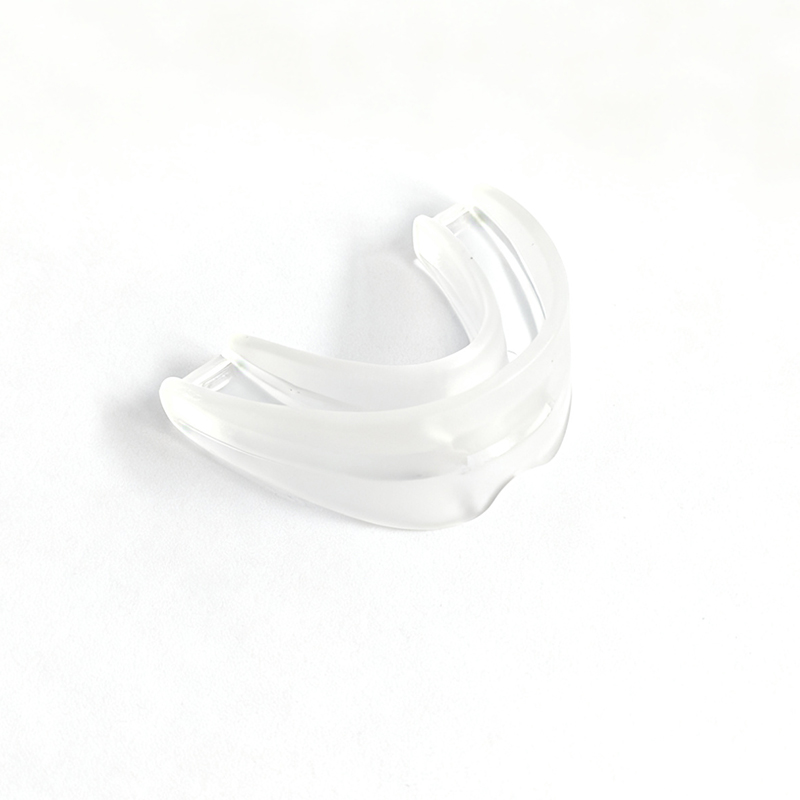
Sustaining deep, uninterrupted sleep requires structural solutions that keep airways open throughout the night. Utilizing an anti snore mouthguard serves as a highly reliable method for preventing tissue vibration and improving nighttime oxygen intake. However, spending seven to eight hours inside a dark, warm, and highly humid oral environment exposes the medical-grade polymers to constant salivary enzymes, cellular debris, and active oral microorganisms. When an appliance is removed in the morning, the leftover moisture quickly evaporates, leaving behind a microscopic layer of organic biofilm. Skipping a rigorous morning cleaning routine allows this thin film to harden into stubborn calculus, causing permanent discolored stains, bad smells, and potential gum irritation. For health-conscious consumers and medical distributors, maintaining a strict daily sanitization routine is absolutely essential to keep the hardware clean, safe, and fully functional.
Understanding the polymer science of oral medical devices
Developing a proper maintenance routine requires an understanding of the delicate materials used in modern oral devices. High-quality sleep apnea and anti-snoring hardware is constructed from advanced medical-grade polymers, such as ethylene-vinyl acetate (EVA) and specialized thermoplastic elastomers (TPE). These materials are specifically engineered for maximum biocompatibility, structural flexibility, and user comfort. However, their porous molecular surfaces make them vulnerable to microscopic damage if cleaned with incorrect chemicals or abrasive tools. Using boiling water to sterilize the device will instantly warp the custom-molded shape, ruining its precise jaw alignment. Similarly, scrubbing with standard colored mouthwashes or household bleach can degrade the polymer bonds, causing premature cracking and structural failure.
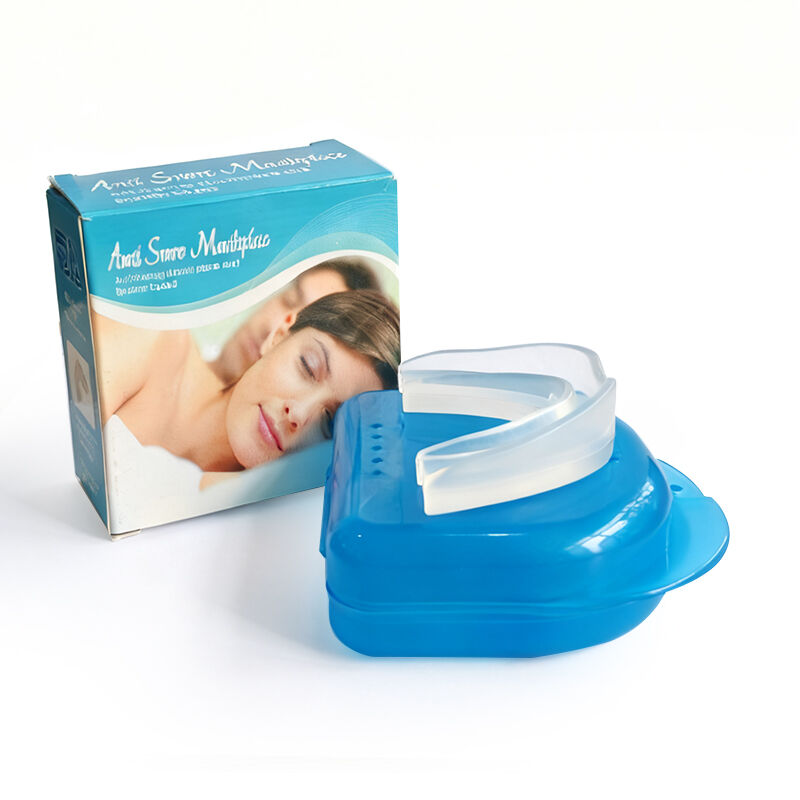
To help global distributors and end-users handle these materials safely, the core chemical compatibility parameters are detailed below:
| Cleaning Variable | Approved Agent Profile | Damaging Treatment Method | Core Structural Impact |
| Water Temperature | Lukewarm / Cool (Below 40°C) | Boiling Water / Dishwasher | Prevents thermal warping of custom molding |
| Mechanical Action | Soft-Bristled Brush | Hard Abrasive Toothpaste | Eliminates microscopic surface scratching |
| Chemical Sanitizer | Mild Liquid Soap / Specialized Tablets | Bleach / Concentrated Alcohol | Prevents chemical degradation of polymer |
| Storage Solution | Perforated, Dry Protective Case | Sealed Wet Container | Eliminates anaerobic bacterial blooming |
Correct daily sanitization routines and real-world maintenance errors
In daily use, minor maintenance oversights can quickly shorten the lifespan of premium oral hardware. During a recent product performance evaluation tracking long-term user satisfaction, quality engineers noticed that a significant number of early material failures were caused by a common cleaning mistake: users were scrubbing their devices with standard whitening toothpaste. Regular toothpaste contains harsh microscopic abrasives, like silica or calcium carbonate, designed to clean hard dental enamel. On soft medical polymers, these abrasives leave thousands of microscopic scratches. These tiny grooves act as perfect breeding grounds for plaque and odorous bacteria that cannot be rinsed away. The ideal daily routine requires rinsing the device in cool water immediately after waking, followed by a gentle cleaning using a soft-bristled brush and mild, non-abrasive liquid soap.
Clinical health implications of biofilm management
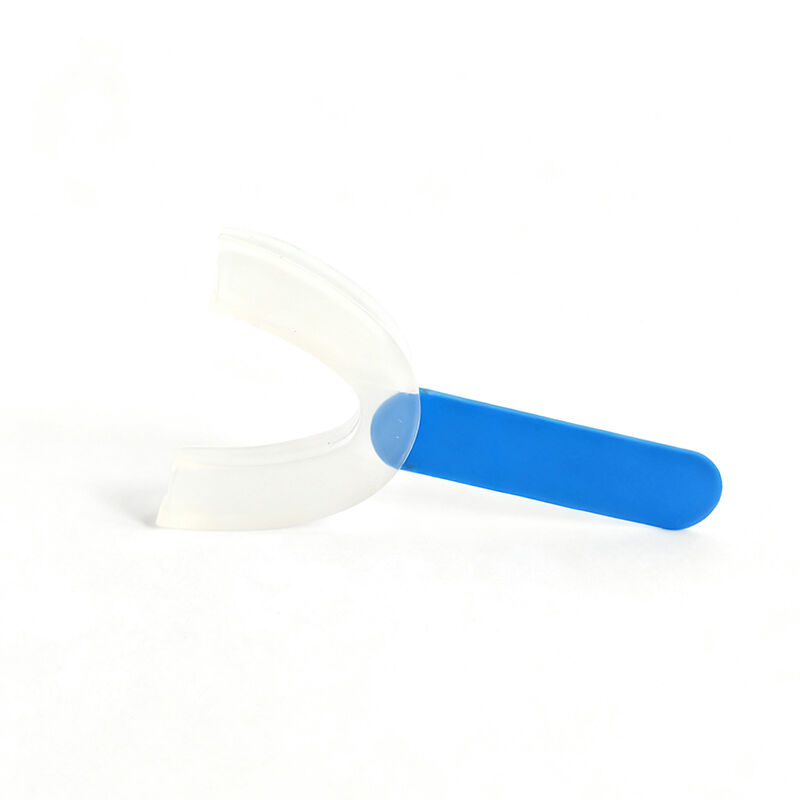
Maintaining excellent appliance hygiene is directly connected to protecting long-term oral health. Clinical research into dental biofilms confirms that uncleaned oral devices rapidly accumulate common oral bacteria, such as Streptococcus mutans, alongside opportunistic fungal strains like Candida albicans. If allowed to multiply, these microscopic organisms can cause localized gum inflammation, bad breath, and accelerated dental decay. Dental specialists emphasize that the simple act of air-drying the device inside a properly ventilated, perforated storage case is just as important as the initial wash. Eliminating standing moisture cuts off the water supply that anaerobic bacteria need to grow, ensuring the device remains pristine and safe for the next night of sleep.
Preserving commercial value and lifecycle return on investment
From a commercial perspective, teaching consumers the correct way to care for their oral devices offers significant financial benefits for distributors, healthcare providers, and retail brands. High-quality anti-snoring devices represent a meaningful financial investment in personal wellness. When users accidentally damage their custom hardware through poor cleaning habits, it often leads to premature replacements, customer complaints, and negative online product reviews. Providing clear, easy-to-follow care instructions helps global B2B buyers lower product return rates, build long-term brand loyalty, and protect customer satisfaction. Proper daily care turns a delicate oral device into a long-lasting wellness solution that delivers exceptional value over its entire operational lifecycle.
Manufacturing precision and advanced supply chain solutions
Producing durable, highly stain-resistant oral appliances requires a manufacturing partner with advanced polymer expertise and strict quality control systems. This is where specialized oral health pioneer XM brings outstanding value to global B2B markets. Operating state-of-the-art automated injection molding equipment and certified cleanroom facilities, XM ensures that every anti snore mouthguard is built with perfect dimensional accuracy and maximum resistance to daily wear and microbial buildup. By providing flexible OEM customization options, customized packaging designs, and dependable international supply chain services, the brand simplifies complex logistics for dental networks and retail distributors worldwide. Partnering with an experienced manufacturer like XM guarantees total material purity, full regulatory compliance, and seamless commercial success for your entire product lineup.
Table of Contents
- Understanding the polymer science of oral medical devices
- Correct daily sanitization routines and real-world maintenance errors
- Clinical health implications of biofilm management
- Preserving commercial value and lifecycle return on investment
- Manufacturing precision and advanced supply chain solutions