 EN



Customized FDA-Grade Adjustable Anti Snore Mouthpiece To Prevent Snoring Comfortably
Searching for an adjustable anti snore mouthpiece often starts with a simple goal: quieter nights without making bedtime less comfortable. The phrase covers a broad category, however, and the details matter. Fit, adjustment range, material documentation, intended use, and the language used in product materials should all be checked before anyone treats an oral device as a personal solution.
For a buyer building a retail, pharmacy, clinic, or ecommerce range, the same discipline applies. A customer may call an item an adjustable anti snore mouthpiece, while a responsible listing needs to separate general product information from medical advice or unverified regulatory claims. This guide explains the questions worth asking, the comfort factors worth discussing, and the situations that call for a sleep or dental professional instead of a product comparison.
Start with the intended use, not the product label
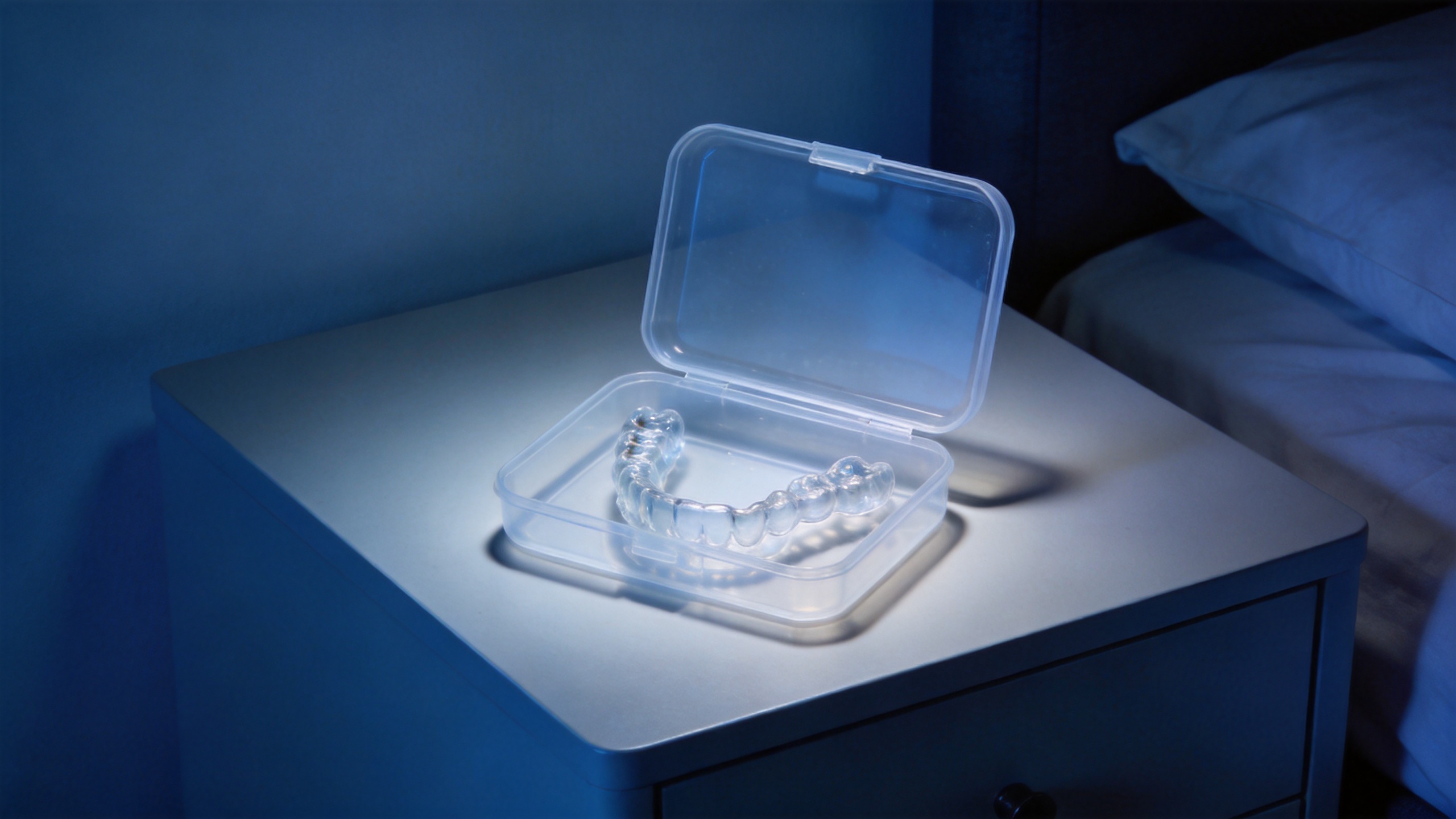
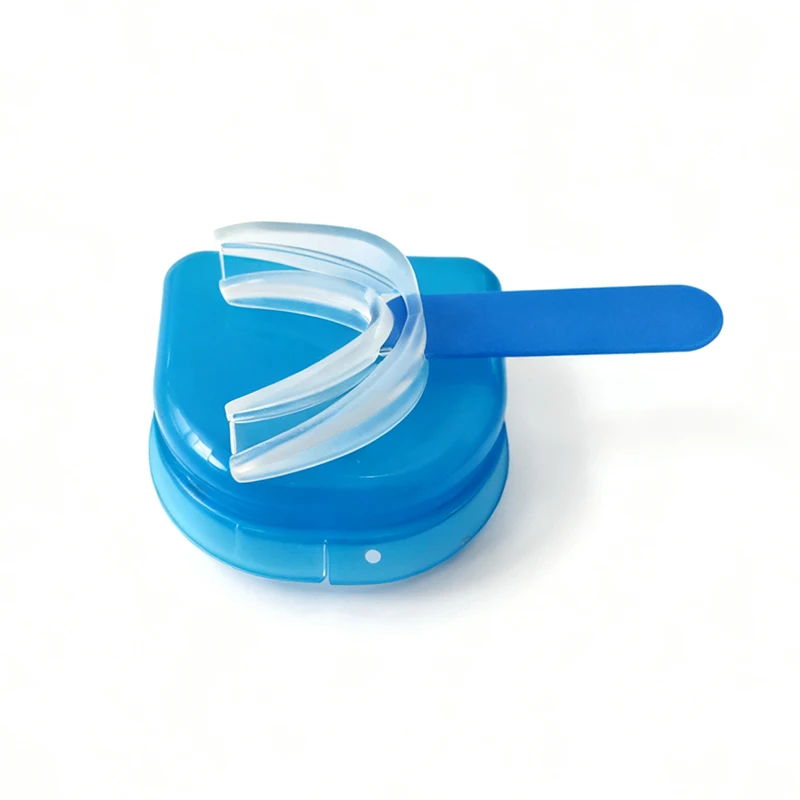
An adjustable anti snore mouthpiece is commonly described as an oral appliance worn at night. Some designs are intended to hold the lower jaw in a forward position; others have a different mechanism or purpose. That distinction is not a minor catalog detail. It affects how the device should be described, who may be an appropriate candidate, and what information a customer needs before using it.
FDA guidance exists for intraoral devices associated with snoring and/or obstructive sleep apnea. That does not mean every item marketed with phrases such as “FDA-grade” is FDA-cleared, clinically appropriate, or interchangeable with a prescribed appliance. When reviewing an adjustable anti snore mouthpiece, ask for the actual documentation behind any regulatory, material, or performance language. A material description, an FDA establishment reference, a 510(k) clearance, and a clinician’s treatment recommendation are different things.
For adults who request help for primary snoring, sleep-medicine guidance supports oral-appliance therapy under professional care. Loud habitual snoring can also occur alongside obstructive sleep apnea. Pauses in breathing, gasping, choking during sleep, significant daytime sleepiness, morning headaches, or high blood pressure are reasons to seek clinical assessment rather than rely on an over-the-counter description alone.
How adjustability can support comfort
Comfort is not a promise that one adjustable anti snore mouthpiece can make for every person. It is a practical fit-and-use question. Adjustment features may allow gradual changes rather than a large change on the first night, but the useful range and adjustment instructions need to be clear. A device should not be forced into a painful position simply to chase a faster result.
- Incremental adjustment: Confirm whether adjustment is measurable, reversible, and explained in the instructions.
- Fit information: Ask how the upper and lower trays are formed, what sizes are available, and how the user checks seating.
- Jaw and tooth comfort: A new adjustable anti snore mouthpiece may feel unfamiliar at first, but persistent tooth movement sensations, jaw pain, or bite changes should be reviewed by a qualified dental professional.
- Cleaning and storage: Clear care directions help preserve hygiene and reduce avoidable odor or damage concerns.
- Support materials: Buyers should look for plain-language setup, warnings, and escalation guidance rather than only promotional claims.
Put simply, adjustment is a feature to evaluate, not proof of comfort or efficacy. An adjustable anti snore mouthpiece should come with enough instructions for the user to understand what they can adjust, what they should not adjust, and when they should stop and ask for help.
What “medical grade” and “FDA-grade” should mean in a product conversation
The auxiliary terms medical grade and anti-snore are frequently used in marketplace searches, but they need careful handling. “Medical grade” can refer to a supplier’s material characterization, manufacturing controls, biocompatibility documentation, or a marketing shorthand. It should not be treated as a universal certification. Likewise, an anti-snore description should not be expanded into a diagnosis, a cure claim, or a guarantee of sleep-apnea treatment.
Instead of asking whether an adjustable anti snore mouthpiece merely sounds premium, request a documentation checklist:
- What is the intended use stated by the manufacturer?
- What material is used, and what supporting material documentation is available?
- What specific regulatory statement is being made, and which official record supports it?
- Who is excluded by the instructions or warnings?
- How are fitting, adjustment, cleaning, and replacement addressed?
- What does the product information say about suspected sleep apnea or adverse symptoms?
This is especially important for wholesale teams and sellers creating product pages. Product copy should accurately state what is confirmed and leave room for a clinician to address individual health questions. A well-documented adjustable anti snore mouthpiece listing is more useful than an aggressive one.
A scenario-based checklist for choosing a device
For an individual shopper
First identify the sleep concern. Is the goal to discuss simple snoring, or are there signs that may point to a sleep-breathing disorder? Next, assess dental comfort and any existing dental work, jaw symptoms, or tooth mobility with a professional. If an adjustable anti snore mouthpiece is still being considered, read the complete instructions before molding, fitting, or advancing anything.
For a clinic, pharmacy, or retailer
Focus on disclosure quality. An adjustable anti snore mouthpiece should have a clear intended-use statement, fitting pathway, material documentation where claimed, warning language, and a process for customer questions. Do not use “medical grade” as a substitute for evidence. Do not present a product as FDA-cleared unless the specific product and claim have been verified against the appropriate official record.
For an ecommerce or wholesale buyer
Compare the whole operating picture: packaging, instructions, label artwork, claim approvals, after-sales questions, and consistent language across the listing and sales materials. A low unit price does not offset the work created by unclear use instructions or unsupported health claims. For an adjustable anti snore mouthpiece, the most valuable supplier conversation is usually about verifiable materials and information, not a promise that every customer will sleep silently.
Questions that protect comfort and trust
Before purchasing or listing an adjustable anti snore mouthpiece, use these questions to keep the decision grounded:
- Can the adjustment process be followed without guesswork?
- Are the materials and care requirements explained in writing?
- Does the product explain that comfort varies and that persistent pain needs professional review?
- Are “FDA-grade” or medical grade statements backed by specific, relevant documents?
- Does the copy avoid suggesting that an adjustable anti snore mouthpiece can diagnose, cure, or replace care for sleep apnea?
A useful answer should be specific. Vague claims about superior comfort, universal fit, or assured snoring prevention deserve follow-up questions. In contrast, clear limitations and setup information help customers make a better decision.
When to pause the purchase and talk to a professional
Stop self-directed adjustment and seek advice if there is persistent jaw pain, tooth pain, bite changes, gum irritation, worsening sleep symptoms, choking or gasping at night, or severe daytime fatigue. An adjustable anti snore mouthpiece is not a diagnostic tool. A dentist or sleep clinician can help determine whether an oral appliance is appropriate and whether another evaluation is needed.
Choose evidence and instructions over slogans
The right adjustable anti snore mouthpiece conversation is not about promising an ideal night. It is about matching the intended use, fit process, adjustment guidance, and claim documentation to the person or channel involved. For consumers, that means being honest about comfort and professional follow-up. For buyers, it means requesting evidence before repeating “FDA-grade” or medical grade language. For sellers, it means offering practical instructions and avoiding health claims that cannot be supported.
When these basics are in place, an adjustable anti snore mouthpiece can be evaluated more thoughtfully: as a product category with real comfort considerations and clear boundaries, not as a shortcut around individualized sleep or dental care.


 Hot News
