 EN



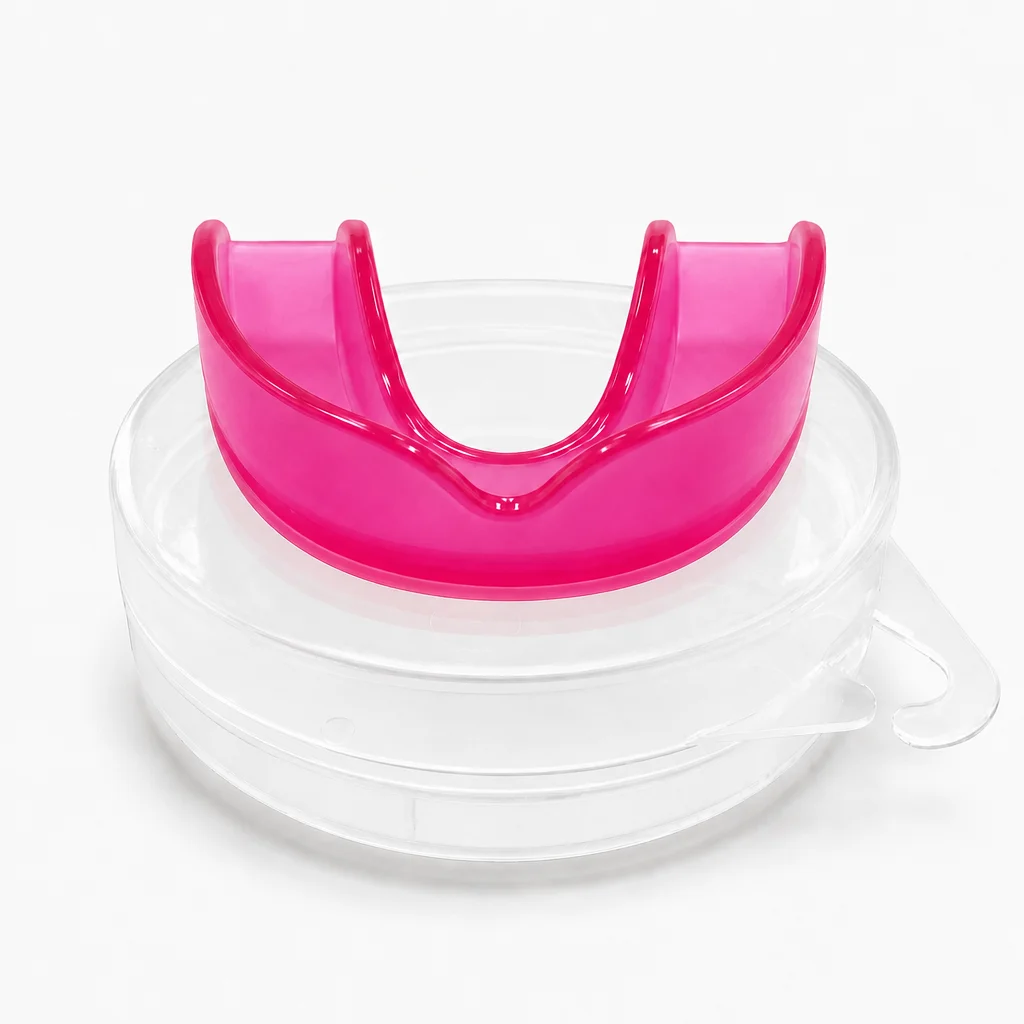
Customized FDA-Grade Mouth Guard To Stop Snoring To Prevent Snoring Comfortably
A mouth guard to stop snoring can sound like a simple purchase, yet a comfortable night-time appliance deserves a more careful conversation. From a dental-channel editorial perspective, the useful first question is not “Which guard fits the stated need?” but “What problem is it intended to address, and what information has been verified?” That distinction protects users, clinics, pharmacies, and sellers from treating a general product description as a personal diagnosis.
Some people search for a mouth guard to stop snoring because they want a non-electronic sleep aid; others are comparing options for a retail or wholesale range. Those are different needs. Snoring can have many causes, and a mouthpiece is not a substitute for assessment when there are signs of obstructive sleep apnea, such as witnessed pauses in breathing, gasping, marked daytime sleepiness, or other concerning symptoms. In that situation, speak with a qualified clinician or sleep professional before relying on a product choice.
Start With the Right Product Category
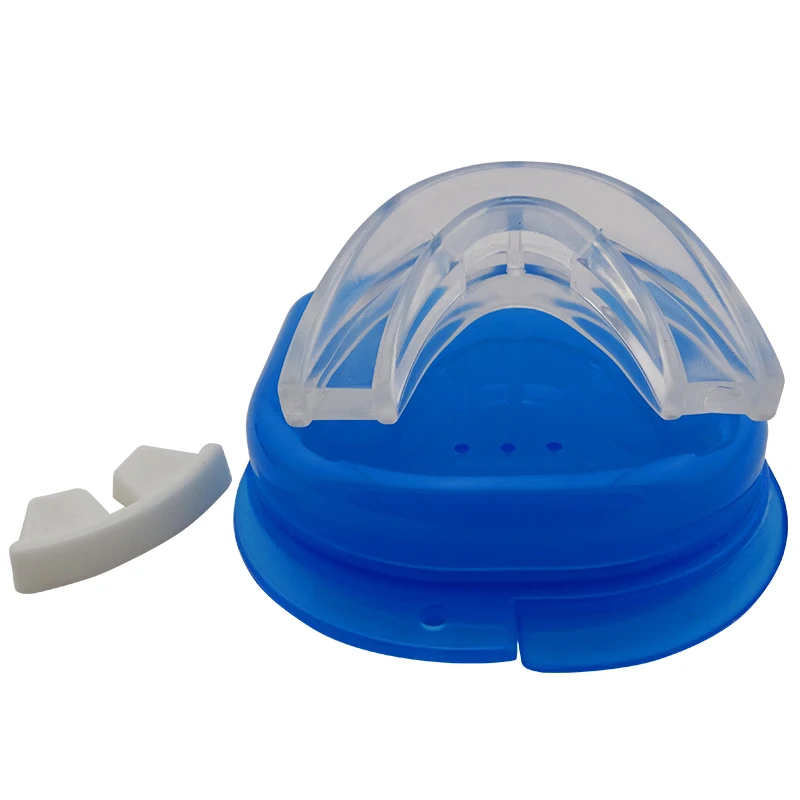
The phrase mouth guard to stop snoring is often used broadly, but intraoral designs are not all alike. A mandibular repositioning design is intended to position the lower jaw forward; a tongue-retaining design works differently; and other mouth guards may be made for sports protection or dental whitening rather than night-time breathing concerns. Looking alike does not make these products interchangeable.
Regulatory language matters here. FDA guidance discusses intraoral devices for snoring and/or obstructive sleep apnea as a defined device category, but that does not mean every mouthpiece, supplier, or marketing claim is FDA cleared. “FDA-grade” is not a precise regulatory status by itself. Before repeating that wording in a listing or purchase order, ask for the specific device identity, intended use, applicable documentation, and evidence supporting the claim. A responsible mouth guard to stop snoring discussion keeps that verification separate from broad promotional language.
Comfort Is a Fit Question, Not a Universal Promise
Comfort is one reason buyers look for a customized option. Still, custom does not automatically mean suitable for every person. Dental anatomy, existing restorations, jaw comfort, bite changes, and the amount of adjustment all matter. A comfortable fit is more reliably evaluated as a process: clarify the intended use, understand how fitting and adjustment are handled, review cleaning instructions, and know when to stop using the appliance and seek professional advice.
For a mouth guard to stop snoring, practical comfort questions include:
- Is the design meant for the requested indication, rather than sports protection or whitening?
- How is fit established, and is adjustment overseen by a qualified dental professional where appropriate?
- What material information, care instructions, and replacement guidance are actually available?
- What discomfort, jaw pain, tooth movement, or bite-change warnings are stated in the product information?
- What is the escalation path if snoring continues or sleep-related symptoms raise concern?
This checklist is more useful than a blanket comfort promise. It also helps a clinic or retailer explain why a sleep aid should be presented with clear boundaries rather than as an assured health outcome.
How a Custom Discussion Should Handle Snoring and Sleep Apnea
It is tempting to use snoring reduction and sleep apnea treatment as if they mean the same thing. They do not. Professional guidance on oral appliance therapy for obstructive sleep apnea emphasizes clinical evaluation, physician involvement, and a qualified dentist using an appropriate custom, titratable device. That is a care pathway, not a product feature that can be inferred from a generic mouth guard.
So, if a buyer asks whether a mouth guard to stop snoring will treat sleep apnea, the accurate response is conditional: it may be relevant to a professional discussion, but no individual should self-diagnose or assume an unspecified device treats a medical condition. A supplier can provide factual product documents; a clinician determines whether a particular treatment approach is appropriate.
Compare Factory Price Without Losing the Evidence Trail
For B2B buyers, factory price is a valid procurement question, but it should not become the only question. Two quotations may differ because the requested product scope differs: custom impression workflow, adjustment components, packaging, labeling, order quantity, documentation, testing records, shipping terms, and after-sales process can all change what is being compared. Comparing a mouth guard to stop snoring at the same factory price only makes sense when the intended use and supporting information are aligned.
| Ask before comparing | Why it matters |
|---|---|
| Exact intended use | Prevents a sports or whitening guard from being treated as a snoring device. |
| Documentation available | Shows whether claims, materials, labeling, and instructions can be reviewed. |
| Fit and adjustment process | Links comfort expectations to a real user pathway rather than a slogan. |
| Quotation scope | Makes a factory price comparison meaningful across quantities and packaging. |
| Safety escalation language | Helps downstream channels direct suspected sleep-apnea concerns appropriately. |
For Xiamen Yizhou Imp. & Exp. Co., Ltd., the disclosed product scope includes anti-snoring mouth guards, sports mouth guards, and dental whitening trays. That range makes clear categorization especially important: each category needs its own intended-use statement, materials and specification records, and channel-ready instructions. It is better to say what is confirmed than to stretch a claim across unrelated oral products.
A Practical Request List for Buyers and Sellers
When choosing or sourcing a mouth guard to stop snoring, create a short written request instead of relying only on photos or a headline. State the target market, intended user, requested configuration, expected documentation, packaging needs, and whether professional fitting or prescription-related requirements apply in that market. Ask the supplier to identify what is confirmed, what needs further verification, and what the product is not intended to do.
For a consumer, that same habit means asking a dentist or sleep clinician when symptoms suggest more than simple snoring. For a business buyer, it means keeping product claims, factory price, and channel instructions in the same review file. The result is a clearer decision and a more honest sleep aid conversation.
Conclusion: Choose Clarity Before Comfort Claims
A mouth guard to stop snoring may be part of a considered plan, but it is not a one-size-fits-all answer. Confirm the device category, verify any FDA-related wording against the actual product record, examine fit and comfort information, and keep suspected sleep apnea within a professional care pathway. When a customized option, a factory price, and a sleep aid claim are evaluated together with those boundaries, buyers can make a better-informed choice without overpromising what a mouthpiece can do.

 Hot News
