 EN



High-Quality Anti Teeth Grinding for Bruxism Relief and Sleep Comfort
Waking with a tight jaw, a dull morning headache, or teeth that feel unusually sensitive can make sleep seem less restorative. An anti teeth grinding routine is not a diagnosis or a quick cure, but it can help you protect your teeth while you work with a dental professional on the cause of clenching or grinding. For many adults, a well-fitted night guard is one practical part of that routine.
At Xiamen Yizhou Imp. & Exp. Co., Ltd., we work with buyers who need clear product information for sleep-related mouth guard ranges, clinics, pharmacies, and online retail. The useful question is not simply “what is the lowest quoted price for a guard?” It is how an anti teeth grinding option fits the wearer, the intended use, the material requirements, and the advice of the dental team.
What an anti teeth grinding guard is designed to do
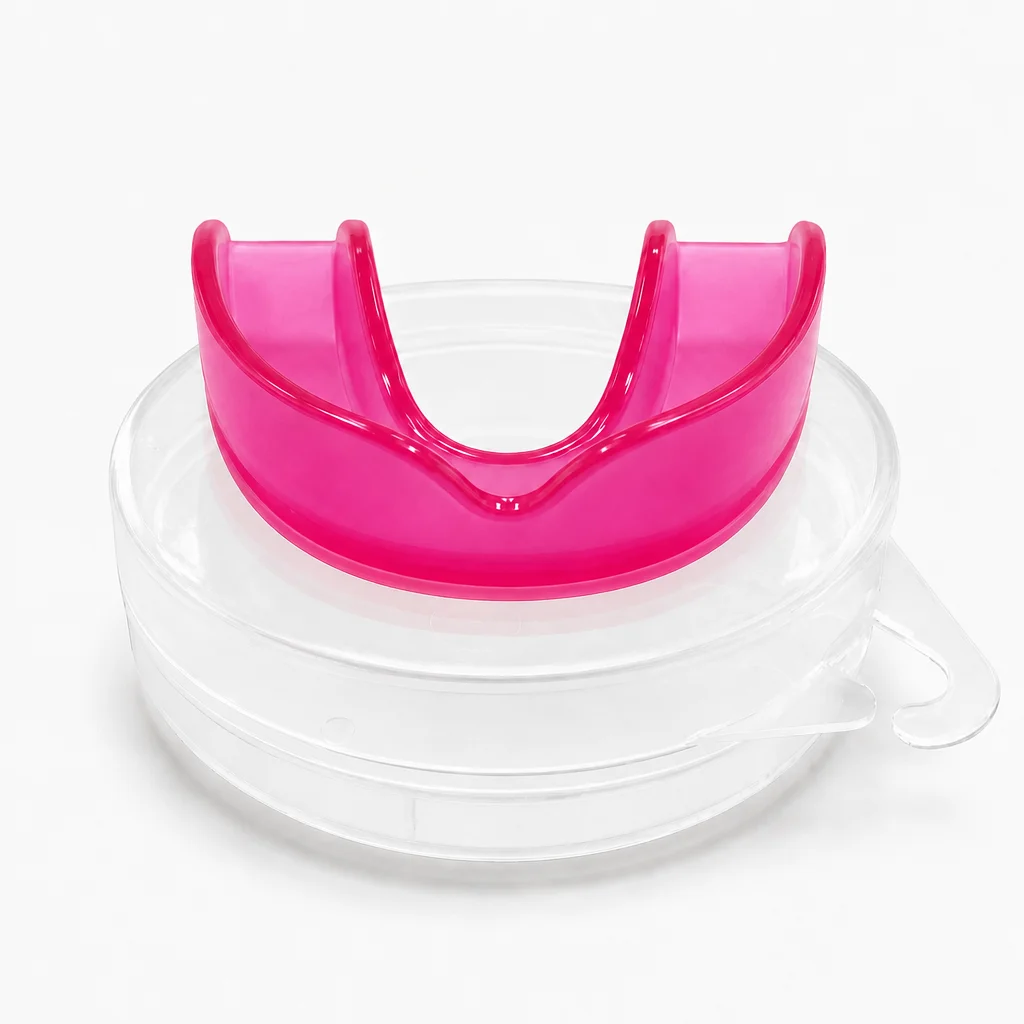
Bruxism is the habit of clenching, grinding, or pressing the teeth together, often during sleep. The American Dental Association notes that people may grind their teeth without realizing it and that a dentist may recommend a guard to protect teeth at night. An anti teeth grinding guard creates a physical barrier between upper and lower teeth, so the teeth do not directly rub against each other in the same way.
That distinction matters. A night guard may help protect tooth surfaces from the effects of grinding, but it does not automatically remove stress, resolve a bite concern, treat sleep problems, or guarantee pain relief. If grinding is regular, painful, or linked with damaged teeth, a dental evaluation is the sensible first step. A good anti teeth grinding plan combines appropriate protection with attention to the underlying trigger.
Why fit matters more than a generic promise
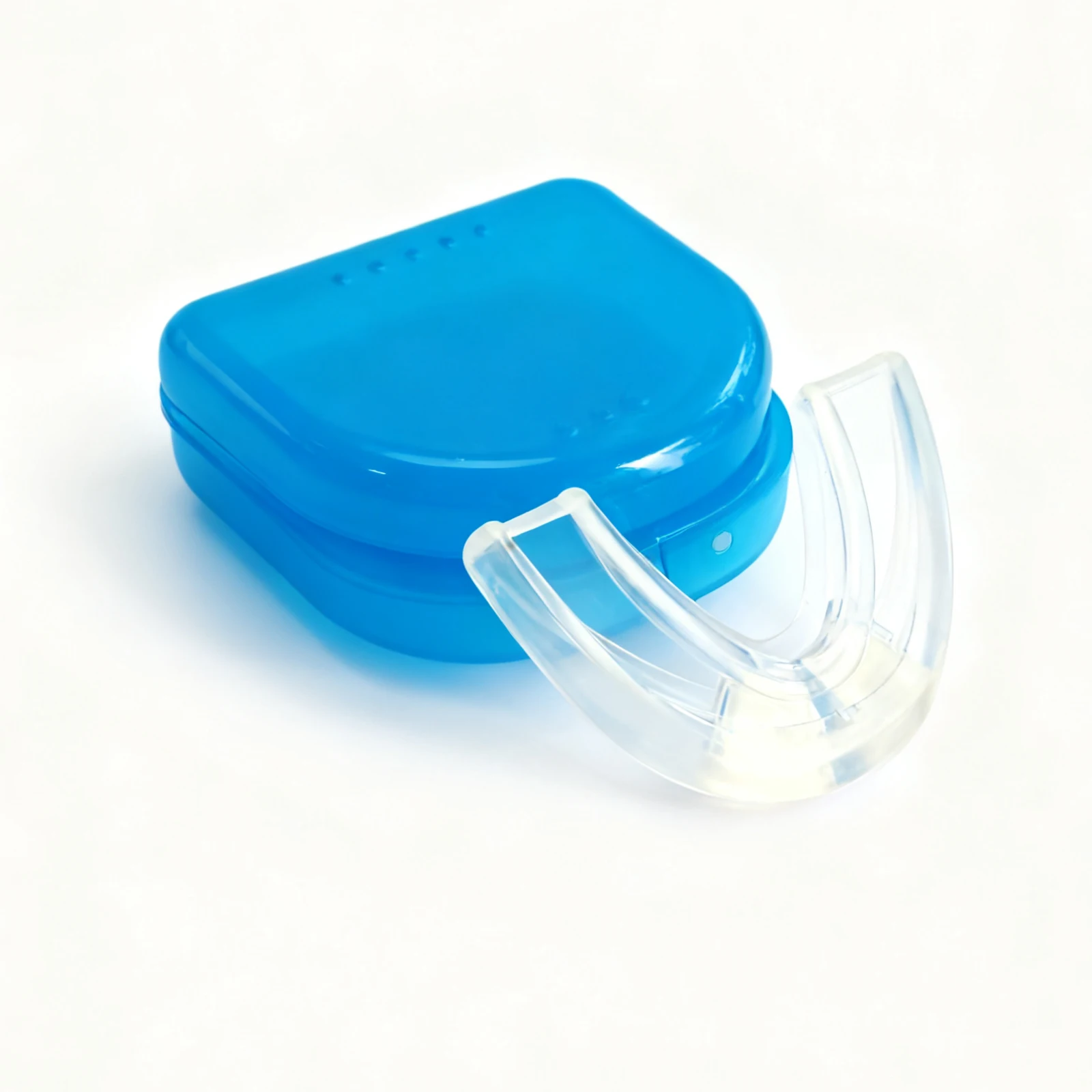
Comfort affects whether a person will actually wear a guard consistently. A guard that feels loose may shift during sleep; one that feels bulky may encourage the wearer to remove it. For an anti teeth grinding product, fit should be assessed through the intended arch, coverage, edge finish, retention, and the wearer’s tolerance—not through a claim that one design suits everyone.
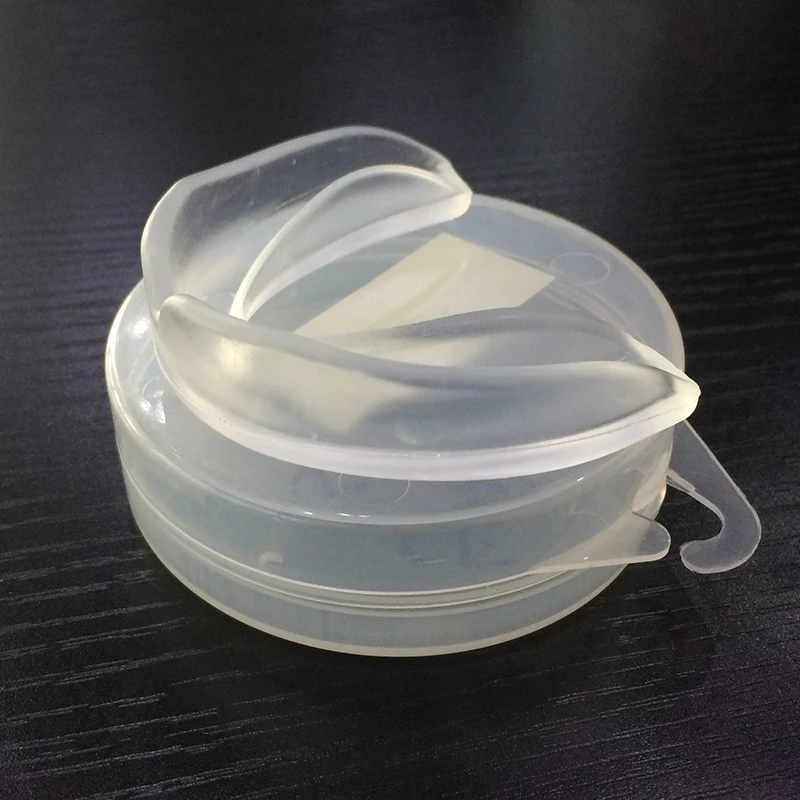
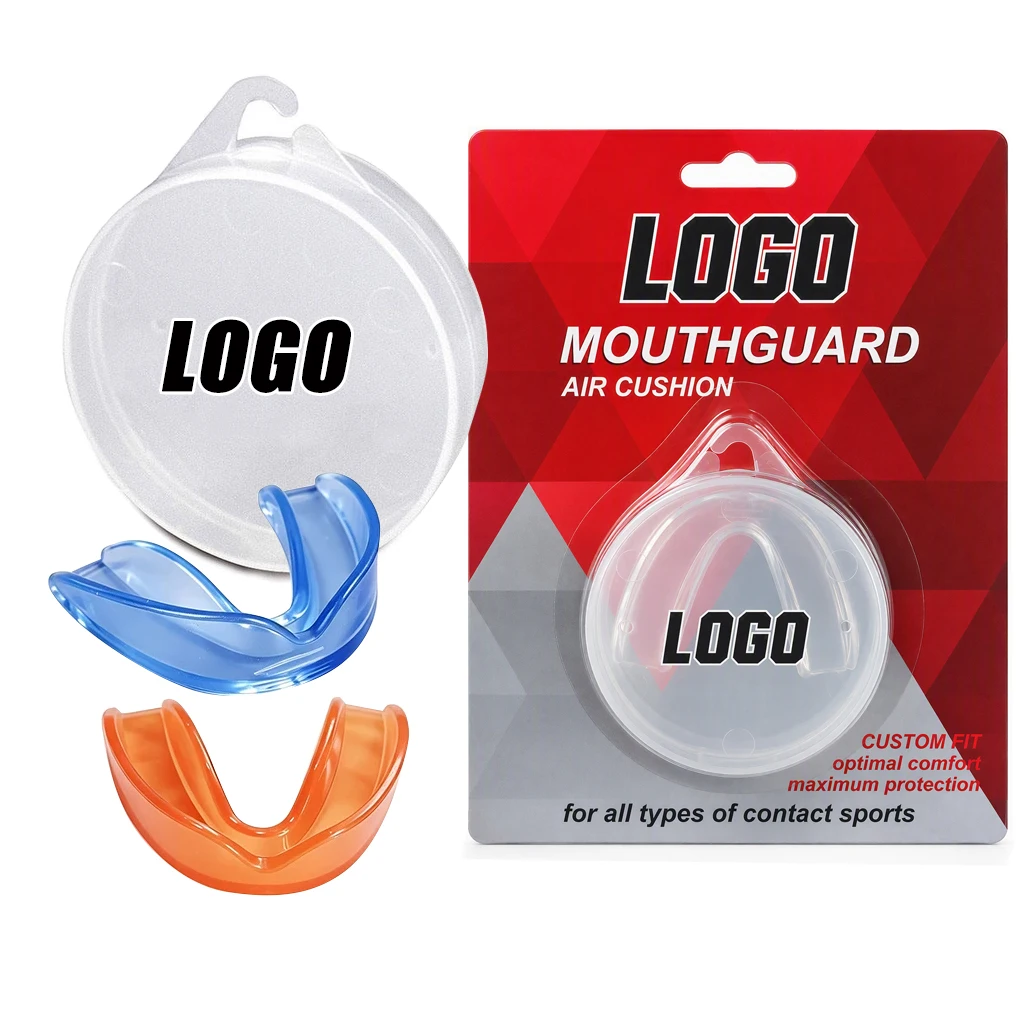
Custom dental appliances are made from a dental impression or scan under professional guidance. Ready-to-fit and boil-and-bite formats can serve different retail needs, but their fit and use instructions should be described honestly. A sports mouth guard is also not automatically the right choice for sleep: its impact-cushioning design can feel too bulky for a person seeking an anti teeth grinding option overnight.
A quick comfort check
- Does the guard stay in place without repeated repositioning?
- Are the edges smooth against the gums, cheeks, and tongue?
- Can the wearer close the lips comfortably and breathe normally?
- Does the material and thickness match the intended use and professional recommendation?
- Is there a clear instruction to stop use and seek dental advice if discomfort, damage, or symptoms worsen?
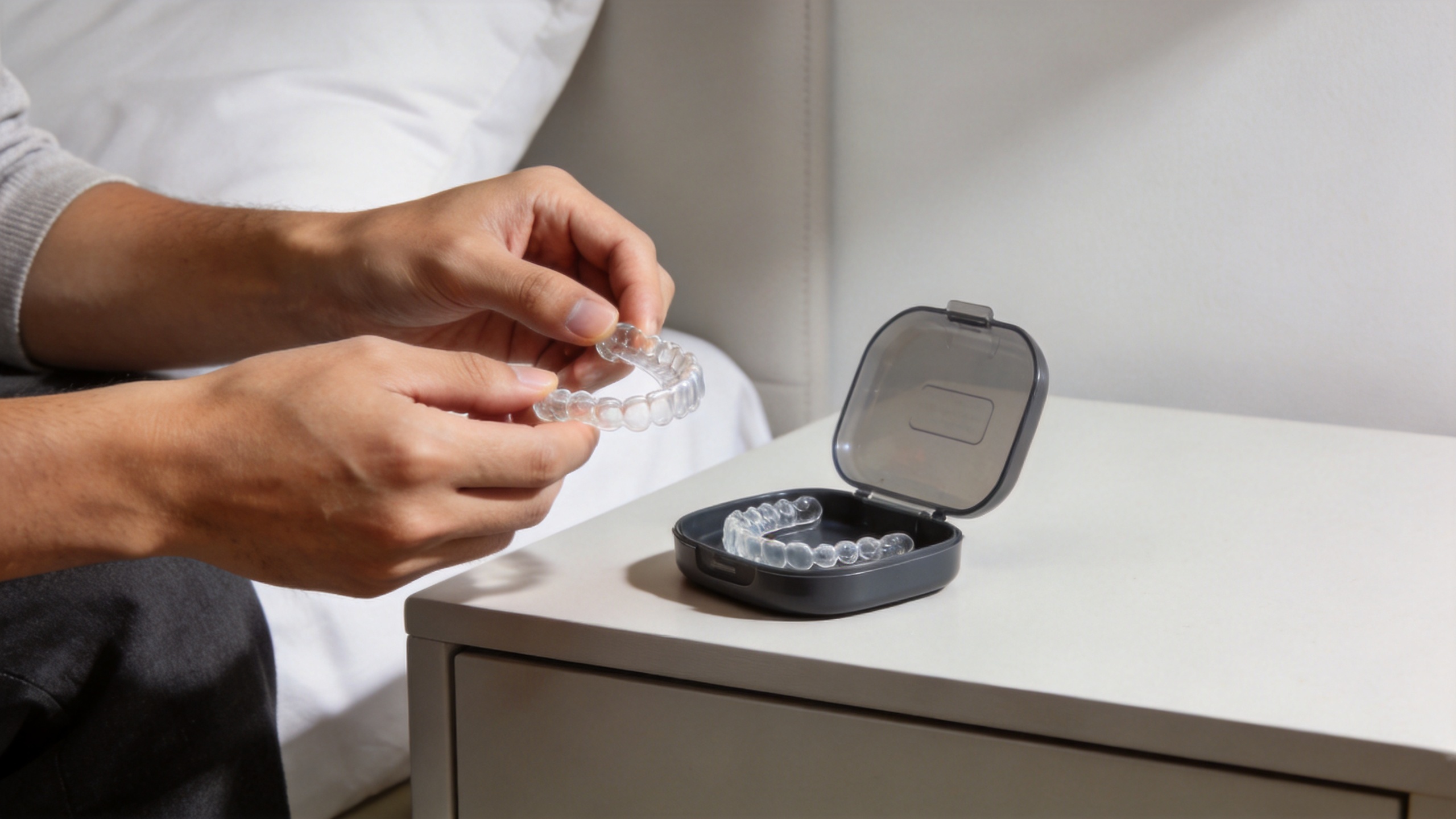
Choosing a night guard for the intended user
“Night guard” is a broad term. A buyer evaluating an anti teeth grinding range should separate three needs: clinically guided custom appliances, consumer-fit sleep guards, and protective mouth guards made for sports. Each has a different user expectation, packaging need, and communication standard.
| Buyer question | What to clarify | Why it supports sleep comfort |
|---|---|---|
| Who will use it? | Adult retail user, dental practice, pharmacy, or e-commerce customer | Audience determines fit guidance and labeling needs. |
| How is it fitted? | Custom, boil-and-bite, or other manufacturer-specified process | Clear expectations reduce avoidable dissatisfaction. |
| What material information is available? | Material type, care instructions, and any verified compliance documentation | Transparent information supports an informed choice. |
| What problem needs escalation? | Pain, persistent headaches, broken teeth, jaw locking, or sleep concerns | A guard should not delay professional assessment. |
For wholesale teams, factory price should be compared alongside sampling, packaging, minimum order requirements, customization workflow, and documentation. The lowest unit quote can be misleading if the format does not match the target channel. An anti teeth grinding product needs instructions that customers can understand and a quality process that buyers can review.
How to use an anti teeth grinding guard responsibly
Start with the fitting and care instructions supplied for the exact product. Before wearing an anti teeth grinding guard overnight, check that it is clean, intact, and seated as directed. Use a dedicated case after cleaning so it is protected from heat, pets, and accidental damage. Avoid reshaping or trimming a guard unless the product guidance or a dental professional specifically supports it.
Routine cleaning should be gentle. Rinse after use, use the cleaning method recommended for the material, and allow the guard to dry before storage. Very hot water can distort some thermoplastic products. A cracked, sharply edged, badly distorted, or persistently uncomfortable anti teeth grinding guard should be reviewed rather than forced into service.
When a night guard is not enough
A night guard can be a protective tool, not a complete answer. Seek dental advice if there is persistent jaw pain, facial pain, headaches, tooth sensitivity, a broken restoration, visible tooth wear, difficulty opening the mouth, or a noticeable change in the way the teeth meet. These signs call for professional assessment, especially when they continue despite an anti teeth grinding routine.
It is also worth discussing sleep quality with an appropriate clinician if snoring, breathing interruptions, daytime sleepiness, or other sleep concerns are present. Do not present an anti teeth grinding guard as a treatment for sleep apnea or another medical condition unless a qualified clinician has prescribed a specific appliance for that purpose.
A practical buying checklist for retailers and distributors
- Define whether the range is for dentist-guided use, consumer retail, or a specific channel.
- Request accurate material, fitting, cleaning, and storage information for every anti teeth grinding SKU.
- Review samples for edge finish, retention approach, packaging clarity, and intended-user comfort.
- Keep marketing language measured: describe tooth protection and comfort features without guaranteeing relief or treatment.
- Compare factory price with order quantities, customization options, quality checks, and fulfillment needs.
- Include a clear prompt for customers to seek dental advice when symptoms are persistent or severe.
Frequently asked questions
Can an anti teeth grinding guard stop bruxism?
An anti teeth grinding guard is generally used to help protect teeth from the effects of clenching or grinding. It does not by itself diagnose or address every cause of bruxism. A dentist can help determine the appropriate next step for persistent symptoms.
Is every night guard suitable for sleep?
No. A night guard for sleep-related grinding has a different purpose from an impact-focused sports mouth guard. Follow the intended-use instructions and ask a dental professional when you are unsure.
How can buyers evaluate anti teeth grinding products?
Evaluate intended use, fit process, material information, care guidance, edge finish, packaging, and the supplier’s ability to provide consistent specifications. For an anti teeth grinding program, transparent documentation and responsible claims are as important as price.
The bottom line
A high-quality anti teeth grinding approach starts with realistic expectations: a suitable guard may protect teeth during sleep, but comfort, fit, care, and dental guidance determine whether it is appropriate. For buyers, a suitable anti teeth grinding selection balances product clarity, user comfort, and dependable sourcing—not exaggerated promises.


 Hot News
