 EN



High-Quality Bulk Adjustable Mouth Guard For Snoring At Competitive Factory Prices
For a wholesaler, pharmacy buyer, clinic channel, or online seller, sourcing an adjustable mouth guard for snoring is not simply a matter of finding the lowest unit quote. The product sits close to a health-related conversation, so the useful purchasing work starts with a clear boundary: a supplier can help define product specifications and presentation, while an individual’s snoring concerns should be assessed by an appropriate healthcare professional. That distinction protects both the buyer and the end user.
This article is a procurement guide, not medical advice. It explains how a buyer can compare an adjustable oral appliance concept, ask better factory questions, and prepare OEM/ODM information without turning general product copy into a promise of a health result.
Start with the product category, not a marketing claim
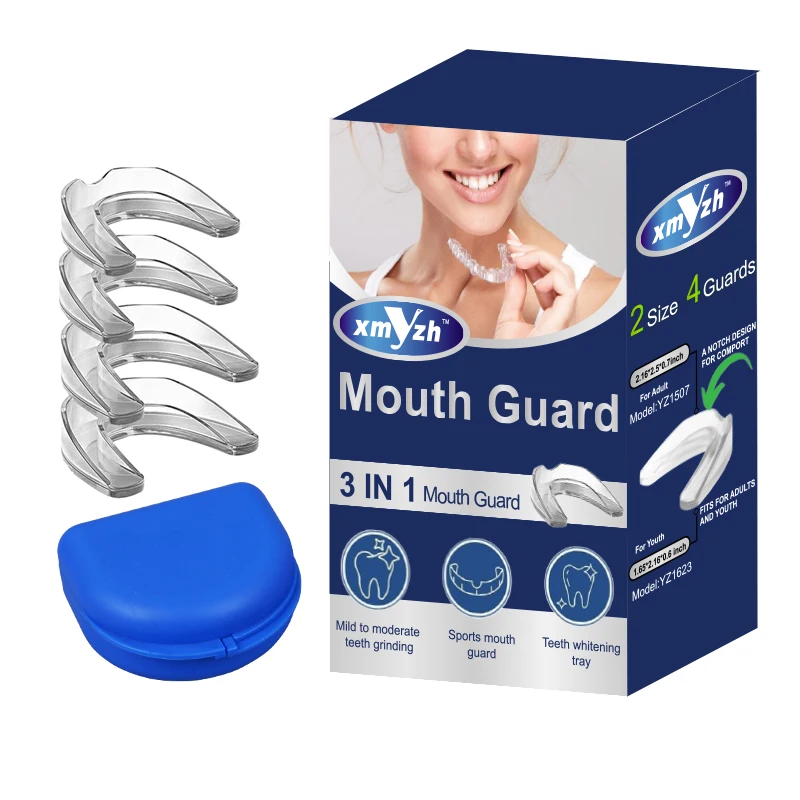
People use overlapping labels such as anti-snoring mouthpiece, mandibular advancement device, sleep aid, and night guard. They are not interchangeable. An adjustable mouth guard for snoring is generally discussed as an oral appliance concept that may position the lower jaw differently during sleep; other products may be intended to hold the tongue or protect teeth. A buyer should therefore describe the intended category and intended market before comparing factories.
The most important first question is not “Will it work for everyone?” It is “What product information can the supplier document, and what use claims are appropriate in the target channel?” Professional guidance on oral-appliance therapy also emphasizes that snoring can be associated with obstructive sleep apnea. Product sourcing content should not be used to diagnose, rule out, or treat that condition.
Why adjustable design needs a better supplier brief
Adjustability can be meaningful to buyers because it changes the product story, instructions, packaging, and customer-support expectations. Yet “adjustable” should not be treated as a free-standing quality claim. Before requesting pricing for an adjustable mouth guard for snoring, define what the term means in the design brief: the adjustment mechanism, available positions or increments if applicable, fitting method, user instructions, cleaning guidance, and the limits of the product statement.
At the quotation stage, ask the factory to separate confirmed specifications from options still under development. This is especially important when comparing OEM/ODM proposals. A reusable request sheet can include:
- Intended sales channel and country or region;
- Product form, fitting approach, and adjustment description;
- Material declaration and any available safety or compliance documentation;
- Packaging configuration, instructions for use, and language requirements;
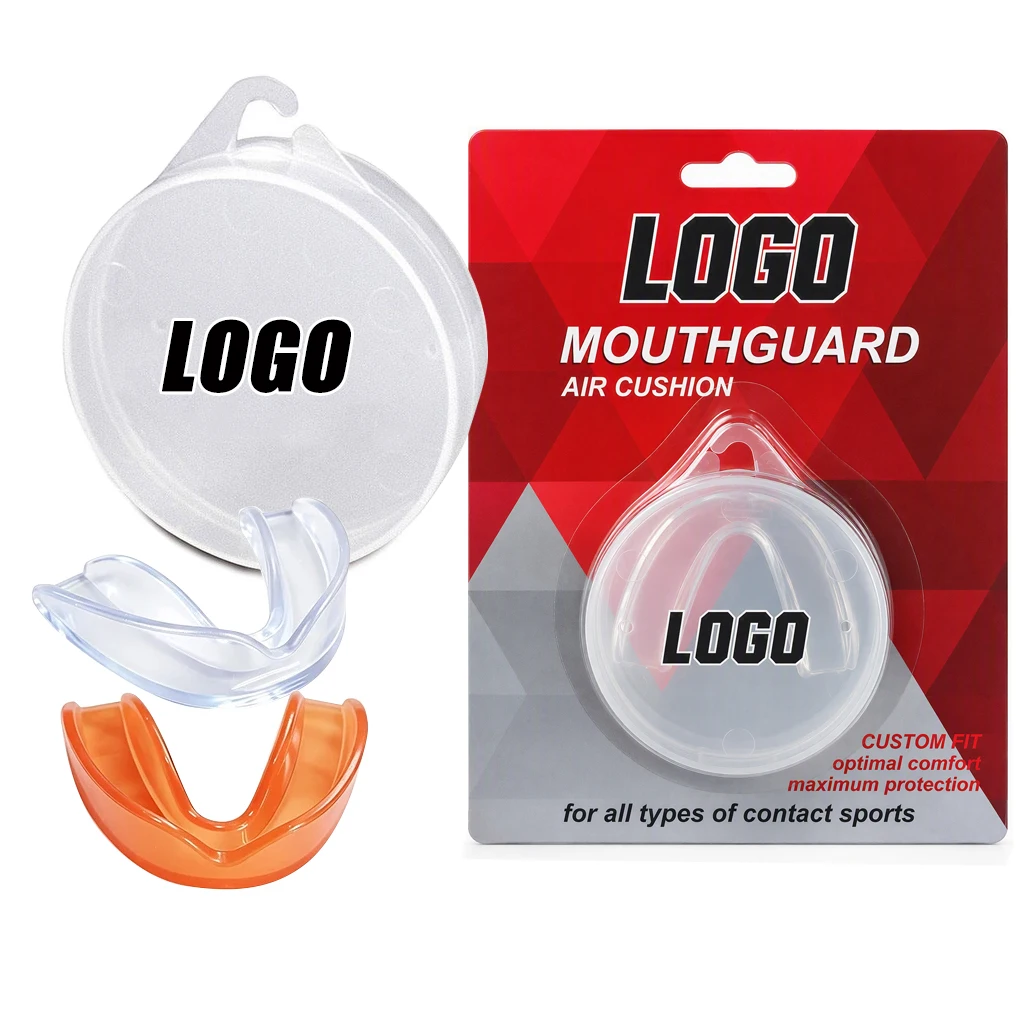
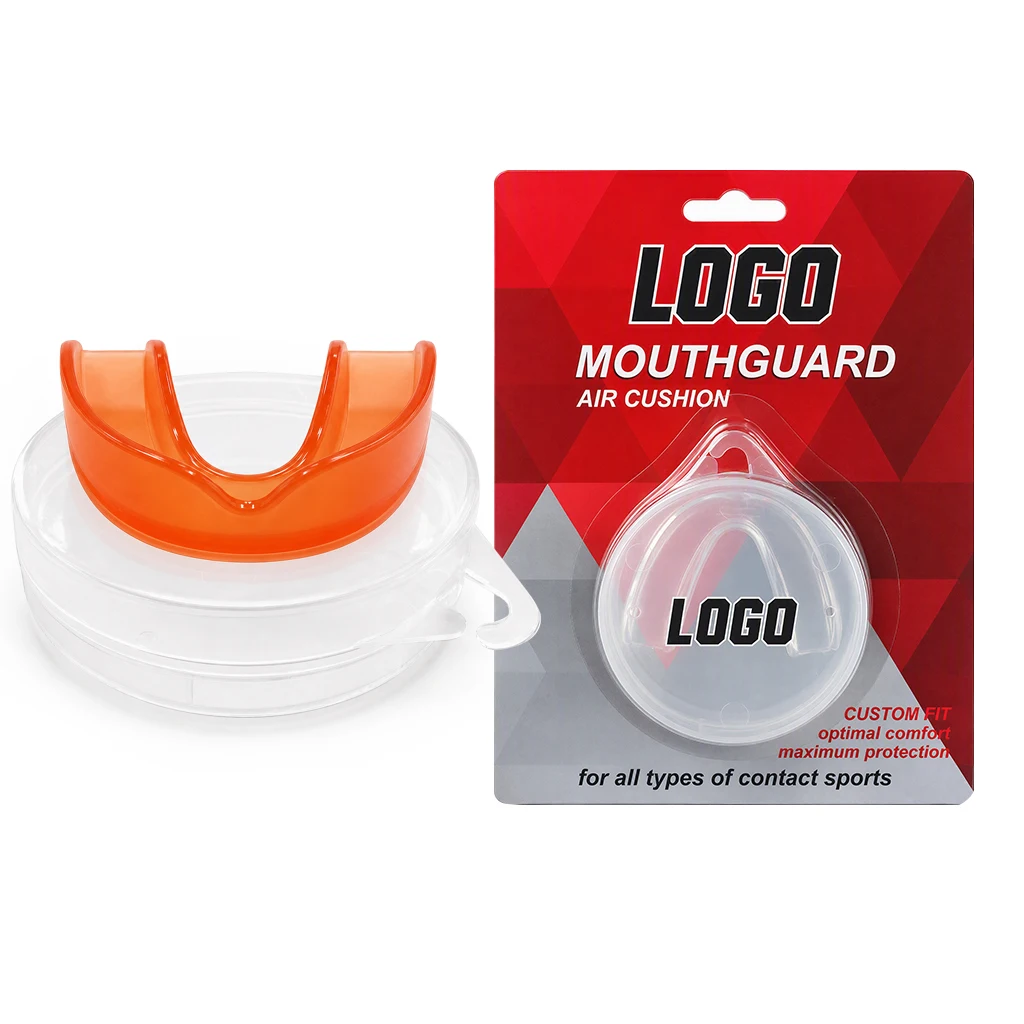
- Private-label artwork, logo placement, and carton needs;
- Sampling, minimum order quantity, lead-time, and quality-inspection questions;
- Claims that must be avoided until the buyer has suitable substantiation.
That checklist turns a vague request for a “high-quality” sleep aid into an auditable sourcing conversation. It also makes quotations easier to compare because each factory is responding to the same scope.
Compare factory prices on a like-for-like basis
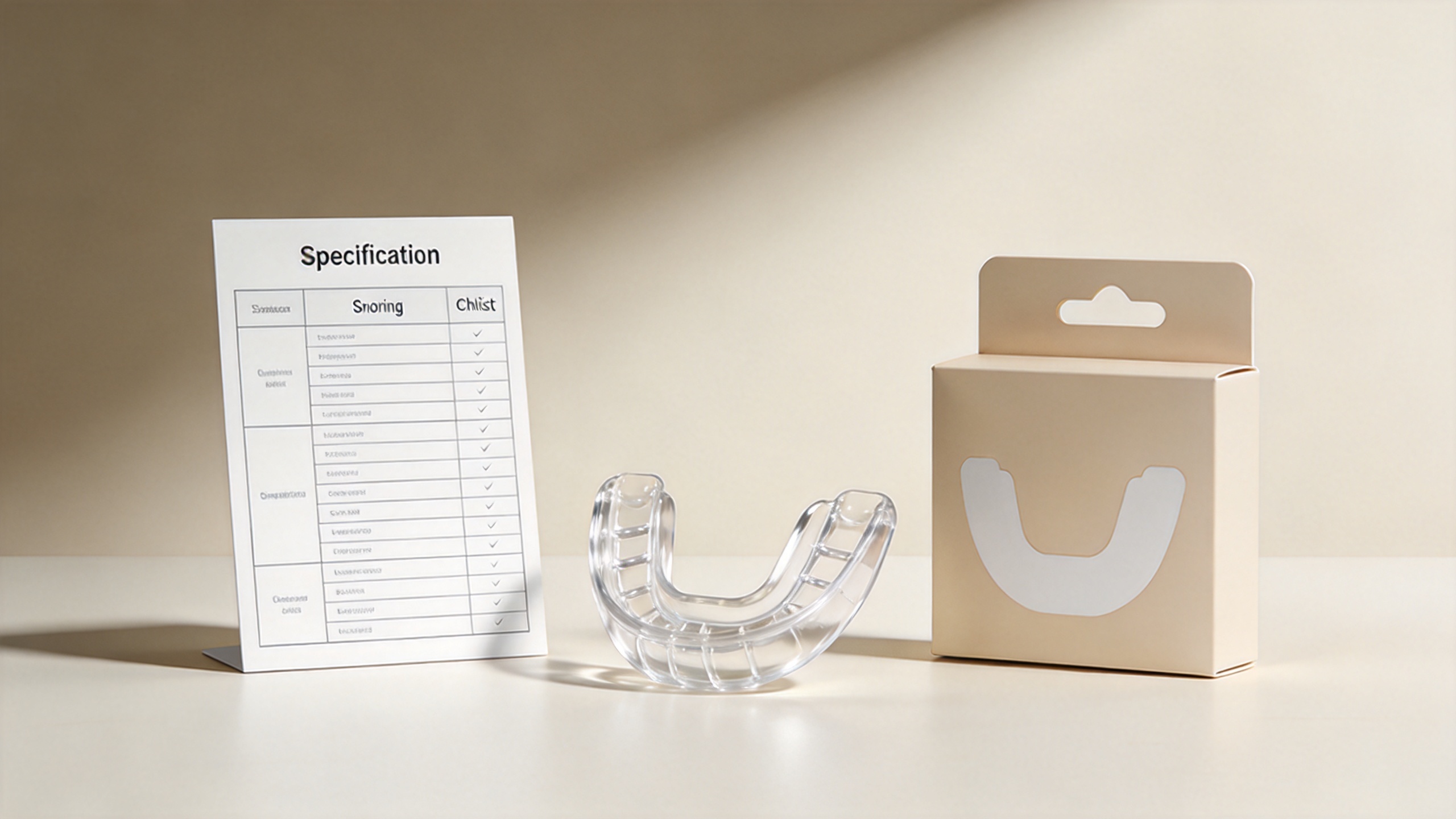
Competitive factory prices only have meaning when the underlying package is comparable. A lower unit figure may reflect a different material declaration, mold status, adjustment design, packaging level, inspection plan, or artwork service. For an adjustable mouth guard for snoring, a better comparison asks what is included before it asks which number is smallest.
| Comparison area | What a buyer should clarify | Why it matters |
|---|---|---|
| Product definition | Fitting method, adjustment description, and supplied components | Prevents two unlike designs from being priced as if they were identical. |
| Documentation | Material information, instructions, labeling, and applicable market requirements | Supports a consistent channel listing and avoids unsupported wording. |
| Branding | Logo method, color limits, artwork approval, and packaging files | Defines the real scope of OEM/ODM work. |
| Quality process | Sample approval, inspection points, and defect-handling expectations | Moves “quality” from a slogan to a reviewable process. |
| Commercial terms | MOQ, tooling, lead time, shipping basis, and payment milestones | Shows the total operational cost, not only the headline price. |
In other words, a buyer should compare total work required to launch a compliant, clearly described product. This approach is more useful than assuming that every factory quote refers to the same product configuration.
Questions to ask before selecting an OEM/ODM partner
When discussing OEM/ODM, use questions that invite evidence instead of broad assurances. Ask whether the factory can provide a current product specification sheet, a sample workflow, packaging artwork requirements, and a clear list of documents it can supply for the planned market. If a claimed feature or compliance point cannot be supported, keep it out of the listing until it can be verified.
It is also wise to ask how the supplier distinguishes a product-description request from a clinical claim. A responsible answer should acknowledge that an adjustable mouth guard for snoring is a consumer product category requiring careful information management, not a substitute for medical screening or individualized advice. A supplier’s role is to provide accurate product data; the buyer’s role is to ensure that marketing and channel claims are properly reviewed.
Build a channel-ready information pack
For wholesalers and ecommerce teams, the handoff after sampling often creates more friction than the sample itself. Build a simple information pack containing approved product name, adjustment explanation, material information, care instructions, package contents, warnings, images, and a version-controlled claims list. This gives sales, support, and marketplace teams the same reference point.
Use plain language in consumer-facing copy. For example, describe the adjustable mouth guard for snoring as a product category with a stated fitting and adjustment approach, rather than promising it will solve a sleep concern. Encourage users with persistent snoring, breathing pauses, pain, dental concerns, or uncertainty to seek professional guidance. That is clearer for the reader and safer for the brand.
A practical quotation request
When you approach a manufacturer, provide your target market, expected order range, desired packaging, branding artwork status, and documentation questions in one message. Ask for a quotation broken down by sample, tooling where relevant, product, packaging, and shipping terms. Then request a sample review before committing to a production specification. This sequence helps buyers evaluate an adjustable mouth guard for snoring on fit-for-channel information rather than headline pricing alone.
Xiamen Yizhou Imp. & Exp. Co., Ltd. serves B2B audiences including wholesalers, ecommerce platforms, clinics, and pharmacies. For a sourcing discussion, share the intended channel and the information you need verified. The next productive step is a specification-led inquiry, not an unsupported performance promise.
Final checklist for bulk buyers
- Define the product category and target market before requesting a quote.
- Specify what “adjustable” means for the proposed design.
- Compare pricing only after aligning product, packaging, documentation, and inspection scope.
- Keep OEM/ODM requests tied to approved artwork and verifiable product information.
- Separate sourcing guidance from medical or diagnostic claims.
A well-prepared brief gives you a more reliable basis for evaluating quality, factory communication, and commercial terms. It also helps your team present the product responsibly once it reaches the market.

 Hot News
