 EN



High-Quality Silicone Dental Guard For Bruxism Relief And Sleep Comfort
Waking with a tight jaw, tired facial muscles, or a partner who hears grinding can make bedtime feel less restful than it should. A silicone dental guard is often considered when someone wants a softer barrier between the upper and lower teeth during sleep. It can be a practical item to discuss with a dentist, especially when clenching or grinding is suspected, but it is not a substitute for finding out why those symptoms are happening.
From an oral-product selection perspective, the useful question is not simply “Which guard is softest?” It is whether the guard’s intended use, fit, material information, and care instructions suit the wearer’s situation. The American Dental Association’s consumer guidance notes that a dentist may recommend a night guard to help protect teeth while a person sleeps. That framing matters: a guard may help protect tooth surfaces, while persistent pain, cracked teeth, headaches, or changes in the bite still deserve professional attention.
What a silicone dental guard is designed to do
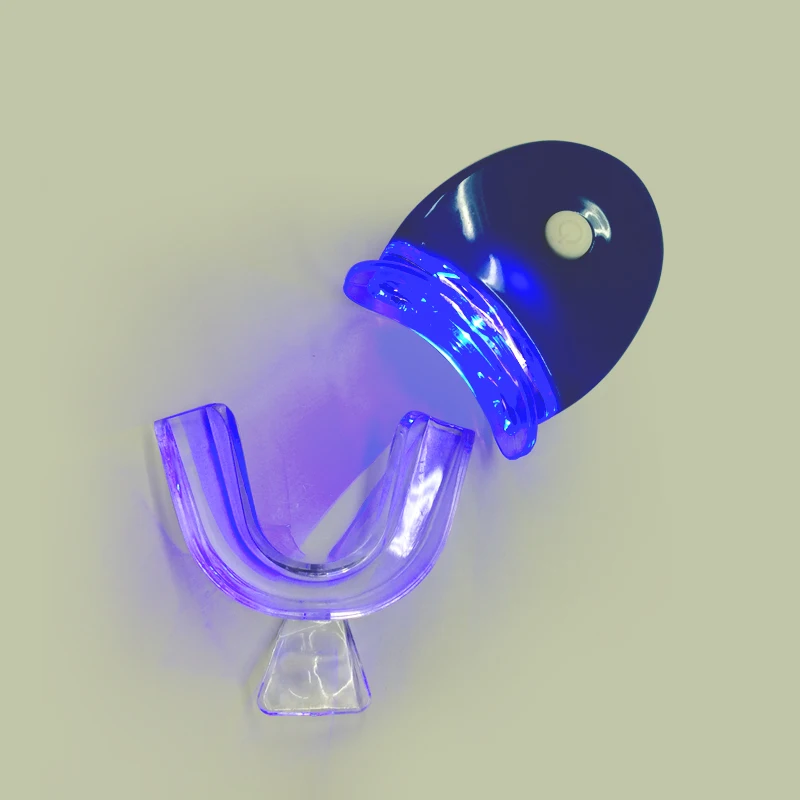
A silicone dental guard is a flexible oral appliance intended to sit between the teeth. In a nighttime setting, the barrier can reduce direct tooth-to-tooth contact. People sometimes use “night guard,” “mouth guard,” and “occlusal guard” interchangeably, yet the details matter. A sports protector, a whitening tray, and a device marketed for nighttime wear may have different purposes, construction, and fitting expectations.
For a person who grinds or clenches, a silicone dental guard may be part of a tooth-protection conversation. It should not be described as a cure for bruxism, a treatment for sleep disorders, or a universal answer to jaw pain. Bruxism can have several contributing factors, and a clinician can help decide whether an appliance is appropriate and whether another issue needs attention.
Why comfortable fit matters at night
A comfortable fit is more than a pleasant extra. A guard that feels bulky, pinches the gums, slips, creates a sharp edge, or changes how the teeth meet may be hard to wear consistently. Comfort is also personal: a flexible material may feel gentler to one wearer, while another person may need a different design, thickness, or professionally adjusted option.
Before relying on a silicone dental guard, check the maker’s instructions for the intended use, fitting method, cleaning method, and replacement guidance. If the product is boil-and-bite, follow its directions exactly rather than improvising. If it is custom made, follow the dental provider’s instructions for insertion and follow-up. Neither route should involve forcing an appliance into place.
A simple fit check
- The silicone dental guard should seat without painful pressure or a need to bite down constantly to hold it in place.
- It should not have rough, torn, or sharp areas against the tongue, cheeks, or gums.
- It should stay in position through relaxed mouth movements without excessive rocking.
- A comfortable fit should not mean ignoring a noticeably altered bite, new soreness, or trouble breathing.
- If it no longer fits after dental work, orthodontic changes, or damage, stop using it until you have appropriate advice.
Choosing a silicone dental guard with realistic expectations
“High quality” should mean that the available product information is clear, not that the copy makes sweeping promises. When comparing a silicone dental guard, start with what can be confirmed: who it is intended for, whether it is for nighttime use, how it is fitted, the cleaning instructions, and any warnings or limitations. If those basics are vague, comfort claims are difficult to evaluate.
A helpful way to compare options is to move from product name to use goal. Are you trying to create a barrier during suspected nighttime grinding? Are you looking for a temporary option while arranging a dental visit? Or are you replacing a guard that has worn out? Each goal leads to different questions. A silicone dental guard is not automatically interchangeable with every other oral appliance simply because the material is soft.
| Question to ask | Why it helps |
|---|---|
| What nighttime use is this guard designed for? | Clarifies that the item is being considered for the correct purpose. |
| How is the silicone dental guard fitted? | Fit affects retention, comfort, and whether the instructions can be followed safely. |
| What care instructions are supplied? | Clear cleaning and storage guidance supports hygienic, repeatable use. |
| What should prompt discontinuation? | Warnings about pain, damage, poor fit, or bite changes set sensible boundaries. |
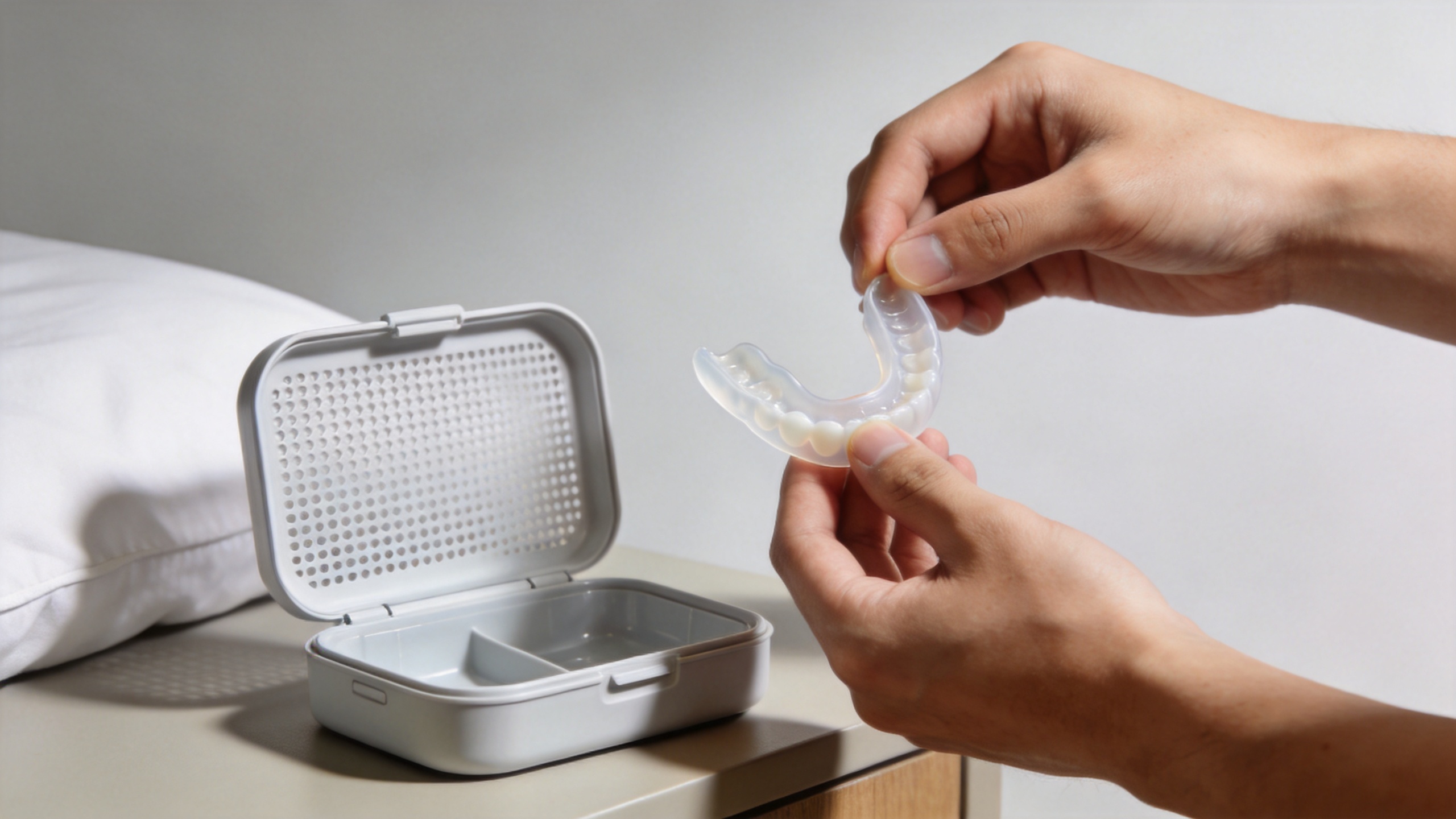
Night guard care that supports sleep comfort
Care is one of the easiest parts of the routine to overlook. A silicone dental guard should be cleaned and stored according to its specific instructions, rather than with harsh products that the manufacturer does not recommend. Rinse it after use if the instructions allow, clean it as directed, let it dry appropriately, and keep it in the supplied ventilated case when it is not being worn.
Inspect a silicone dental guard regularly under good light. Changes such as tears, deep bite marks, persistent odor after proper cleaning, rough edges, or distortion can mean it is time to seek replacement advice. Do not try to repair a damaged guard with household adhesives. A damaged appliance may no longer provide a comfortable fit and could irritate oral tissues.
When to consult a dental professional
It is sensible to arrange a dental assessment if you have ongoing jaw pain, tooth sensitivity, chipped or cracked teeth, gum irritation, frequent headaches, difficulty opening the mouth, or a guard that repeatedly becomes uncomfortable. These signs do not diagnose a condition on their own, but they are good reasons not to rely on a generic silicone dental guard as the only next step.
A dentist can assess tooth wear, bite changes, oral tissues, existing restorations, and other factors that a product listing cannot evaluate. That individualized input is especially important if you have crowns, bridges, implants, orthodontic appliances, loose teeth, or a history of temporomandibular joint concerns. For some people, a professionally selected or adjusted night guard may be appropriate; for others, the priority may be investigating another source of discomfort.
Questions to keep beside your nightstand
- Is this silicone dental guard intended for my nighttime use case?
- Does it still have a comfortable fit, with no sharp edges, slipping, or new pressure points?
- Have I followed the fitting, cleaning, and storage instructions provided for this particular guard?
- Have I noticed pain, a change in my bite, visible tooth damage, or sleep-related symptoms that call for professional advice?
Used with clear expectations, a silicone dental guard can be a straightforward part of a nighttime tooth-protection routine. Choose based on purpose and verifiable instructions, prioritize a comfortable fit, and treat ongoing symptoms as information worth discussing with a dental professional. That approach keeps sleep comfort in view without making promises a simple appliance cannot support.




 Hot News
