 EN



High-Quality Teeth Mouthpiece For Bruxism Relief And Sleep Comfort
A teeth mouthpiece can sound like a simple purchase, yet the nighttime choice is more nuanced than picking the first guard that looks soft. People who wake with jaw tightness, notice grinding sounds, or want to protect teeth from clenching usually want two things: a comfortable fit and a clear sense of what a night guard can—and cannot—do. This guide explains the product questions worth asking before you make that choice. It is general product information, not a diagnosis or a substitute for advice from a dentist.
Start With the Purpose of a Teeth Mouthpiece
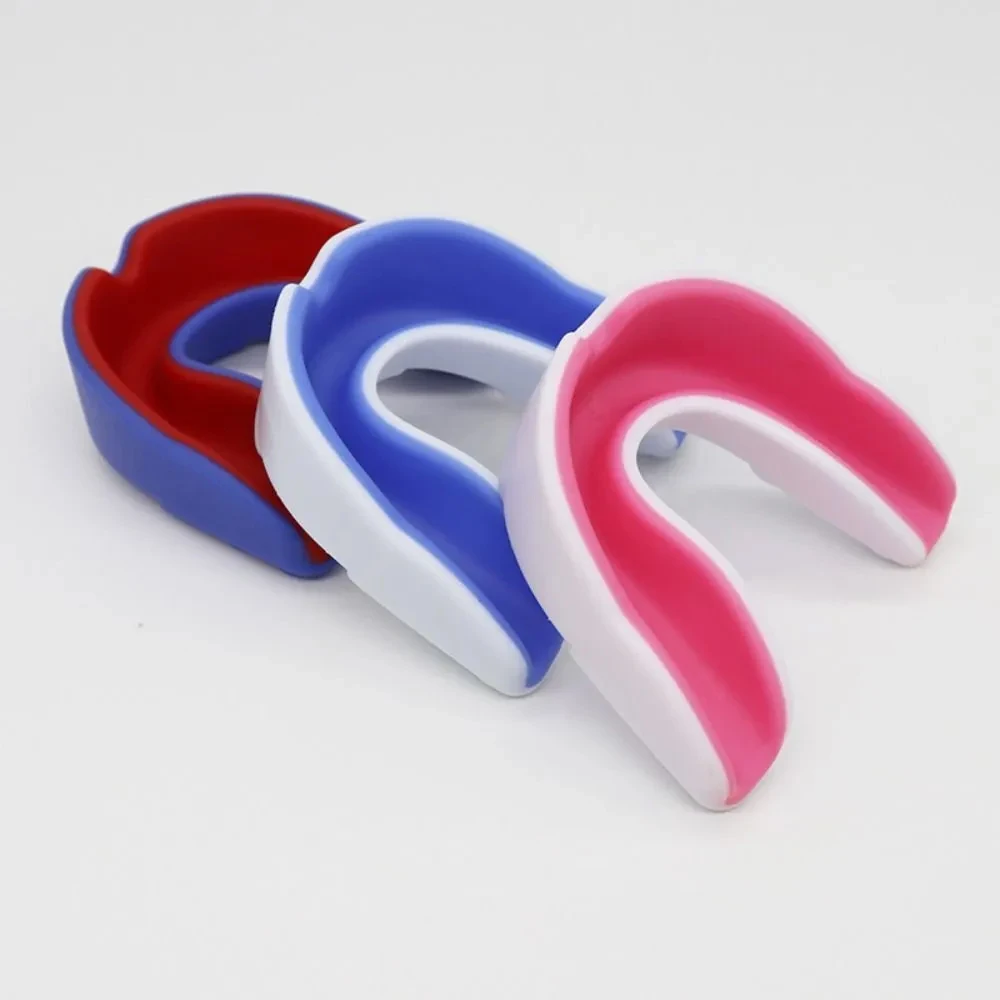
A teeth mouthpiece for sleep is different from a sports mouthguard. Both cover teeth, but they are made for different situations and should not be treated as interchangeable just because they look similar. A sleep-oriented guard is typically discussed as a barrier between upper and lower teeth during grinding or clenching. A sports guard is intended for impact protection. If your main concern is nighttime grinding, begin by looking at a night guard designed for that use rather than borrowing an athletic guard.
This distinction matters for comfort, too. A teeth mouthpiece that feels acceptable for a short practice may not feel right after several hours of sleep. The goal is not to promise that one product will solve every cause of bruxism. Instead, it is to identify the product category that matches your intended use and then evaluate fit, thickness, retention, and care instructions.
Why Comfortable Fit Is More Than a Nice Feature
A comfortable fit affects whether a teeth mouthpiece is likely to be worn consistently. A guard that shifts, feels overly bulky, pinches the gums, or creates pressure in one area can be distracting at bedtime. Fit is personal: tooth shape, bite, existing dental work, and sensitivity can all change what feels manageable. That is why a “one-size-fits-all” claim deserves a closer look.
When comparing a night guard, ask how the fit is created and what the instructions expect from you. Some options use a home-molding process, while others may involve impressions or professional assessment. The useful question is not simply “Is it comfortable?” but “What steps are provided to obtain and assess a comfortable fit?” Read the instructions before opening a product, and follow the stated molding, cooling, trimming, cleaning, and replacement guidance.
- Does the teeth mouthpiece stay in place when you gently close and open your mouth?
- Does it cover the intended teeth without pressing sharply on gum tissue?
- Can you breathe and relax your jaw without forcing the guard into position?
- Are you comparing products designed specifically as a night guard rather than for sports?
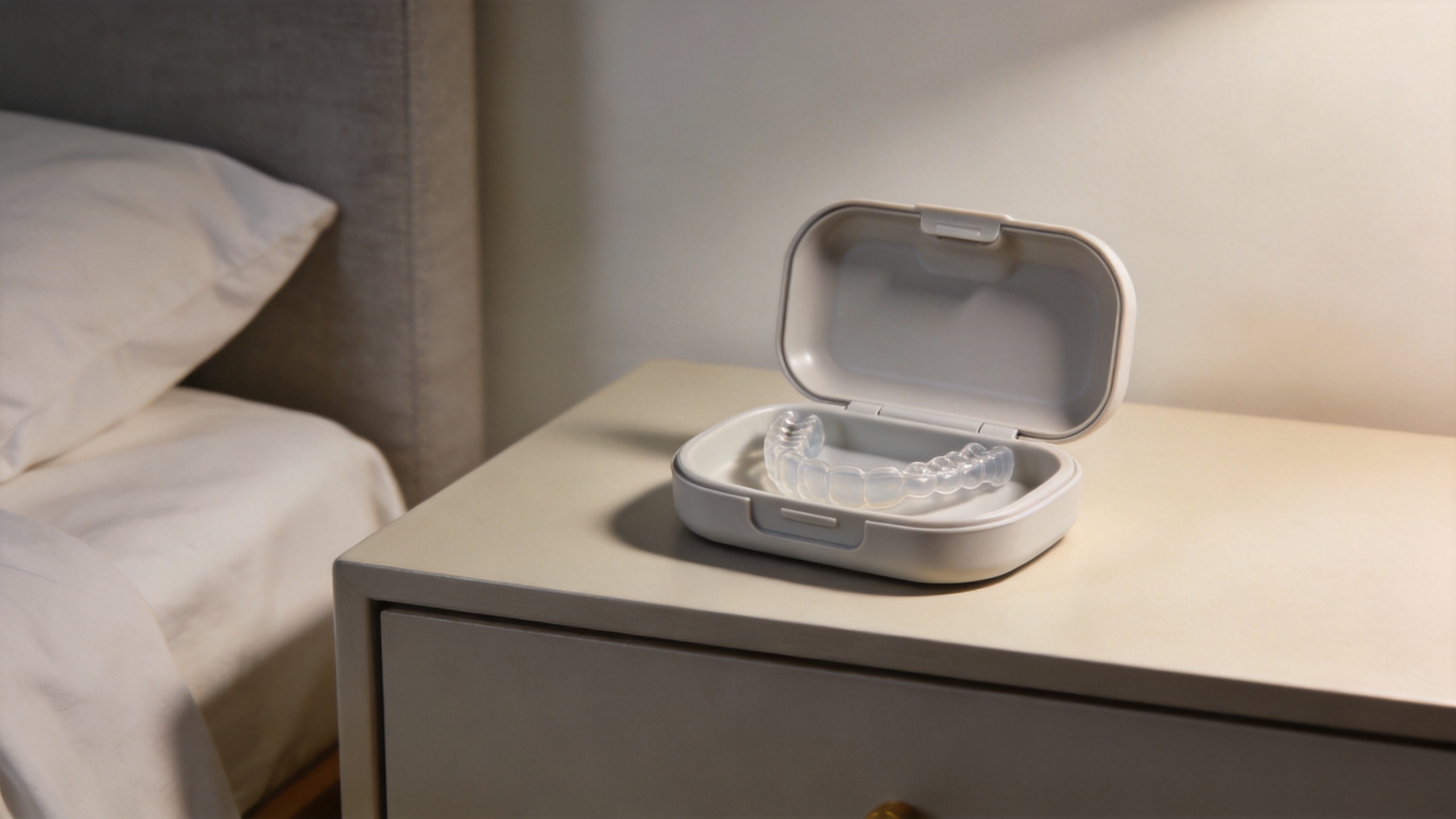
Understand What a Night Guard May Help You Discuss
Online results often describe a night guard as a physical layer between the upper and lower teeth. That description is useful, but it should not become a blanket health promise. A teeth mouthpiece does not tell you why you grind or clench, and it cannot replace an examination when symptoms are persistent or concerning. The American Dental Association’s consumer information and Cleveland Clinic’s general guidance both indicate that a dentist may recommend a night guard for teeth grinding; the right choice still depends on the individual situation.
Consider booking dental advice rather than relying only on general buying guides if you have cracked or loose teeth, marked wear, pain that does not settle, frequent morning headaches, jaw locking, a major bite change, or dental restorations you are concerned about. A dentist can help determine whether a teeth mouthpiece, a custom option, another approach, or further assessment is appropriate. That boundary is important: product information can support a conversation, but it should not replace professional judgment.
A Practical Fit-First Comparison Checklist
When you compare a teeth mouthpiece, keep the review focused on verifiable details instead of broad claims. A useful product page should make it easier to understand intended use and care, not just repeat words such as “premium” or “maximum comfort.” If you are buying for resale, a clinic, a pharmacy, or an e-commerce listing, the same discipline helps: keep sleep-use, sports-use, and whitening-tray information separate so customers are not misled.
| Question | Why it matters |
|---|---|
| What is the stated intended use? | It helps distinguish a sleep-oriented teeth mouthpiece from a sports mouthguard. |
| How is fit achieved? | Clear instructions help you judge whether the process supports a comfortable fit. |
| What care guidance is supplied? | Cleaning and storage guidance can support hygienic routine use. |
| When should use stop? | Responsible instructions should direct users to seek professional advice for pain, poor fit, or dental concerns. |
| What information is still unconfirmed? | It prevents marketing language from being mistaken for a clinical or performance guarantee. |
How to Introduce a Teeth Mouthpiece Gradually
Once you have selected a teeth mouthpiece appropriate for sleep use, do not ignore your first impressions. Follow the product instructions exactly. Before depending on it overnight, take a quiet moment to check whether it seats as intended and whether it causes obvious discomfort. If a new guard feels wrong, do not force yourself to “get used to” sharp pressure, rubbing, pain, or a major change in how your teeth meet.
For some people, the adjustment is mainly about getting used to having a night guard in the mouth. For others, the fit itself needs review. These are different issues. A comfortable fit should feel secure rather than aggressive; it should not require you to clench to keep the guard positioned. If you are uncertain, professional guidance is the safer next step.
Care Habits That Support a Better Experience
Daily care is part of evaluating a teeth mouthpiece, not an afterthought. Use the manufacturer’s cleaning directions, rinse or clean it as directed, and store it in the recommended container when dry. Avoid improvising with very hot water, harsh chemicals, or cleaning methods that the maker does not recommend, because these choices may affect shape or surface condition. Inspect your night guard regularly for visible wear, damage, or changes in fit.
It also helps to separate what you know from what you still need to confirm. You can confirm a product’s stated use, fit process, and care directions from its instructions. You should not infer a material specification, dental benefit, certification, or durability period that is not clearly documented. That small discipline leads to clearer buying decisions and more trustworthy product communication.
Choose Clarity Over Big Promises
A more informed teeth mouthpiece decision begins with the right question: are you looking for a sleep-focused night guard, a sports guard, or guidance from a dental professional about symptoms that deserve attention? From there, compare intended use, the pathway to a comfortable fit, clear care instructions, and the seller’s willingness to state product boundaries.
A teeth mouthpiece can be part of a thoughtful nighttime routine, but it is not a diagnosis or a universal remedy. If grinding, discomfort, tooth damage, or bite concerns are affecting you, bring those details to a dentist. With the intended use confirmed and fit evaluated carefully, you can make a more informed choice for sleep comfort.



 Hot News
