 EN



How Can Custom Orthodontic Mouth Guard Offer Better Comfort And Protection?
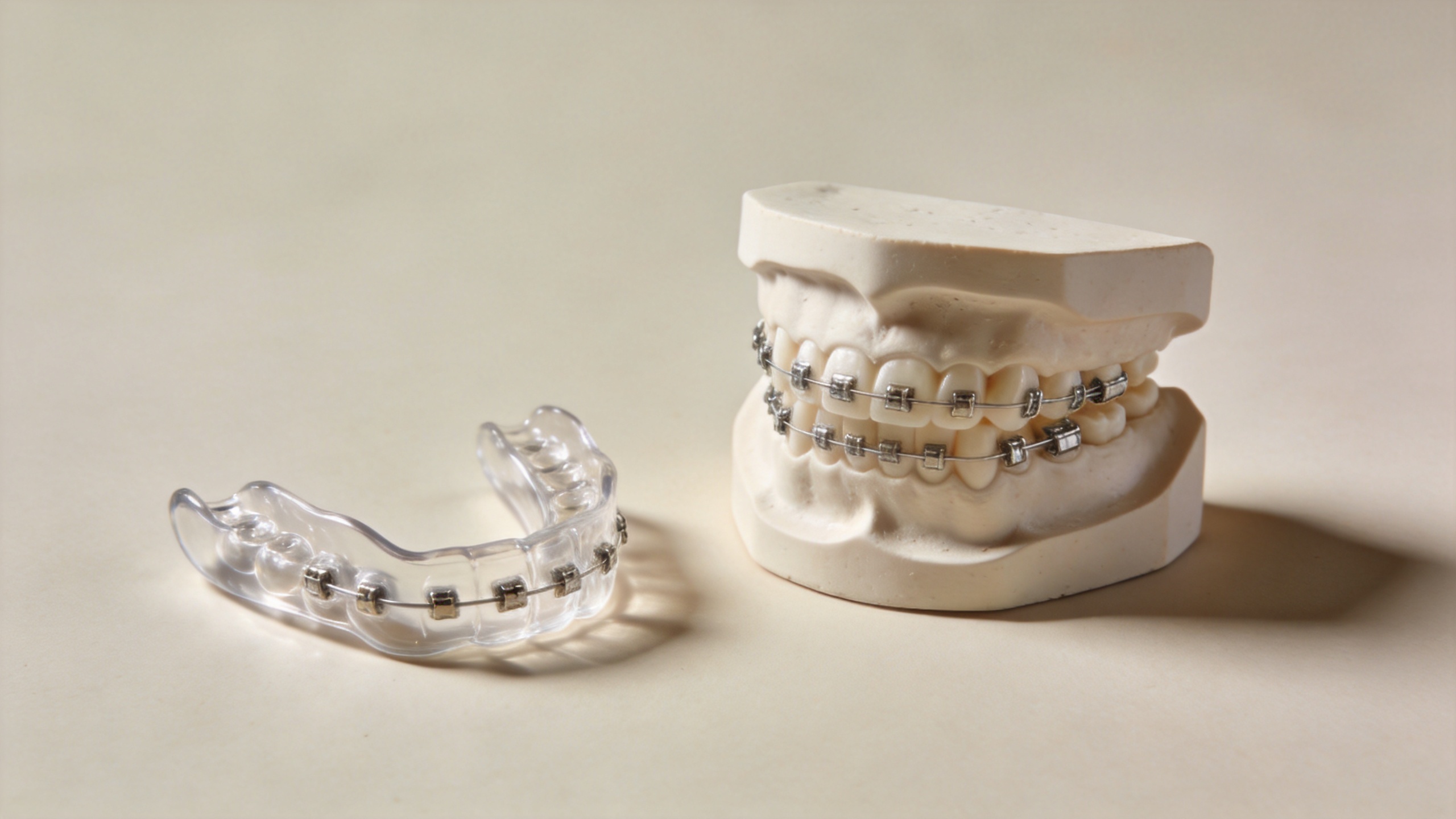
When brackets and wires are part of an athlete’s smile, a standard guard can feel like an awkward compromise. A custom orthodontic mouth guard is designed around the extra space and changing contours created by orthodontic treatment. That does not make every guard right for every person, but it does make fit, clearance, and follow-up more important than a one-size label. For parents, athletes, and dental-channel teams, the practical question is simple: can the guard cover the areas that need protection without pressing uncomfortably on braces?
From a dental-channel editorial viewpoint, it helps to separate general product information from an individual orthodontic recommendation. The American Association of Orthodontists notes that a well-fitted mouthguard can cover braces and retainers and help protect against potential dental trauma. The exact design, sport, treatment stage, and instructions from the treating orthodontist still matter.
Why Braces Change the Fit Question
Braces add edges, attachments, and moving parts to the mouth. During a fall, collision, or ball strike, a poorly sized guard may shift away from the areas it should cover. It can also rub against brackets or feel bulky enough that the athlete stops wearing it. An orthodontic mouth guard addresses a different fit problem from a general sports guard: it needs room for the appliance while remaining stable during activity.
Here is the important distinction. A guard does not need to clamp tightly against every tooth to be useful. For orthodontic use, controlled space and flexible coverage can be more helpful than a rigidly tight feel. As teeth move during treatment, that relationship may change. For this reason, a guard that was comfortable at the start of a season may deserve another check after an adjustment or a noticeable change in alignment.
Comfort Features That Encourage Consistent Wear
Comfort is not a cosmetic extra; it affects whether the athlete actually uses the guard. A custom orthodontic mouth guard can support better day-to-day wear when its shape avoids sharp pressure points, gives brackets adequate clearance, and does not interfere more than necessary with breathing or speech. These are comfort goals, not promises. A user should remove and inspect the guard if it causes pain, cuts, or persistent pressure.
- Appropriate appliance clearance: The inside shape should leave suitable room around brackets and wires rather than snagging on them.
- Even coverage: Coverage that stays in place is generally easier to manage than a guard that rides up or slips during drills.
- Smooth edges: Carefully finished edges can reduce irritation along the lips and cheeks.
- Room for treatment changes: A guard should be reviewed when orthodontic treatment changes the mouth’s contours.
“Dental grade” is often used in product discussions, but it is not a substitute for checking the actual product documentation, intended use, care instructions, and compatibility guidance. For a braces wearer, the orthodontist’s direction should take priority over a broad marketing phrase.
How Protection Works in a Braces-Friendly Design
Protection is about managing contact, not making an absolute guarantee that injury cannot occur. A mouthguard may help create a cushioning barrier between the lips, cheeks, teeth, and orthodontic hardware during sports contact. In a braces-specific context, that barrier can be especially relevant because wires and brackets may otherwise contact soft tissue during an impact.
The American Dental Association Council is cited in a National Institutes of Health review as recommending mouthguards to reduce the risk and severity of sports-related dental injuries. That guidance supports using appropriate protection for athletic activity; it does not replace the need for sport rules, helmets or face protection where required, and prompt dental or medical assessment after an injury.
What to Check Before Choosing a Custom Orthodontic Mouth Guard
Rather than choosing from appearance alone, use a short verification checklist. This makes it easier to compare an orthodontic option with a conventional guard without assuming that one construction works for everyone.
- Confirm the sport and contact level. Ask whether the guard is intended for the activity involved and whether league rules specify a particular type.
- Tell the provider about braces. Share whether brackets, wires, elastics, retainers, or other appliances are in place. This prevents a generic fitting conversation from overlooking clearance needs.
- Ask about the fitting process. Clarify whether the guard is made from current oral information and how fit is reassessed if treatment changes.
- Review care instructions. Cleaning, storage, heat exposure, and replacement guidance affect hygiene and shape retention.
- Plan a follow-up check. Have the wearer test speech, breathing, retention, and areas of rubbing before relying on the guard in competition.
For channel teams, product information should be equally clear about what has been verified and what needs professional confirmation. Mixing a sports guard with a night-time appliance or presenting general comfort language as clinical advice creates avoidable confusion. The same product name can conceal different intended uses, so use instructions and professional guidance should be easy to find.
When to Reassess the Guard
Reassessment is sensible after a wire change, a broken bracket, a significant alignment change, or damage to the guard itself. It is also worth checking after an impact. A torn, distorted, loose, or painful guard should not be treated as normal wear. Contact the orthodontic provider or dentist for guidance, particularly if an appliance has been damaged or there is tooth pain, bleeding, swelling, or a suspected injury.
For younger athletes, a parent or coach can make this routine simple: inspect the orthodontic mouth guard before the season, confirm that it is used in the relevant activity, and schedule a fit review when treatment changes. Small checks are usually easier than waiting until discomfort causes the guard to stay in a bag.
Conclusion: Fit Is Part of Protection
A custom orthodontic mouth guard can offer a more comfortable and protective option because it is considered in relation to braces, movement, and sport-specific use. A practical next step is not to rely on a label alone. Confirm the intended activity, review care information, check comfort after orthodontic changes, and ask the treating orthodontist which design is suitable for the individual athlete. That boundary-aware approach keeps the focus on consistent use and informed protection.
Frequently Asked Questions
Can a regular mouthguard be used with braces?
Some products are made to fit over braces, but compatibility depends on the appliance, fit, sport, and provider guidance. A braces wearer should confirm suitability with the treating orthodontist or dentist.
How often should an orthodontic mouth guard be checked?
Check it before a season and after treatment changes, damage, looseness, or discomfort. Ask the orthodontic provider when a new fit or replacement is appropriate.
Does a custom guard guarantee that sports injuries will not happen?
No. A mouthguard may help reduce certain dental injury risks, but it cannot guarantee prevention. Use all required protective equipment and seek professional care after an injury.

 Hot News
