 EN



How Can High-Quality Custom Mouthpiece Prevent Sleep Bruxism Damage?
Waking with a tired jaw, a chipped edge, or a partner who hears grinding can be unsettling. A custom mouthpiece is often discussed as a way to put a protective layer between upper and lower teeth during sleep. That distinction matters: it may help limit contact-related wear, but it does not diagnose sleep bruxism or guarantee that clenching and grinding will stop. For individual symptoms, a dentist or other qualified clinician is the right person to assess the cause and the appropriate next step.
From a dental-channel editorial perspective, the useful question is not simply “Which guard is strongest?” It is whether the device is intended for night use, fits predictably, stays comfortable enough to be worn, and is supported by clear care and replacement guidance. This article covers product-selection information; it is not personal medical advice.
Why a custom mouthpiece can help protect teeth at night
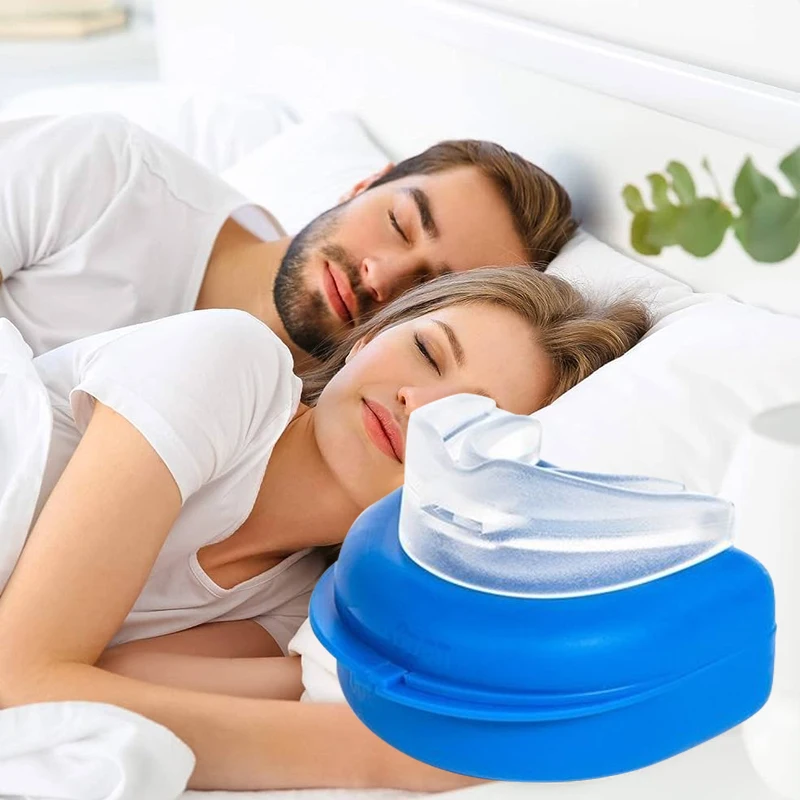
Sleep bruxism can involve grinding, clenching, or gnashing while asleep, and some people do not realize it is happening. A properly selected custom mouthpiece creates a physical barrier between the biting surfaces. In practical terms, that barrier may reduce direct tooth-on-tooth contact and help protect teeth, restorations, and dental work from repeated friction. Dental organizations commonly describe a night guard as something a dentist may recommend to help protect teeth during sleep; it should not be presented as a cure for every cause of bruxism.
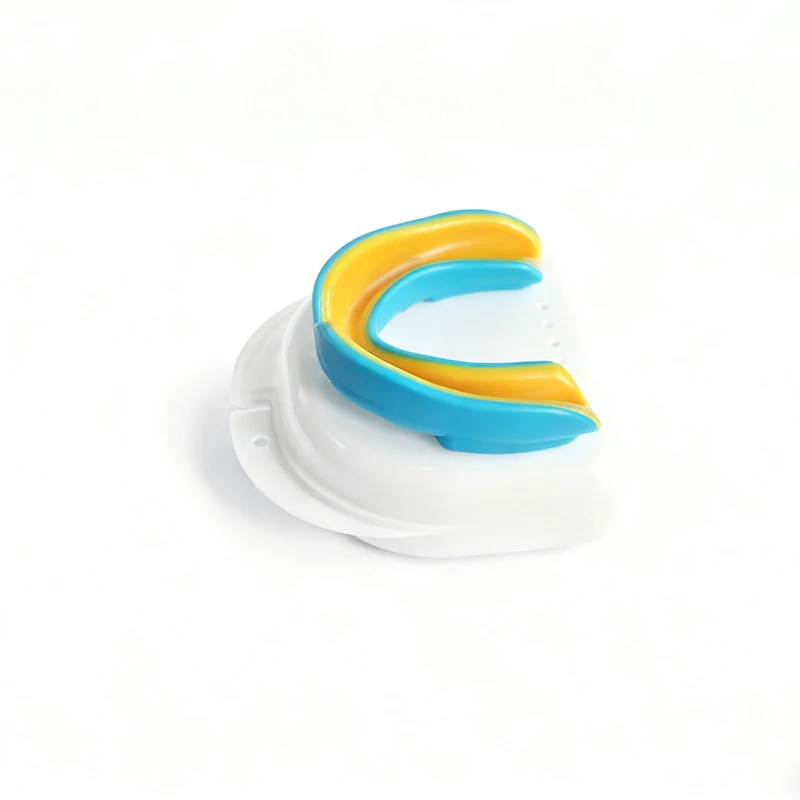
There is an important separation to make here. Sports guards are designed around impact scenarios, while a night-use appliance is selected around sleep comfort, retention, bite coverage, and the person’s dental situation. Search results for “custom mouthpiece” often lean toward sports products and personalization. For nighttime grinding, the safer comparison starts with intended use rather than appearance, graphics, or a general claim of “maximum protection.”
What “high quality” should mean for a night-use guard
A high-quality custom mouthpiece is not defined by a single marketing phrase. It should be evaluated as a combination of fit, material information, finish, and communication quality. A seller or buyer should be able to explain what is known about the product and what still needs a dental professional’s confirmation.
- Purpose-specific design: Confirm that the product is intended to be discussed for nighttime tooth protection rather than substituted from a sports category.
- Fit and retention: It should sit securely without requiring the wearer to keep it in place by constant jaw tension. A loose guard can be distracting; one that feels overly tight or painful deserves attention.
- Coverage and edge finish: Smooth, well-finished edges and appropriate coverage can affect comfort. The right design depends on the person’s teeth, restorations, and clinical needs, so a universal promise would be misleading.
- Material and care information: Buyers should request clear cleaning, storage, and replacement instructions rather than assume that every material tolerates the same heat, cleaners, or service life.
- Traceable communication: For clinics, pharmacies, and resellers, it is better to separate confirmed product details from claims that require supporting documentation.
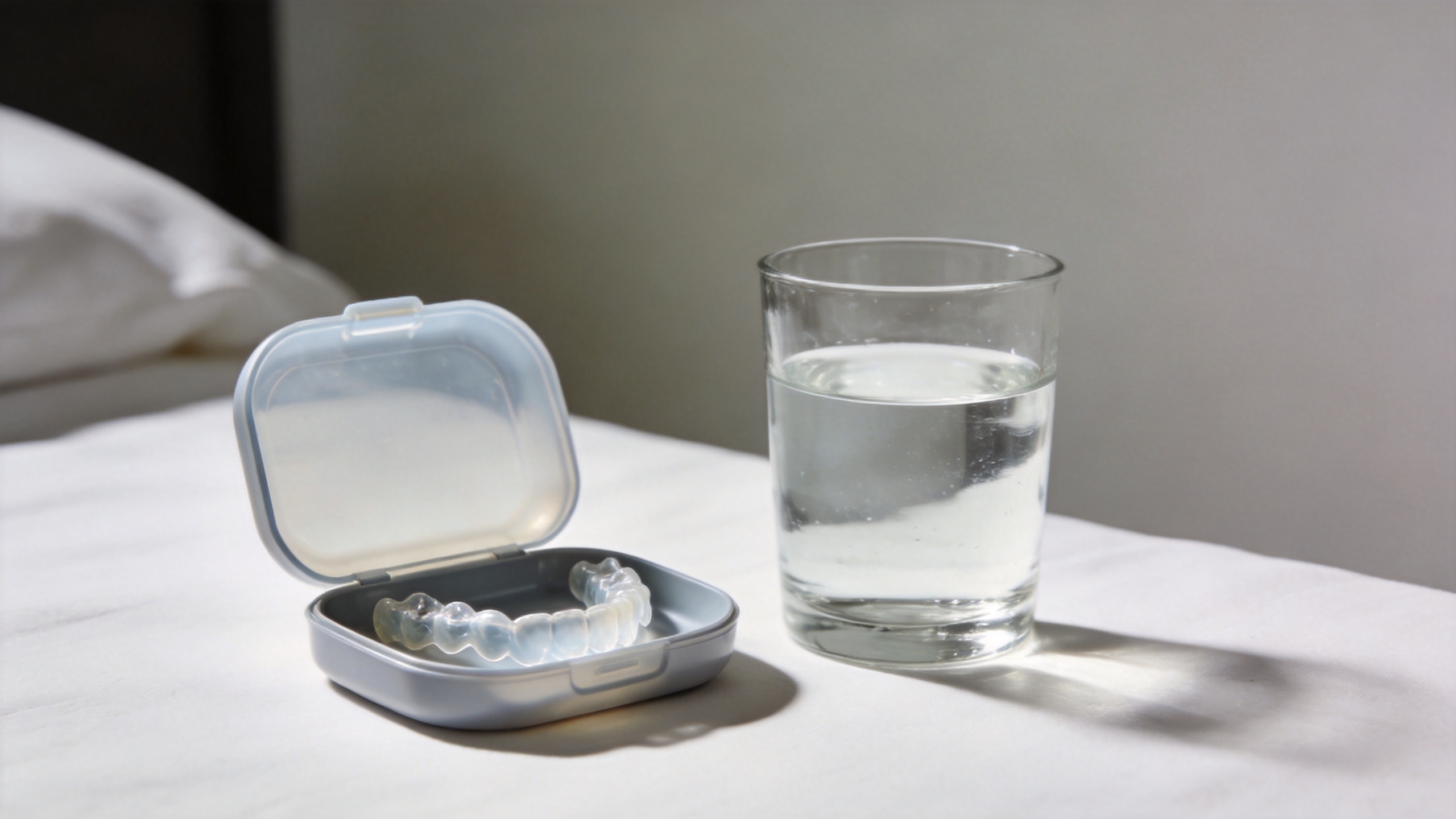
Why fit affects protection, comfort, and consistent use
The benefit of a custom mouthpiece depends partly on whether it is actually worn consistently. If it rocks, rubs the gums, changes the bite noticeably, or makes sleep harder, the wearer may stop using it. That does not mean every discomfort has the same cause. It does mean that fit feedback should lead to a review instead of a forced “break-in” period with no guidance.
A custom approach can be valuable because it begins with the individual dentition rather than a one-size shape. Still, “custom” alone is not a performance guarantee. Ask how the impression or scan is obtained, what instructions accompany the process, and how remakes or fit questions are handled. For someone with orthodontic appliances, loose teeth, extensive dental work, persistent jaw locking, or unexplained pain, a professional evaluation is particularly important before relying on a general product description.
Can a factory price be the only buying criterion?
No. A factory price can be relevant for a distributor, a pharmacy buyer, or a private-label program, but it should be compared on an equal basis. A lower quoted price may omit the fit workflow, storage case, care instructions, packaging, or support process that makes a night-use offering understandable for the end user. In that sense, the practical cost includes the effort needed to explain use, manage fit questions, and replace a worn or damaged guard.
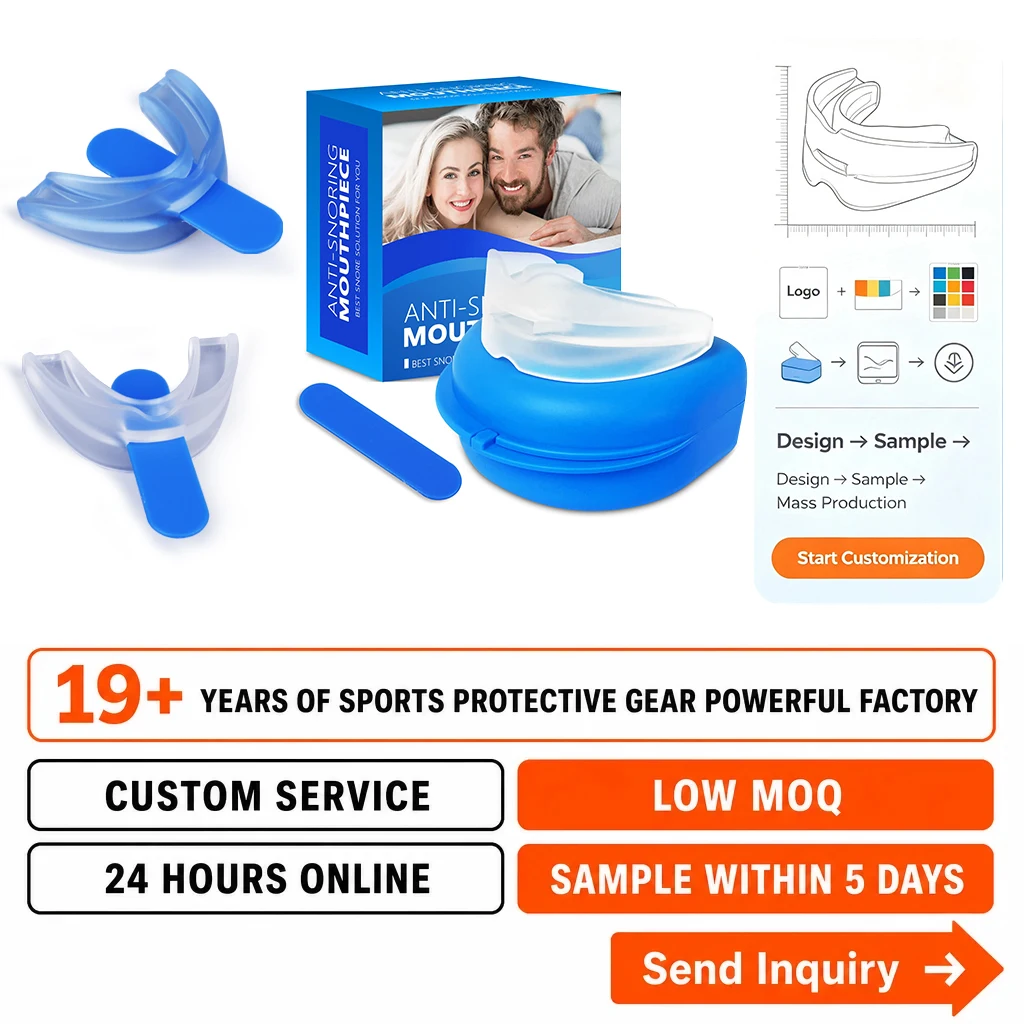
For B2B buyers, request a written product-information checklist: the intended use statement, available size or customization workflow, material disclosures that the supplier can substantiate, cleaning instructions, packaging details, and any claims that need separate evidence. Avoid advertising a guard as a treatment, a cure, or suitable for every consumer unless those statements are properly supported and professionally appropriate.
How a custom mouthpiece supports bruxism relief without overpromising
The phrase bruxism relief needs careful wording. A guard may cushion or separate the teeth and may help reduce the damage caused by contact for some people. It does not necessarily remove the underlying drivers of clenching or grinding. Stress, sleep quality, medications, bite changes, and other factors may be relevant, and they require individualized assessment.
A responsible product page or consultation can say that a custom mouthpiece is intended to help protect teeth from grinding-related contact during sleep. It should also encourage professional advice when symptoms persist or worsen. Red flags include cracked teeth or restorations, recurring facial or jaw pain, headaches that are new or severe, difficulty opening the mouth, significant sensitivity, or a sleep concern reported by a partner. The point is not to alarm the reader; it is to avoid treating a general purchase decision as a substitute for care.
Questions to ask before selecting or sourcing a night guard
- Is this item clearly intended for nighttime tooth protection, rather than for athletic impact protection?
- How is the custom fit created, checked, and supported if the result feels wrong?
- What product facts, material information, and care instructions can the supplier document?
- What cleaning and storage routine is recommended, and what signs indicate that the guard should be reviewed or replaced?
- How will the product copy distinguish protective intent from a diagnosis, treatment claim, or promise of universal results?
Care habits that help a guard remain usable
Care is part of product quality. Follow the instructions supplied for the specific guard, rinse it as directed after use, let it dry in an appropriate case, and keep it away from heat that could distort it. Inspect it regularly for rough edges, cracks, odor that persists after cleaning, or changes in fit. Do not try to reshape a guard with hot water unless the manufacturer or dental professional specifically instructs you to do so. Bringing the appliance to dental appointments can make it easier to discuss wear and fit.
Custom mouthpiece questions buyers should ask
Is a custom mouthpiece the same as a sports guard?
No. A custom mouthpiece for night use should be assessed for nighttime fit and tooth-contact protection. A custom mouthpiece for sport may follow a different use case.
Can a custom mouthpiece provide bruxism relief?
A custom mouthpiece may support bruxism relief by helping protect teeth from contact. It is not a diagnosis or a promise of complete bruxism relief.
Does factory price prove quality?
No. Compare a factory price with the fit process, care instructions, case, support, and documented information. A factory price is useful only when the offers are comparable.
How should a custom mouthpiece feel?
A custom mouthpiece should fit securely and be comfortable enough for sleep. If a custom mouthpiece causes pain, rubbing, or a new bite concern, seek professional advice.
What should a reseller say about bruxism relief?
Describe bruxism relief carefully: a custom mouthpiece is intended to help limit tooth contact, while individual causes and symptoms need professional assessment. Do not turn bruxism relief into a cure claim.
What makes a factory price comparison fair?
A fair factory price comparison includes the same customization workflow, packaging, instructions, and support. A low factory price without those details can create more downstream work.
When should someone replace a custom mouthpiece?
Review a custom mouthpiece if it cracks, develops rough edges, changes fit, or is worn. A clinician can advise when a custom mouthpiece needs replacement.
The practical bottom line
A high-quality custom mouthpiece can be a sensible part of a tooth-protection plan for nighttime grinding when its role is described accurately: it is a fitted barrier intended to reduce damaging tooth contact, not a stand-alone answer to every sleep or jaw concern. Prioritize night-use suitability, fit, transparent product information, and care guidance over broad claims or price alone. If grinding symptoms, damage, or discomfort continue, seek a dental professional’s assessment so the next decision is based on the person’s actual needs.


 Hot News
