 EN



How Can High-Quality Impact Mouth Guards Prevent Sleep Bruxism Damage?
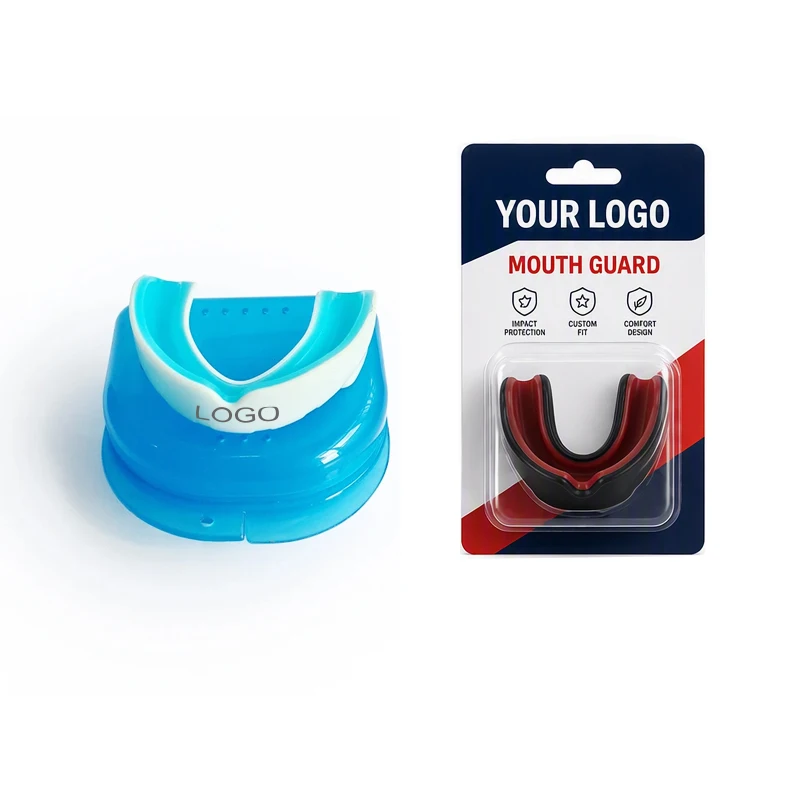
If you are looking for impact mouth guards because you wake with sore jaw muscles, worn tooth edges, or a partner hears nighttime grinding, start with the product’s intended use rather than its name. The word “impact” commonly points to athletic protection, while sleep bruxism calls for an oral appliance intended to keep upper and lower teeth from meeting during sleep. Those are related ideas, but they are not interchangeable.
From a product-evaluation perspective, the useful question is not whether impact mouth guards look substantial. It is whether the design, fit, material information, and use instructions match nighttime clenching or grinding. A dentist can help identify the cause of symptoms and advise whether a night guard is appropriate for you.
Why the Right Guard Can Limit Grinding Damage
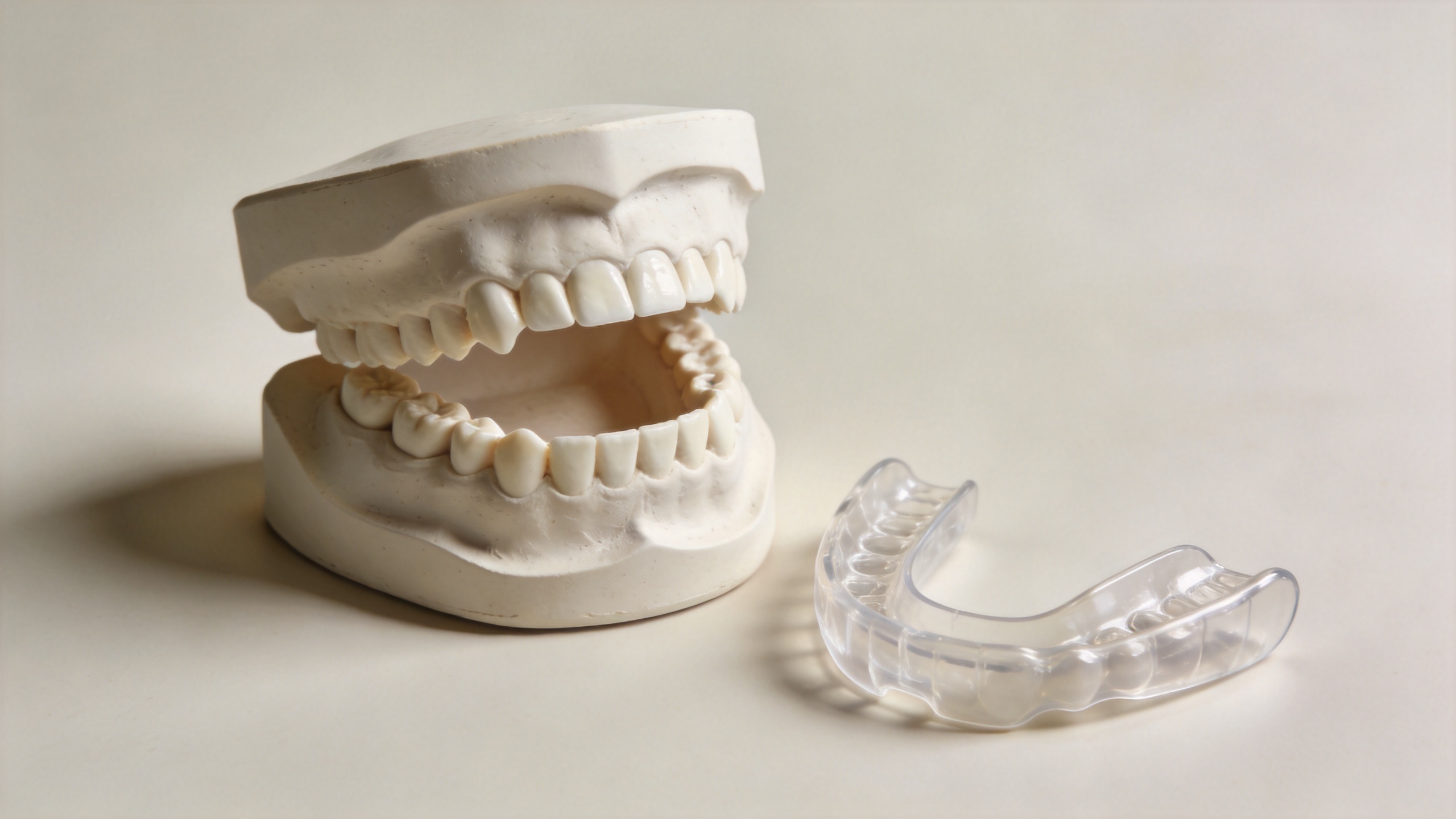
Bruxism is the repeated clenching or grinding of teeth. It can happen while awake or asleep, and people may not be aware of nighttime episodes. A guard does not diagnose bruxism or remove every possible cause. Its protective role is more specific: it creates a barrier between the teeth, helping limit direct tooth-on-tooth contact. NIDCR describes intraoral appliances as separating the teeth, which can help prevent tooth damage and may reduce muscle activity associated with grinding and clenching.
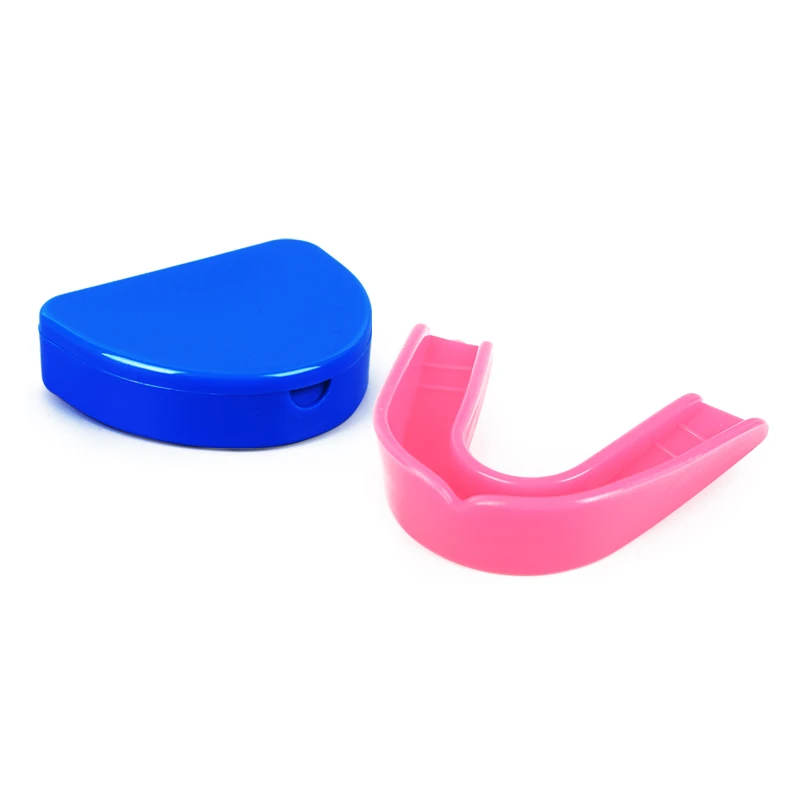
That distinction matters when comparing impact mouth guards. A sport guard is designed around collisions and abrupt forces. A sleep appliance is evaluated around nighttime fit, occlusion, comfort, and consistent separation of the teeth. Extra cushioning that makes sense for a field sport may feel bulky for sleep. Conversely, a slim sleep-focused guard should not be assumed to provide athletic impact protection.
What “High Quality” Should Mean for Sleep Use
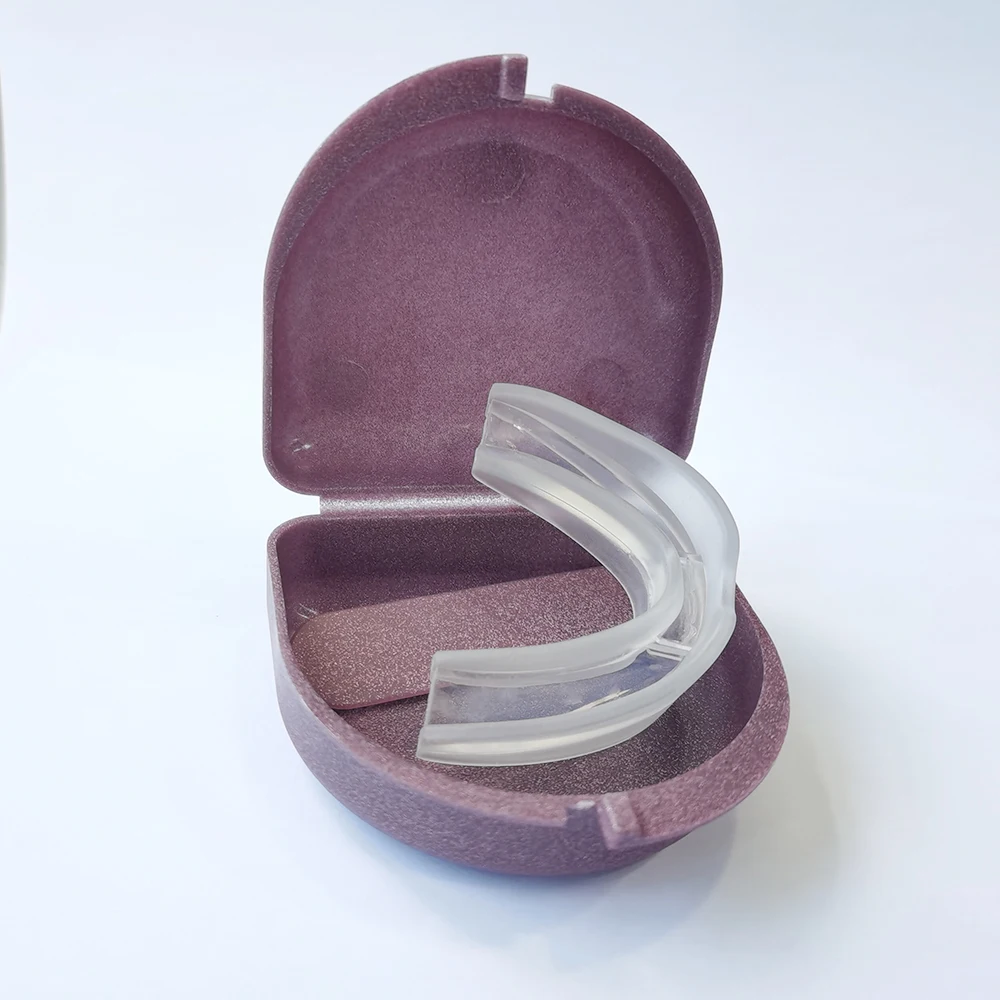
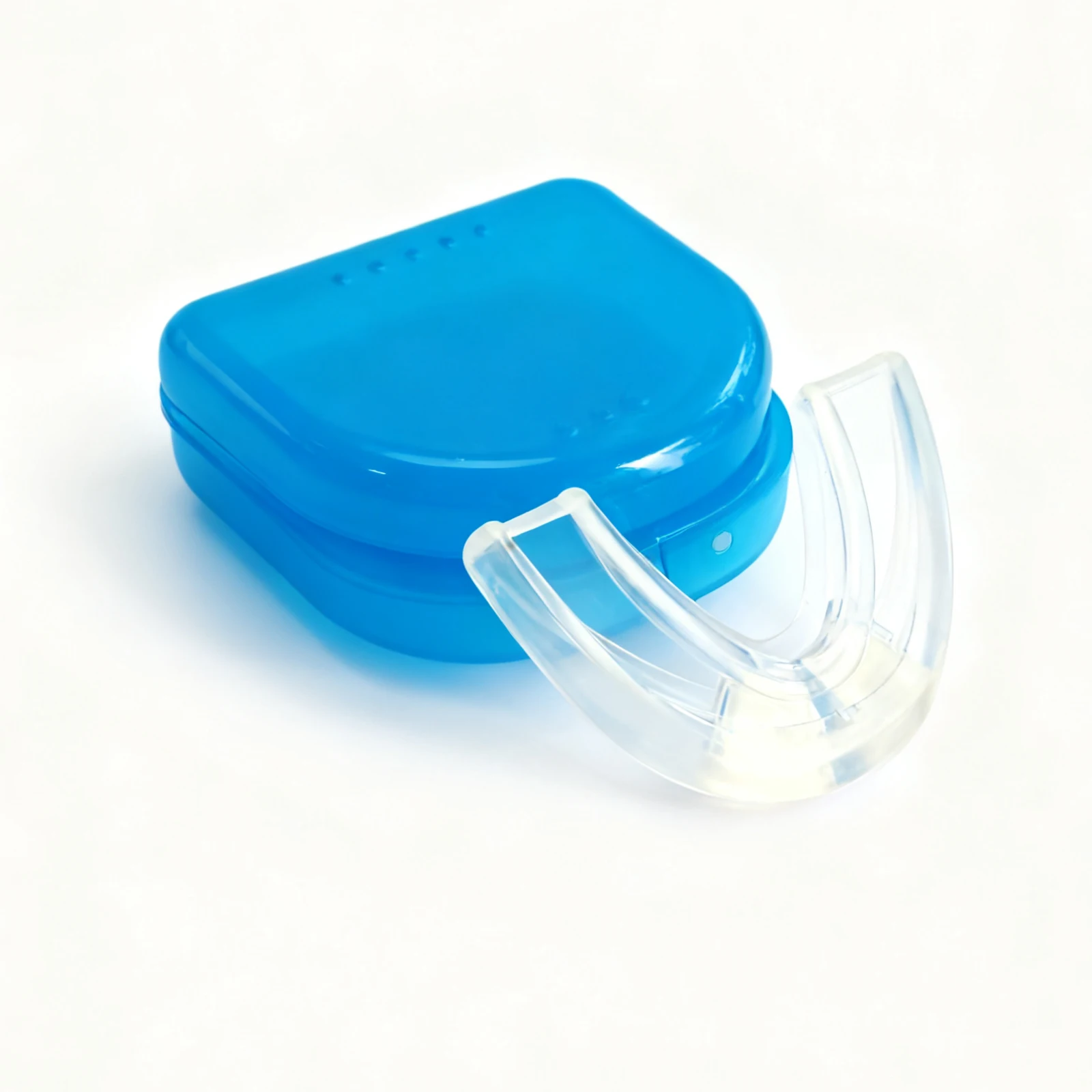
For sleep bruxism, quality is not a marketing label or a promise of a cure. It is a set of practical questions you can verify before use. When suppliers describe impact mouth guards, ask them to identify the intended use clearly and provide material, sizing, care, and replacement information. If those basics are unclear, it is difficult to judge whether the product belongs in a nighttime routine.
- Purpose: Is the guard expressly described for sleep-related grinding or is it an athletic product?
- Fit: Does the fitting method support stable, comfortable overnight wear without forcing the jaw into an uncomfortable position?
- Material information: Are the material and care instructions stated plainly, including who should seek professional advice before use?
- Surface coverage: Does the appliance cover the intended teeth evenly enough to act as a barrier, rather than concentrating pressure at one point?
- Maintenance: Are cleaning, inspection, and replacement cues provided so damage or distortion is noticed?
This checklist is also useful for a wholesale or clinic buyer. A low factory price is not, by itself, evidence of suitability. Compare products only after their intended use, specifications, packaging, and documentation are aligned. That turns a vague request for impact mouth guards into an auditable product conversation.
Fit Is the Protective Mechanism, Not a Cosmetic Detail
A guard that shifts, pinches, falls out, or changes how the jaw rests may be difficult to wear consistently. For that reason, “custom” and “comfortable” should be treated as questions to investigate, not automatic performance claims. In many cases, a dental professional can assess worn teeth, restorations, bite changes, and jaw symptoms before recommending a guard. The American Dental Association notes that a dentist may recommend a night guard to protect teeth while sleeping.
For shoppers, the practical takeaway is simple: do not choose sleep protection by copying the criteria used for impact mouth guards in football, boxing, or lacrosse. Ask what makes the device appropriate for overnight tooth separation. For buyers sourcing a night guard, request clear instructions for fit and cleaning, and avoid making unsupported claims about treatment outcomes in product listings.
Signs That Call for a Dental Evaluation
A guard is only one part of a careful response to suspected bruxism. Consider a dental evaluation if you notice cracked or flattened teeth, new sensitivity, jaw pain or stiffness, frequent morning headaches, difficulty chewing, or a significant change in how your teeth meet. These symptoms can have more than one cause. A professional assessment helps determine whether a guard is suitable and whether existing damage needs attention.
Do not try to use athletic impact mouth guards as a substitute for assessment when symptoms are persistent or severe. A product can help create a physical barrier, but it cannot replace diagnosis, tooth repair, or care for an underlying sleep, stress, medication, or jaw-related issue.
How to Compare Options Without Overpromising
Start by separating the categories. A sports-focused option should be compared with other impact mouth guards on sport-specific criteria. A sleep option should be compared with other nighttime appliances on its fitting pathway, material disclosure, care guidance, and professional-support boundaries. Keeping the categories separate protects customers from buying an object that looks protective but is not made for their actual use case.
For a B2B catalog or purchasing brief, document the intended user, use setting, available size or fit details, material declaration, care copy, and the advice to consult a dental professional for symptoms or uncertain fit. A factory price can be part of a commercial comparison after those details are confirmed; it should not lead the health-related claim.
A Safer Decision Path
- Identify whether the need is athletic impact protection or overnight grinding protection.
- For suspected bruxism, record symptoms and arrange a dental discussion when symptoms are painful, persistent, or accompanied by tooth damage.
- Review intended-use, fitting, material, care, and replacement information before selecting a night guard.
- Use impact mouth guards only within the sport-protection context their instructions support.
- Stop using any guard that is damaged, uncomfortable, loose, or no longer fits as intended, and seek professional guidance when in doubt.
Frequently Asked Questions
Can impact mouth guards prevent sleep bruxism damage?
Impact mouth guards may describe athletic products, so the label alone does not establish that a product is appropriate for sleep bruxism. A sleep-focused appliance can protect teeth by separating them, but suitability depends on the individual and the product’s intended use.
Is a night guard the same as a sports mouthguard?
Not necessarily. A night guard is intended for overnight use, while sport guards are designed for athletic impacts. The ADA specifically distinguishes these purposes, so one should not be assumed to replace the other.
Should I choose a product based on factory price?
Use factory price only after confirming fit pathway, materials, instructions, and intended use. A lower price does not verify sleep suitability or reduce the need for dental advice when symptoms suggest damage.
The Bottom Line
High-quality sleep protection is less about choosing the thickest-looking option and more about matching the appliance to nighttime grinding. Treat impact mouth guards as a category that needs clarification, not as proof of sleep suitability. With a clear purpose, appropriate fit, transparent product information, and professional input when symptoms warrant it, a guard can be part of a sensible plan to limit further tooth wear from bruxism.

 Hot News
