 EN



How Can High-Quality Mouth Guard To Prevent Teeth Grinding Prevent Sleep Bruxism Damage?
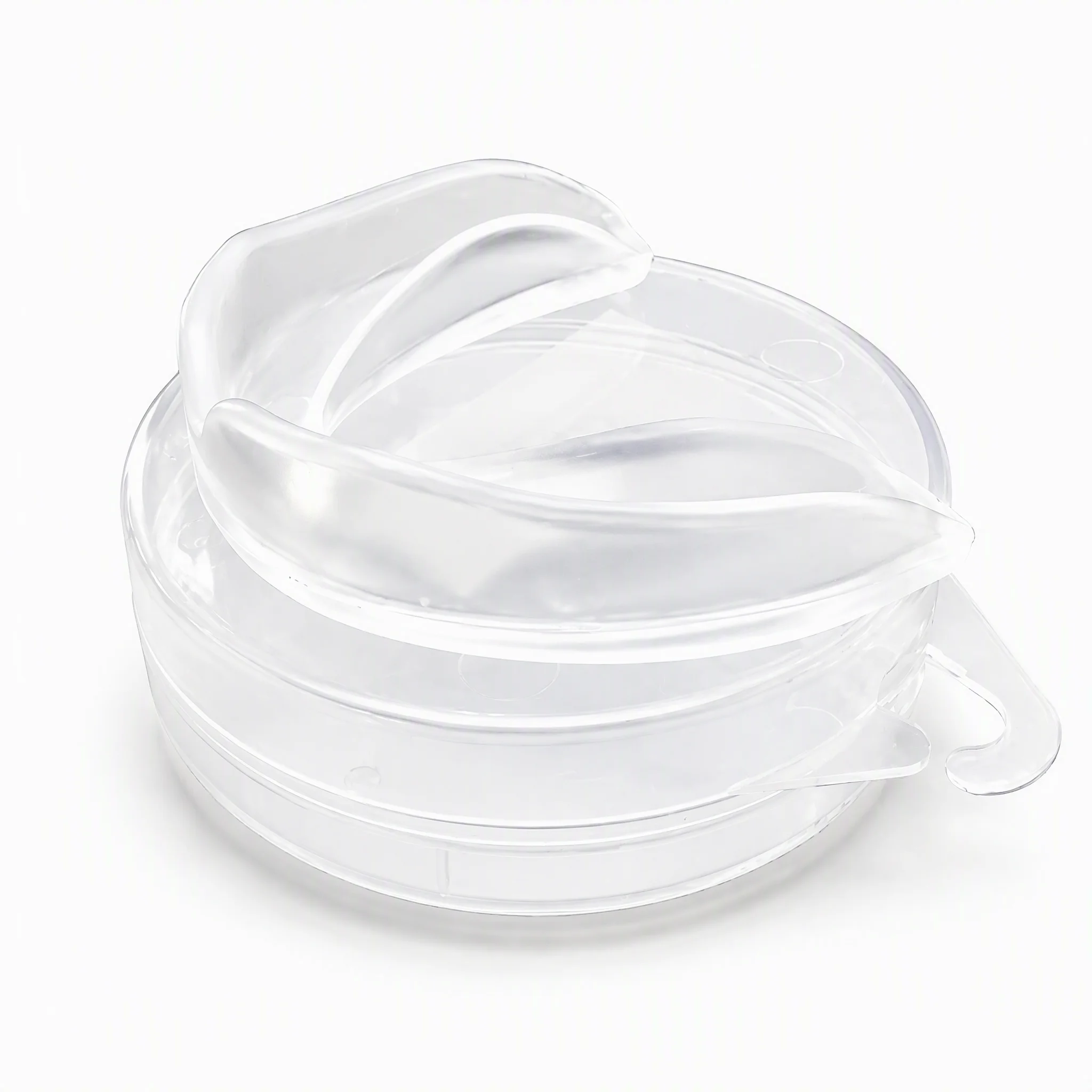
If you wake with a sore jaw, a dull headache, or teeth that feel unusually sensitive, it is reasonable to ask what a mouth guard to prevent teeth grinding can actually do. A well-selected night guard can create a protective barrier between upper and lower teeth, so repeated nighttime contact is less likely to wear enamel or chip restorations. It is not, however, a cure for sleep bruxism or a substitute for an examination when symptoms persist.
For clinic, pharmacy, and consumer education, that distinction matters. The useful question is not whether any guard will “stop” every episode. It is whether the guard has a comfortable fit, a suitable design, and material information that supports safe, consistent use. This article explains how to assess those points without turning a product claim into medical advice.
What a night guard can—and cannot—do
Sleep bruxism can involve grinding, clenching, or forceful jaw movement during sleep. The behavior may go unnoticed until there are signs such as flattened biting surfaces, jaw fatigue, tooth sensitivity, chipped teeth, or morning headaches. A mouth guard to prevent teeth grinding is usually intended to separate the teeth and cushion contact. That protective function may reduce direct tooth-on-tooth wear.
It does not identify or remove the reason a person grinds. Stress, sleep disruption, bite concerns, medicines, and other health factors may need individual assessment. A guard should therefore be presented as a tooth-protection measure, not as a promise to eliminate grinding, jaw symptoms, or a sleep condition. If pain, locking, broken teeth, loud snoring, breathing concerns, or worsening symptoms are present, a dentist or clinician should evaluate the situation.
Why fit is the first quality checkpoint
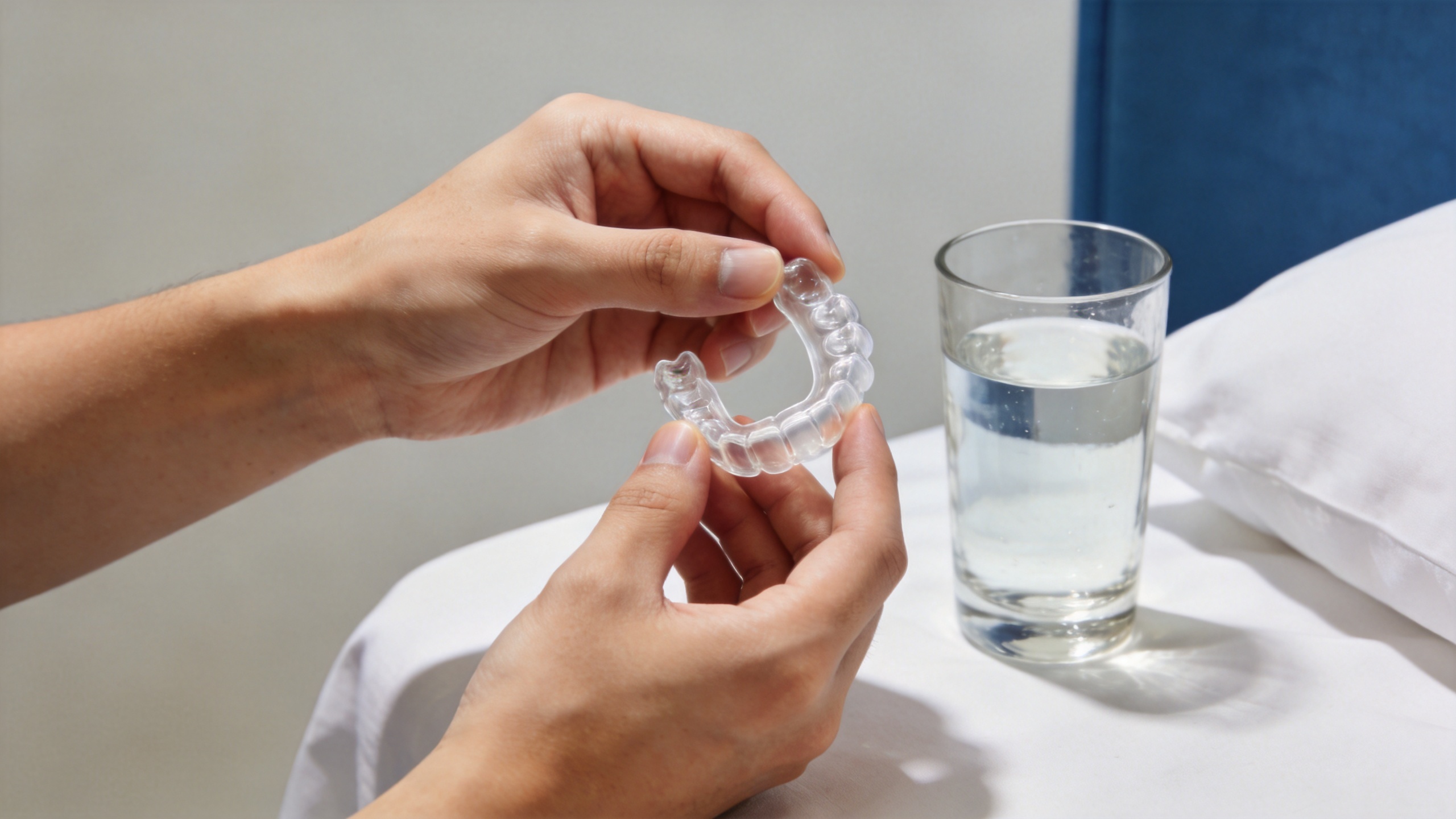
A comfortable fit is not a cosmetic extra. If a guard feels loose, it may move during sleep; if it feels overly tight, bulky, sharp, or difficult to remove, the wearer may stop using it or develop new discomfort. A well-fitting device should sit securely over the intended teeth, avoid digging into the gums, and allow the user to close naturally without forcing the jaw into an unfamiliar position.
Fit is also personal. An over-the-counter option may be appropriate for some users, while people with active dental work, significant jaw symptoms, changing dentition, or an uncertain bite may benefit from professional guidance. “One size fits all” is not the same as “fits every mouth well.” Asking about the wearer’s dental history and intended use is a more reliable starting point than comparing packaging claims alone.
A simple fit check before regular use
- Retention: The guard stays in place with normal mouth movement and does not fall out easily.
- Edge comfort: The edges do not rub, pinch, or irritate the gums, tongue, or cheeks.
- Jaw position: Closing feels natural rather than forced or uneven.
- Breathing and speech: The guard does not create obvious breathing difficulty; remove it and seek advice if it does.
- Ongoing response: New pain, bite changes, cracking, or persistent soreness are reasons to stop self-adjusting and consult a dental professional.
What “dental grade” should prompt you to verify
The phrase dental grade can be useful only when it is accompanied by clear product information. It should not be treated as a universal guarantee of performance, safety, or suitability for every user. Before selecting a mouth guard to prevent teeth grinding, ask for the material description, intended use, care instructions, sizing or molding guidance, and any relevant documentation available for the market where it will be sold.
A practical review focuses on whether the product information is specific enough to compare. For example, confirm whether the design is soft, hard, or layered; whether the manufacturer states the intended nighttime use; and how the guard should be cleaned, stored, and replaced. If the available documentation is vague, the responsible next step is to request clarification—not to infer a clinical benefit from a label.
Choosing the right protection path
The appropriate protection path depends on the amount of grinding, dental condition, and comfort. A consumer who only notices occasional mild clenching may have different needs from someone with cracked restorations or regular morning jaw pain. From a dental-education perspective, it helps to separate selection into three questions:
- What needs protection? Enamel, restorations, and the comfort of the jaw are related but not identical concerns.
- How predictable is the fit? A comfortable fit supports nightly use; repeated discomfort undermines it.
- Is professional assessment indicated? Ongoing pain, tooth damage, bite changes, or suspected sleep-related concerns deserve more than a product comparison.
This approach also prevents confusion between a night guard, a sports mouthguard, and other oral appliances. Their purposes and fitting requirements differ. Use a device only for its stated purpose, and do not assume that a sports guard or whitening tray will provide equivalent nighttime bruxism protection.
Care habits that help preserve the guard and your teeth
Even a high-quality guard needs routine care. Rinse it after use, clean it according to its instructions, let it dry fully in a clean case, and inspect it regularly for cracks, sharp edges, warping, odor, or visible wear. Replacing a damaged or distorted device matters because an altered shape may no longer provide the same retention or contact pattern.
It is also sensible to maintain regular dental checkups. A guard can reduce direct contact damage, but it cannot tell you whether grinding is changing tooth surfaces, restorations, or the bite over time. Bringing the appliance to an appointment lets the dental team review its fit and condition alongside the wearer’s symptoms.
Frequently asked questions
Can a mouth guard cure sleep bruxism?
No. A mouth guard to prevent teeth grinding is generally used to protect teeth from grinding forces. It does not diagnose or cure the underlying cause of sleep bruxism. Persistent symptoms should be discussed with a dentist or appropriate clinician.
How important is a comfortable fit?
Very important. A comfortable fit makes regular use more realistic and helps avoid pressure, rubbing, or instability. Discomfort, a loose fit, or a noticeable bite change should not be ignored.
Does dental grade mean a guard is automatically right for me?
No. Dental grade should lead to questions about material, intended use, instructions, and supporting documentation. Individual dental needs and symptoms still determine whether a product is appropriate.
The bottom line
A high-quality mouth guard to prevent teeth grinding can help protect teeth by creating a barrier against repetitive nighttime contact. The most useful selection criteria are an appropriate design, a comfortable fit, transparent dental grade material information, and clear instructions for care. Keep the claims realistic: protection is valuable, but ongoing pain, damage, breathing concerns, or changing bite patterns call for professional evaluation.


 Hot News
