 EN



How Can High-Quality Mouth Guards Custom Prevent Sleep Bruxism Damage?
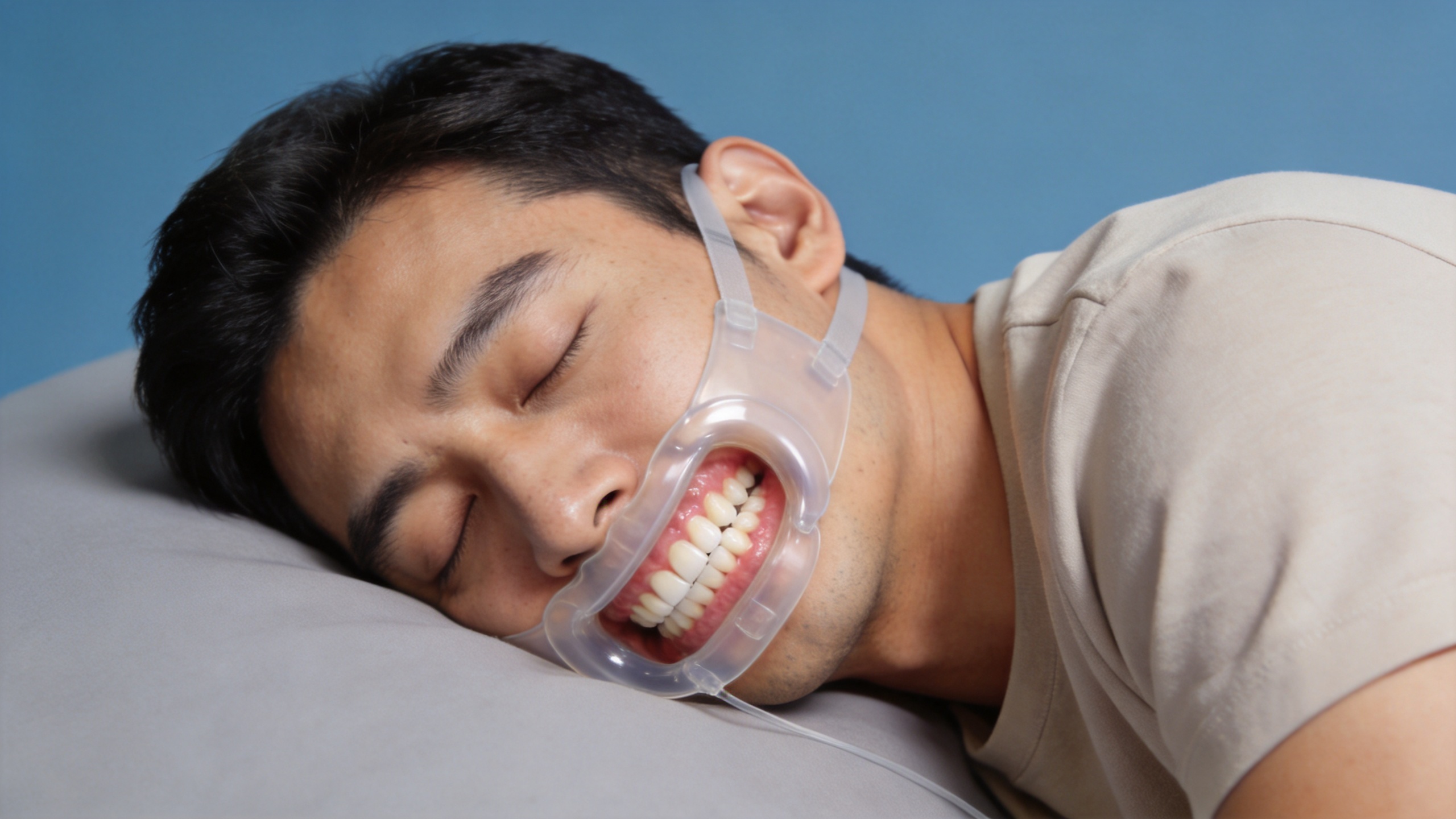
Sleep bruxism means grinding, clenching, or gnashing the teeth while asleep. A person may not notice it until a partner hears the noise, teeth show wear, or the jaw feels tired in the morning. Mouth guards custom to the wearer are often considered because the appliance can create a protective barrier between upper and lower teeth. Still, mouth guards custom for night use are not a one-size-fits-all diagnosis or cure. A dentist should evaluate persistent pain, broken teeth, headaches, or suspected sleep-related breathing concerns.
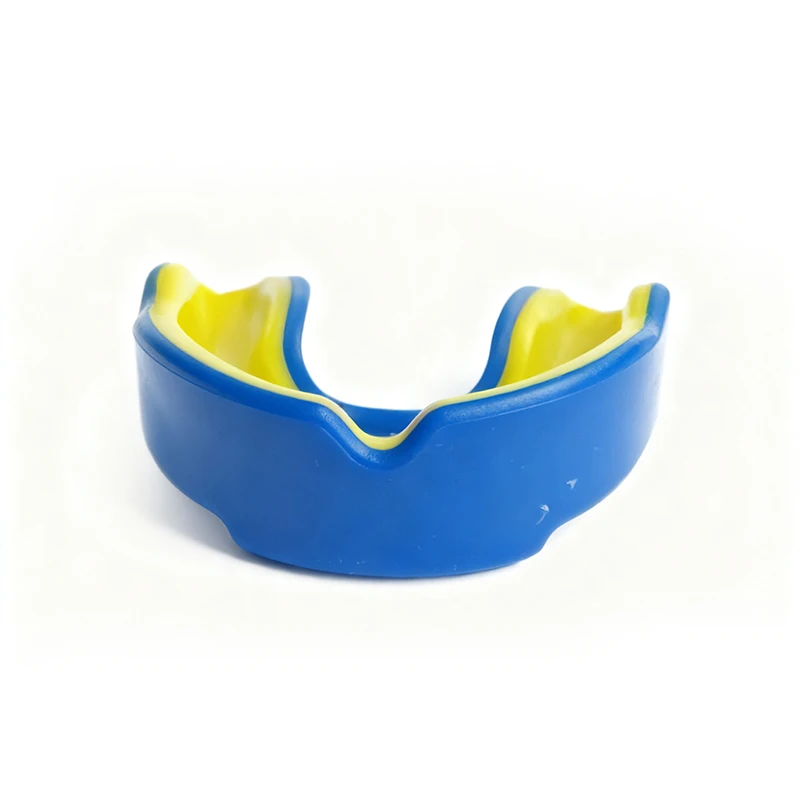
From a product-selection and fit-assessment perspective, the useful question is not simply whether a guard feels soft or looks substantial. It is whether mouth guards custom for sleep are being selected for the right purpose, with fit, material information, and follow-up questions considered together. That distinction is practical. A sports guard is designed around impact protection; a night appliance is meant to keep teeth from directly meeting during grinding or clenching.
What Sleep Bruxism Can Do to Teeth and Rest
Bruxism can occur while awake or asleep. During sleep, repetitive contact can contribute to tooth wear and may coincide with jaw-muscle fatigue or tenderness. General oral-health guidance describes night guards as appliances that can help protect teeth from the effects of grinding and clenching. That is a protective role, not a promise that every cause of bruxism, every pain pattern, or every sleep concern will disappear.
For that reason, mouth guards custom for a sleep-grinding context should be discussed in terms of what they are designed to do: reduce direct tooth-on-tooth contact when worn as directed. They should not be marketed as a substitute for an examination, treatment plan, or investigation of recurring symptoms. If damage, pain, or a change in bite is present, professional dental advice is the safer next step.
Why Custom Fit Changes the Protection Conversation
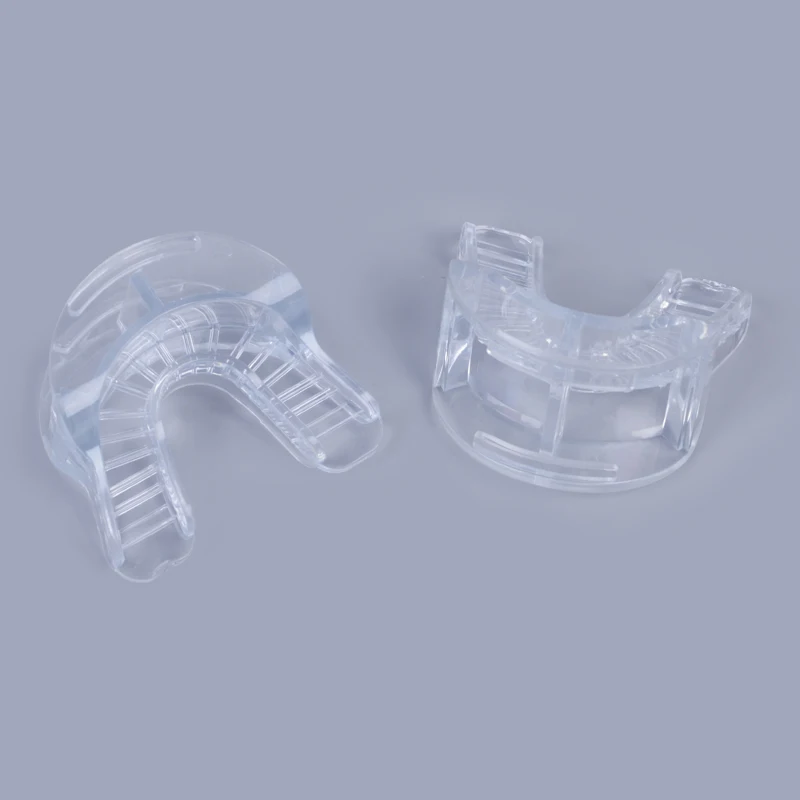
A close fit helps an appliance stay in place through the night and makes consistent use more realistic. With mouth guards custom to dental anatomy, the discussion can move from a generic product name to practical checks: Does the appliance cover the intended teeth? Does it seat evenly? Is the edge finish comfortable against the gums and cheeks? Does it interfere with normal closure or create a new pressure point?
Comfortable fit is more than a sales phrase. A guard that feels bulky, loose, sharp, or unstable is less likely to be worn regularly. Conversely, a comfortable fit should not be assumed from a description alone. Fit feedback after delivery, clear wear instructions, and a route for adjustment are important parts of a responsible process for mouth guards custom for overnight use.
Fit Is Not the Same as a Universal Guarantee
Even well-made mouth guards custom to a person can require review if dental work changes, discomfort develops, or the appliance no longer seats as expected. Conditions differ from person to person. The appropriate design, thickness, and coverage should be confirmed with a qualified dental professional rather than inferred from a product category or another user’s experience.
Material and Construction Questions Worth Asking
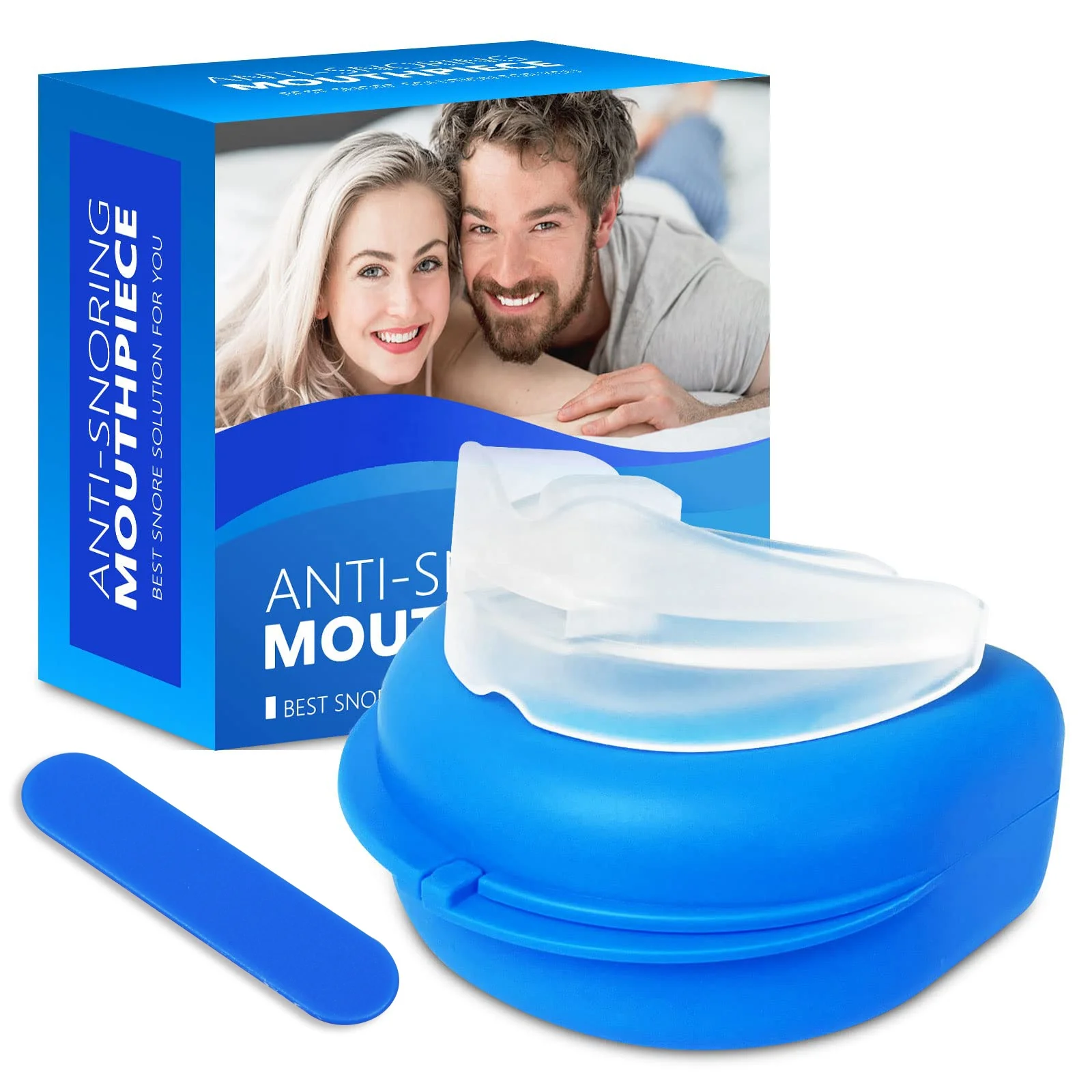
Quality begins with information that can be checked. When comparing mouth guards custom, ask what material is specified, how the appliance is formed, what cleaning guidance applies, and what documentation is available for the intended channel. Avoid treating an unverified “dental grade” label as proof of a particular performance outcome.
- Purpose: Is the item intended for sleep-related grinding and clenching rather than contact sport?
- Fit process: How are impressions, scans, or fitting information handled and reviewed?
- Coverage and finish: What areas are intended to be covered, and how are edges finished?
- Care instructions: What cleaning, storage, and replacement guidance is supplied?
- Traceable information: Can the supplier provide current material, packaging, and channel-appropriate documentation?
These questions help a buyer compare mouth guards custom on verifiable details rather than broad claims. They also create a clearer handoff between a supplier, a clinic, a retailer, and the end user.
How a Night Guard Helps Limit Damage
In practical terms, a properly selected appliance places a barrier between opposing teeth when it is worn. In the context of mouth guards custom, the aim is to help limit direct contact associated with clenching or grinding. The appliance does not remove stress, correct every jaw condition, or diagnose why grinding happens. Its value lies in protection and in supporting a structured conversation about symptoms, fit, and care.
That framing is especially important for OEM/ODM discussions. OEM/ODM partners can support private-label planning, packaging choices, and documented specifications, but they should not convert a general consumer product into unsupported medical claims. For mouth guards custom, a responsible specification brief separates confirmed product information from statements that need dental or regulatory verification.
A Practical Selection Path for Buyers and Wearers
- Define the use case. Confirm that the need is nighttime grinding or clenching, not athletic impact protection or a snoring claim.
- Gather symptom and dental context. Note wear, sensitivity, jaw fatigue, restorations, and changes noticed by a sleep partner; discuss these with a dentist.
- Review fit and material information. Compare mouth guards custom using documented specifications, not pictures or catchphrases alone.
- Plan the care routine. Confirm cleaning, storage, inspection, and when to seek reassessment.
- Check the channel requirements. For OEM/ODM sourcing, align labeling, documentation, claims review, and packaging with the intended market before launch.
It also helps avoid choosing mouth guards custom by price or appearance before the actual sleep-bruxism use case is clear. It also keeps the decision grounded in questions that can be answered, documented, and reviewed.
When Professional Review Matters Most
Seek professional dental guidance if there is persistent jaw pain, tooth sensitivity, visible cracking or wear, a poorly fitting appliance, or uncertainty about whether the issue is bruxism. Sleep bruxism can go unnoticed, and a dental professional can ask about timing, symptoms, and relevant history. That assessment helps determine whether mouth guards custom are appropriate and what follow-up is sensible.
In short, high-quality mouth guards custom can be part of a cautious protection plan for sleep-related grinding because they help separate the teeth when properly selected and used. The strongest choice is not the one with the biggest promise; it is the one supported by a clear purpose, a comfortable fit, transparent information, and professional review when symptoms or fit raise questions.
Frequently Asked Questions
Can mouth guards custom for sleep stop bruxism?
Mouth guards custom for sleep are generally used to help protect teeth from the effects of grinding and clenching. They do not establish why bruxism occurs or replace assessment of ongoing symptoms. Discuss those symptoms with a dental professional.
What makes a comfortable fit important?
A comfortable fit can support consistent overnight wear. If a guard feels loose, sharp, painful, or changes how teeth meet, it should be reviewed rather than forced into use.
What should an OEM/ODM buyer verify?
For mouth guards custom, verify intended use, material and packaging information, fit-process expectations, current documentation, claims boundaries, and the requirements of the destination market.

 Hot News
