 EN



How To Choose The Best Anti Snore Mouthguard Teeth Guard For Sleep Comfort?
Choosing an anti snore mouthguard teeth guard is less about finding the boldest promise and more about matching a device to your nighttime needs. The phrase can describe several different products: some oral appliances are designed to position the lower jaw differently during sleep, while teeth guards are usually intended to cushion teeth from grinding. They are not interchangeable. Before you compare an anti snore mouthguard teeth guard, separate your sleep concern, your dental comfort, and any signs that call for professional assessment.
From a dental-product selection perspective, the useful starting point is simple: define the goal, check the fit, and keep health claims in proportion. An anti snore mouthguard teeth guard may be worth discussing when simple snoring is the concern, but it should not be treated as a diagnosis tool or a promise of a uniform outcome. If someone has witnessed breathing pauses, gasping, marked daytime sleepiness, chest symptoms, or persistent jaw pain, a clinician or sleep professional should assess the situation before relying on a retail device.
Start by separating snoring support from tooth protection
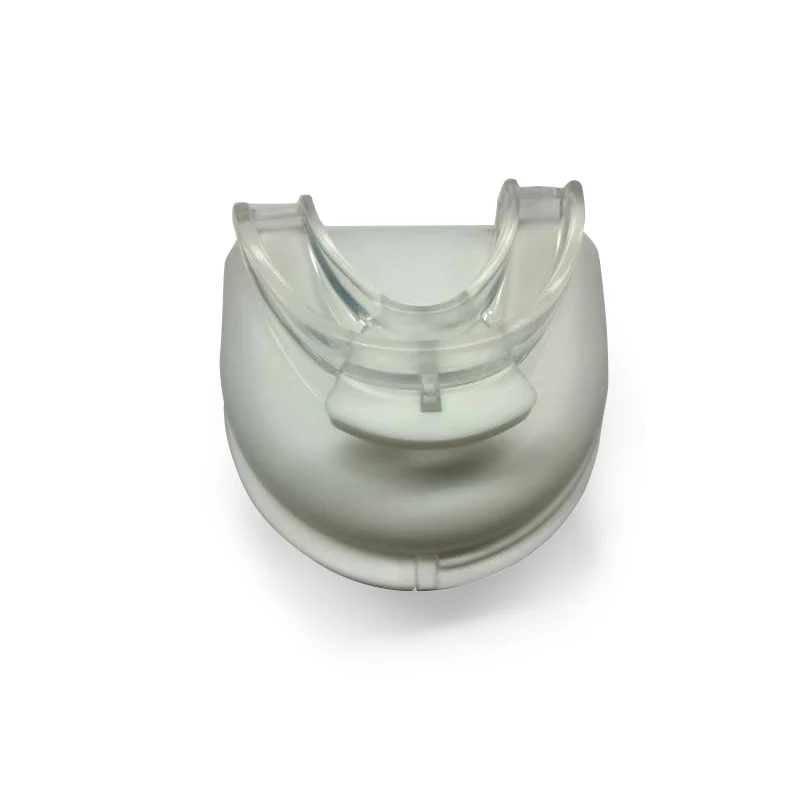
The first selection mistake is choosing by name alone. A protective night guard generally creates a barrier between upper and lower teeth for people who clench or grind. An anti snore mouthguard teeth guard intended for snoring may instead use an oral-appliance design that changes jaw or tongue position. That difference affects comfort, cleaning, adjustment, and whether the device is appropriate for you.
- For grinding: ask whether tooth protection, material thickness, and bite comfort are the main requirements.
- For simple snoring: ask what mechanism the anti snore mouthguard teeth guard uses and whether professional evaluation is advisable.
- For both concerns: do not assume one product addresses both. Confirm the intended use and get dental guidance if you have restorations, active tooth pain, gum problems, or jaw-joint symptoms.
Here is the more accurate way to think about it: “mouthguard” is a broad shopping term, not proof that a product protects teeth, reduces snoring, or fits every mouth. A clear intended-use statement is more valuable than a vague all-in-one claim.
Check fit before features
Comfort determines whether an anti snore mouthguard teeth guard is likely to be used consistently. Look for a fitting process that is explained in plain language, including what to do if the device feels too tight, causes pressure, changes your bite sensation, or will not stay in place. Factory price can matter for a buyer comparing options, but it does not answer the fit question. A lower upfront cost can become poor value if the device is uncomfortable, cannot be cleaned properly, or needs frequent replacement.
Before ordering, review the product information for these practical details:
- Which teeth or jaw areas contact the device?
- Is the fit process fixed, heat-molded, adjustable, or professionally made?
- Does the supplier explain cleaning, storage, and expected inspection points?
- Are there clear cautions for loose teeth, braces, dentures, implants, jaw discomfort, or dental treatment in progress?
- Is there a realistic pathway for support if the fit is unacceptable?
An anti snore mouthguard teeth guard should feel secure without forcing the jaw, pinching soft tissue, or creating lingering soreness. Mild adjustment awareness may occur with an oral device, but pain, numbness, headaches, worsening jaw discomfort, or bite changes are reasons to pause and seek advice rather than trying to “push through.”
Use a comfort-first material checklist
Material descriptions are useful only when they help you ask better questions. Instead of assuming that one plastic is inherently more comfortable, ask how the material is finished, how edges are trimmed, how thickness relates to the intended use, and how the supplier recommends cleaning it. An anti snore mouthguard teeth guard should have product documentation that makes normal care understandable rather than relying on marketing phrases.
| What to review | Why it affects sleep comfort | Question to ask |
|---|---|---|
| Edge finish | Rough or bulky edges can irritate gums, lips, or cheeks. | How are edges finished and what should a user do if an edge feels sharp? |
| Retention | A loose device can feel distracting; an overly tight one can feel stressful. | What fit checks are recommended after forming or first use? |
| Cleaning instructions | Nightly use calls for repeatable hygiene habits. | Which cleaning steps and storage conditions are specified? |
| Usage boundaries | Not every oral device suits every dental situation. | Which users should consult a dentist or sleep clinician first? |
For a buyer comparing factory price options, request the same information from each source. A like-for-like comparison should include the device type, material description, fitting method, packaging, cleaning guidance, and any available use limitations. That keeps a “factory price” comparison from becoming a comparison of incomplete information.
Understand what “anti-snore” can and cannot mean
The term anti-snore is a product category label, not a promise that snoring will disappear. Published guidance on oral-appliance therapy distinguishes primary snoring from obstructive sleep apnea and emphasizes appropriate professional diagnosis. Research on oral appliances also shows that outcomes vary by person and by how snoring is measured. For that reason, choose an anti snore mouthguard teeth guard for its documented intended use and fit process, not because it implies a universal result.
It is especially important to ask for medical advice if snoring is loud and chronic, comes with pauses in breathing, choking or gasping, high blood pressure, morning headaches, severe fatigue, or safety-critical daytime sleepiness. An anti snore mouthguard teeth guard cannot replace testing or individualized treatment when sleep-disordered breathing is suspected.
Make the first-week plan realistic
Sleep comfort is not decided in the first five minutes. With any anti snore mouthguard teeth guard, set a simple observation plan for the first several nights. Note whether you can insert and remove it easily, whether it remains stable, whether your jaw feels normal in the morning, and whether your bed partner notices any change. Do not turn a few nights of experience into a medical conclusion; use the notes to decide whether fit support or professional advice is needed.
- Inspect the device before use for cracks, rough areas, or deformation.
- Clean and dry it according to the supplied instructions.
- Stop using it if it causes pain, injury, persistent bite changes, or pronounced jaw symptoms.
- Keep a short record of comfort and sleep observations rather than relying on memory.
Questions to ask a supplier before you buy
Whether you are buying one device or reviewing an OEM/ODM option for a retail range, the same questions improve the decision. Ask for the exact intended use, fitting instructions, material information, cleaning guidance, packaging details, and available cautions. For an anti snore mouthguard teeth guard, also ask whether product language clearly separates oral comfort, tooth protection, and any health-related boundaries.
A supplier should be able to explain the product without claiming that it diagnoses, cures, or works for everyone. This is where a careful buyer gains more than a low headline factory price: clear documentation can reduce avoidable returns, unclear expectations, and uncomfortable first-night experiences.
Final selection checklist
A suitable anti snore mouthguard teeth guard for sleep comfort is one whose purpose, fit process, care instructions, and limitations you can verify. Start with your primary concern, compare like with like, and do not confuse a teeth guard with a device intended to address snoring. Choose a product only when the instructions feel practical and the health boundaries are stated honestly.
If symptoms suggest more than uncomplicated snoring, seek professional evaluation before selecting an anti snore mouthguard teeth guard. That extra step protects both comfort and safety—and helps you make a decision based on your actual sleep needs rather than a product name alone.


 Hot News
