 EN



Professional Dental Mouth Tray Manufacturer And Wholesale Supplier
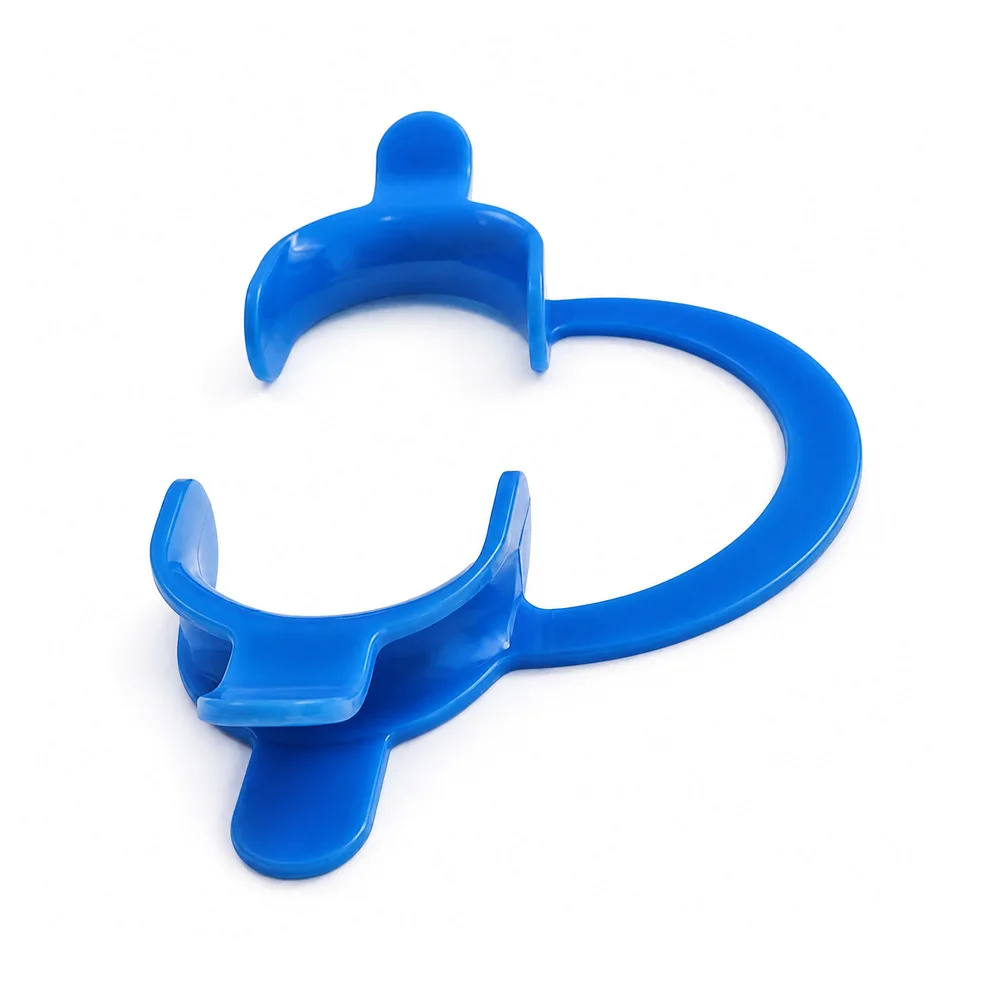
For a wholesale buyer, a dental mouth tray is not simply a small oral-care accessory. It is a product definition, a documentation task, and a channel decision bundled together. Before comparing quotations, clarify what the tray is intended to support, who will receive it, and which records need to travel with it. That sequence helps distributors, e-commerce teams, clinics, and pharmacies avoid treating similar-looking trays as interchangeable.
Here, a dental mouth tray is considered from the perspective of a buyer preparing a repeatable sourcing brief. Xiamen Yizhou Imp. & Exp. Co., Ltd. identifies dental whitening trays among its disclosed product areas and works with wholesale, e-commerce, clinic, and pharmacy audiences. The practical point is not to assume a capability from that description; it is to turn the brief into clear questions that a supplier can answer with product-specific evidence.
Start With the Intended Use, Not the Product Name
The phrase dental mouth tray is often used broadly online, while search results commonly focus on teeth-whitening applications and custom fit. A buyer should therefore state the intended use in plain language before asking for samples: for example, whether the project concerns a whitening-tray format, an impression-related tray, or another dental-use configuration. A tray designed, labelled, or marketed for one use should not be assumed suitable for another.
That distinction matters for product content, packaging, and regulatory review. In the United States, 21 CFR Part 872 covers dental devices and includes resin impression tray material; however, a regulation listing does not establish the classification, compliance status, or permitted claims of every tray. The applicable route depends on the actual product, intended use, market, and supporting documentation. If a buyer plans to sell into a regulated channel, independent professional and regulatory review is appropriate before any product claim is approved.
Build a Wholesale Brief Before Requesting Pricing
A useful dental mouth tray inquiry gives the supplier enough context to quote accurately without inviting unsupported assumptions. Rather than asking only for “FDA grade” or “OEM/ODM,” organize the request around decisions that can be documented.
- Product purpose: Describe the intended use, end user, and whether the tray is a professional-channel, retail, or e-commerce item.
- Tray configuration: Confirm arch coverage, thickness range, molding method, trim preference, and any requested sizing approach. Do not publish a specification until the supplier confirms it for the quoted SKU.
- Material evidence: Ask for the material name, supplier traceability where available, and any relevant test or compliance documents. “FDA grade” should be treated as a request for precise supporting records, not a universal product certification.
- Packaging and labels: Specify unit packaging, instructions, language, barcode needs, warnings, and carton requirements for the destination channel.
- Commercial details: Request MOQ, sampling process, lead-time basis, artwork approval checkpoints, and the quote validity period.
This is where an OEM/ODM discussion becomes concrete. An OEM/ODM program may involve branding, packaging, instructions, or a product configuration, but each requested change can affect the evidence and approval work needed before launch. Keeping a version-controlled brief makes later comparisons more useful than comparing unit price alone.
How to Evaluate an FDA Grade Request Carefully
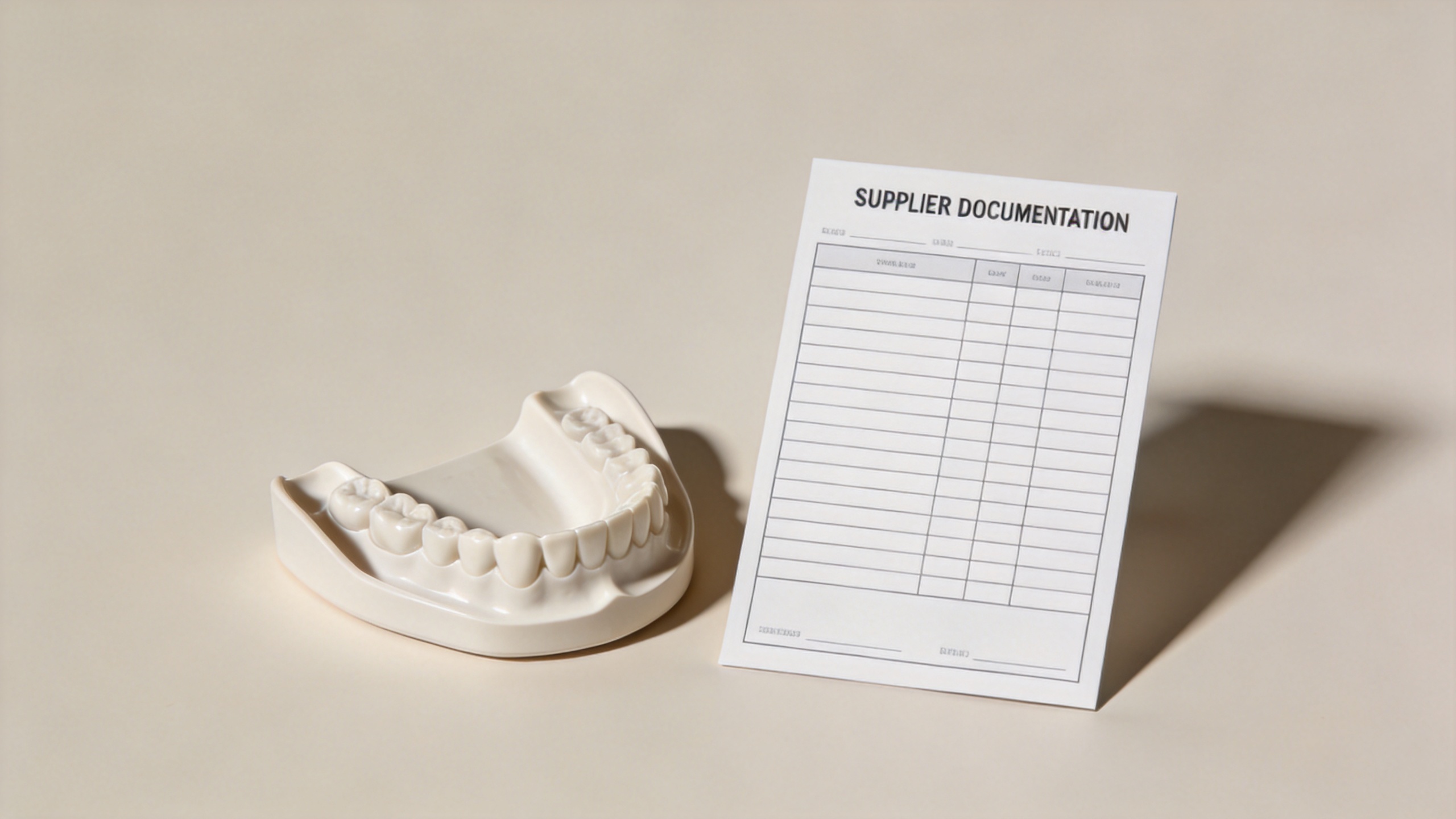
“FDA grade” is a common sourcing phrase, but it can mean different things to different teams. For a dental mouth tray, ask the supplier to define exactly what the phrase refers to: a material declaration, a test report, a facility-related record, a product classification assessment, or something else. If the answer is broad or undocumented, record that gap rather than converting it into a marketing claim.
FDA-recognized consensus standards include entries related to full-arch dental impression trays. That can help a buyer frame questions about potentially relevant standards, but it is not proof that a given item meets a standard or is cleared for a particular use. The same caution applies to terms such as medical grade, dental grade, or compliant. A purchasing file is stronger when it preserves the document title, issuing party, covered material or SKU, date, and any limitations.
| Buyer question | Why it matters | Evidence to request |
|---|---|---|
| What exact SKU and intended use does this tray cover? | Prevents product and claim mismatches. | Product specification and intended-use statement. |
| What does the FDA grade statement mean here? | Separates a material request from a broad regulatory claim. | Source declaration and product-specific supporting records. |
| Which markets and labels are included in the quote? | Packaging needs differ by channel and destination. | Artwork proof, instruction draft, and label checklist. |
| Which changes are included in OEM/ODM? | Clarifies scope before sampling and production approval. | Change-control list and approval milestones. |
Compare Suppliers on Total Work, Not Just Unit Cost
A low quoted price can lose its advantage if the product brief, packaging records, and artwork approvals require repeated clarification. For a wholesale dental mouth tray program, compare suppliers using the same written brief and ask each one to identify assumptions. That gives the buyer a better view of the total work involved in bringing the SKU to a sales channel.
For example, a distributor may prioritize consistent case-pack information and label-ready files, while a clinic channel may need a clearer separation between consumer-facing directions and professionally reviewed material. An e-commerce seller may need images, listing fields, and warnings aligned before the listing goes live. These are not interchangeable requirements, and they should be reviewed without implying that a tray can diagnose, treat, or deliver a universal outcome.
A Practical Sample and Approval Sequence
- Confirm the written brief. Freeze the intended use, market, tray format, packaging request, and artwork scope.
- Review sample identity. Ensure the sample, its material description, and the proposed production SKU are clearly connected.
- Check documentation completeness. Match every claimed attribute to a source document and flag open questions.
- Approve packaging proofs. Review wording, instructions, warnings, and channel-specific labels before production approval.
- Set change control. Agree that material, format, artwork, or claim changes trigger a new review.
The process is intentionally methodical. It helps a buyer move from a generic dental mouth tray request toward a sourcing file that can be explained to downstream teams. It also keeps a distinction between confirmed facts and items that require verification.
Questions to Send a Dental Mouth Tray Manufacturer
- Which dental mouth tray format most closely matches the stated intended use, and what product records support that recommendation?
- Which material details, batch or supplier traceability, and test documents are available for the proposed SKU?
- How is the FDA grade wording defined, and what specific document supports each part of that statement?
- What OEM/ODM elements can be customized, and which changes affect MOQ, timing, or documentation?
- Can the supplier provide a packaging, labelling, and instruction checklist for the buyer’s destination market?
- What information must be finalized before a production sample and final quotation can be approved?
Choose a Supplier Relationship That Supports Clear Verification
A professional dental mouth tray manufacturer and wholesale supplier should be evaluated through the clarity of the working process as well as the quotation. For buyers serving clinics, pharmacies, retailers, or online channels, the most useful supplier discussion is one that identifies the SKU, intended use, supporting records, packaging needs, and open questions early.
Use the checklist above as a starting brief, then have legal, regulatory, and clinical stakeholders review any product-specific claims for the market where the item will be sold. That keeps an FDA grade or OEM/ODM request grounded in traceable information rather than in broad language that cannot be supported later.


 Hot News
