 EN



Professional Orthodontic Mouthpiece Manufacturer And B2B Wholesale Supplier
For a distributor, clinic buyer, pharmacy program, or e-commerce team, selecting an orthodontic mouthpiece supplier is not the same as selecting a consumer item from a catalog. The product must be evaluated for its intended user, the changing geometry of orthodontic treatment, packaging needs, and the evidence a supplier can provide before an order is approved. This guide gives purchasing teams a practical way to assess an orthodontic mouthpiece manufacturer for wholesale and private-label programs.
Xiamen Yizhou Imp. & Exp. Co., Ltd. serves buyers across mouthguard-related, sleep-appliance, and dental-tray product categories. Its disclosed customer groups include wholesalers, e-commerce platforms, offline clinics, and pharmacies, with a focus on overseas markets. That context makes a verification-led purchasing process more useful than broad marketing promises.
Start With the Intended Use of an Orthodontic Mouthpiece
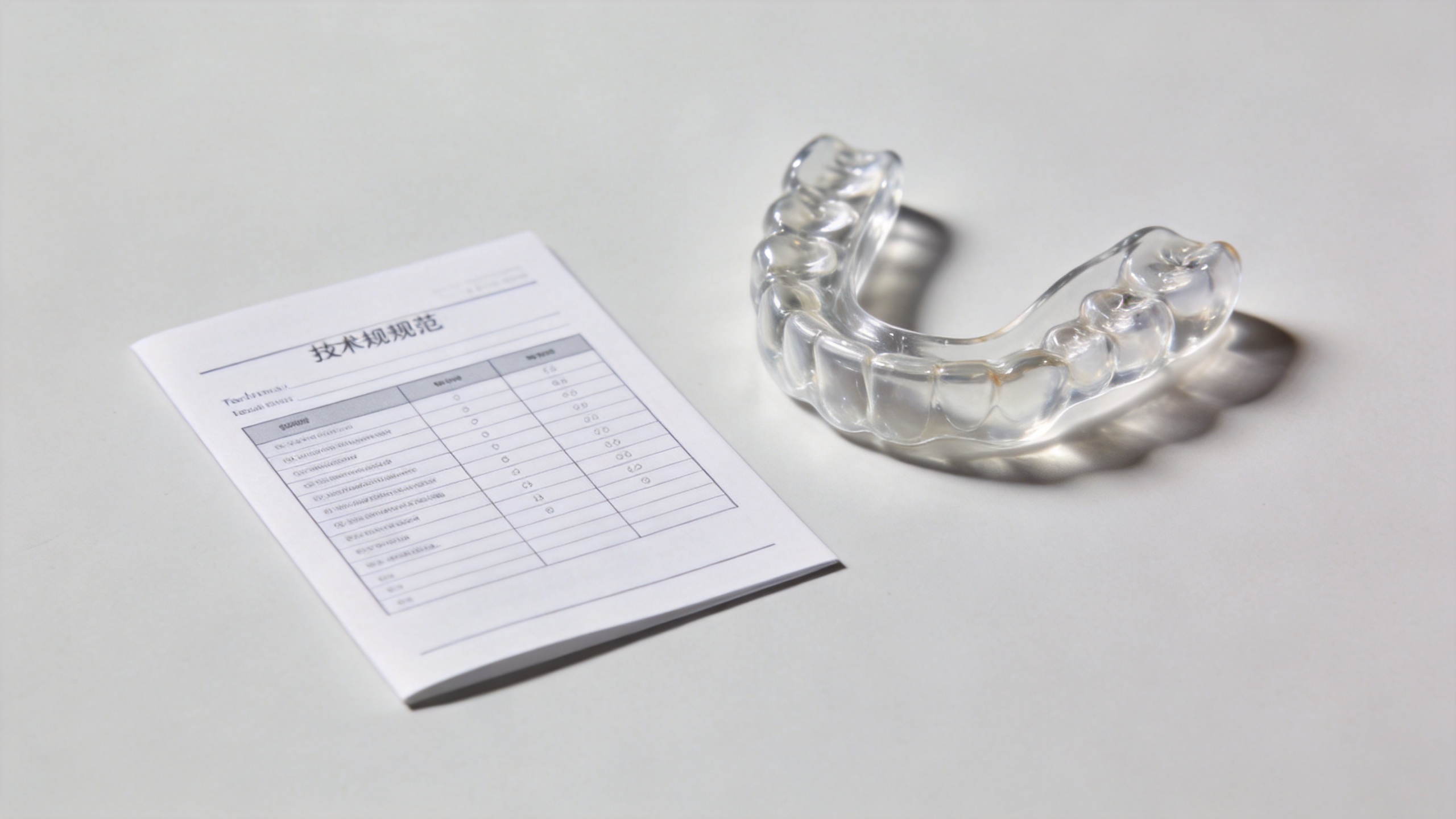
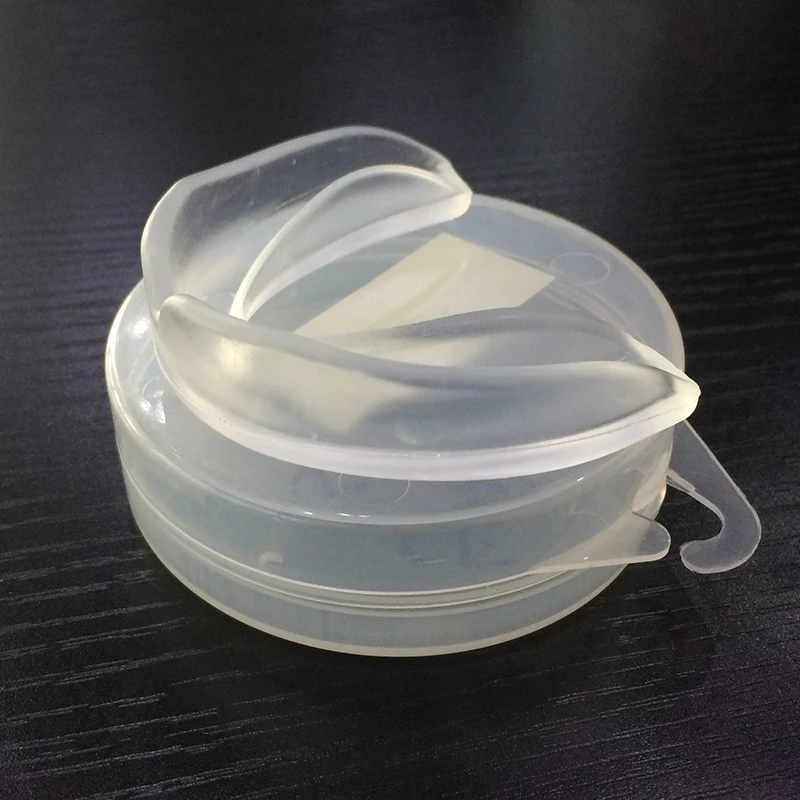
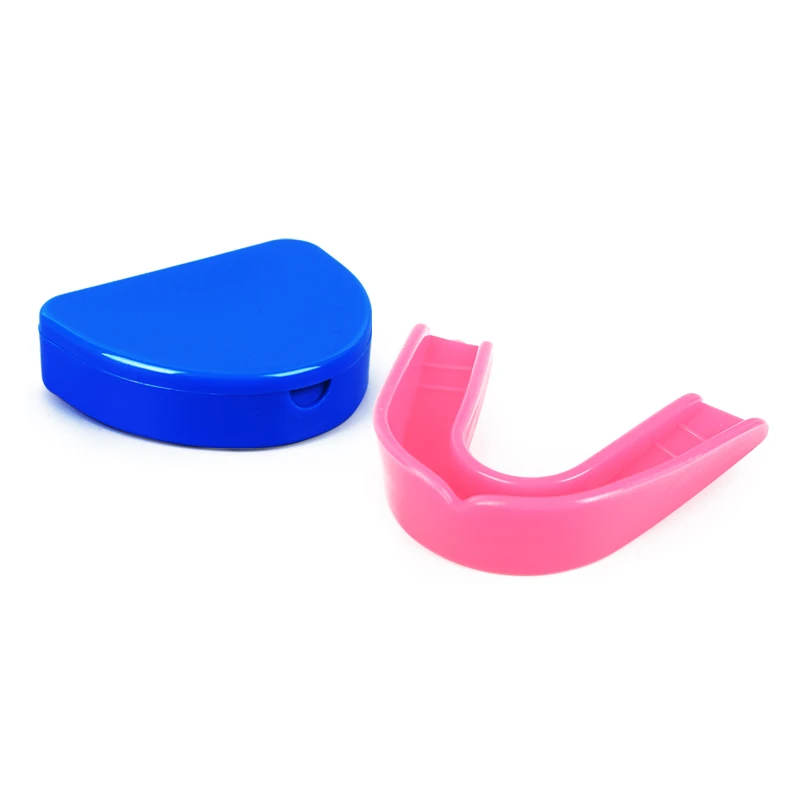
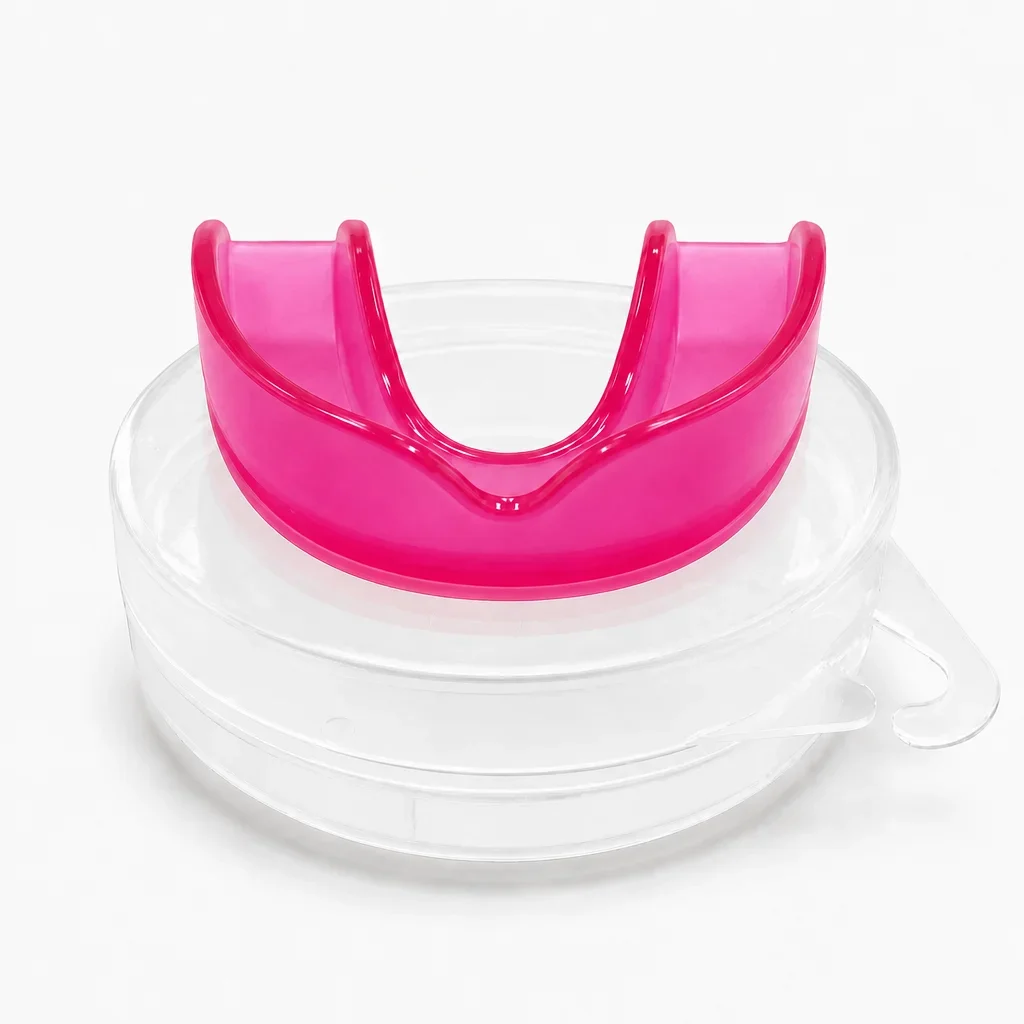
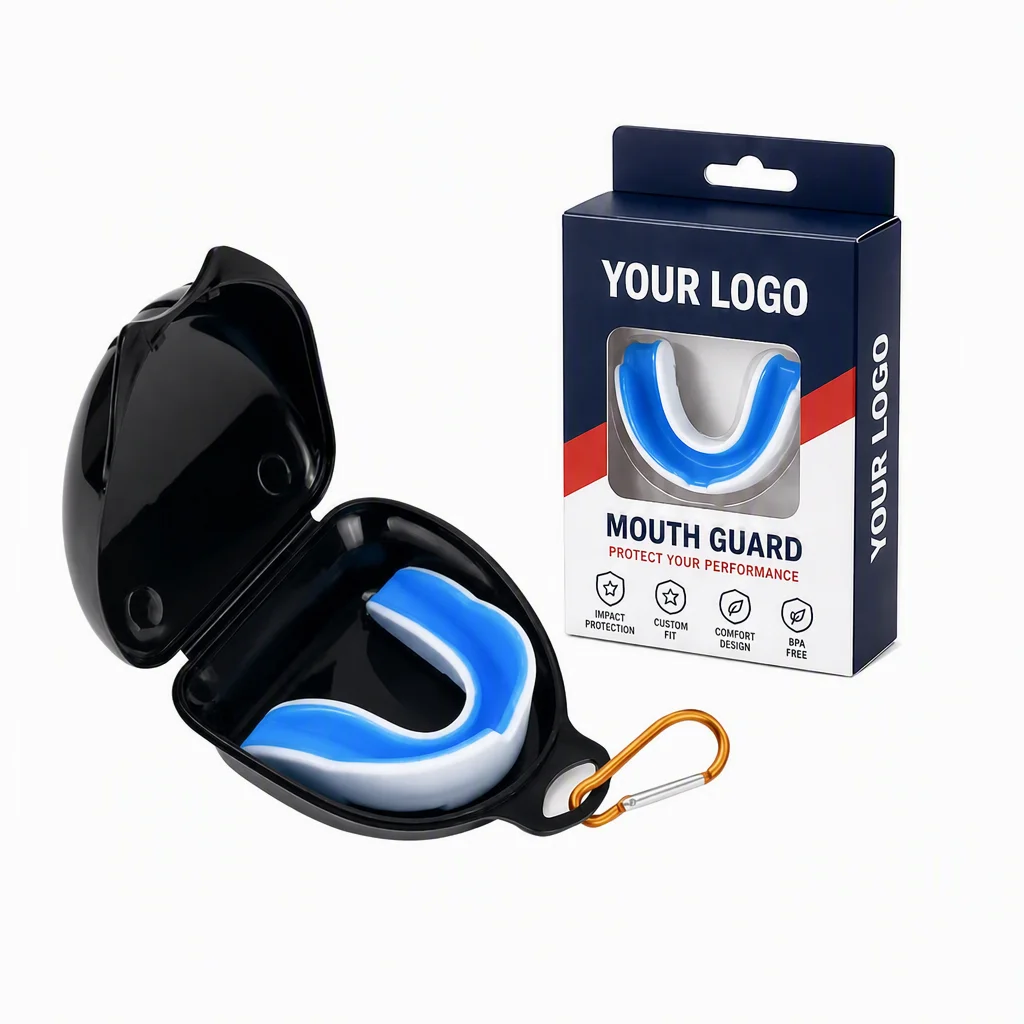
An orthodontic mouthpiece is generally chosen for users wearing braces or other orthodontic appliances who need protective coverage during sports or active recreation. The key design question is not simply whether a guard fits the teeth today. It is whether the orthodontic mouthpiece leaves suitable room around brackets and wires while remaining comfortable enough to be worn correctly.
Dental organizations commonly emphasize proper fit, retention, and coverage when discussing athletic mouthguards. For B2B buyers, that creates a useful product brief: define the target sport or activity, user age range, appliance types to accommodate, desired retention approach, and whether the program requires a reheatable or other fit-adjustment format. Avoid presenting a product as protective for every user or appliance without supporting validation.
What Wholesale Buyers Should Ask Before Comparing Quotes
A good quotation is only one part of an orthodontic mouthpiece sourcing decision. Ask each prospective supplier to respond to the same written brief so material, configuration, and service differences are visible.
- User and fit brief: Which orthodontic appliances, age groups, and sport scenarios is the proposed orthodontic mouthpiece intended to address?
- Material disclosure: What is the polymer or formulation description, what colorants are used, and what material documents can be shared for the destination market?
- Design evidence: Can the supplier show dimensional drawings, approved samples, fit guidance, and version control for the selected orthodontic mouthpiece?
- Production controls: How are incoming materials, visual appearance, trimming, packaging, and final inspection recorded for the order?
- Commercial controls: What are the MOQ, sampling milestones, packaging options, lead-time assumptions, and change-approval process?
These questions convert an orthodontic mouthpiece purchase from a generic price comparison into a supplier-qualification exercise. They also help a buyer identify which information is confirmed and which still needs to be verified during sampling.
How to Evaluate “Dental Grade” Responsibly
The phrase dental grade is often used in procurement conversations, but it should not be treated as a universal certification or a substitute for product-specific documentation. For an orthodontic mouthpiece, buyers should state the market, intended use, and documentation they require, then ask the supplier to identify what can be supplied for that request.
A practical documentation review may include a material specification, relevant supplier declarations, batch traceability expectations, colorant information, and a discussion of any testing or regulatory review required for the intended market. The right evidence depends on the product’s claims and destination. A wholesale buyer should not infer that a orthodontic mouthpiece is cleared, registered, certified, or medically indicated merely because a catalog uses the words dental grade.
For example, current U.S. quality-system requirements for applicable medical devices are market-specific and must be assessed against the actual product and claims. The procurement takeaway is straightforward: request documents, review their scope, and confirm responsibilities before using regulated language on packaging or listings.
OEM Factory Capability: Look for a Controlled Process, Not a Label
An OEM factory relationship can give buyers more control over branding, packaging, and product configuration, but only if the approval path is clear. When evaluating an OEM factory for an orthodontic mouthpiece program, ask how the factory manages artwork, samples, material substitutions, mold or tooling changes where applicable, and release approval before mass production.
| Stage | Buyer approval point | Useful record |
|---|---|---|
| Specification | Confirm the target user, appliance space, color, and packaging requirements for the orthodontic mouthpiece. | Signed product brief |
| Sampling | Check fit concept, finish, odor, edge condition, branding, and pack presentation. | Approved sample and change log |
| Pre-production | Confirm the final bill of materials and inspection criteria. | Pre-production approval |
| Mass production | Review agreed checkpoints and shipment documentation. | Inspection and packing records |
This approach helps an OEM factory and buyer avoid a common problem: treating a photograph or an early sample as proof of the final production specification. For private-label orthodontic mouthpiece orders, written controls are more durable than informal assumptions.
Build a Product Range Around Buyer Channels
Different channels need different versions of an orthodontic mouthpiece program. A clinic may prioritize professional education and patient instructions. A pharmacy buyer may focus on shelf-ready packaging, barcode placement, and clear use-and-care language. An e-commerce seller may need structured images, listing copy that avoids unsupported claims, and packaging that protects the product during fulfillment. A wholesaler may need assortment logic and repeat-order consistency.
Instead of asking for one universally suitable orthodontic mouthpiece, create a range brief that separates configurations by channel, branding level, and pack count. The supplier can then explain what is standard, what is customizable, and what requires sampling or additional tooling. This makes an orthodontic mouthpiece catalog easier to manage across markets without assuming every option has the same compliance status.
Quality Checks That Matter Before Shipment
Before approving an orthodontic mouthpiece shipment, agree on observable criteria. These commonly include correct color and branding, clean edges, visible surface condition, package completeness, count accuracy, and correspondence to the approved sample. If fit-related claims are part of the brief, define the test method and acceptance criteria rather than relying on a general statement of quality.
Buyers should also plan for post-purchase care information. Orthodontic users may experience treatment changes, and any orthodontic mouthpiece should be periodically inspected for wear, damage, or changed fit. Product instructions should encourage users to seek professional advice when appropriate, rather than presenting a wholesale product page as individualized dental guidance.
A Practical Supplier-Selection Checklist
- Define the end user, channel, destination market, and intended claims for the orthodontic mouthpiece.
- Request comparable material, specification, sample, and packaging information from each supplier.
- Clarify what dental grade means in the supplied documentation rather than using it as a standalone approval criterion.
- Evaluate the OEM factory change-control and sample-approval process.
- Approve a production-ready brief before placing a repeatable wholesale order.
Choose a Partner That Supports Informed Buying
A suitable orthodontic mouthpiece supplier can help a buyer make verifiable decisions: defining the application, documenting the agreed configuration, managing sample approval, and communicating what is confirmed versus what requires further review. For distributors and private-label teams, that discipline protects both the product program and the brand that stands behind it.
For a B2B inquiry, share your target market, buyer channel, desired packaging, expected order volume, and the product claims you intend to make. A clear brief gives an orthodontic mouthpiece manufacturer a better basis for proposing an appropriate wholesale and customization path.

 Hot News
