 EN



Why Is a Custom Mouth Guard for Boxing Essential for Impact Protection?
For a boxing buyer, a mouthguard is not simply a branded accessory. A custom mouth guard boxing program is a product-and-information decision: the guard needs to suit its intended contact-sport use, while the supplier needs to document what is actually being offered. That distinction matters to wholesalers, e-commerce teams, gyms, and specialty retailers that must explain the product clearly to their own customers.
Boxing creates repeated opportunities for oral impact, so buyers commonly prioritize retention, coverage, cushioning, and a fit that supports normal communication during training. The American Dental Association notes that, depending on circumstances, dentists may recommend a custom-fit mouthguard or a properly fitted boil-and-bite option. That is useful context, but it is not a shortcut around product verification. A buyer should still confirm the specific design, materials, sizing process, care instructions, and claims for each SKU.
Impact protection starts with fit, coverage, and retention
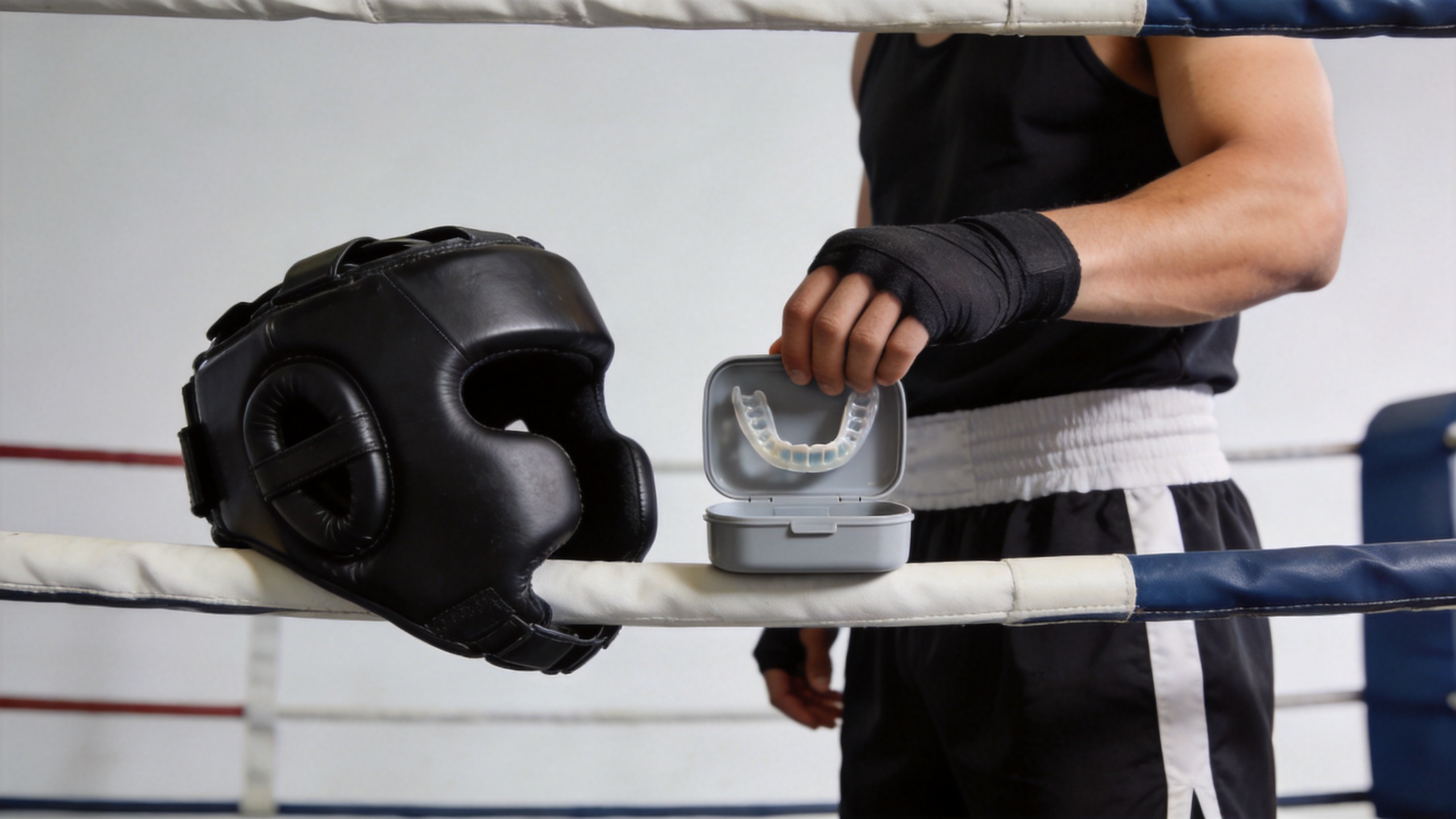
A custom mouth guard boxing product is usually considered when a channel wants a closer fit than a generic, one-size option. A guard that stays in place can be easier for an athlete to keep positioned through drills and sparring; however, comfort language should not be turned into a universal performance promise. Mouth shape, braces, training intensity, and individual tolerance all affect suitability.
Coverage is equally important. The American Academy of Pediatric Dentistry states in its policy material that a mouthguard should cover all teeth in at least one arch, customarily the upper arch, for maximum protection, cushioning, and retention. For procurement, that statement translates into a practical question: which teeth does the proposed design cover, and can the supplier show the product geometry or fit guidance that supports the answer?
Why boxing buyers should not purchase by appearance alone
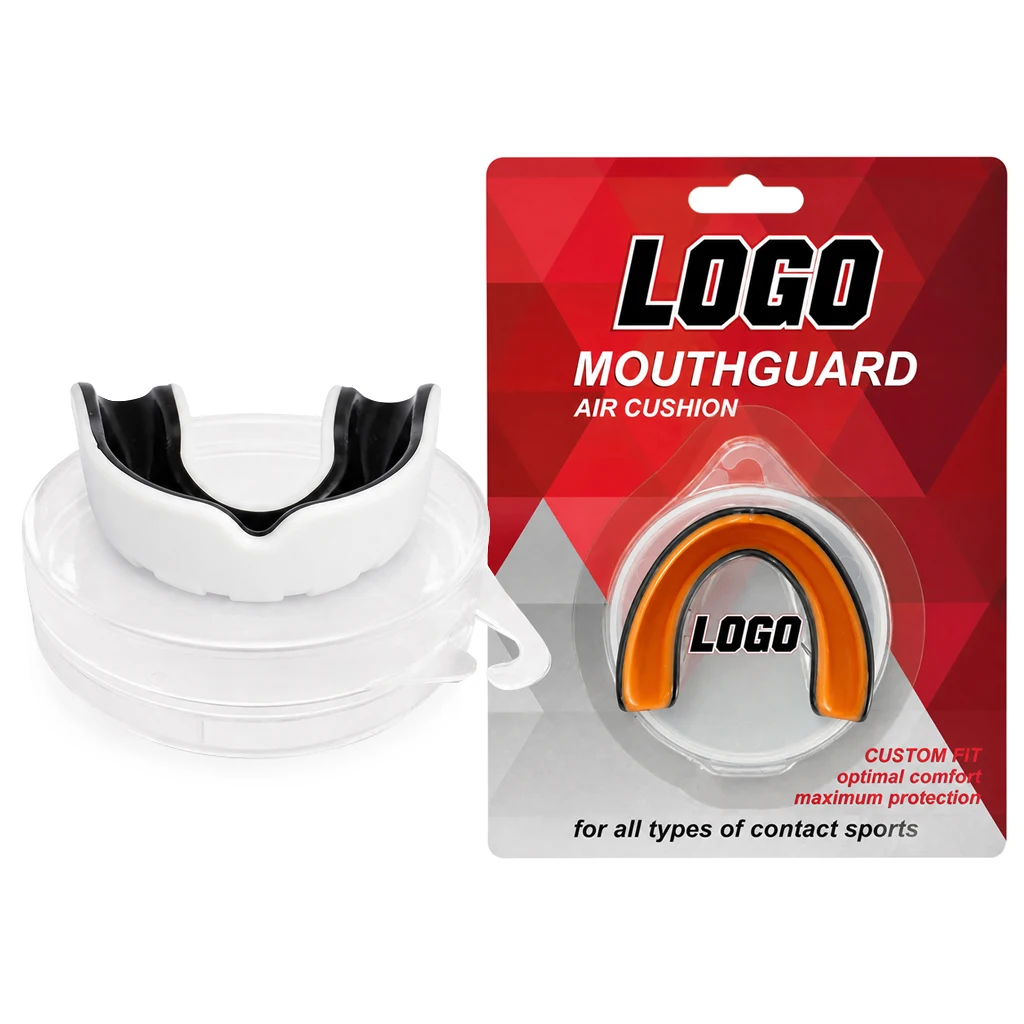
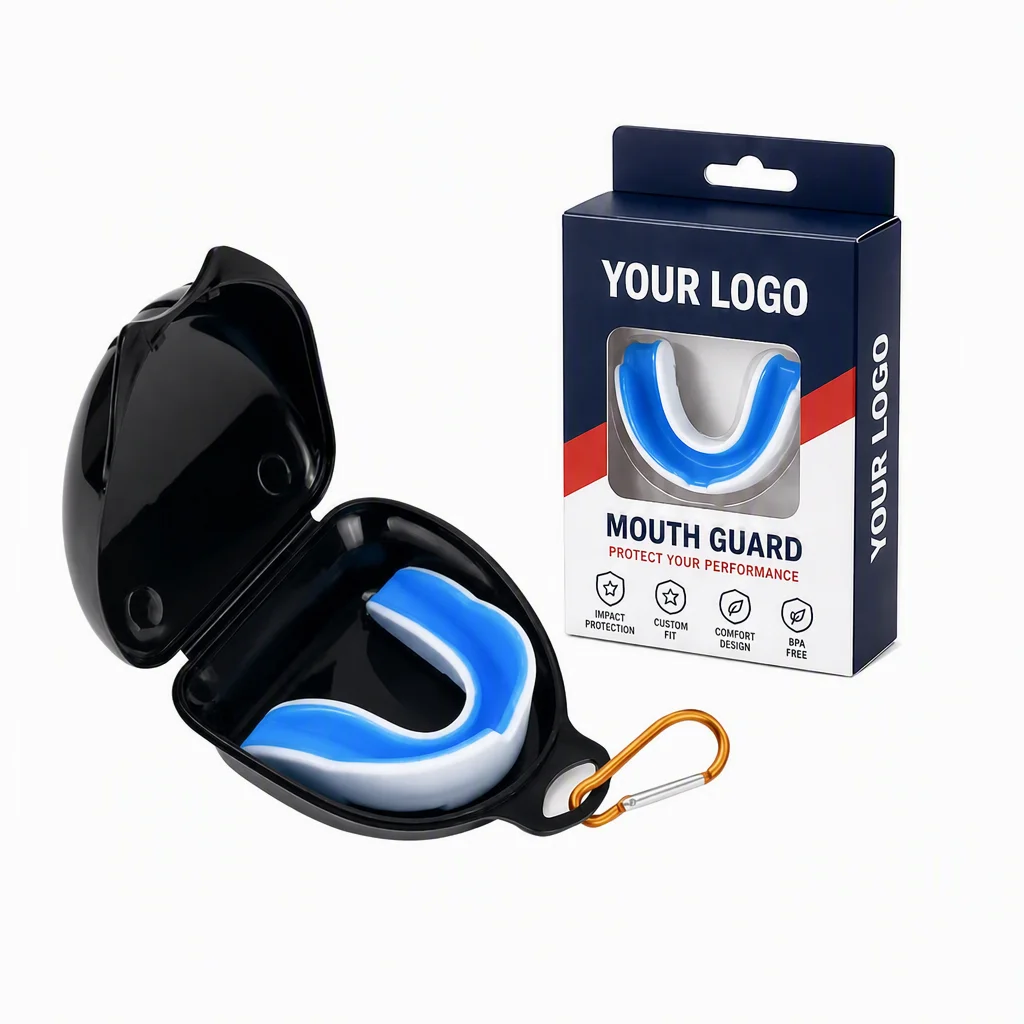
At first glance, many guards look similar. More usefully, separate the purchase into the use target, the construction details, and the evidence available for the sales claim. A logo, a colorway, or a thick-looking profile does not establish how a particular custom mouth guard boxing unit will fit or perform in a real training setting.
- Use target: Is the item intended for boxing-only training, broader combat-sport use, youth programs, or adult retail?
- Fit route: Is it stock sizing, boil-and-bite fitting, or a custom impression/digital workflow? State the process clearly in channel materials.
- Coverage and retention: Request illustrations, fitting instructions, and confirmation of the intended arch coverage.
- Construction information: Ask for material identification, layer or design description where applicable, and care guidance instead of assuming specifications from photos.
- Claims support: If the packaging says impact protection, comfort, or competition suitability, ask what documentation supports that wording.
This approach moves the discussion from a vague selling point to questions a wholesale team can actually evaluate. It also prevents an OEM/ODM brief from becoming too loose to price accurately.
What a usable OEM/ODM brief should include
OEM/ODM requests can cover artwork, color, packaging, and channel labeling, but customization should not obscure the core product brief. Before approving a sample, put the following information into one written request:
- Target user and expected boxing environment, such as light technical training, club use, or contact-focused sparring.
- Age group, sizing approach, and whether users may have braces or other fit considerations.
- Requested fit workflow and the instructions that will reach the end user.
- Design boundaries: coverage, profile preferences, logo location, colors, and packaging format.
- Required evidence: material declaration, applicable testing or compliance documents if available, artwork approval record, and final sample sign-off criteria.
It is worth separating confirmed facts from open questions. If material grade, thickness, test results, or market-specific documentation has not been provided, label those items as pending rather than implying that every custom program has the same specifications. That makes later revisions easier for a distributor and avoids unsupported copy.
How bulk buy decisions affect the downstream experience
A bulk buy decision changes more than the unit price. Buyers may need multiple sizes, retail-ready packaging, an instruction insert, barcode placement, spare-sample planning, and a clear process for artwork revisions. For gyms and retail groups, a small pilot can reveal whether the sizing guidance and packaging language are understandable before a larger commitment is made.
When comparing quotations, ask suppliers to state what is included and what remains optional. Tooling, logo treatment, individual packaging, color matching, sample cycles, and documentation requests can alter both lead time and the amount of coordination required. The lowest quoted unit price is not automatically the lowest total workload for a channel team.
Build product claims around evidence, not assumptions
A responsible product page can explain that a custom mouth guard boxing option is designed for a specified sporting use and that fit, coverage, and care instructions matter. It should not claim to prevent every injury, guarantee comfort, improve breathing, or make a product suitable for every athlete unless those claims are specifically supported. Individual dental and health circumstances should be assessed by an appropriate professional.
For B2B catalog teams, a claim-review grid is helpful:
| Content area | What to request before publishing | Safe interim wording |
|---|---|---|
| Materials | Supplier material declaration and any relevant market documentation | “Material details available on request after supplier confirmation.” |
| Fit | Sizing chart, fitting steps, and sample validation feedback | “Select and fit according to the supplied instructions.” |
| Protection language | Product design information and substantiation for specific claims | “Intended for the stated boxing-use program; verify product documentation before making performance claims.” |
| OEM/ODM presentation | Approved artwork proof, packaging specification, and labeling review | “Custom branding options depend on the approved project specification.” |
A sourcing checklist for custom boxing mouthguards
Before committing to a bulk buy, bring the buying, quality, and content teams into the same review. Confirm the intended user, design files, fitting route, packaging configuration, sample approval standard, delivery timeline, and the documents needed for the target market. Then make sure the product listing, carton artwork, and sales brief use the same approved terminology.
For Xiamen Yizhou Imp. & Exp. Co., Ltd., the disclosed business scope includes sports mouthguards alongside snoring mouthpieces and dental whitening trays. That makes clear category separation especially useful: a boxing guard should be described by its sport-use context rather than blended with unrelated oral-product claims. A channel-ready brief gives retailers and distributors a more reliable way to compare options and ask better follow-up questions.
Conclusion
A custom mouth guard boxing purchase is essential to evaluate carefully because impact protection depends on more than a visual design. Start with the intended boxing scenario, then verify coverage, fit process, construction information, packaging, and claim support. With a documented OEM/ODM brief and a disciplined bulk buy checklist, B2B buyers can build a product program that is clearer to source, easier to explain, and less likely to rely on unverified promises.

 Hot News
