 EN



Why Is A Custom Football Mouth Guard For Youth Essential For Impact Protection?
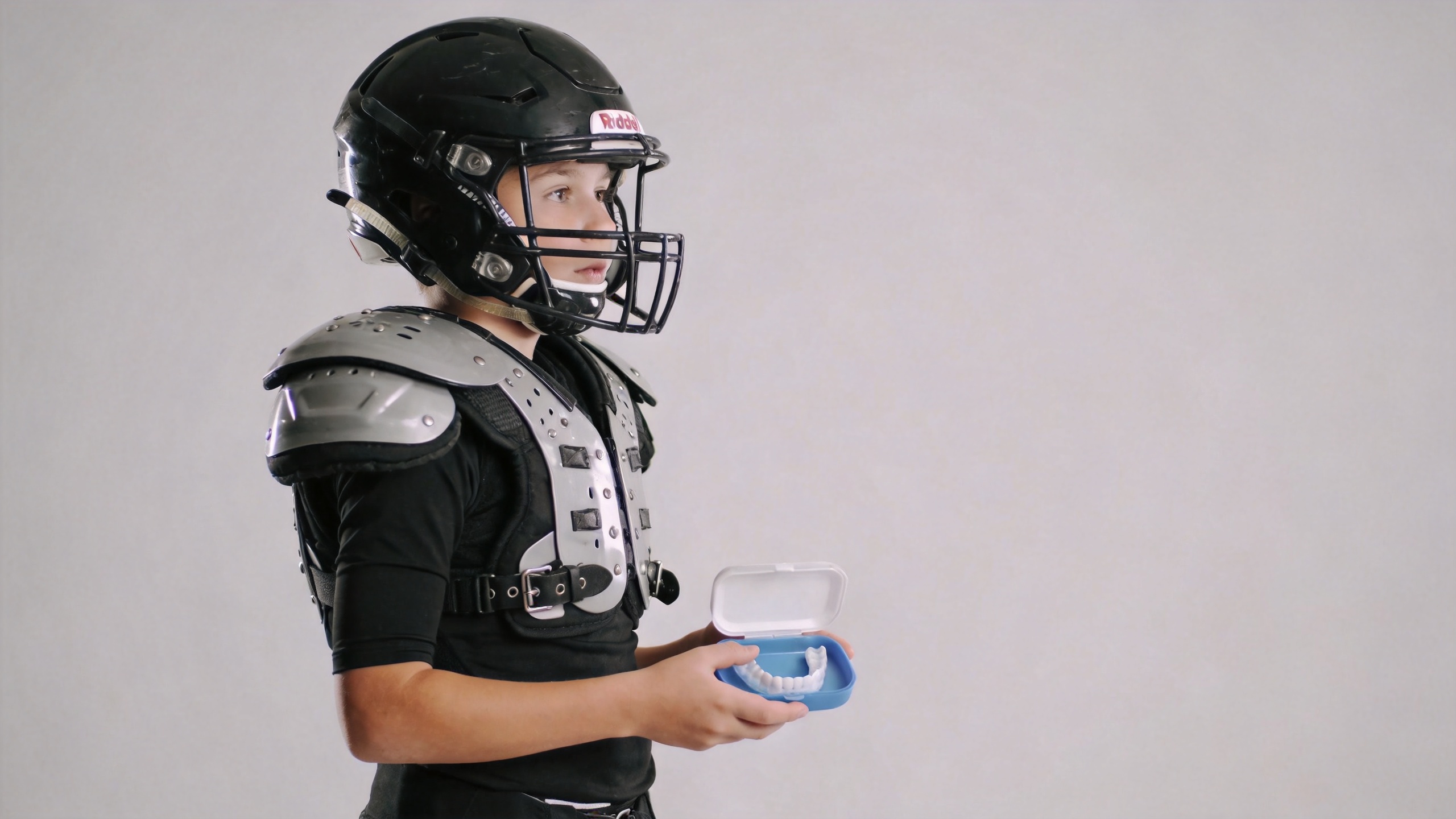
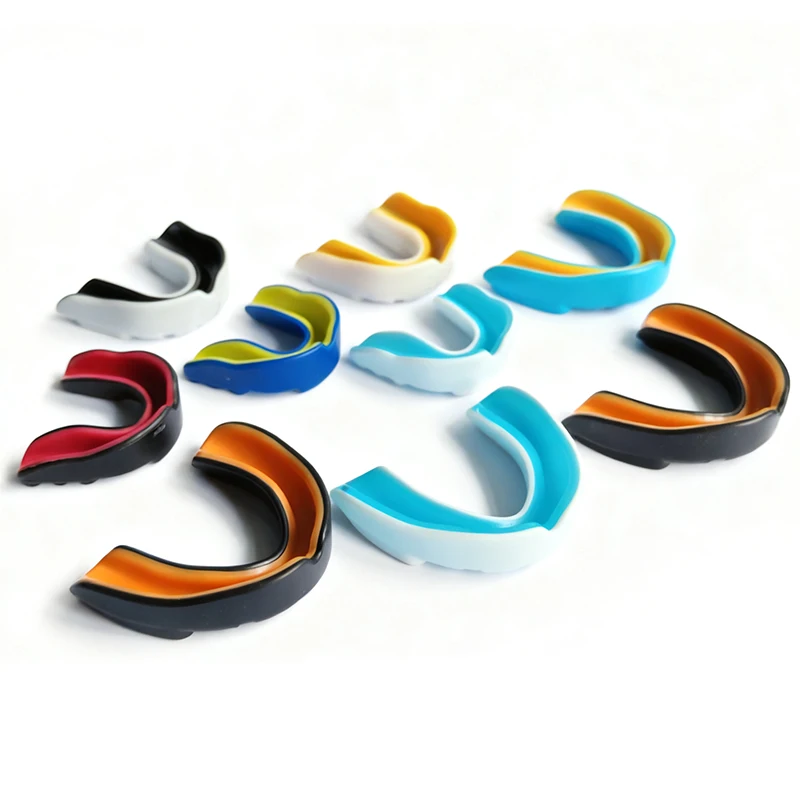
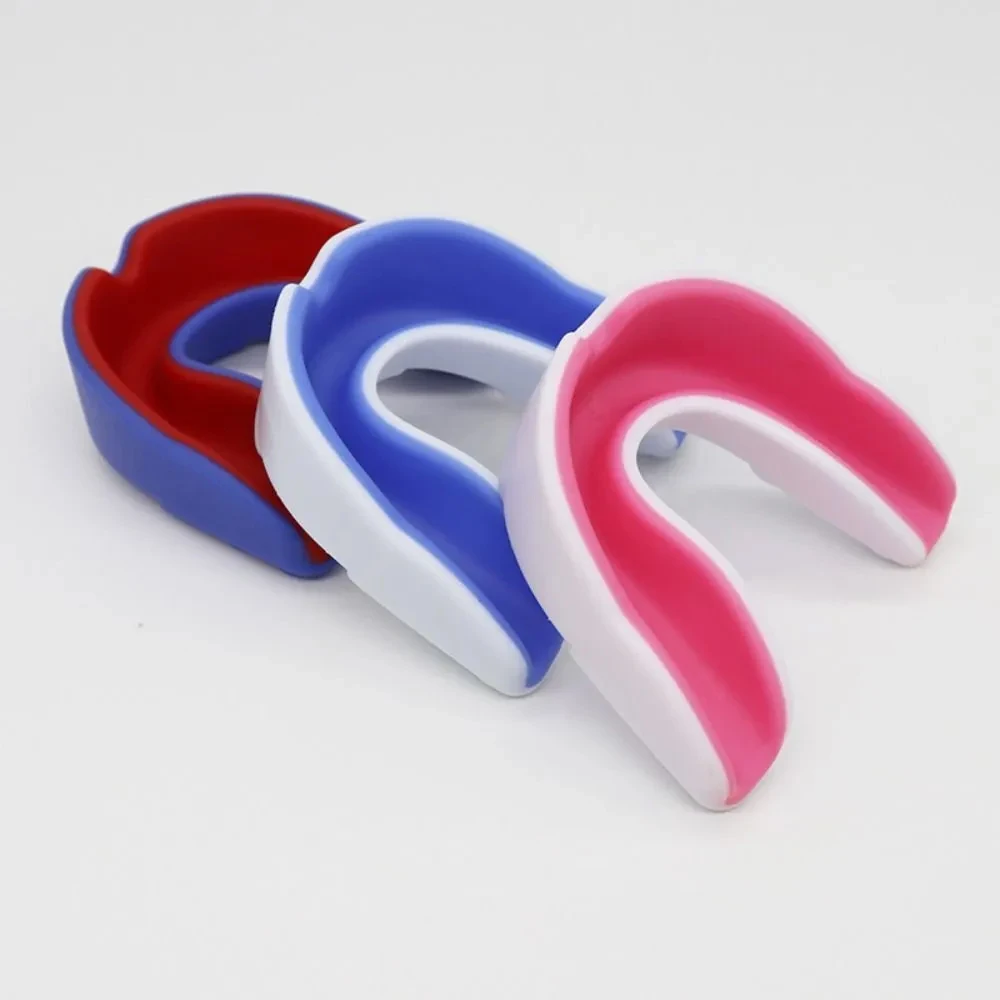
A youth football player can have the right helmet, pads, and practice plan yet still overlook one piece of equipment that sits directly between the teeth, lips, and a hard hit. A football mouth guard for youth is not just a small accessory to check off before kickoff. When it is properly fitted, worn consistently, and reviewed as a child grows, it can help cushion and distribute forces around the teeth and oral tissues during contact. That is why parents, coaches, and youth-sports buyers should assess fit and use rather than choose only by color, price, or package claims.
From a sports-protection use perspective, the important question is not whether a mouthguard looks substantial. It is whether a young player will keep it in place during drills and games. The American Dental Association recommends a properly fitted mouthguard for sports and recreational activities that carry a significant risk of dental or orofacial injury. Proper wear matters because a guard left in a pocket or dangling from a helmet cannot provide protection at the moment of impact.
What impact protection means in youth football
Football includes collisions, falls, accidental elbow contact, and contact with equipment. A mouthguard is intended to create a protective buffer between the upper and lower teeth and between teeth and soft tissues. In practical terms, that may help limit the chance that lips or cheeks are caught between teeth during a hit and may help protect teeth from direct contact. It should be considered one part of an overall safety approach alongside coaching, rules, helmets, face protection, and prompt assessment after any injury.
It is important to keep the claim precise. A football mouth guard for youth is designed for oral and facial impact protection; it does not make football risk-free and should not be described as a certain way to prevent concussion or any other injury. When a player has jaw pain, a dental injury, dizziness, headache, or other concerning symptoms after a hit, a parent or coach should follow the team’s injury procedures and seek appropriate professional evaluation.
Why a youth-specific custom fit changes the decision
Children are not simply smaller adults. Their mouths, teeth, and bite can change as primary teeth are lost, permanent teeth erupt, or orthodontic treatment begins. A guard that once felt secure can become loose, pinching, or difficult to wear. A custom approach starts with the player’s current dentition and can make it easier to build a close, stable fit around the teeth. The goal is not to promise a universal outcome; it is to reduce the practical problems that make a child remove a guard in the middle of play.
Fit affects use in several connected ways:
- Retention: A guard should stay seated without a player needing to bite down constantly to hold it in place.
- Comfort: Edges and thickness should not distract the player or irritate soft tissue during long practices.
- Communication and breathing: Young athletes need to breathe and respond to coaches. These needs should be discussed during fitting instead of assumed from a product label.
- Dental changes: A fit review is sensible after noticeable tooth movement, tooth loss, orthodontic changes, or a growth spurt.
This is where the phrase football mouth guard for youth becomes more meaningful than a generic “one size” description. The product has to match a child’s current mouth and real participation habits, not merely the sport printed on the packaging.
Custom, boil-and-bite, and stock guards: ask the right questions
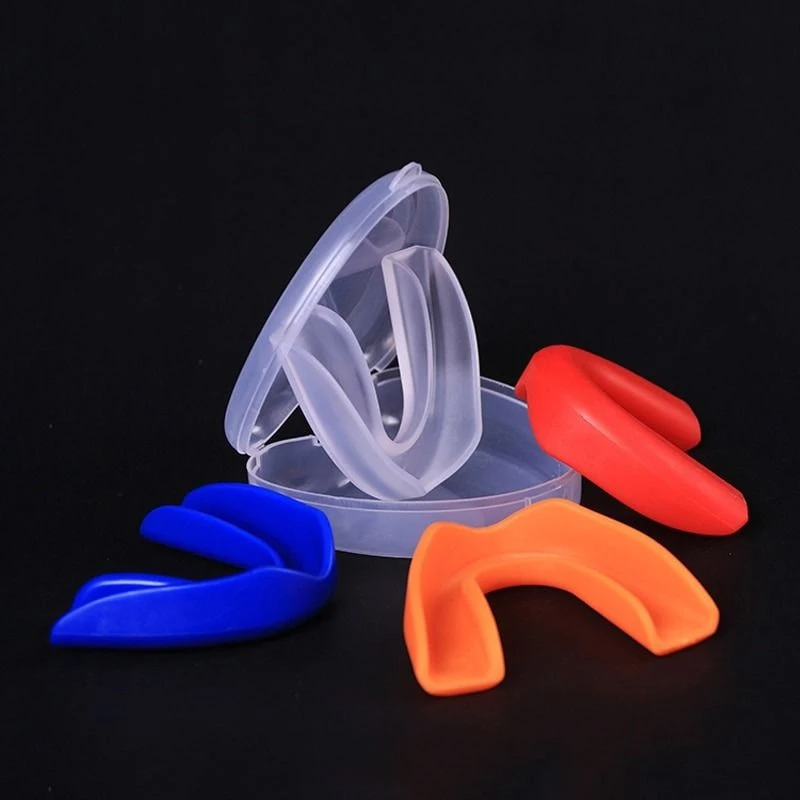
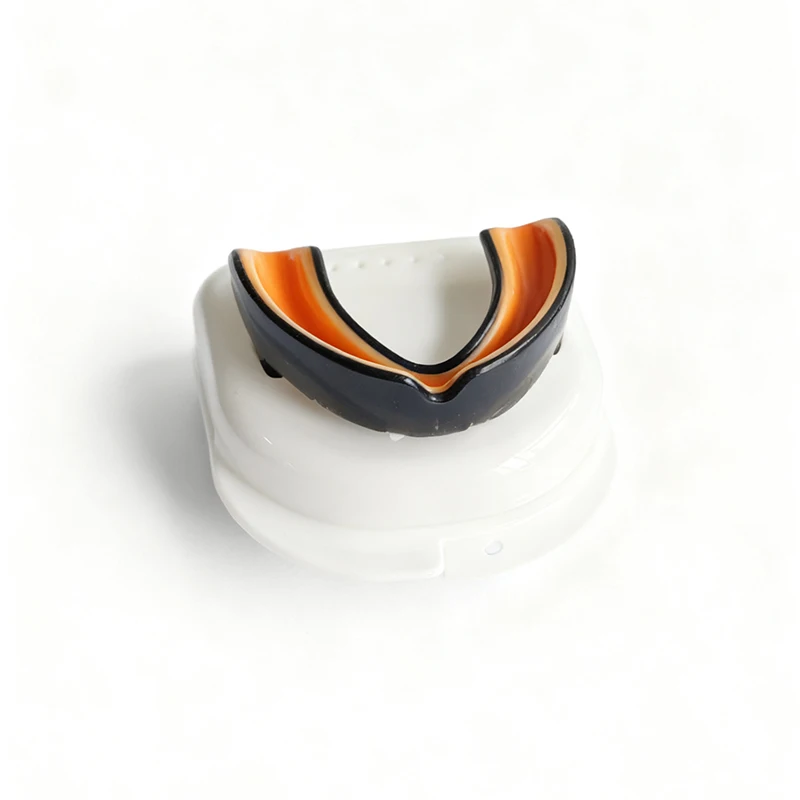
There are several mouthguard categories, and each can serve a different budget, timing, or distribution need. A stock guard is ready to use but may offer limited retention because it is not shaped to the player. A boil-and-bite guard can be molded at home when instructions are followed carefully, although the result depends on material behavior and fitting technique. A custom-made guard is typically formed from an impression or scan under dental guidance and is designed around the individual’s current dentition.
For a high-contact youth-football setting, a custom option is worth discussing when consistent retention, orthodontic considerations, prior fit problems, or comfort concerns are present. The American Academy of Pediatric Dentistry notes that dental development and orthodontic movement can change how a custom guard fits over time. That does not mean every child needs the same solution; it means a parent or coach should avoid treating fit as a one-time purchase decision.
A practical fit checklist for parents and coaches
Before relying on a football mouth guard for youth, use a short on-field checklist. Have the player put it in, speak a sentence, take several controlled breaths, and move the jaw naturally. Watch for obvious lifting, slipping, gagging, sharp pressure, or a need to clench just to keep the guard seated. Those signs do not diagnose a problem, but they show that the guard may need adjustment or professional review.
- Confirm the player can seat the guard securely and remove it without struggle.
- Check that the guard has no tears, deep bite marks, rough edges, or warped areas.
- Ask whether a recent dental visit, lost tooth, new braces, or adjustment has changed the fit.
- Clean the guard after use, let it dry, and store it in a ventilated case away from heat.
- Replace or reassess it when damage, poor retention, or dental changes appear.
For players with braces, dental work, or a history of oral injury, the safest next step is often to ask a dentist which type and fit approach is appropriate. General buying advice cannot replace individual dental guidance.
Why comfort supports protection rather than competing with it
It is easy to treat comfort as a cosmetic preference. In youth sport, it is a safety-use issue. A bulky or unstable guard may be removed during water breaks, left out for drills, or worn only partially. In contrast, a guard that feels stable and allows the player to focus on instructions is more likely to be worn as intended. A football mouth guard for youth should therefore be evaluated through actual practice use, not only by a quick try-on at home.
For teams, retailers, and wholesale buyers selecting sports gear, consistent information is as useful as an oversized promise. Product materials, fit instructions, sizing ranges, care guidance, and any relevant testing or compliance documentation should be requested and verified before publication or purchase. An OEM/ODM discussion can also be practical when a buyer needs packaging, branding, or instructions tailored to a youth-sports program, but those details should be confirmed with the supplier rather than inferred from a catalog image.
Questions to ask before ordering or recommending a guard
- Is the recommendation based on the player’s current teeth and any orthodontic treatment?
- What fitting instructions and care instructions will the family receive?
- How should fit be reassessed after a dental change or a season of heavy use?
- Can the player breathe, speak, and keep the guard seated during realistic movement?
- Which product facts are documented, and which claims still need verification?
The bottom line
A custom football mouth guard for youth is essential to consider because youth football involves oral-impact risk while young mouths continue to change. A sound decision is not driven by a bold protection claim. It is driven by current fit, reliable wear, comfort during real play, appropriate care, and timely reassessment when teeth or orthodontic needs change. By treating the mouthguard as active protective equipment rather than a disposable accessory, parents and coaches can make a more informed choice for every practice and game.

 Hot News
