 EN



Your Trusted Rubber Mouth Guard OEM Partner and B2B Sourcing Guide
Buying a rubber mouth guard for resale, a clinic channel, or a private-label program is not the same as selecting one item from a retail shelf. The purchase team must turn a broad request—“soft,” “comfortable,” or “custom”—into a brief a supplier can quote, sample, and document. A dependable rubber mouth guard program starts with use case, fit method, materials information, packaging requirements, and a clear review of what has actually been verified.
From a wholesale buyer’s perspective, the more useful question is not “Which rubber mouth guard should we select?” It is: “Which product definition can our channel support consistently?” That shift helps prevent a familiar problem: a supplier and buyer use the same product name while expecting different fit, care, labeling, or end-use outcomes.
Start by defining the rubber mouth guard use case
A rubber mouth guard can be used as a loose commercial description for products intended for sports protection, nighttime wear, or other oral applications. Those categories should not be treated as interchangeable. For B2B sourcing, write the intended use in one plain sentence before requesting a quotation. Include who will use the product, where it will be sold, how it is expected to fit, and what instructions will accompany it.
- Sports channel: identify the sport, wearer group, fit approach, and care-information needs.
- Retail or e-commerce channel: specify pack format, storefront claims review, labeling language, and returns considerations.
- Professional channel: identify what product information and market documentation the channel must review before listing.
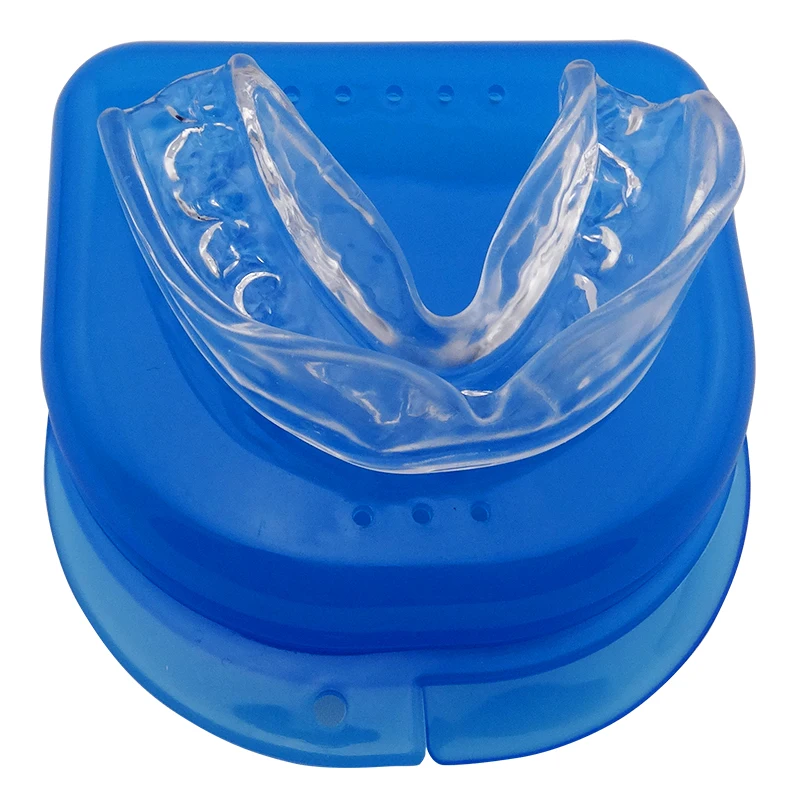
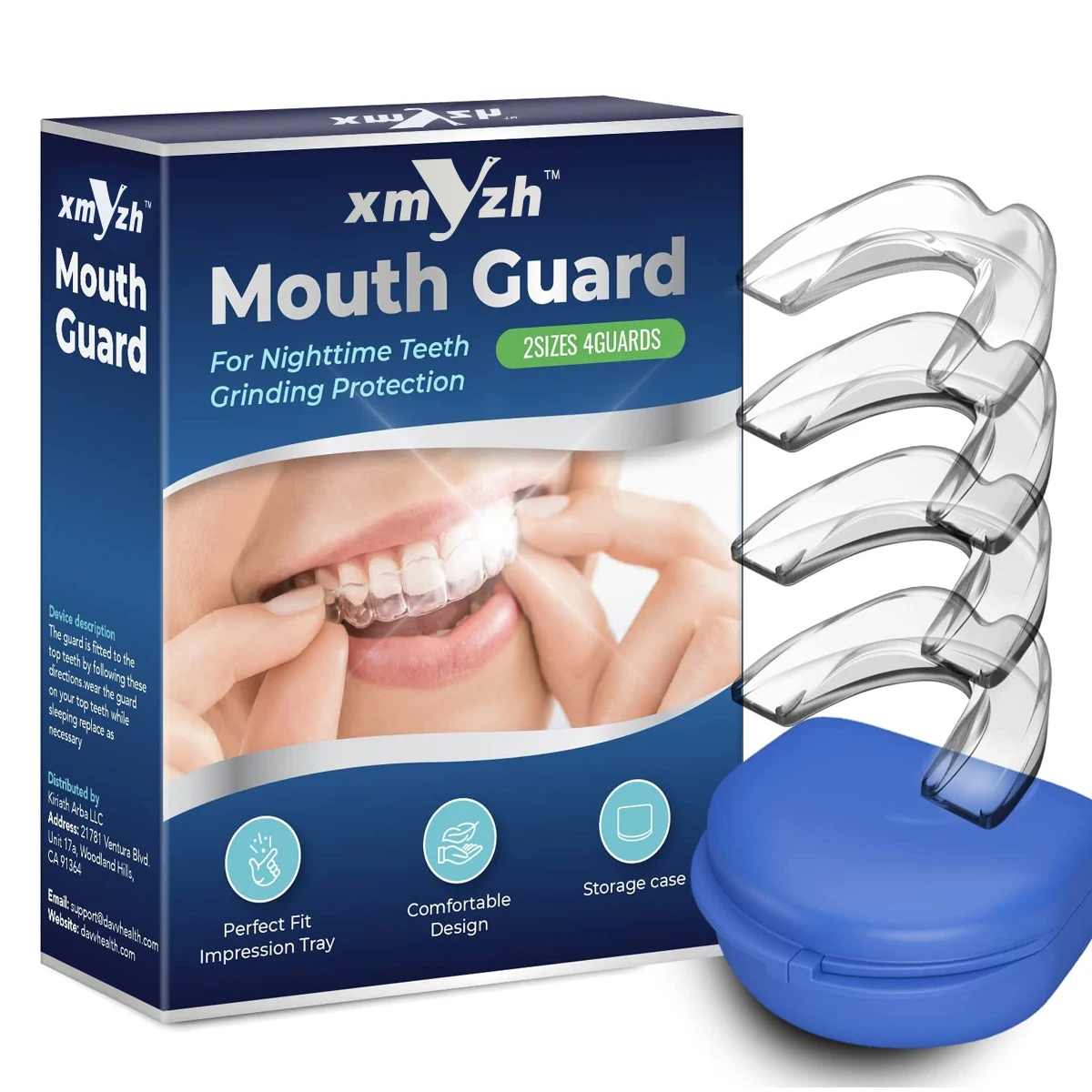
This is where a comfortable fit becomes a procurement requirement rather than a vague marketing promise. Ask whether the design is stock-sized, boil-and-bite, impression-based, or otherwise fitted; then ask how the relevant instructions support that approach. Comfort depends on individual anatomy, intended use, and correct fitting, so it should not be marketed as a universal outcome.
Build an OEM/ODM sourcing brief that suppliers can answer
An OEM/ODM inquiry for a rubber mouth guard is more workable when it separates confirmed requirements from open questions. OEM usually centers on producing to a buyer-defined specification or brand presentation; ODM may include a supplier’s existing design platform that the buyer adapts. The practical boundary varies by project, so clarify ownership, design-change responsibility, and approval gates in writing.
| Brief item | What to specify | What to request from the supplier |
|---|---|---|
| Target use | Sports, retail, professional, or other defined use | Confirmation that the proposed configuration matches the stated use |
| Fit approach | Stock size, moldable process, or another approved method | Fitting and care instructions plus sample-review process |
| Material information | Any buyer requirements and restricted-substance expectations | Current material declaration and relevant test/document package |
| Brand program | Logo, color, packaging, inserts, and artwork files | Artwork proof, version-control process, and approval checkpoint |
| Market route | Destination, channel, and intended product statements | Documentation available for buyer review; no assumed compliance claim |
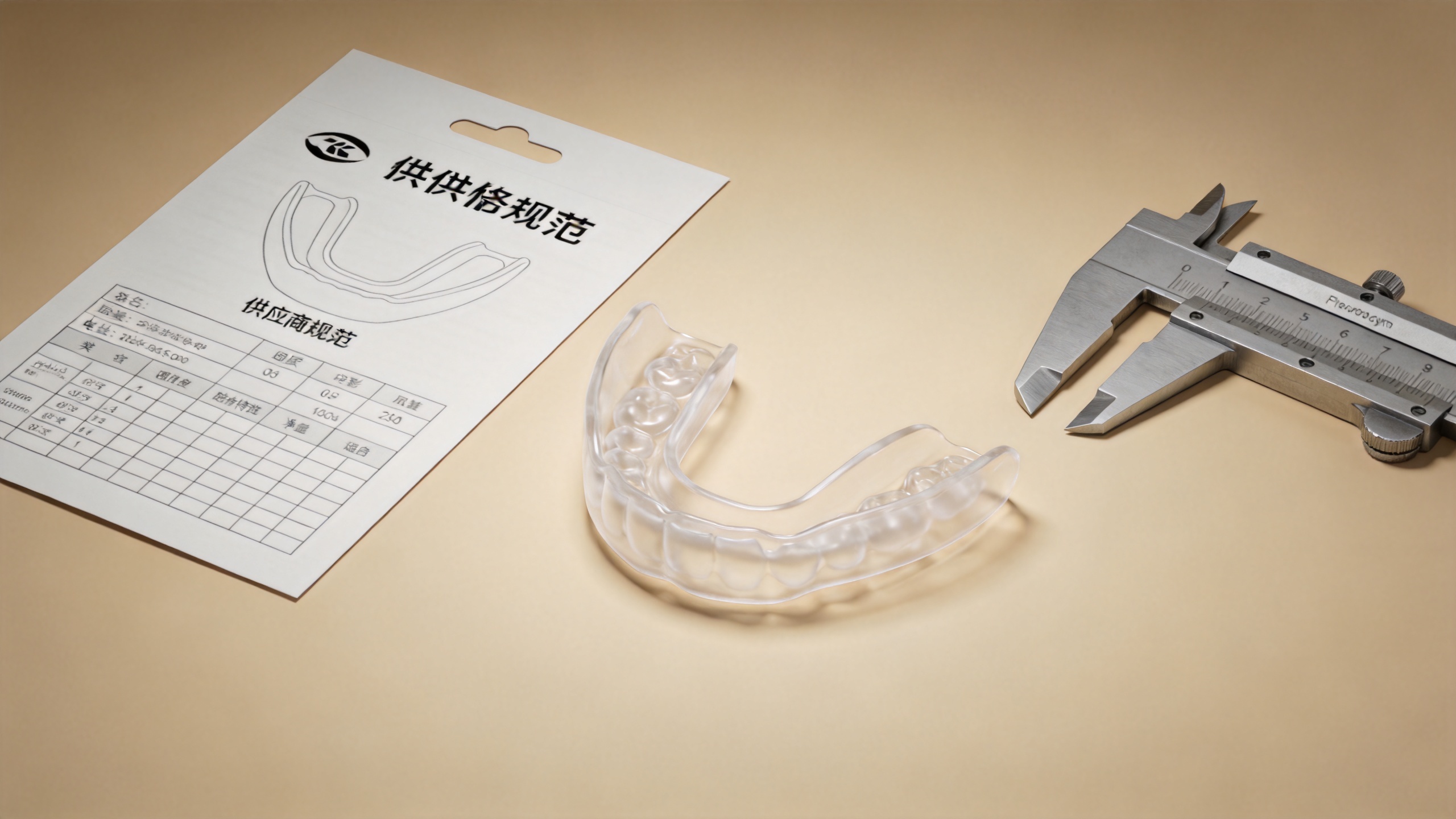
For a rubber mouth guard, request samples before treating a catalog image or preliminary quotation as final. Sample approval should cover the product configuration, trimming or edge finish where relevant, branding placement, packaging, and printed instructions. Record which sample version was approved; otherwise, later production discussions can drift away from the reviewed reference.
Evaluate comfortable fit without making unsupported claims
Buyers often prioritize a comfortable fit because it affects user acceptance and downstream customer questions. That priority is reasonable, but it must be translated into testable criteria. Rather than asking a factory to guarantee that every rubber mouth guard feels comfortable, ask for a sample plan and agree on the review conditions.
- Define the intended wearer range and the fit method.
- Review edges, bulk, retention approach, and instructions on the actual sample.
- Collect channel-appropriate feedback without presenting it as clinical evidence.
- Decide which observations are product requirements and which remain user-dependent.
It is useful to distinguish an engineering or product-review observation from a health or performance claim. A buyer may document that a sample meets its agreed visual and handling criteria. That does not establish that the rubber mouth guard prevents a particular injury, treats a condition, or fits every customer. Where a destination market requires a particular standard, test method, or classification review, confirm the current requirement for the specific SKU and intended use before launch.
Ask for evidence, not assumptions
The strongest OEM/ODM comparison is usually a document comparison. For each candidate rubber mouth guard supplier, make a simple evidence register: what was requested, which version was received, what it covers, and who approved it. Do not infer a material, certification, factory capability, or market authorization from a product photo, a generic statement, or an unrelated report.
For sports-oriented products, buyers may encounter references to care-and-use guidance such as ASTM F697. That type of reference is a prompt to verify scope, edition, and applicability—not proof that a particular rubber mouth guard has been tested or is suitable for every market. The same discipline applies to labeling, material declarations, and any safety-related wording.
Compare OEM/ODM partners on execution quality
A trusted partner is demonstrated through a repeatable working process, not simply through the word “OEM” in a profile. Compare how each candidate handles the points below:
- How clearly it responds to a product brief and identifies missing information.
- Whether it can keep product, packaging, and artwork revisions aligned.
- Whether sample approval, production approval, and document review have named owners.
- Whether it distinguishes confirmed information from items awaiting verification.
- Whether it can adapt product information for wholesalers, e-commerce teams, clinics, or pharmacies without changing the underlying facts.
Xiamen Yizhou Imp. & Exp. Co., Ltd. identifies its audience as wholesalers, e-commerce platforms, offline clinics, and pharmacies, alongside mouthguard-related product categories. For any rubber mouth guard project, use the supplier conversation to confirm the actual SKU, available specification records, packaging options, and destination-market requirements before making commercial claims.
Use a staged approval path for your rubber mouth guard order
A staged process makes an OEM/ODM program easier to manage. First, approve the written brief. Second, assess samples against that brief. Third, approve production-facing artwork and packaging proofs. Finally, review the documentation package that is relevant to the finished rubber mouth guard and sales channel. Each stage should have a dated record, a version reference, and an unresolved-items list.
Do not let speed erase the open-items list. Material composition, dimensions, packaging language, instructions, test scope, and market documentation may all need confirmation. A buyer who makes those gaps visible can compare suppliers more fairly and reduce avoidable rework later.
FAQ for B2B rubber mouth guard buyers
What should I send with my first OEM/ODM request?
Send the intended use, target channel, destination, fit approach, branding requirements, packaging concept, expected order profile, and any documentation questions. If any item is undecided, label it as open rather than allowing assumptions to enter the quote.
Can a supplier promise a comfortable fit?
A supplier can explain the fit approach and provide samples for review, but a comfortable fit depends on the user and correct fitting. Keep the claim conditional and validate it through the approved sample process.
How do I choose between OEM and ODM for a rubber mouth guard?
Choose based on how much control you need over the design, brand presentation, and documentation. Confirm the design baseline, modification limits, intellectual-property terms, and approval process before committing.
Make the next sourcing conversation more productive
A well-prepared rubber mouth guard brief gives both buyer and supplier a clearer path: define the use, specify the fit method, request evidence, review samples, and keep commercial claims within what the project can support. That approach is more valuable than a generic promise because it produces a sourcing record your team can use across product, packaging, and channel discussions.

 Hot News
