 EN



Are You Searching For An Effective Anti-Snore Mouth Guard Manufacturer?
For wholesalers, online sellers, clinics, and pharmacy buyers, an anti-snore mouth guard is not a product category to source on name alone. What matters is whether a supplier can help you define the intended use, document what is known about the item, and keep a consumer product listing from becoming a clinical promise. This matters because snoring can have different causes, and a mouth-worn product should not be presented as a substitute for professional assessment.
From a wholesale purchasing perspective, a good brief starts with the downstream customer and the evidence they will expect. A retailer may need clear consumer-facing instructions. A clinic-facing channel may need more detailed material and fit documentation. An ecommerce team may need packaging copy that separates product information from health claims. In all cases, the phrase anti-snore mouth guard should lead to a verification workflow, not an automatic performance claim.
Start by defining what the anti-snore mouth guard is—and is not
Buyers often use several labels for the same broad category: anti-snore mouth guard, snoring mouthpiece, or sleep aid. Those terms do not prove that products have the same design, intended use, fit process, or documentation. Before requesting a quotation, describe the exact product concept you want your supplier to evaluate.
- Intended channel: wholesale distribution, marketplace retail, pharmacy, or a professional channel.
- Intended user communication: what customers can reasonably expect to read on the package and listing.
- Product boundary: whether the item is being described as a consumer product, and which statements require professional review.
- Documentation need: material information, instructions, packing details, labeling copy, and any market-specific review requirements.
This distinction is especially important for a sleep aid positioned around snoring. The American Academy of Sleep Medicine and the American Academy of Dental Sleep Medicine have noted that primary snoring should be diagnosed by a sleep physician before oral-appliance treatment begins, because snoring can be a symptom of obstructive sleep apnea. For a B2B listing, that supports careful wording: explain the product category and include an appropriate professional-consultation boundary rather than suggesting diagnosis or universal results.
What an effective manufacturer conversation looks like
An effective anti-snore mouth guard manufacturer conversation is specific enough to produce comparable quotations. Instead of asking only for a unit price, send a requirements sheet. It reduces avoidable revisions and helps each side identify which claims, materials, and packaging details still need confirmation.
1. Clarify the product configuration
Ask the manufacturer to confirm the product format, available sizes or fitting approach, included components, cleaning and storage instructions, and the information available for the material used. If the manufacturer cannot substantiate a requested feature, record it as pending rather than adding it to product copy. It is a small but useful shift from marketing language to confirmation questions.
2. Ask for usable channel documentation
For a sleep aid product, downstream buyers commonly need a clear list of what is supplied with the shipment and what can be reviewed before launch. Useful requests include material declarations where available, current labeling artwork, instructions for use, packaging dimensions, carton information, and traceable records for any specific claims you plan to make. Documentation requirements differ by destination and channel, so buyers should confirm local obligations before publishing or importing.
3. Review wording before artwork approval
Words such as “treat,” “cure,” or statements implying universal results create a different risk profile from factual product descriptions. A responsible supplier discussion should distinguish between artwork the factory can customize and claims that the brand or importer must validate. This is where OEM/ODM work benefits from a written approval path: product facts, copy, translations, and target-market requirements should be checked before mass production.
A B2B checklist for comparing anti-snore mouth guard suppliers
Use one comparison sheet for every candidate so that pricing is evaluated on like-for-like requirements. The lowest quoted price is hard to interpret if one proposal includes different packaging, a different documentation package, or no review of your artwork.
| Comparison area | What to request | Why it matters |
|---|---|---|
| Product definition | Configuration, intended-use wording, included items, and known limitations | Prevents a broad “anti-snore mouth guard” request from hiding product differences |
| Materials and instructions | Available material information, use, cleaning, storage, and replacement guidance | Gives your channel team a fact-based starting point |
| Packaging | Unit pack, inserts, labels, carton details, and localization options | Supports marketplace, retail, and pharmacy preparation |
| Quality communication | Inspection process, defect-reporting contact, and pre-shipment confirmation points | Defines how problems are handled without inventing performance claims |
| Customization | Artwork files, logo placement, minimum order quantity, sampling route, and change control | Makes OEM/ODM expectations actionable |
A supplier that asks follow-up questions is often helping make the request measurable. That does not itself prove product quality, but it can indicate whether the quotation process is organized around real channel needs rather than generic promises.
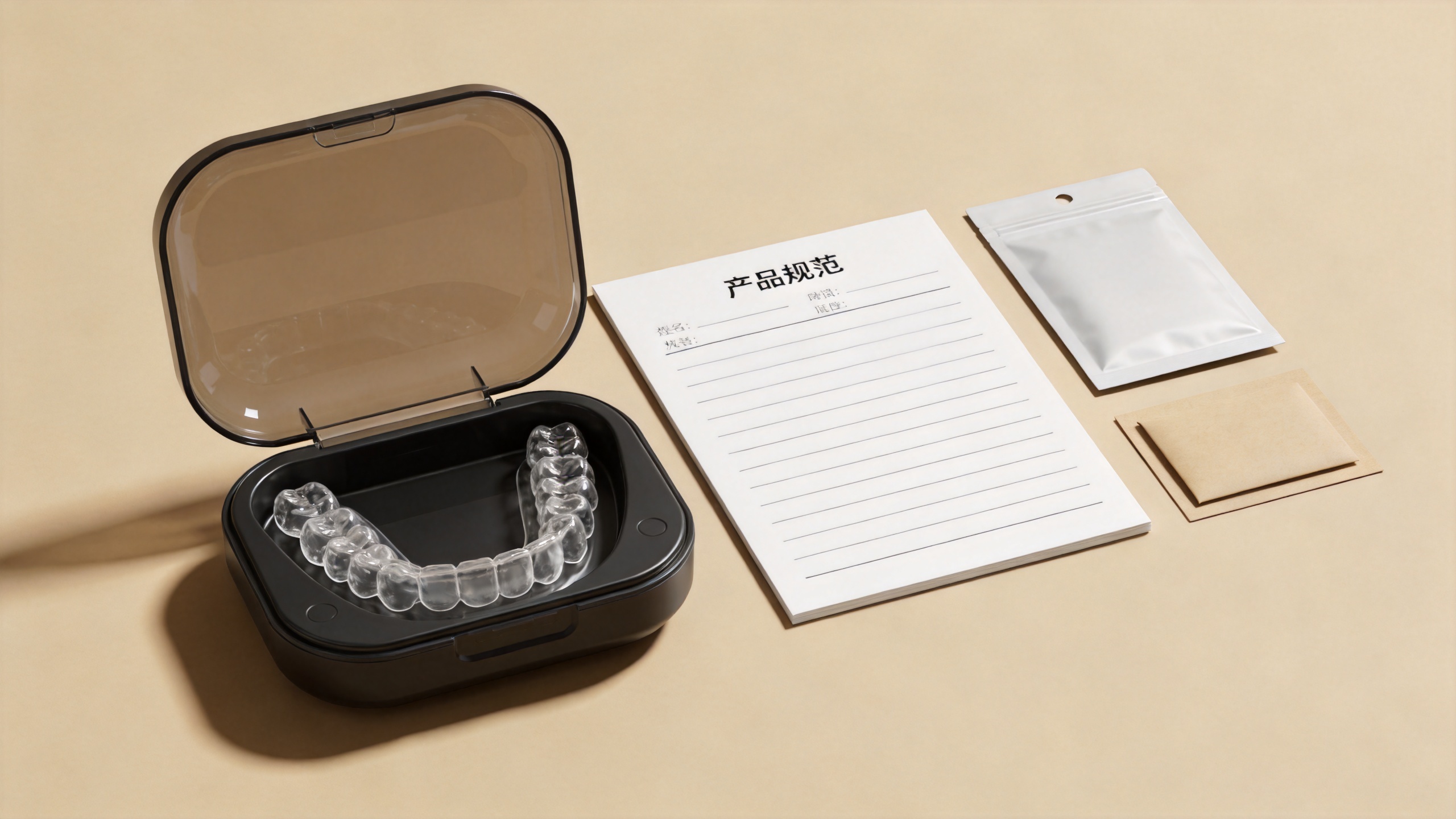
Fit, comfort, and user expectations need careful language
Comfort and fit influence whether a customer continues using any mouth-worn product, yet neither should be promised without evidence for the exact configuration. The AASM/AADSM guideline discusses reviewing appliance preference and side effects to avoid problems such as discomfort, breakage, allergic reactions, or discontinuation. For sourcing, turn that observation into documentation questions: What fitting instructions are supplied? What material and care information can be verified? How are customer complaints routed? Which items require a professional referral rather than a customer-service response?
That approach is more useful than claiming that an anti-snore mouth guard will suit every person. A product page can describe the intended use and the supplied instructions while directing users with persistent snoring, breathing concerns, jaw discomfort, dental issues, or other symptoms to a qualified healthcare professional.
How OEM/ODM projects can stay organized
OEM/ODM is most effective when buyers separate the project into approved stages. First, confirm a product brief and documentation list. Next, review a sample and artwork against that brief. Then lock the packaging files, labeling language, inspection points, and production changes in writing. A final pre-shipment review should compare the agreed requirements with what will actually be delivered.
- Write a channel-specific product brief for the anti-snore mouth guard.
- Request a quotation that identifies assumptions, minimum order quantity, samples, and customization limits.
- Review available product and packaging documentation before committing to consumer claims.
- Approve artwork only after your team has checked the wording for the destination market.
- Keep a record of final specifications, instructions, and issue-escalation contacts for your downstream customers.
Choose a manufacturer by the quality of the confirmation process
If you are searching for an effective anti-snore mouth guard manufacturer, prioritize clarity over broad promises. The right partner should be able to discuss product configuration, packaging, documentation, sampling, and customization in a way your channel can use. Xiamen Yizhou Imp. & Exp. Co., Ltd. serves buyers across snoring mouthpiece, sports mouth guard, and dental tray product categories; for a specific project, request the documentation and configuration details relevant to your intended channel before finalizing claims or artwork.
A well-managed sleep aid sourcing project is not about claiming a one-size-fits-all outcome. It is about aligning product information, channel materials, and a responsible escalation path. Prepare your requirements sheet, identify the facts that need verification, and ask manufacturers to respond to the same checklist before making a supplier decision.


 Hot News
