 EN
EN


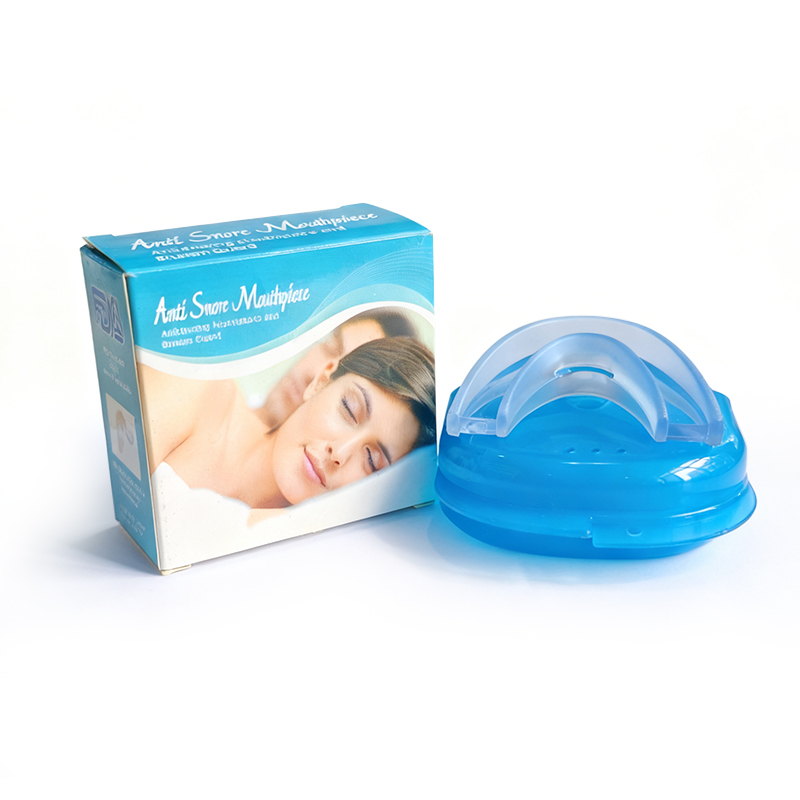
An anti snore mouthguard functions primarily through a process called mandibular advancement. By gently holding the lower jaw in a slightly forward position during sleep, the device expands the upper airway behind the tongue and soft palate. This controlled shift prevents the narrowing or collapse of tissues—the root cause of the vibrations we hear as snoring. Crafted from medical-grade, BPA-free materials, these devices are customizable via a "boil-and-bite" process to ensure a secure, personalized fit.
Stabilizing the Tongue Base to Prevent Obstruction Because the tongue is anchored to the lower jaw, moving the jaw forward inherently pulls the tongue base away from the posterior pharyngeal wall. For many individuals, snoring is caused by the tongue relaxing into the airway during back-sleeping (supine position). By stabilizing this position, the mouthguard effectively clears the airway, facilitating quieter, unobstructed breathing.
Clinical Evidence: The 62–85% Reduction Standard The effectiveness of FDA-cleared oral appliances is supported by robust research. A 2023 meta-analysis in the Journal of Dental Sleep Medicine reported a 62–85% reduction in snoring frequency and intensity among users. Unlike non-regulated alternatives, FDA-cleared devices undergo rigorous safety testing, making them a preferred first-line intervention for primary snoring and mild obstructive sleep apnea (OSA).
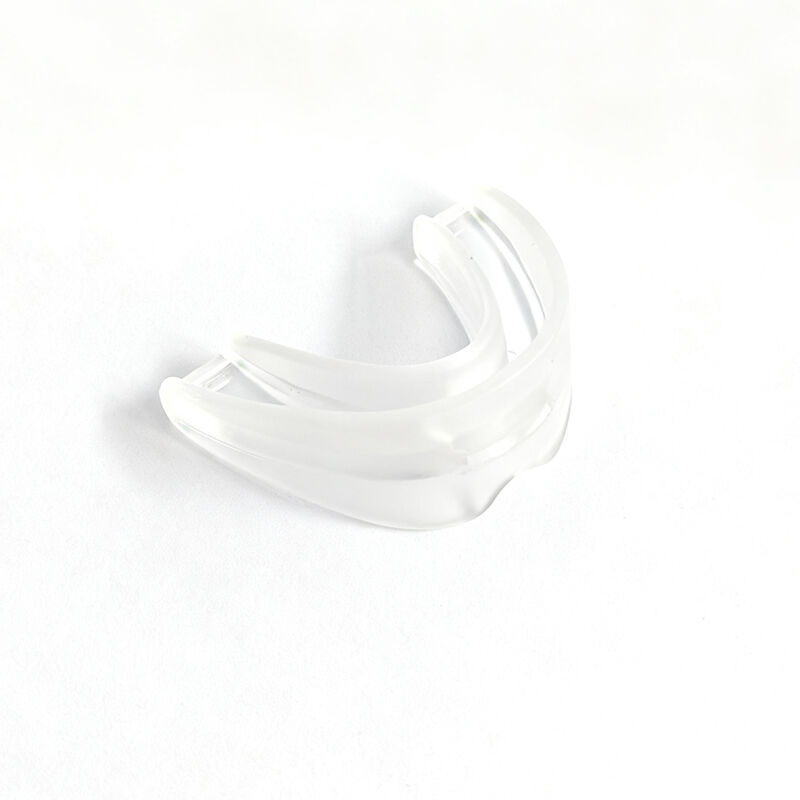
Ease of Use: Adaptation and Comfort Guidelines Transitioning to an oral appliance is a straightforward process, but successful adoption relies on proper initial adjustment. Most users experience a brief adaptation period of 3 to 7 nights, during which the jaw muscles may feel slight soreness as they adjust to the forward position. To ensure optimal comfort:
-
Incremental Advancement: Start with the minimum required protrusion to stop snoring, gradually increasing it only if necessary.
-
Consistency: Wear the device every night to allow the temporomandibular joint (TMJ) and associated muscles to acclimate.
-
Oral Hygiene: Treat the mouthguard like a retainer; clean it daily with a non-abrasive cleanser to prevent bacterial buildup and maintain material integrity. Following these best practices ensures that the device provides long-term relief without causing unnecessary discomfort.
The Physiological Benefits for Snorers Consistent use of a mouthguard leads to measurable improvements in sleep architecture:
-
Reduced Micro-Arousals: Polysomnography data confirms a 60% decrease in brief, sleep-disrupting awakenings caused by airway resistance.
-
Enhanced Sleep Stages: With fewer interruptions, time spent in restorative slow-wave (N3) and REM sleep stages increases.
-
Morning Symptom Relief: Reduced nocturnal oxygen deprivation leads to fewer morning headaches and a significant decrease in "cognitive fog."
Restoring Shared Sleep for Couples Snoring is rarely an isolated issue; it significantly impacts the partner’s sleep quality. Research validates a 47% increase in the bed partner’s uninterrupted sleep duration when the snorer uses an FDA-cleared device. By eliminating the source of noise—tissue vibration—rather than just masking it, these devices restore natural sleep cycles for both parties.