 EN



Custom Mouth Guard And Retainer Designed For Braces And Orthodontic Care
A mouth guard and retainer may sound like one category, yet braces create two very different jobs: maintaining an orthodontic plan and adding a protective layer for an activity. From a dental-channel content perspective, the useful starting point is not the name on the appliance. It is the wearer’s current stage of care, the activity involved, and the instructions already given by the orthodontic team.
That distinction matters to families, clinics, pharmacies, and a wholesale supplier alike. A clear explanation helps buyers avoid presenting a protective device as an orthodontic appliance, or a retainer as sports equipment. This article offers a practical framework for discussing a mouth guard and retainer around active braces and post-treatment retention. It is product-information guidance, not an individual dental recommendation.
Start with the job the appliance must do
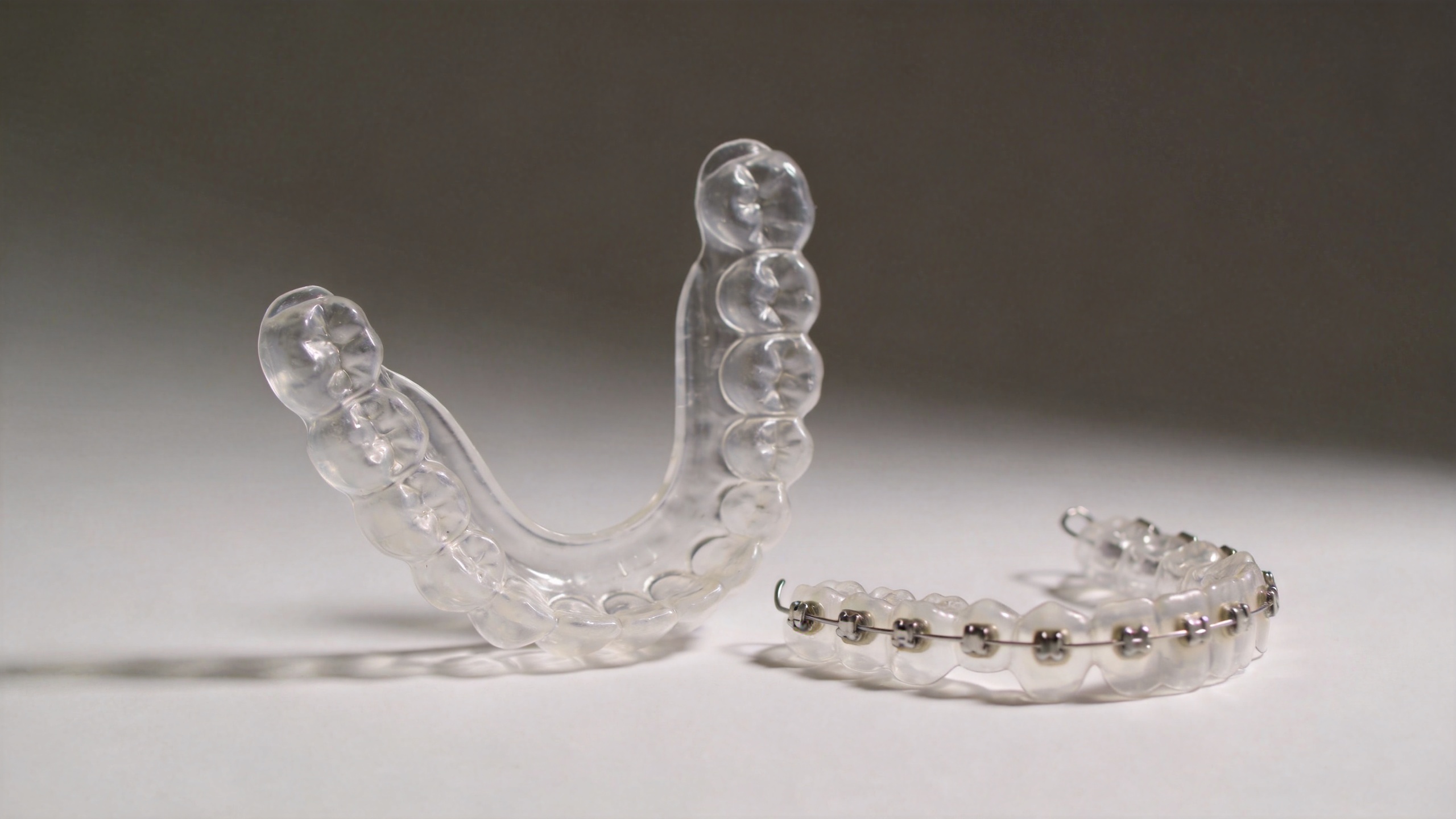
The phrase mouth guard and retainer is often used in a search because the wearer needs clarity, not because the two items are interchangeable. A retainer is generally part of an orthodontist-directed plan after active tooth movement; its role is to help maintain the result of treatment. Its fit, wear schedule, and care routine should follow instructions from the treating professional.
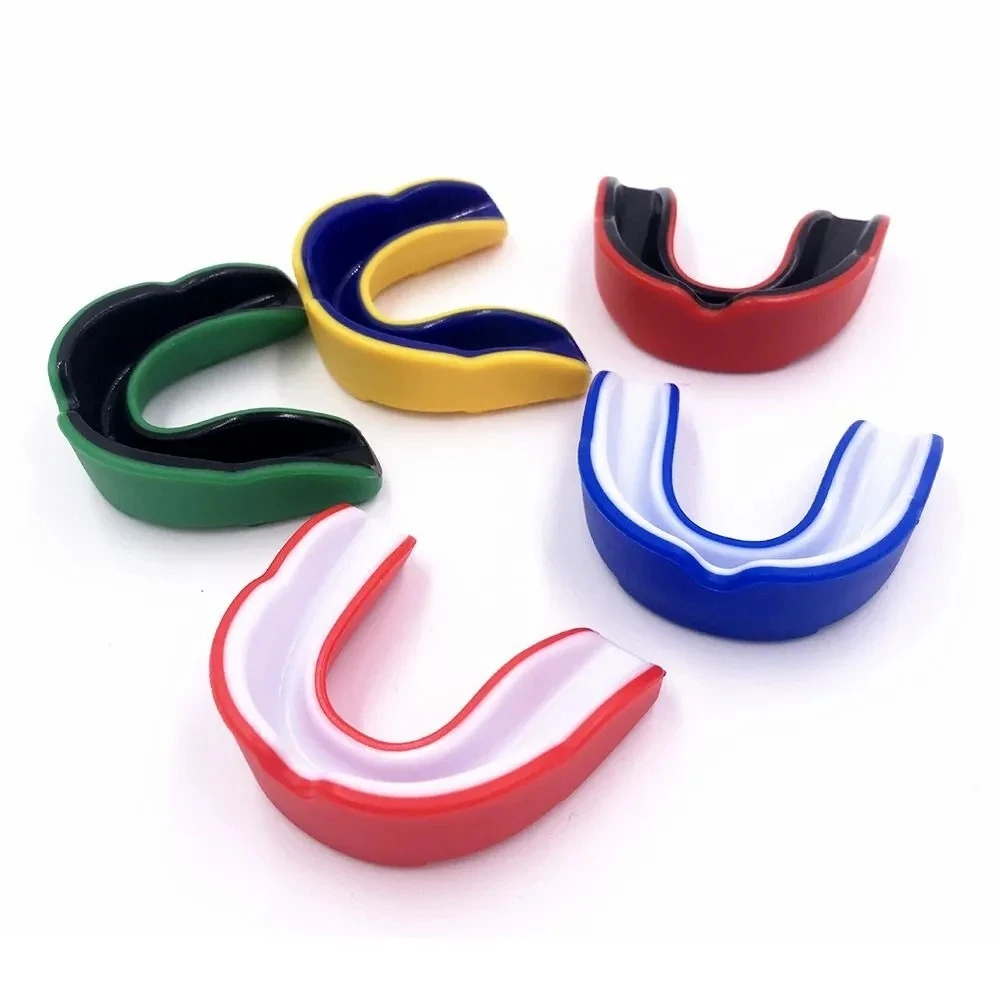
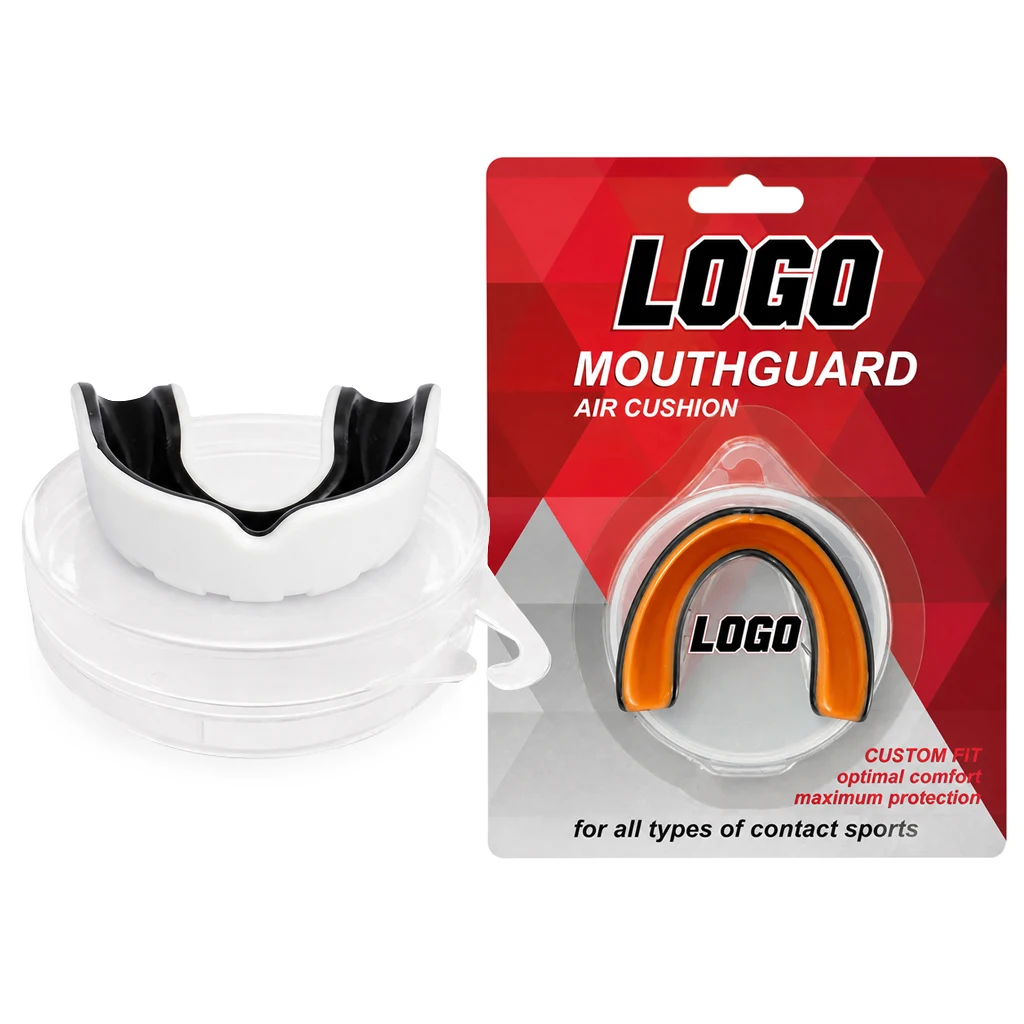
A mouthguard has a different job. In sports or recreational activities with a meaningful chance of contact or dental trauma, a properly fitted guard creates a protective surface over the teeth and can also form a barrier between brackets and soft tissues. For a person wearing braces, this braces support question is highly specific: the guard needs room for the orthodontic appliance and should be evaluated as treatment changes.
So, when someone asks for a mouth guard and retainer, begin with a simple question: “Is the immediate need retention, activity protection, nighttime concerns, or a clinician-directed combination?” The answer shapes every later conversation about fit, material documentation, and use instructions.
Why braces change the selection conversation
Braces are not a static condition. Teeth may move during treatment, and brackets, wires, and attachments can alter the available space and contact points. A mouth guard and retainer discussion should therefore avoid broad compatibility claims. It should document the wearer’s current appliance status and invite professional confirmation before a device is selected or used.
For sport participation, a custom-fit guard may be considered with the orthodontist or dentist because fit is central to how the guard stays in place and covers the relevant dental arch. For retention, an existing removable appliance is not automatically a sport guard. Consumer guidance from dental organizations specifically cautions against wearing a removable retainer or appliance during contact sports. That boundary is more useful than a blanket promise about what one device can do.
It also helps to separate ordinary wording from clinical meaning. A “night guard,” a sports mouthguard, and a retainer may all be clear or cover teeth, but their intended use and design questions differ. A mouth guard and retainer should be described by its intended function before it is described by appearance.
A practical checklist for orthodontic care
For clinics and channel teams, use the following checklist to turn a vague mouth guard and retainer request into a more useful conversation:
- Current orthodontic status: Are braces, fixed attachments, or a removable appliance currently in use?
- Primary scenario: Is the request tied to a contact sport, another activity, orthodontic retention, or a concern raised during sleep?
- Professional instructions: What has the treating orthodontist said about removing or wearing any existing appliance during the activity?
- Fit and review path: Who will check fit after brackets are adjusted, a wire changes, or the retainer no longer feels right?
- Product documentation: Which material, size, packaging, care, and use-limit details can the supplier provide for review?
For a wholesale supplier, this checklist is also a content-quality tool. Instead of making unsupported performance statements, a listing can explain the use category, identify information that needs verification, and direct clinical questions to the wearer’s dental professional. That makes braces support more responsible for downstream resellers and their customers.
Questions that deserve a clinician’s answer
A mouth guard and retainer becomes a professional-fit issue when the person has active braces, pain, a device that feels unusually tight, a damaged appliance, or a changing treatment plan. The treating orthodontist is in the position to evaluate the individual mouth, appliance design, and activity risk. Retail or wholesale information should not replace that evaluation.
Ask whether the device is intended for the upper teeth, lower teeth, or a different arrangement; whether it can accommodate current brackets; and when it should be reviewed. If a removable retainer is already prescribed, ask specifically when it should be removed and stored. These are not minor details. They distinguish a careful mouth guard and retainer plan from a generic product description.
How to communicate the difference clearly
For patient-facing pages, begin with the use case: “A retainer helps maintain orthodontic results according to your orthodontist’s directions. A mouthguard is intended for activity-related oral protection.” Then explain that people with braces may need a guard that accounts for their appliance. This sequence is clearer than leading with a material or a broad promise.
For channel buyers, organize a mouth guard and retainer range by function, then request the supporting records needed for the intended market. Useful records can include product labeling, care instructions, available size or fit information, packaging details, and the defined use category. If data are missing, state that they need confirmation rather than filling the gap with assumptions.
For a wholesale supplier, this approach supports accurate training across ecommerce, clinic, and pharmacy channels. The aim is not to make every item sound alike. It is to give each audience a reliable path to ask the right next question.
Closing: choose by scenario, not by a shared label
The right mouth guard and retainer conversation begins with purpose. Retention after orthodontic care and protection during an activity are separate needs, even when a wearer has braces and uses similar everyday language. Confirm the current orthodontic plan, define the activity, review fit with the treating professional, and keep product claims limited to information that can be verified.
That framework gives patients clearer next steps and gives sellers a stronger way to present braces support. If the device, treatment stage, or use situation is uncertain, pause the selection process and ask the orthodontic team for direction.


 Hot News
