EN



Custom Sports Mouth Guard For Braces For Maximum Protection And Comfort
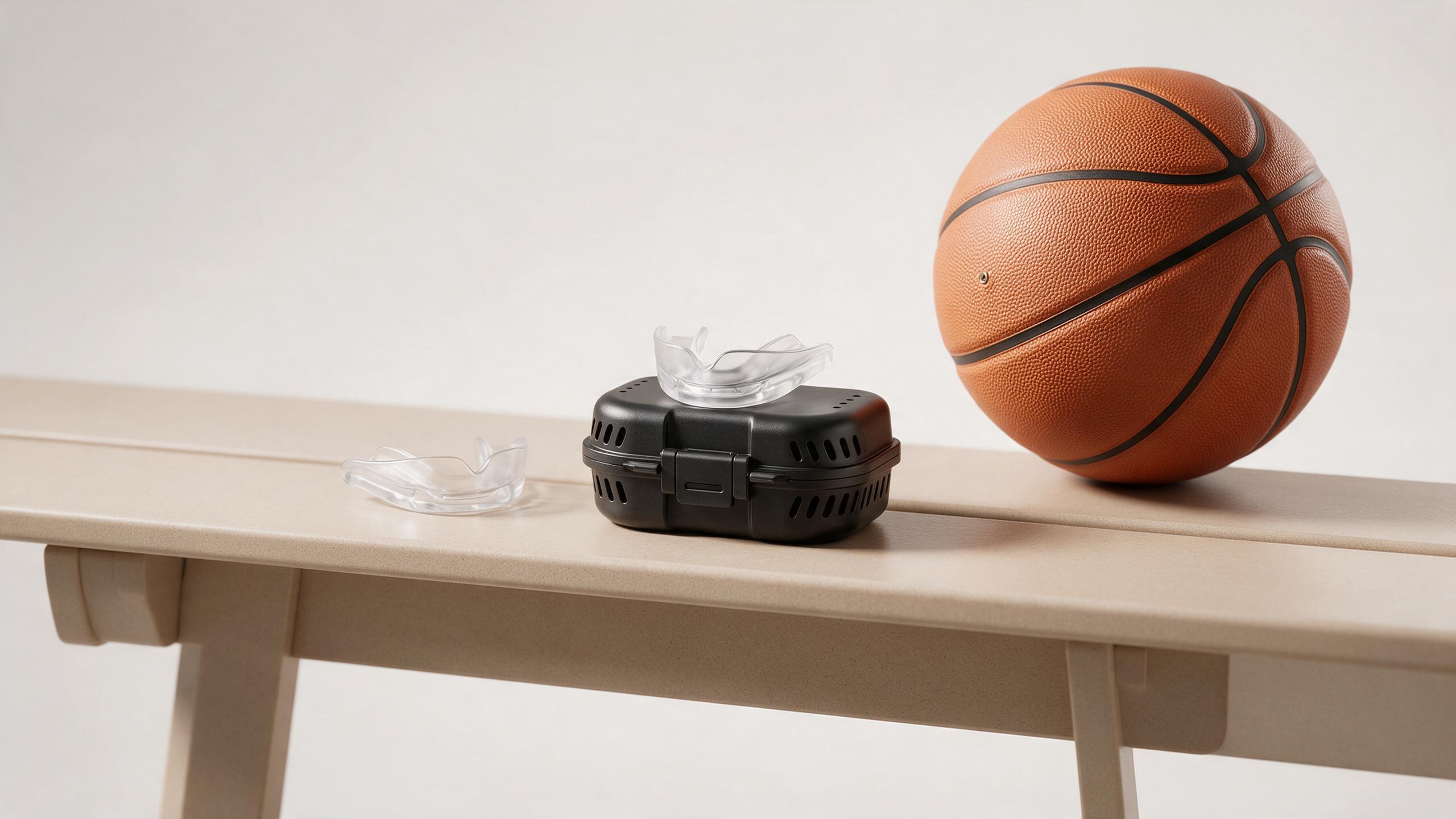
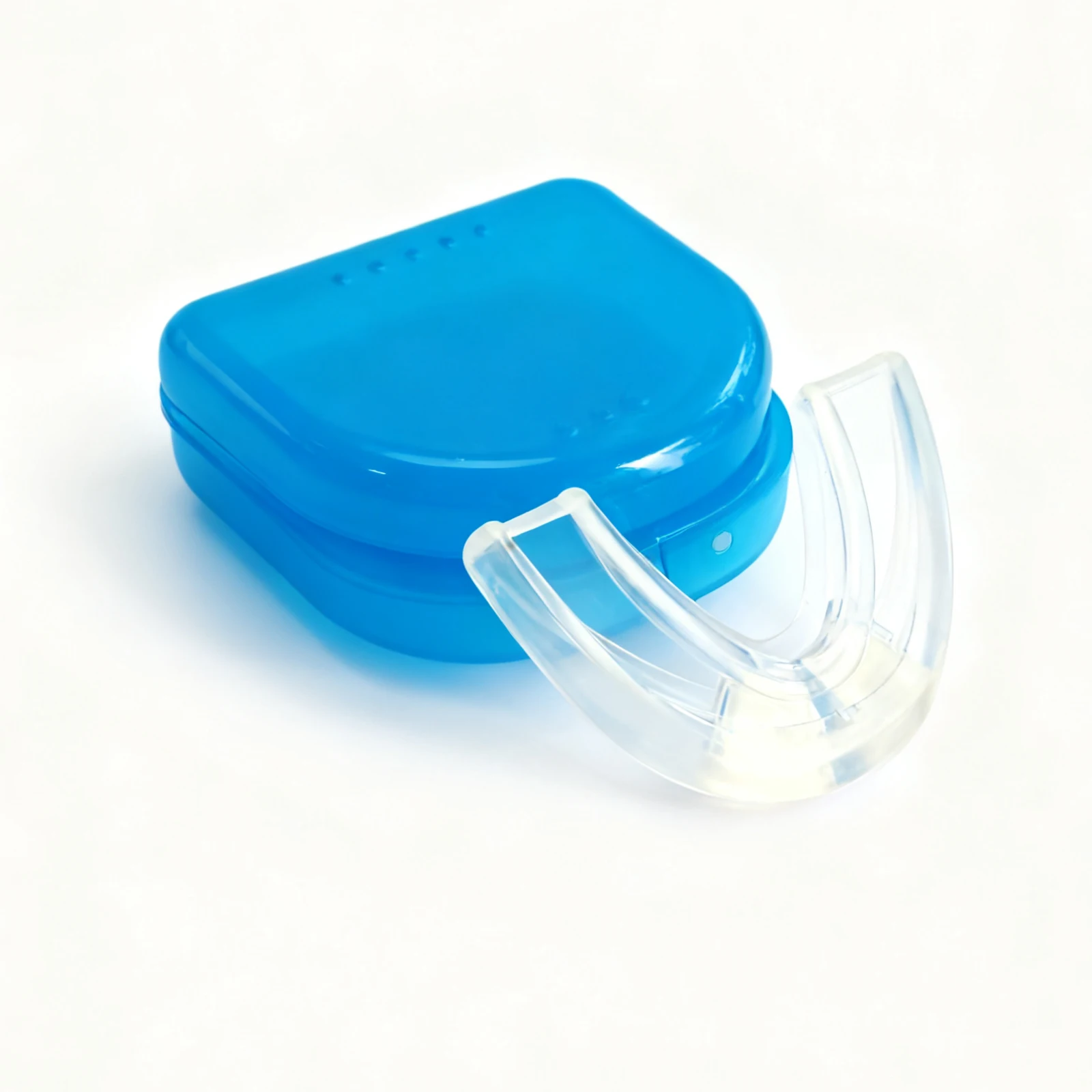
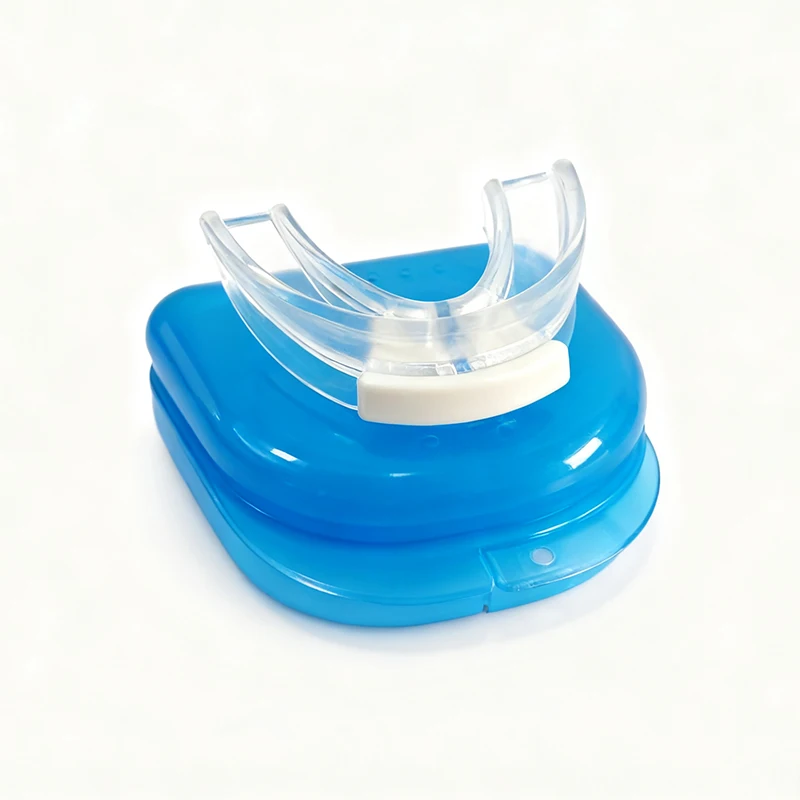
When a player has brackets and wires, choosing protective equipment takes more than finding a comfortable color. A sports mouth guard for braces needs space around the orthodontic appliance, a stable fit during movement, and a plan for reassessment as treatment progresses. Whether you are buying for one athlete or selecting sports gear for a team, start with the wearer’s orthodontist and the demands of the activity.
A custom option can be made around an individual mouth, but “custom” alone does not establish that it is suitable for an active orthodontic treatment plan. Ask how the design accommodates brackets, changing tooth position, and any other appliances before ordering.
Why braces change the fit conversation
During a collision, a guard provides a protective layer between teeth and soft tissue. Brackets and wires add surfaces that can contact the lips and cheeks, so the inside of the guard matters as much as its outer profile. The American Dental Association recommends a properly fitted mouthguard to reduce the incidence and severity of oral injuries during sports and recreational activities. No mouthguard can promise that an injury will not occur.
Orthodontic treatment can change tooth positions over time. A guard that fits today may need adjustment or replacement later, depending on its design and the wearer’s treatment. A sports mouth guard for braces should be assessed with the treating professional rather than forced over hardware or modified based on guesswork. Mention recent adjustments, loose brackets, and any discomfort before the next practice.
How to evaluate a custom design
Coverage and clearance
Ask the orthodontist which teeth and appliances need coverage for the athlete and sport. Upper guards are common, but the ADA notes that a dental professional may also suggest protection for the lower teeth when those teeth have braces. A design should provide room for brackets and avoid rough edges or pressure points. The correct shape and coverage depend on the wearer; a guard that rubs, catches on a wire, or changes the bite warrants professional review.
For an individual impression or scan, check that the clinician and maker know the athlete has braces. Ask how the impression or scanning process will be handled safely around the appliance, and what happens if the resulting guard becomes tight. Do not attempt to force an appliance into place. A sports mouth guard for braces must be compatible with the actual treatment, not just the initial order description.
Retention, breathing, and communication
Try the guard while following the fitter’s instructions. It should remain in place as directed without requiring constant clenching, and the wearer should be able to breathe comfortably. Speaking may take some practice, but a guard that makes normal breathing difficult or causes pain should be checked before use. Fit testing is a practical conversation with a qualified professional, not a substitute for one.
Sport also affects the decision. A player wearing a helmet may need to check league rules about straps or compatible equipment; a basketball player may focus on communication and repeated short bursts of movement. Ask the coach about the applicable rules and the orthodontist about the wearer’s needs rather than assuming that one configuration suits every activity.
Custom, braces-specific stock, or self-fitting?
A clinician-coordinated custom guard offers an individual fitting process, with design and follow-up depending on the provider. Braces-specific ready-made guards may be an option for some wearers, but fit and coverage still need professional review. Self-fitting designs vary in their instructions and may not be suitable for every appliance. Do not heat or mold a guard around braces unless the product instructions and the treating professional explicitly allow that process.
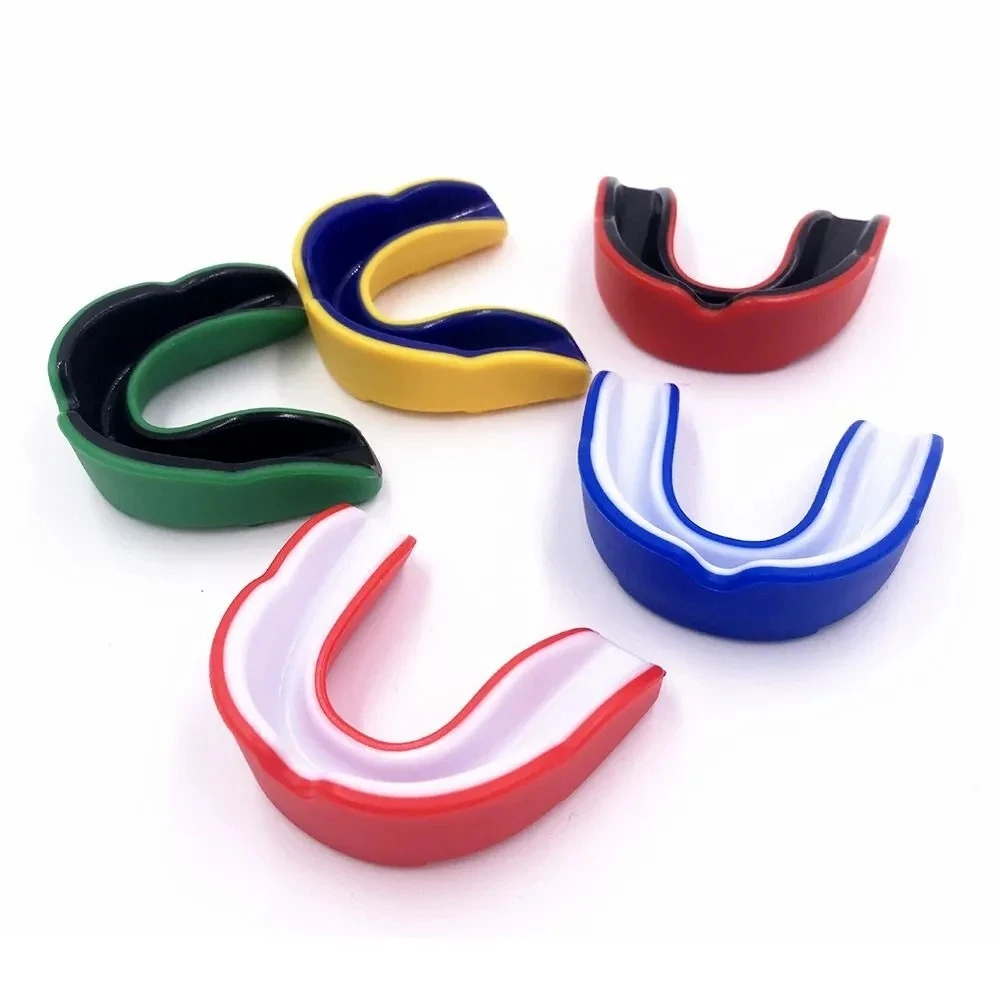
Compare the available sports mouth guard for braces options by asking who checks the fit, what the material and care instructions say, and how the design handles changing teeth. Price is relevant, but a low initial price is less helpful if the guard cannot be worn comfortably or the replacement process is unclear. Availability of custom fitting and follow-up may vary by supplier and location.
Check fit throughout treatment
Before each session, inspect the guard for cracks, rough edges, distortion, or a change in fit. Bring it to orthodontic appointments and explain which activities the athlete plays. If it no longer seats as instructed, catches on brackets, or causes soreness, stop using it and ask the treating professional whether it should be adjusted or replaced.
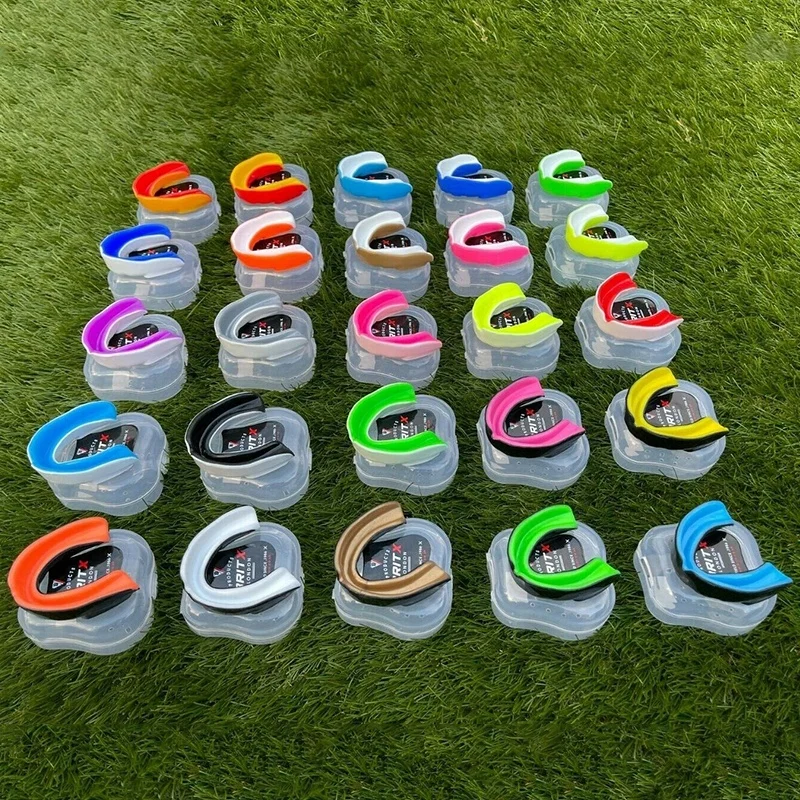
Follow the maker’s cleaning and storage directions. Rinse and clean as instructed, allow the guard to dry, and use the recommended case. Keep it clear of heat if the manufacturer warns that heat can change its shape. A labeled case helps a team distinguish one athlete’s equipment from another’s. Mouthguards are personal items and should not be shared.
Questions for team and wholesale buyers
For a wholesale purchase, a single catalog photo is not enough to verify whether a sports mouth guard for braces is appropriate for each athlete. Team buyers should separate supplier documentation from individual clinical decisions. Ask the seller for the following information before comparing quotes:
- Intended use, available sizes, and whether the design is specifically described as compatible with braces.
- Material information, care instructions, storage requirements, and any applicable test documents available for the exact model.
- Whether customization means individual clinical fitting, a change in appearance, or another service; these are different things.
- Sample availability, minimum order quantities, packaging, lead times, and the procedure for a replacement or a fit-related concern.
- Instructions the buyer can pass to athletes, parents, coaches, and treating professionals.
Request evidence for any performance or compliance claim and check its relevance to the intended market. Do not assume a supplier offers a particular material, certification, or service without confirmation. When comparing sports gear, account for the effort involved in distribution, individual fit checks, and replacement as well as the quoted unit price.
Common questions from athletes and parents
Can a player keep the same guard for the whole treatment?
Possibly, but not automatically. As teeth move or appliances change, the fit can change too. An orthodontist can assess the sports mouth guard for braces at appointments and advise whether the current design remains appropriate.
Is a night guard interchangeable with a sports guard?
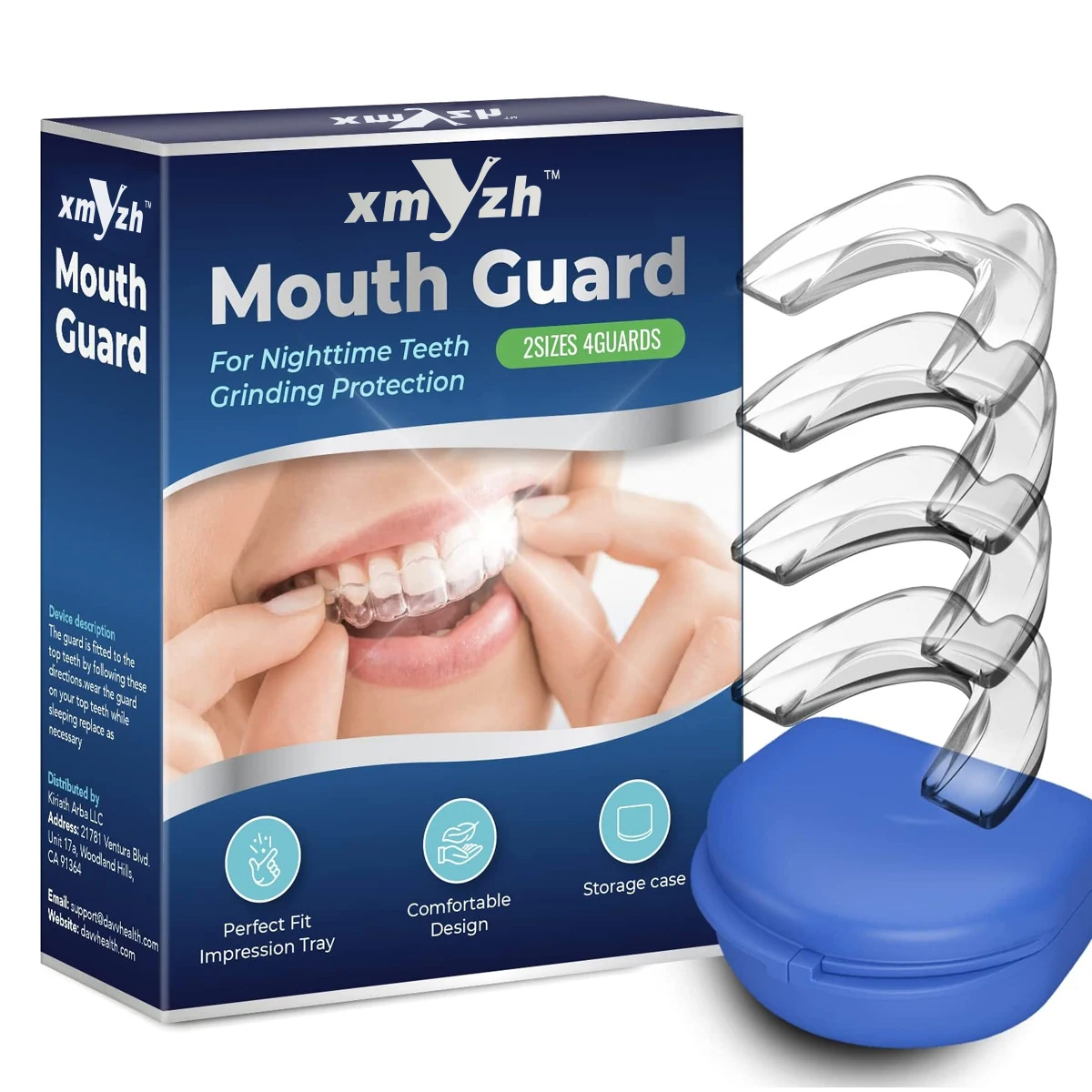
Do not assume so. Nighttime appliances and athletic guards serve different purposes and can have different designs. Ask the treating professional which appliance is suitable for the activity, and follow the instructions for that particular product.
What if the mouthguard hurts?
Remove it and contact the orthodontist or dentist for advice. Pain, new pressure, or a guard catching on hardware is a reason to check the fit, not a signal to bite harder or trim the guard yourself.
For an informed choice, start with the sport, the current appliance, and an individual fit review. Then compare documented design details and follow-up arrangements. A sports mouth guard for braces is most useful when the athlete can wear it as intended and the fit is reviewed as treatment changes.
 Hot News