EN



Premium Custom Made Mouthguard Manufacturer And Wholesale Supplier
When a distributor asks for a custom made mouthguard, the useful next question is not simply “What is the factory price?” It is “Which intended use, fit process, packaging plan, and supporting documents must be confirmed before we compare quotations?” That distinction keeps a wholesale request workable for sports retailers, dental channels, pharmacies, and online sellers.
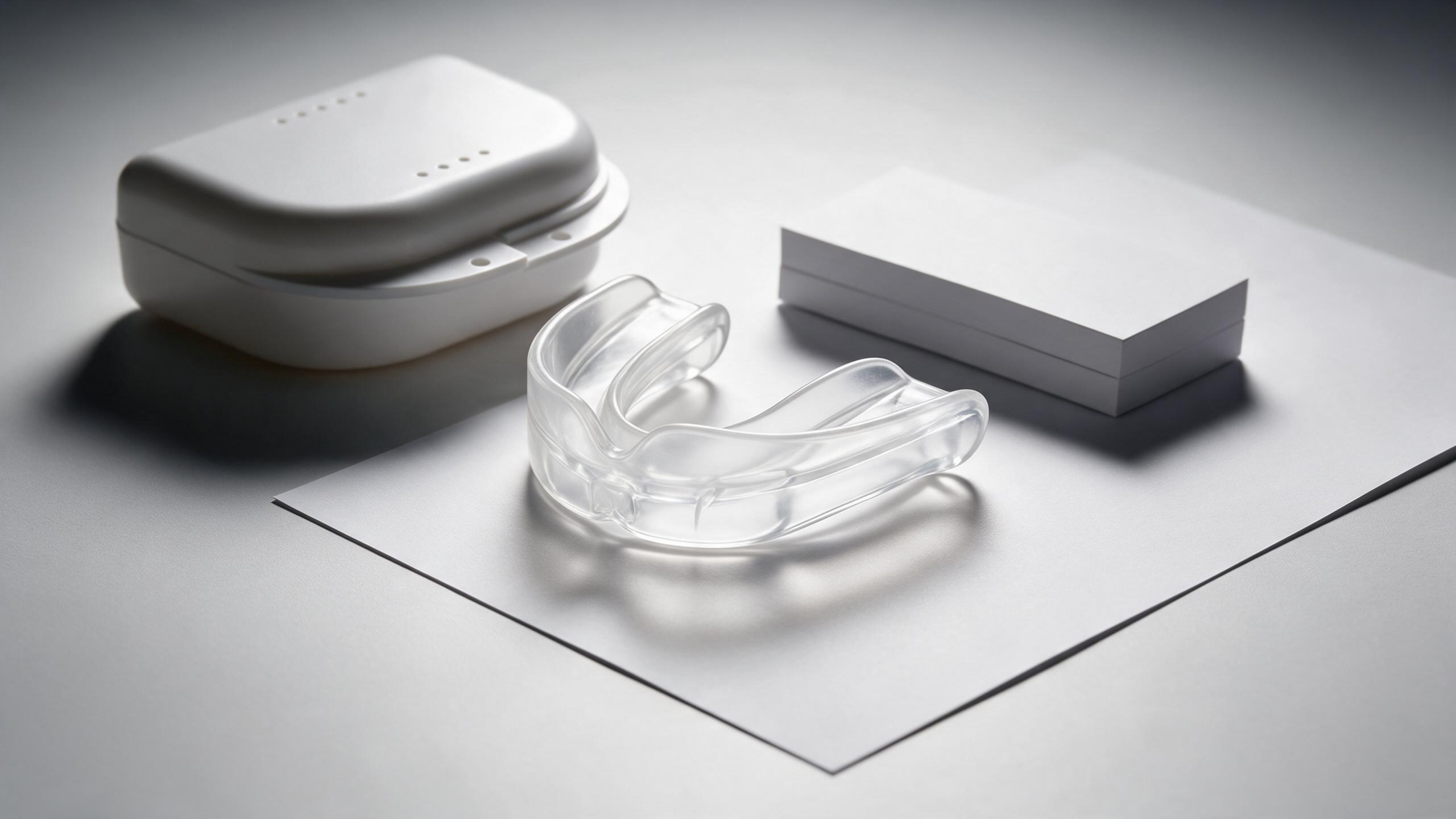
From a wholesale buyer’s perspective, a custom made mouthguard should be evaluated as a defined product program, not as a generic protective item. The brief should distinguish athletic protection from night-time grinding-related products, then state what information the supplier must provide. A clear request reduces back-and-forth and makes like-for-like comparison possible.
Start With the Intended Use
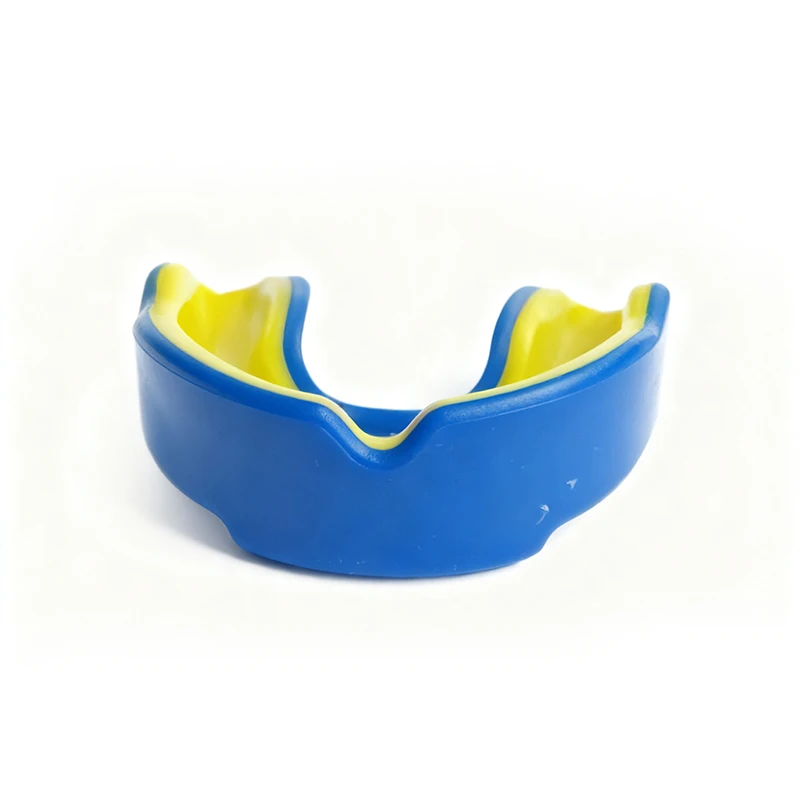
The same broad phrase can cover very different products. A custom-made athletic guard is normally discussed around contact level, retention, comfort, and the wearer’s activity. A device requested in connection with clenching or grinding needs a different conversation about intended use, instructions, professional input, and market requirements. Do not combine these categories in one claim sheet.
For sport applications, custom fit commonly begins with an impression or digital scan. The result still depends on the accuracy of the input, the forming method, trimming, and the wearer’s use. For a bruxism relief enquiry, avoid promising a health outcome. A supplier can explain available product information, but the buyer should seek appropriate professional and regulatory review for the destination market and the proposed labeling.
A Wholesale Brief for a Custom Made Mouthguard
Before requesting samples, organize the inquiry around the details a factory can quote and document. It is more useful than asking for a single factory price with no specification behind it.
- Channel and user: State whether the program is for sports retail, a clinic-related channel, a pharmacy, or e-commerce.
- Intended use: Separate athletic use from any grinding or clenching-related product request.
- Fit workflow: Specify whether the program is based on an impression, scan, in-person fitting route, or another defined workflow.
- Design scope: Identify required size options, color, logo treatment, case, instructions, and retail or bulk packaging.
- Commercial baseline: Provide forecast quantity, target order cadence, destination, and the Incoterm you want quoted.
- Documentation request: Ask which material, quality, labeling, and traceability records can be supplied for the selected market.
A concise brief lets a manufacturer identify open questions early. It also prevents a low initial unit figure from being compared against a quotation that includes different packaging, different customization work, or a different documentation scope.
How to Compare Factory Price Without Chasing a Bare Number
A factory price can be a useful starting point, but it is not a complete sourcing decision. Ask each supplier to state what is included and what changes at the next quantity tier. For example, an inquiry may need to distinguish unit production, artwork preparation, customized cases, inserts, sample charges, inspection arrangements, shipping terms, and destination-market labels.
Use one comparison sheet for every candidate. Include the same product definition, requested quantity, packaging configuration, lead-time assumptions, payment terms, and documents. Where a supplier cannot confirm an item, mark it as pending instead of treating it as included. This approach gives the purchasing team a more realistic view of total work and makes later revisions easier to trace.
Questions That Clarify a Quotation
- What input is required to make the custom made mouthguard, and how is it checked before production?
- Which product, packaging, and logo elements are included in the quoted configuration?
- What is the sample path, revision process, and production lead-time assumption?
- Which records can be shared for the materials and the relevant market request?
- Which line items change if the order volume, packaging, or destination changes?
Why Product Categories Must Stay Separate
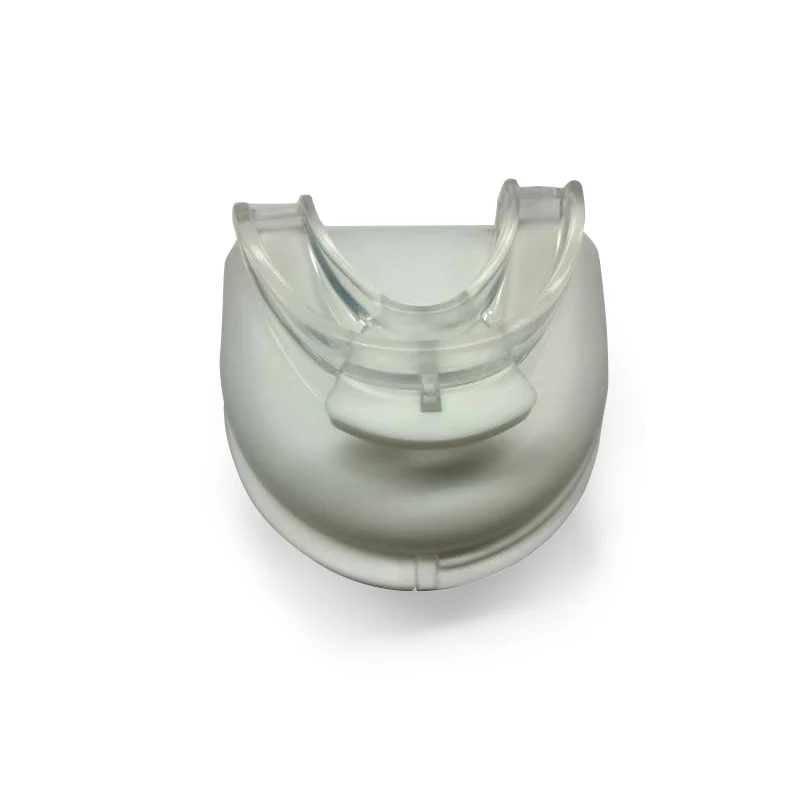
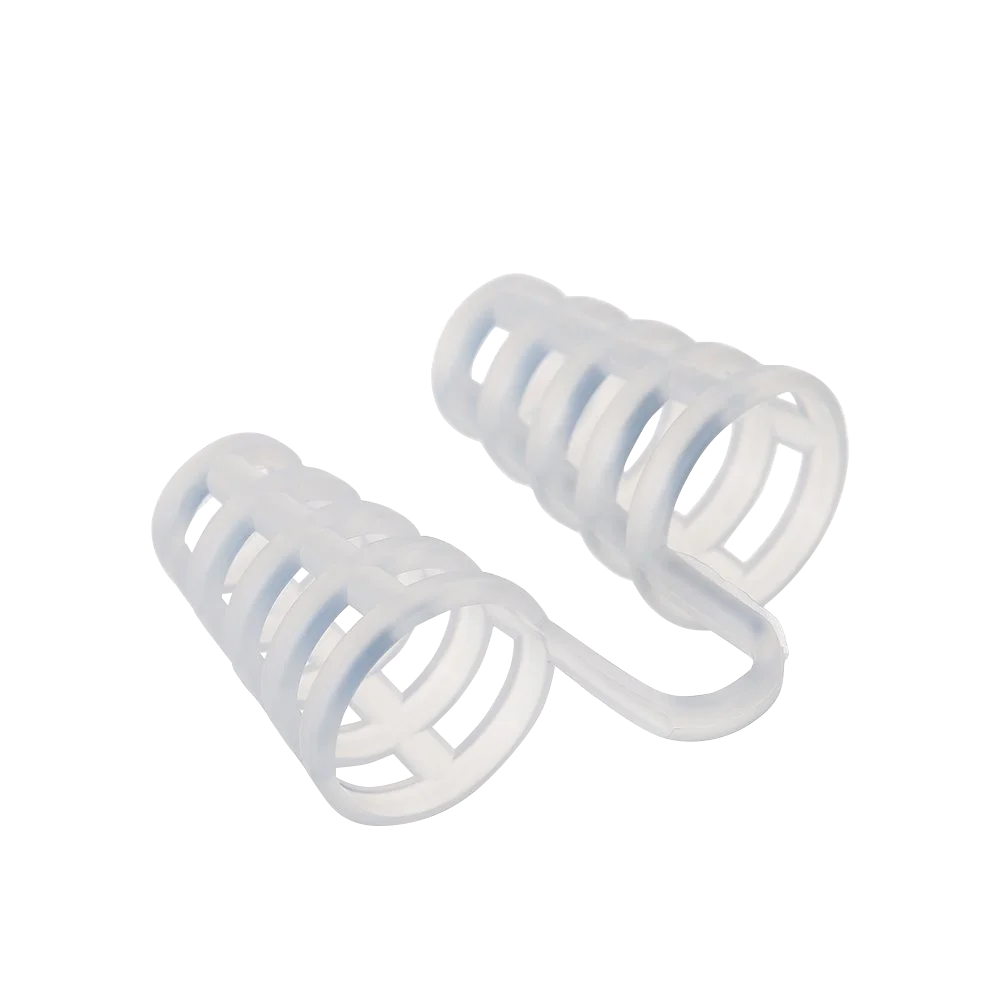
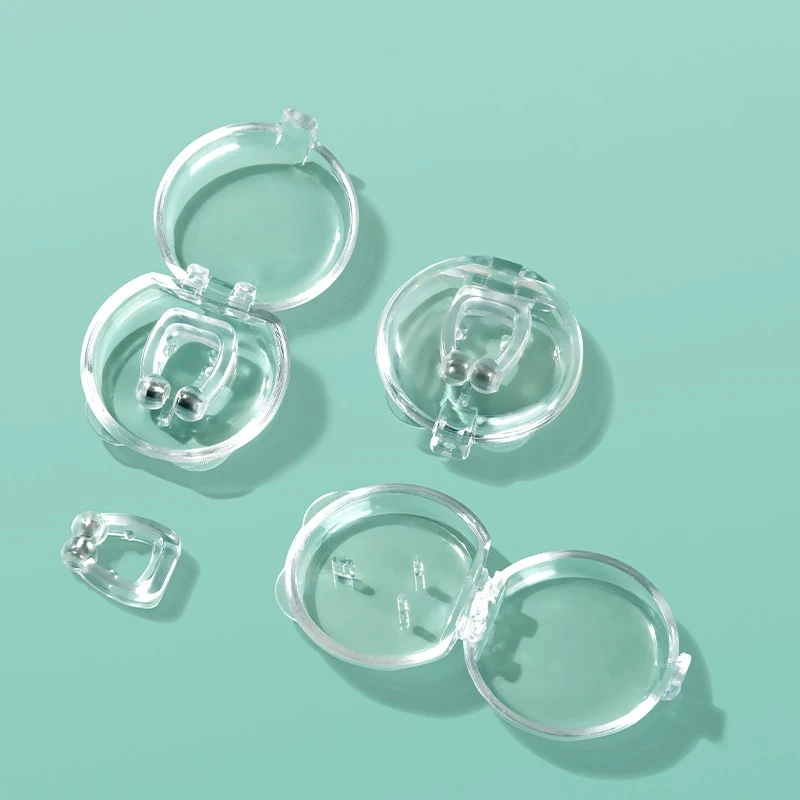
Sports guards, anti-snoring appliances, whitening trays, and night guards may all be discussed with similar words, yet they are not interchangeable product briefs. Each has its own use context, communication risks, and information needs. A wholesale supplier should be able to flag that distinction instead of placing every oral product under the same marketing promise.
For a grinding-related request, use measured language: the buyer can ask about a product designed to form a barrier between tooth surfaces, but should not make a universal health-outcome claim or assume it is suitable for every person. Persistent jaw pain, damaged teeth, sleep symptoms, or uncertainty about oral health are reasons to seek advice from a qualified dental professional. That boundary is important for responsible content and for channel materials.
Supplier Review: Evidence Before Claims
When reviewing a custom made mouthguard manufacturer, look for organized answers rather than broad superlatives. Ask for the current product specification, artwork approval flow, packaging proof, applicable test or material information, and a written explanation of what remains to be confirmed. A supplier that separates confirmed details from open items gives the buyer a stronger basis for internal approval.
It is also sensible to check communication continuity. Who answers technical questions? How are changes to the brief recorded? What happens if an artwork file, sample, or package insert needs revision? These practical points may affect launch timing as much as the initial factory price.
A Practical Pre-Order Checklist
- Confirm the exact custom made mouthguard category and intended user.
- Approve the fit-input route and the sample specification.
- Compare quotations using the same volume, packaging, and delivery assumptions.
- Review available documents for the destination market; do not infer a certification that has not been supplied.
- Check artwork, instructions, warnings, and language for the sales channel.
- Keep bruxism relief messaging conditional and within the appropriate professional boundary.
- Record all remaining questions before issuing a purchase order.
Choose a Supplier Relationship, Not Just a Unit Quote
A premium custom made mouthguard program works more smoothly when the buyer and supplier agree on the product definition first. The right wholesale conversation connects fit workflow, market communication, packaging, documents, and quantity planning. That makes the factory price meaningful and gives your team a repeatable way to review samples and future orders.
For a new inquiry, send a structured brief and ask the supplier to identify what is confirmed, what is optional, and what needs market-specific verification. That small discipline helps protect the clarity of your product listing while keeping the sourcing decision grounded in comparable information.
 Hot News