 EN



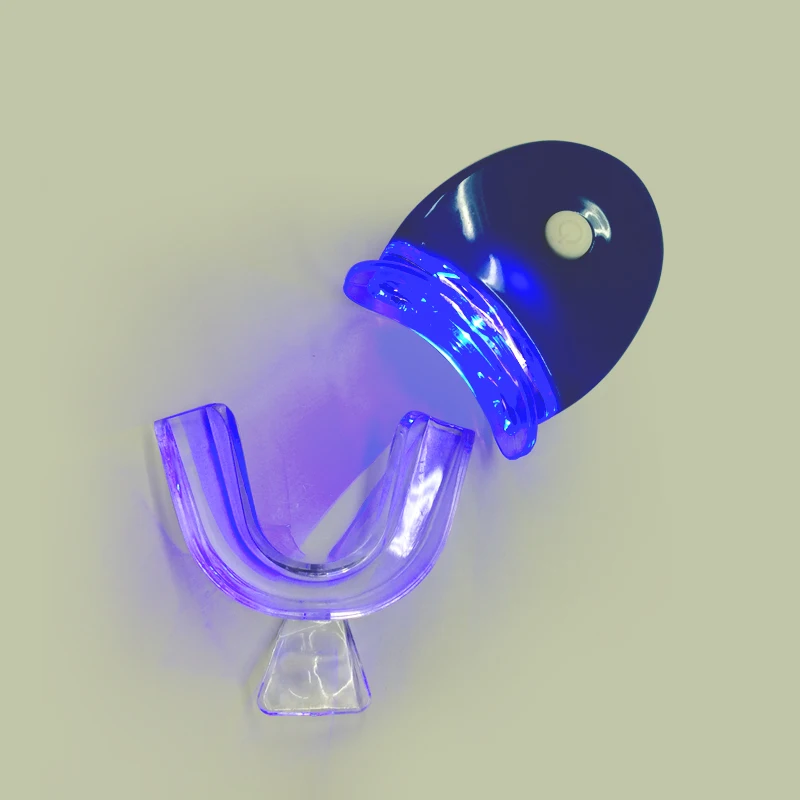
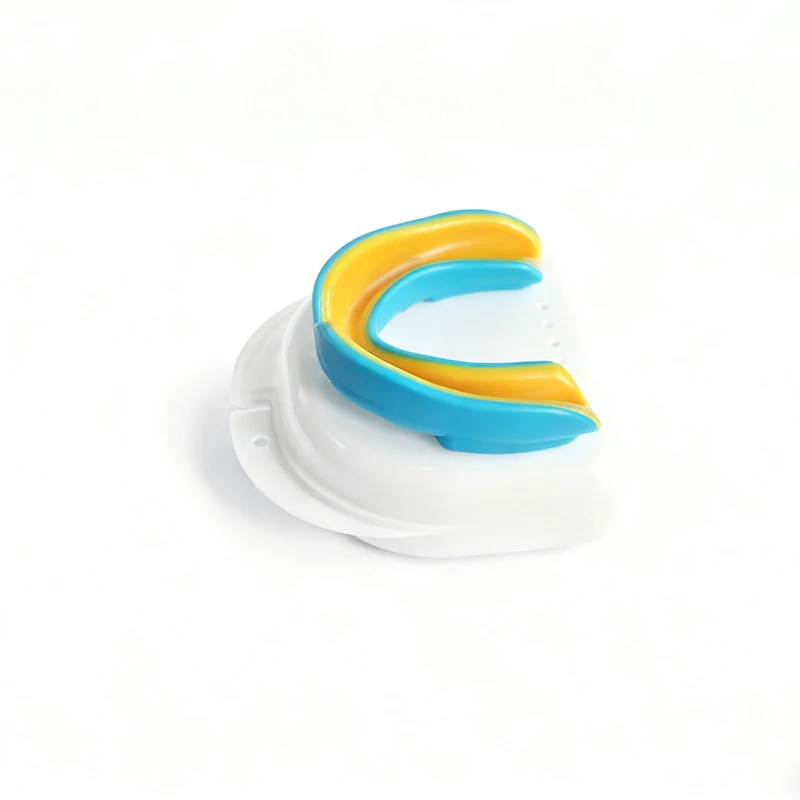
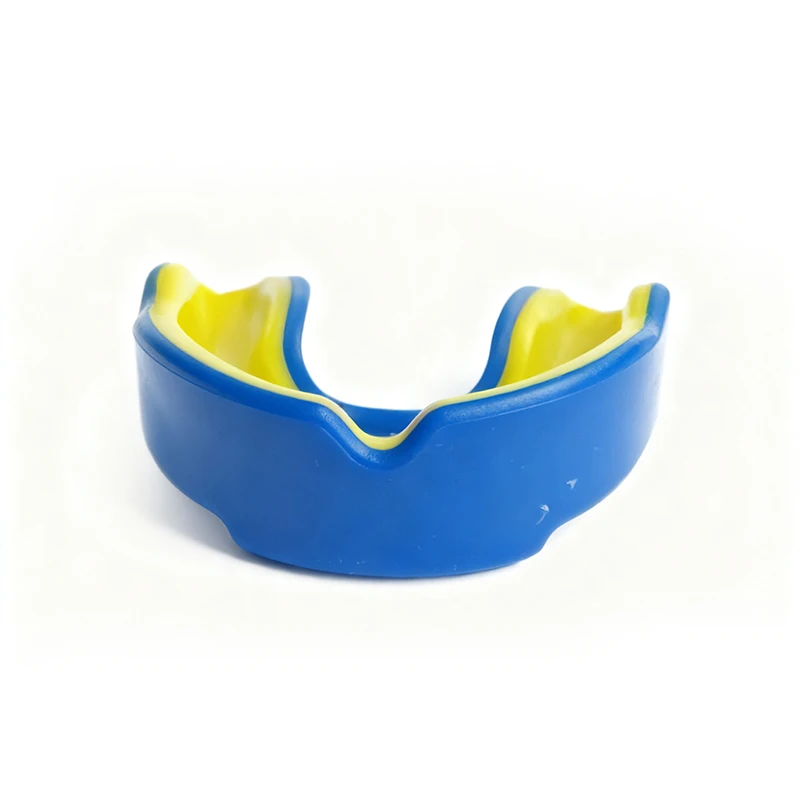
Customized FDA-Grade Stop Snoring Products To Prevent Snoring Comfortably
For a wholesaler, clinic buyer, pharmacy group, or online seller, choosing stop snoring products is not simply a matter of adding a mouthpiece to a catalog. The buyer needs a clear use case, product information that can be checked, and careful language about what the item can and cannot claim. This matters especially when a listing uses terms such as “FDA-grade.” That phrase is not a substitute for product-specific regulatory documents, testing records, intended-use information, or professional advice.
Xiamen Yizhou Imp. & Exp. Co., Ltd. serves channel customers that include wholesalers, e-commerce sellers, clinics, and pharmacies, with a stated business focus that includes anti-snoring mouth guards. From a wholesale-purchasing perspective, the most useful way to compare stop snoring products is to turn broad marketing language into a documented procurement checklist.
Start with the user situation, not the product name
The search category for stop snoring products is broad. It can include oral devices, nasal aids, positional products, and other sleep-related items. For a buyer, these stop snoring products require separate product briefs and separate claim reviews. Those categories should not be treated as interchangeable. A buyer should first decide whether the product is being evaluated as a retail comfort item, a clinician-facing oral-appliance offering, or a channel product that needs a clear referral and safety message.
In particular, snoring can be associated with conditions that need professional assessment. A product page should not diagnose sleep apnea or promise that a device will prevent every instance of snoring. The American Academy of Sleep Medicine and the American Academy of Dental Sleep Medicine have stated that primary snoring should be diagnosed by a sleep physician before treatment begins. That is a useful boundary for sellers of stop snoring products: explain the product category plainly, but direct customers with persistent, severe, or concerning symptoms toward qualified medical guidance.
What “FDA-grade” should mean in a responsible buying conversation
“FDA-grade” is often used loosely in marketplace copy. For a procurement team, it should trigger questions rather than assumptions. FDA materials describe a product category for intraoral devices intended for snoring and/or obstructive sleep apnea, including product code LRK. That category information does not establish the status of any particular item. Nor does it prove that a material, factory, or finished product is cleared, registered, tested, or appropriate for a given customer.
When assessing customized stop snoring products, ask the supplier. A wholesale team should document which stop snoring products are appropriate for its intended catalog and which require additional review. Then request for the exact documentation that applies to the proposed SKU and destination market. Request the intended-use statement, applicable product classification or regulatory pathway information, material identification, labeling draft, instructions for use, and traceability details. If a claim cannot be documented, it should be removed from the listing instead of being softened into an ambiguous phrase.
A practical procurement checklist for customized oral products
Wholesale selection becomes more reliable when stop snoring products are reviewed. Clear comparisons of stop snoring products give a distributor a safer basis for assortment decisions. Review them through a consistent set of questions. The goal is not to demand a universal specification; it is to make sure that a product brief, packaging plan, and sales message all describe the same item.
- Intended channel: Is the product for a retail shelf, an online store, a clinic-related program, or a pharmacy assortment? Each channel may need different label depth and customer-support material.
- Customization scope: Define what may be customized: logo, retail box, instructions, color, packing configuration, or other approved presentation details. Do not imply a custom clinical fit unless the supply arrangement and documentation support that statement.
- Product information: Confirm the SKU name, included components, usage instructions, warnings, cleaning guidance, and any age or suitability limits before artwork is approved.
- Compliance review: For stop snoring products marketed with regulatory language, assign responsibility for reviewing destination-market requirements and retaining the supporting records.
- Claims control: Separate descriptive product facts from health outcomes. “Designed for an oral product category” is different from “treats sleep apnea” or “guarantees quiet sleep.”
- Post-sale support: Plan how the retailer or distributor will handle fit questions, discomfort feedback, returns, and requests for professional referral.
Comfort claims need a careful definition
Comfort is important to customers evaluating anti-snore options, but it is subjective. A useful description of stop snoring products can explain. In practical anti-snore catalog content, this kind of stop snoring products guidance can explain the need for clear instructions, cautious adaptation, hygiene information, and a route for customer support. It should not claim that every user will sleep comfortably or achieve the same result. In a wholesale brief, it is better to ask how comfort-related feedback will be collected and how the channel will communicate stop-use conditions.
This approach is not weaker marketing. It gives distributors a more credible story because the product information matches the limits of the evidence. More selling points do not automatically create more trust; for health-adjacent items, a transparent evidence boundary is often more valuable.

How to build a wholesale-ready assortment
For a wholesale program, stop snoring products should be evaluated. Wholesale buyers can use this same framework to compare stop snoring products across their approved assortment. Each item should be evaluated as a complete information package, not just physical inventory. A channel-ready package may include approved product copy, packaging artwork, instructions, warning language, a batch or traceability process where applicable, and an escalation path for medical questions. Sellers should also decide in advance which claims are authorized for each market and which statements require separate legal, regulatory, or clinical review.
The supplied auxiliary terms “anti-snore” and “wholesale” can help buyers organize a catalog. An anti-snore wholesale category still needs documented information, but they do not remove the need for precision. A wholesale listing for anti-snore oral items should be clear about the product type, should avoid presenting general category information as item-specific proof, and should not invite customers to self-manage symptoms that call for medical assessment.
Questions to ask before you order
- What exact product facts and documents can the supplier provide for this customized SKU?
- Which customization requests affect labeling, instructions, packaging, or market review?
- How will the seller describe stop snoring products without promising a diagnosis, cure, or a uniform comfort outcome?
- What warning and referral language will appear in the online listing and printed material?
- Who verifies claims before the final wholesale artwork is released?
Choose clarity over unverified promises
The strongest customized stop snoring products program is built on usable documentation, accurate labeling, and language that respects both buyers and end users. Start with the channel, verify the specific SKU, make customization boundaries explicit, and keep health claims within what the records support. If a buyer needs to use FDA-related wording, the next step is not to repeat the phrase more often; it is to obtain and review the product-specific evidence that makes any such statement appropriate.
For wholesalers, pharmacies, clinics, and e-commerce teams, that discipline supports safer product communication and a more durable purchasing decision.


 Hot News
