EN



Effective And Comfortable Mouthpiece Anti Snore For Wholesale & Distribution
For a wholesaler, an effective and comfortable mouthpiece anti snore range is not simply another sleep-category SKU. It is a product group that needs careful positioning, clear documentation, and a sensible route from supplier information to consumer-facing copy. Buyers often ask whether a design will feel comfortable, whether the material is appropriate for nightly intraoral use, and whether the product story can be explained without making promises that the available documents do not support.
That is why the most useful purchasing conversations begin with a practical question: what does your channel need to sell responsibly? Xiamen Yizhou Imp. & Exp. Co., Ltd. serves wholesalers, ecommerce platforms, clinics, and pharmacies with anti-snoring mouthguards, sports mouthguards, and dental whitening trays. For each channel, the route to a good mouthpiece anti snore selection is a little different.
Start with the use case, not the phrase “anti-snore”
A mouthpiece anti snore product is generally marketed for overnight oral use, but the category should not be treated as a single, interchangeable item. In broad terms, some oral devices are designed around mandibular positioning while others focus on tongue positioning. That distinction matters for product training, instructions, and questions from retail partners. It also keeps a distributor from presenting a general sleep aid as a diagnosis, treatment, or universal answer for every kind of snoring.
Comfort is equally contextual. One customer may value a compact profile; another may ask about adjustment, retention, cleaning, or the time needed to become accustomed to a device. Instead of promising that a mouthpiece anti snore will be comfortable for everyone, prepare conditional product copy: fit and comfort can vary, and users with pain, dental concerns, suspected sleep apnea, or ongoing symptoms should seek appropriate professional advice.
A wholesale checklist for an effective and comfortable range
Before you compare unit prices, ask the supplier to make the following information easy to review. This reduces the information gap between a factory specification and the listing or shelf copy that your downstream channel will actually use.
- Product positioning: Confirm the intended use and the boundaries of permitted claims. “Sleep aid” may be a useful retail search term, but it should not become a promise of medical outcome.
- Material description: If a product is described as medical grade, request the supplier’s applicable material documentation and confirm exactly what that phrase is allowed to mean in the destination market. Do not turn a material descriptor into an unverified approval or certification claim.
- Fit and adjustment information: Ask what the instructions say about sizing, molding or adjustment where applicable, cleaning, storage, and situations in which consumers should stop using the item.
- Packaging and labeling: Check that the instructions, warnings, lot or traceability fields, and language versions fit the channel and market you plan to serve.
- Commercial readiness: Review MOQ, pack configuration, lead-time expectations, barcode needs, private-label artwork workflow, and the assets your sales team needs for a launch.
A channel-ready mouthpiece anti snore assortment is therefore more than a device and a carton. It is a package of product facts, instructions, and evidence boundaries that a distributor can pass through accurately.
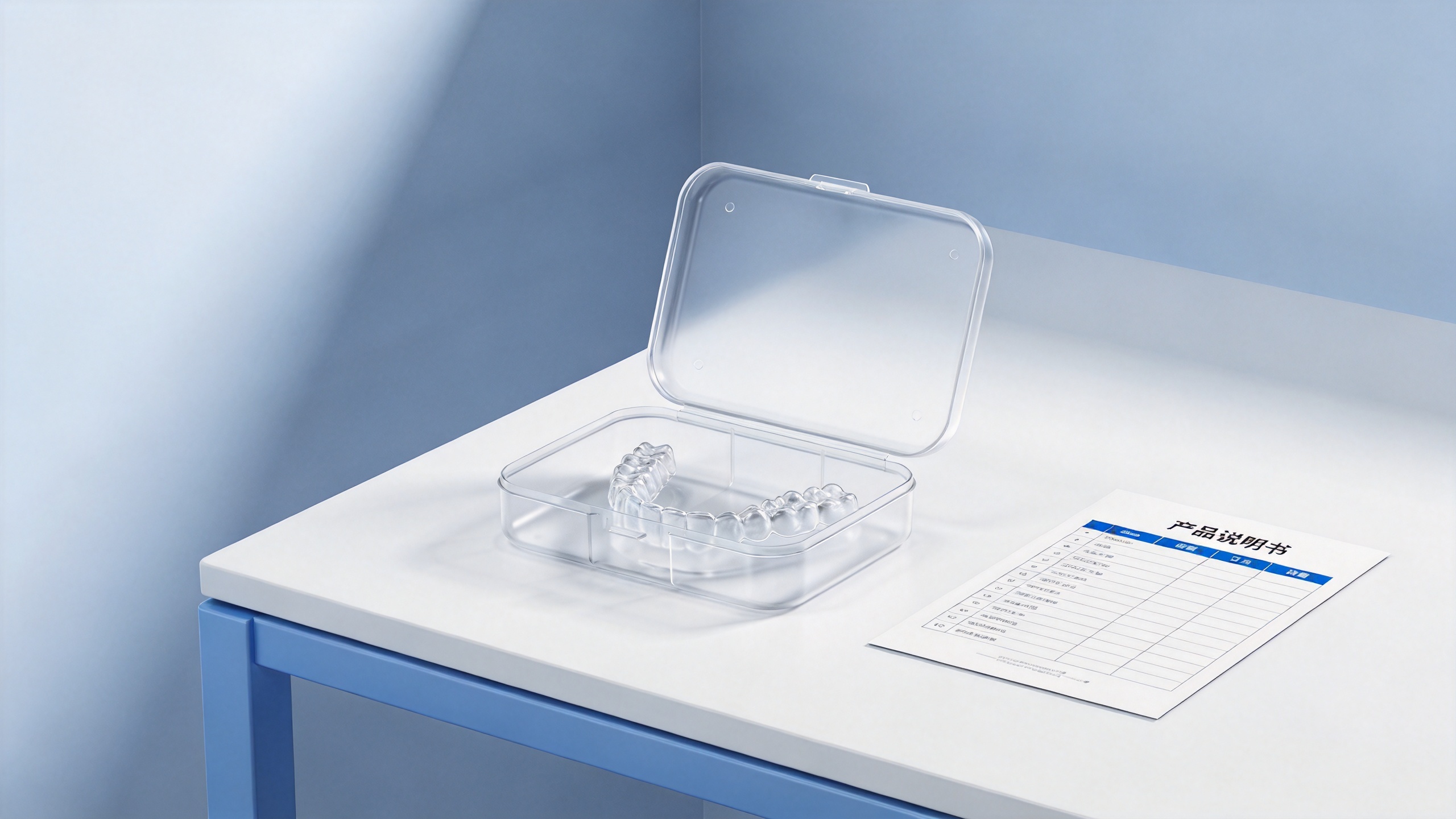
How to evaluate effectiveness without overclaiming
Retail search results often use words such as “effective,” “adjustable,” and “comfortable.” These are understandable shopper priorities, but they need disciplined handling in B2B material. General educational sources describe oral appliances as devices worn over the teeth, and some designs support the lower jaw in a forward position during sleep. That background can help a buyer understand the category; it does not prove the performance of a particular SKU.
For a mouthpiece anti snore offer, ask for substantiation that matches each proposed claim. If a supplier provides a specific test, approval, registration, or performance statement, verify the document, the product variant, the target market, and the allowed claim wording before it appears in your catalogue. If that evidence is not available, use careful language such as “designed for,” “intended for,” or “please review the supplied instructions,” rather than an unqualified result.
This approach is especially useful for clinic and pharmacy channels. Those buyers may need clearer technical information and a more visible referral boundary than a general ecommerce listing. A consumer should not be encouraged to self-manage suspected sleep apnea or persistent symptoms solely through a retail product choice.
Where “medical grade” fits into the purchasing discussion
Medical grade is a term that can attract attention, yet it needs a precise paper trail. In a sourcing review, separate three questions: what material is used, what supplier documentation is available, and what claims may legally be used in the destination market. A material declaration may be useful for internal review, but it is not automatically a clinical claim, product clearance, or guarantee of comfort.
For wholesale teams, make that distinction visible in the product-information file. Store the material statement with artwork approvals, instructions for use, relevant test reports where supplied, and a record of the exact SKU covered. This makes it easier to keep distributor listings aligned when the same mouthpiece anti snore product appears in marketplace, pharmacy, and private-label programs.
Build a range for each distribution channel
| Channel | Priority information | Practical buying question |
|---|---|---|
| Ecommerce platform | Clear images, concise instructions, return-ready packaging, and claim-safe copy | Can a shopper understand intended use and care before checkout? |
| Wholesaler | Pack options, MOQ, replenishment rhythm, documentation, and sales assets | Can the product be resold consistently across different customers? |
| Clinic or pharmacy | Traceability, warnings, technical file availability, and professional-use boundaries | Does the product information support a more careful customer conversation? |
In every channel, a mouthpiece anti snore product works better as a considered assortment than as a stand-alone claim. A basic SKU may fit broad online retail, while a more documentation-led option may be appropriate for professional channels. The objective is not to label one choice as universally suitable; it is to match product information to the buying environment.
Questions to send before placing a wholesale order
- Which exact SKU, packaging version, and destination market does each document cover?
- What wording is approved for intended use, material description, and care instructions?
- What fit, adjustment, cleaning, and warning information will be included with the mouthpiece anti snore product?
- Can the supplier provide assets and packaging details that are consistent with the product file?
- What are the MOQ, sampling, private-label, and replenishment conditions for your proposed program?
These questions are useful because they turn vague comfort claims into a manageable procurement process. They also help sales teams explain the difference between a consumer-friendly sleep aid category description and a medical promise that should not be made without verified support.
A practical conclusion for distributors
Choosing a mouthpiece anti snore range for wholesale is a balance of comfort expectations, claim discipline, channel fit, and documentation quality. Begin with the use case, verify what the product file supports, and carry the same precise language from factory discussion to packaging and product listing. For distributors serving Europe and the United States, that measured process is usually more valuable than a louder claim: it protects the listing, helps downstream partners communicate clearly, and makes future range expansion easier to manage.
When reviewing a supplier proposal, keep the final decision simple: is the product information complete enough for your channel to sell it responsibly? If the answer is yes, you have a stronger foundation for an effective, comfortable, and commercially workable mouthpiece anti snore program.

 Hot News