 EN



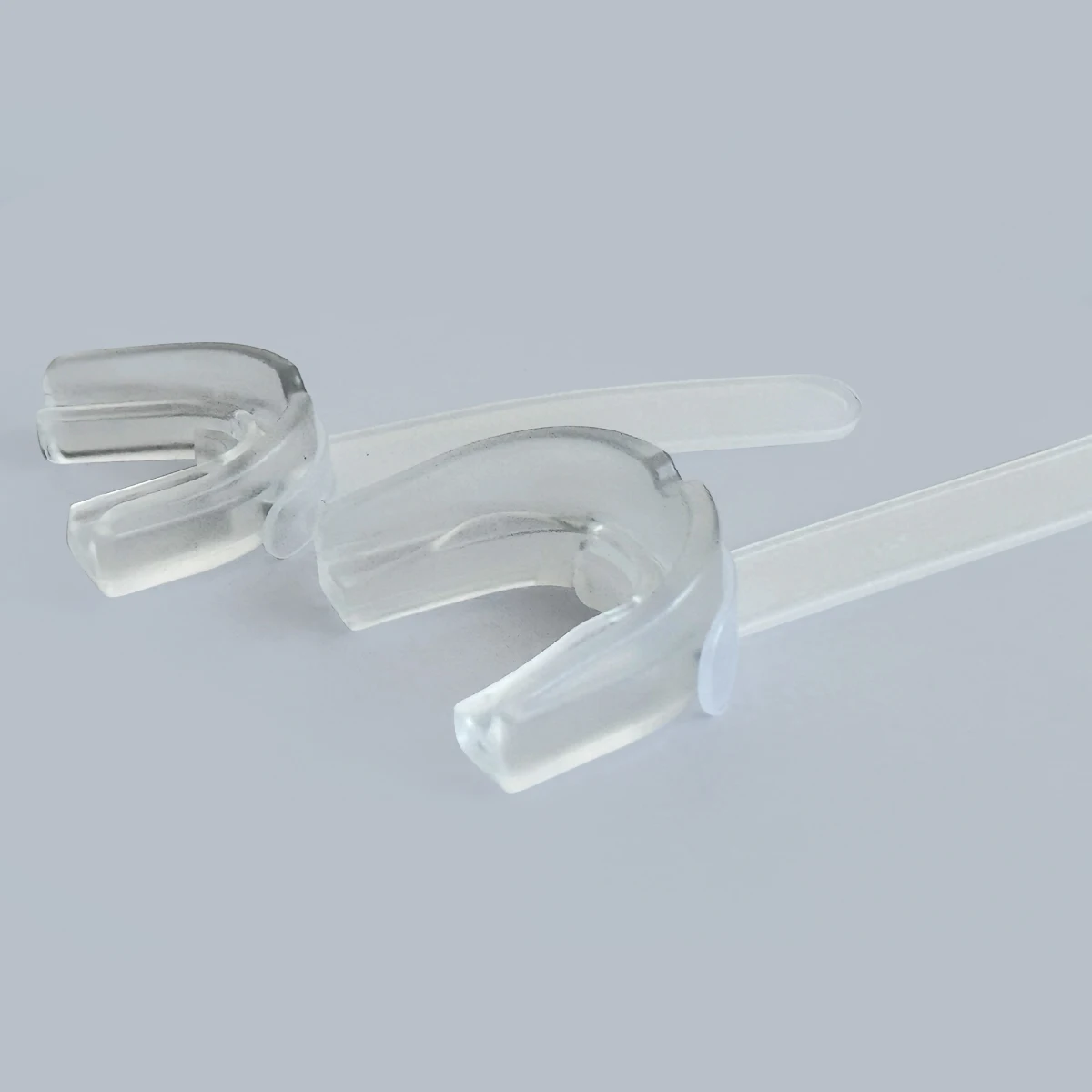
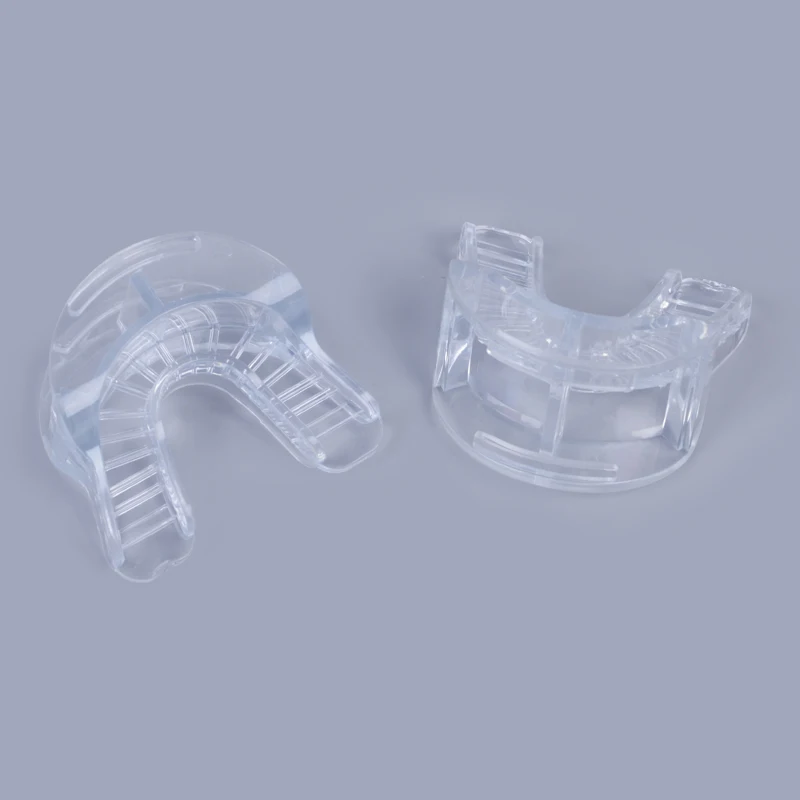
Effective And Comfortable Teeth Grinding Snoring Mouth Guard For Wholesale & Distribution
For a wholesaler, a teeth grinding snoring mouth guard is not one generic SKU. It is a nighttime oral product category that requires careful positioning before it reaches an e-commerce seller, pharmacy, clinic, or distributor. The first sourcing question is straightforward: is the buyer looking for a guard intended to cushion teeth from grinding, an anti-snore oral appliance, or a product range that separates those uses clearly? A reliable answer helps reduce incorrect listings, consumer confusion, and post-sale support work.
From a wholesale procurement perspective, evaluating a teeth grinding snoring mouth guard starts with intended use, wearing scenario, and the information available to support each statement. Comfort matters, but it should not be treated as a universal performance promise. It is better discussed through fit options, material information, instructions, cleaning guidance, and the channel-specific questions that still need verification.
Why Product Purpose Must Come Before Product Claims
A teeth-grinding guard and a snoring oral appliance can both be worn at night, yet their product purposes are not automatically interchangeable. A grinding guard is commonly discussed as a way to help protect teeth from the effects of clenching or grinding. A snoring appliance may use a different design approach intended to affect jaw or tongue position during sleep. When a catalogue groups both under one broad nighttime mouthguard label, downstream buyers need a clear comparison rather than a blended claim.
The distinction matters particularly for an anti-snore range. U.S. FDA guidance identifies intraoral devices for snoring and/or obstructive sleep apnea as a regulated device type and notes that prescription status or an OTC pathway depends on the specific product and its directions for use. This is not evidence that any particular item is cleared or suitable for a clinical purpose. It is a sourcing reminder: wholesalers should verify the target market, intended-use wording, documentation, and permitted claims before distributing a teeth grinding snoring mouth guard.
What “Comfortable” Means in a Wholesale Conversation
Comfort is often the first commercial request for a nighttime oral guard, but it is not a single specification. Buyers may be asking about profile, adjustment method, retention, edge finish, material feel, cleaning routine, or the clarity of fitting instructions. It helps to turn a vague request for a comfortable night guard into a documented set of questions.
- Which use is being described: nighttime grinding protection, an anti-snore application, or both as separate variants?
- What fitting or adjustment process is supplied, and who is the intended user?
- Which materials, care instructions, and replacement guidance are confirmed in product documentation?
- Can the packaging and leaflet distinguish product information from health advice?
- What channel will sell the product: online retail, pharmacy, clinic, or a mixed distribution network?
In practice, this shift—from a comfort claim to a confirmation checklist—makes the range easier to present responsibly. It also prevents a common error: treating a soft-feel description as proof of fit, efficacy, or suitability for every sleeper.

A Buyer Checklist for Wholesale and Distribution
Before placing a purchase order for this nighttime oral product, distributors can use a requirements-led review. The list below is designed to support supplier comparison, not to replace dental or medical advice.
| Review area | What to confirm | Why it matters |
|---|---|---|
| Intended use | Exact category wording for grinding protection, anti-snore use, or another defined purpose. | Prevents ambiguous listings for a nighttime oral product. |
| Product information | Materials, fitting steps, care instructions, warnings, and product-specific limitations. | Supports consistent reseller and customer communication. |
| Market readiness | Applicable registration, labelling, and claims review for the destination market. | Claims and compliance requirements differ by market and product type. |
| Channel format | Retail packaging, private-label requirements, languages, barcodes, and master-carton details. | Helps the product move through the chosen channel with fewer avoidable revisions. |
| Support process | Returns process, customer questions, and escalation language for fit or sleep concerns. | Reduces the chance that ordinary product support becomes unsupported health guidance. |
Separate the Product Stories Instead of Combining Them
A concise range architecture is usually more useful than a catch-all listing. For a grinding-oriented guard, the product story can focus on protecting teeth from clenching and grinding, subject to the documentation available. For an anti-snore oral appliance, the story should use only the intended-use and regulatory language the supplier can support. If a buyer wants both categories, separate SKUs, instructions, and listing copy make comparison clearer.
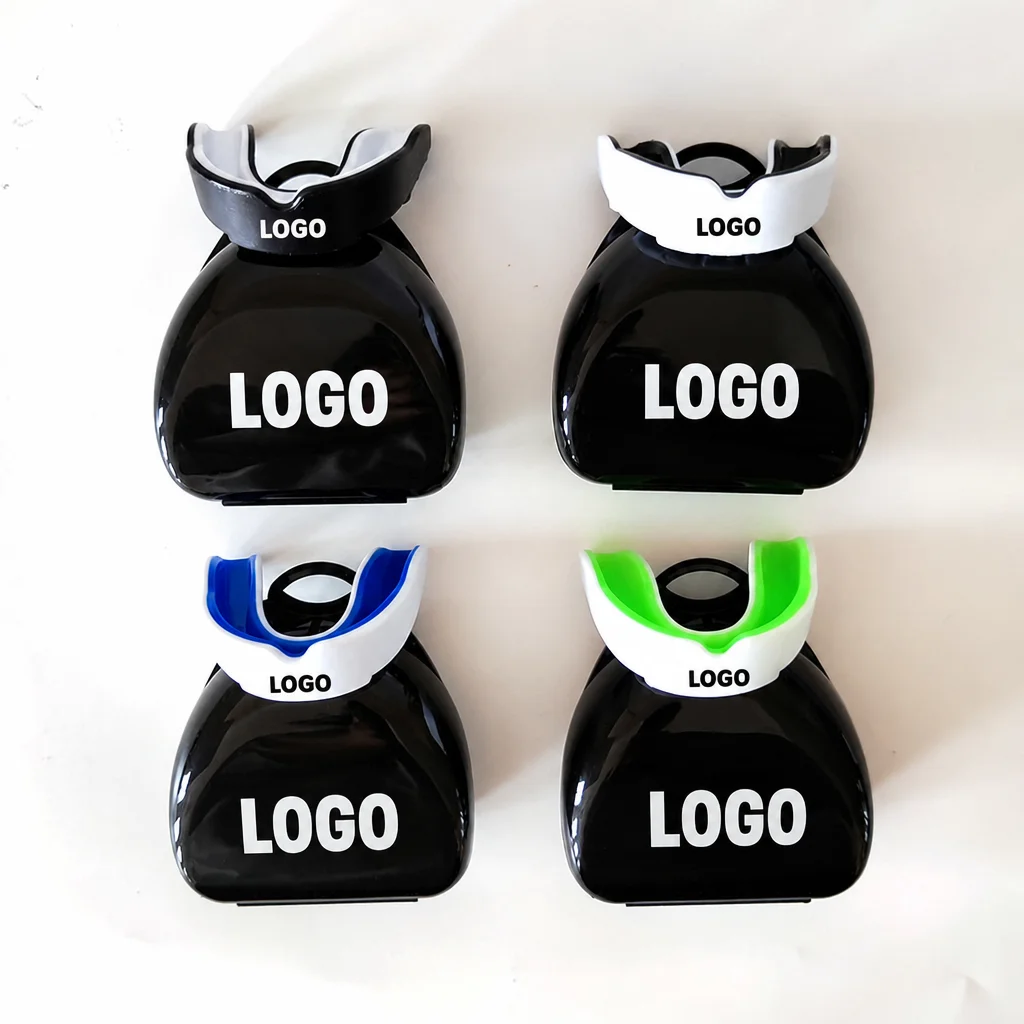
Distributors can add practical value here. A nighttime mouthguard assortment can be organized around the customer’s channel and use case rather than around vague superlatives. Pharmacy teams may need simplified product information and an escalation path. Clinics may require more detailed specifications. E-commerce sellers may need accurate titles, images, care directions, and a copy-review process that avoids overclaiming. The goal is not to promise a sleep aid outcome; it is to make the product information precise enough for an informed purchasing conversation.
Questions to Ask a Supplier Before You Distribute
- What is the confirmed intended use of this product in each target market?
- Which claims, instructions, and warnings are supplied in writing and can be carried into reseller materials?
- What evidence supports the labelled material, fitting, cleaning, and replacement information?
- Is the item designed as a grinding guard, an anti-snore appliance, or a clearly differentiated collection?
- What packaging, private-label, and order-quantity options are available for the planned channel?
- How should buyers direct consumers who report persistent snoring, pain, poor fit, or other health concerns?
The same questions help buyers compare total workload, not just unit price. A lower-cost night guard can create more operational work if instructions are unclear, claims need rewriting, or the product purpose is poorly separated across sales channels.
Build a More Reliable Distribution Offer
The strongest wholesale offer for this product category is a transparent one: define the product purpose, provide the available specifications, keep claims within verified boundaries, and tailor packaging information to the channel. If product records are incomplete, mark the gap and request the relevant documents before making stronger statements. That is more credible than treating one nighttime mouthpiece as an answer for every concern.
For a comfortable nighttime mouthguard range, begin with use-case separation and documentation review. Then decide whether the next need is private-label packaging, retail-ready information, clinic-oriented materials, or a clearer anti-snore product category. Where an individual has sleep, jaw, dental, or breathing concerns, general product content should not replace evaluation by an appropriate qualified professional.
FAQ for Buyers
Can one teeth grinding snoring mouth guard be marketed for every nighttime use?
No. The item should be described according to its confirmed intended use and available documentation. Grinding protection, snoring appliances, sports guards, and other oral products should not be represented as interchangeable.
What makes a teeth grinding snoring mouth guard suitable for wholesale?
For wholesale, this type of nighttime oral guard needs more than a product sample. Buyers should review purpose, instructions, material information, market-specific labelling, packaging format, and support procedures before broad distribution.
Can a distributor call every nighttime mouthpiece a sleep aid?
Not without verified, permitted support for that wording. A sleep aid claim may imply more than general product information. Keep the description aligned with the supplier’s confirmed intended use and the requirements of the destination market.



 Hot News
