 EN



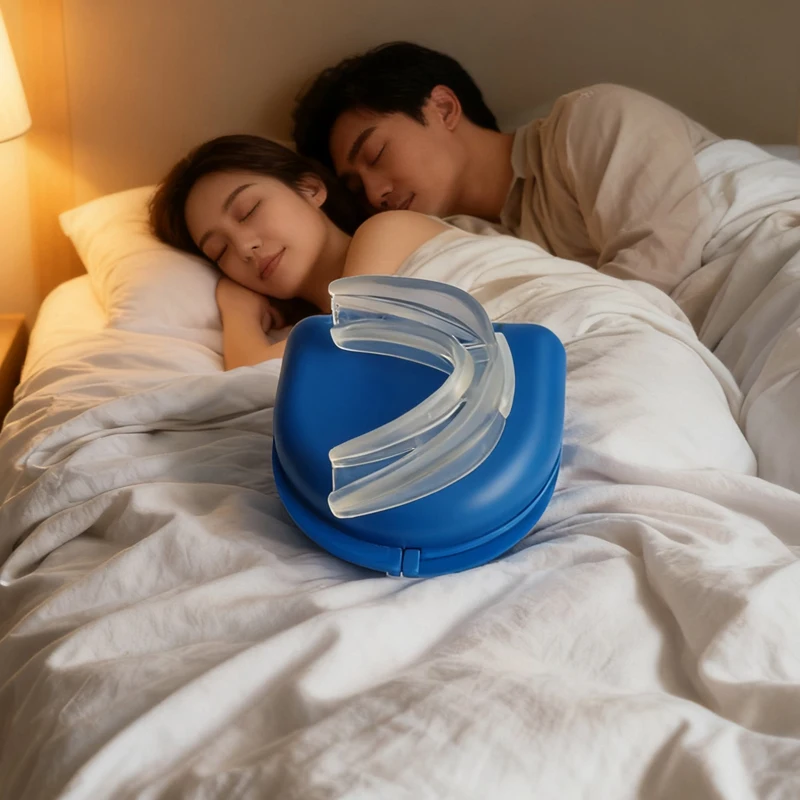
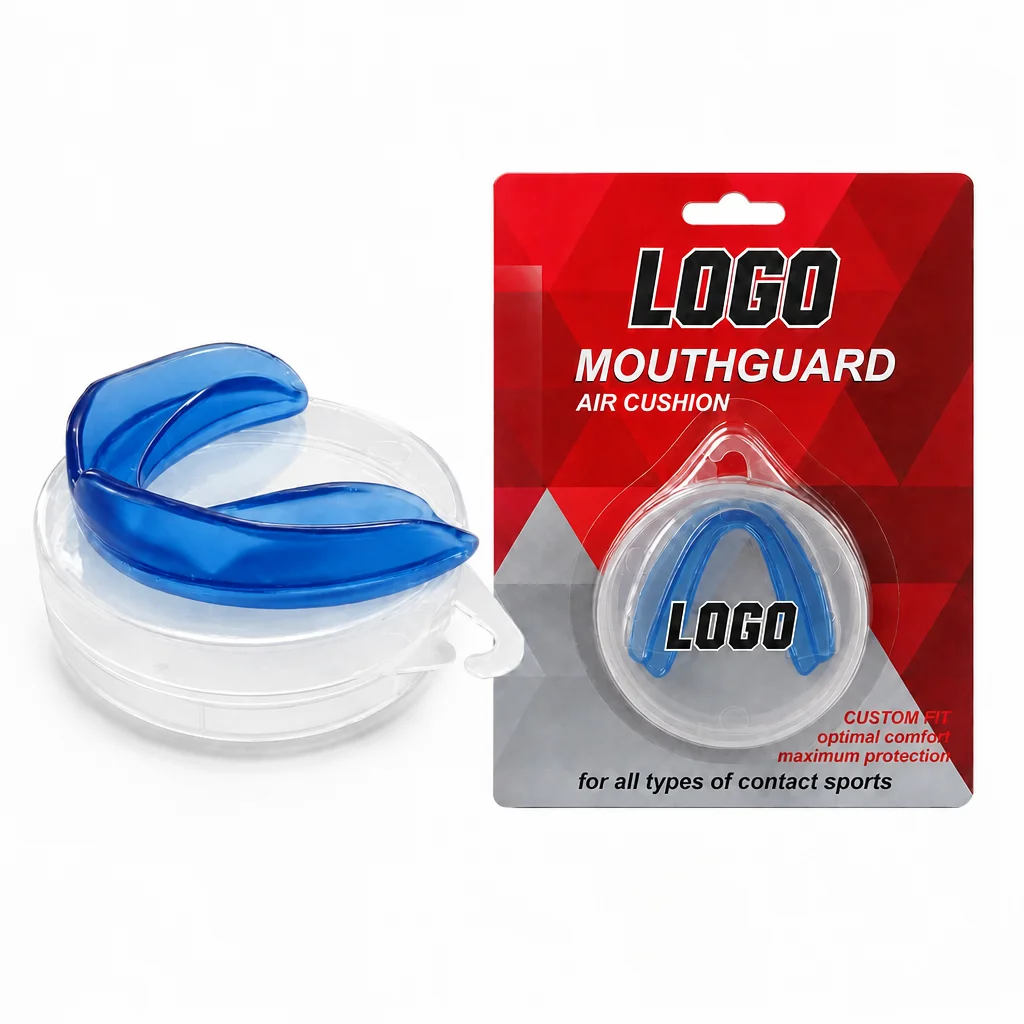
High-Quality Bulk Anti-Snore Mouth Guard At Competitive Factory Prices
For a wholesaler, pharmacy buyer, clinic channel, or online seller, an anti-snore mouth guard is not a category to source on price alone. The better question is whether the proposed item has a clear intended-use description, usable specification records, and a quotation that can be compared fairly with other offers. That approach protects both the buyer’s margin and the accuracy of the product information passed to downstream customers.
From a wholesale procurement perspective, an anti-snore mouth guard should be reviewed as a night-use oral product with health-related communication boundaries. It is not interchangeable with a sports mouthguard or a whitening tray. Before making a bulk commitment, identify the sales channel, expected customer questions, packaging requirements, and the documents needed to support the way the item will be described.
Start With the Product Category, Not the Lowest Quote
The phrase anti-snore mouth guard can be used broadly in commercial listings, while clinical oral appliances may be described more precisely by their design and intended use. FDA guidance on intraoral devices for snoring and/or obstructive sleep apnea discusses mandibular repositioners and tongue-retaining designs. That does not mean every wholesale product has the same status, design, evidence, or permitted claim. A buyer should ask a supplier to identify exactly what is being quoted rather than infer it from a generic product name.
For consumer-facing communication, keep the distinction clear. Guidance from the American Academy of Sleep Medicine and the American Academy of Dental Sleep Medicine describes prescribed oral-appliance therapy as a clinician-led process involving a qualified dentist and a custom, titratable device. Therefore, a bulk anti-snore mouth guard listing should not be positioned as individualized medical treatment unless the seller has appropriate, verified documentation for that market and use case.
What “High Quality” Should Mean for Bulk Buyers
A high-quality anti-snore mouth guard is not proven by a polished sample alone. A useful working definition is practical: the product information, physical sample, and production documentation should agree. Ask suppliers to provide the material description, size or fitting approach, instructions, cleaning guidance, packaging configuration, and labeling artwork version. If any of those items are pending, record them as pending rather than filling gaps with assumptions.
- Purpose clarity: Does the quotation state the intended commercial use without unsupported therapeutic promises?
- Specification consistency: Do sample, dimensions, material declaration, packaging, and listing copy describe the same anti-snore mouth guard?
- Channel readiness: Can the supplier provide artwork, barcode, warning, and insert requirements for the intended market?
- Batch communication: Is there a workable method for identifying the order, version, and any approved changes?
That matters most when a retailer is comparing an anti-snore mouth guard across factories. What looks like a lower price may omit a fit option, instruction sheet, packaging component, or document required later for the channel launch.
Compare Factory Prices on a Like-for-Like Basis
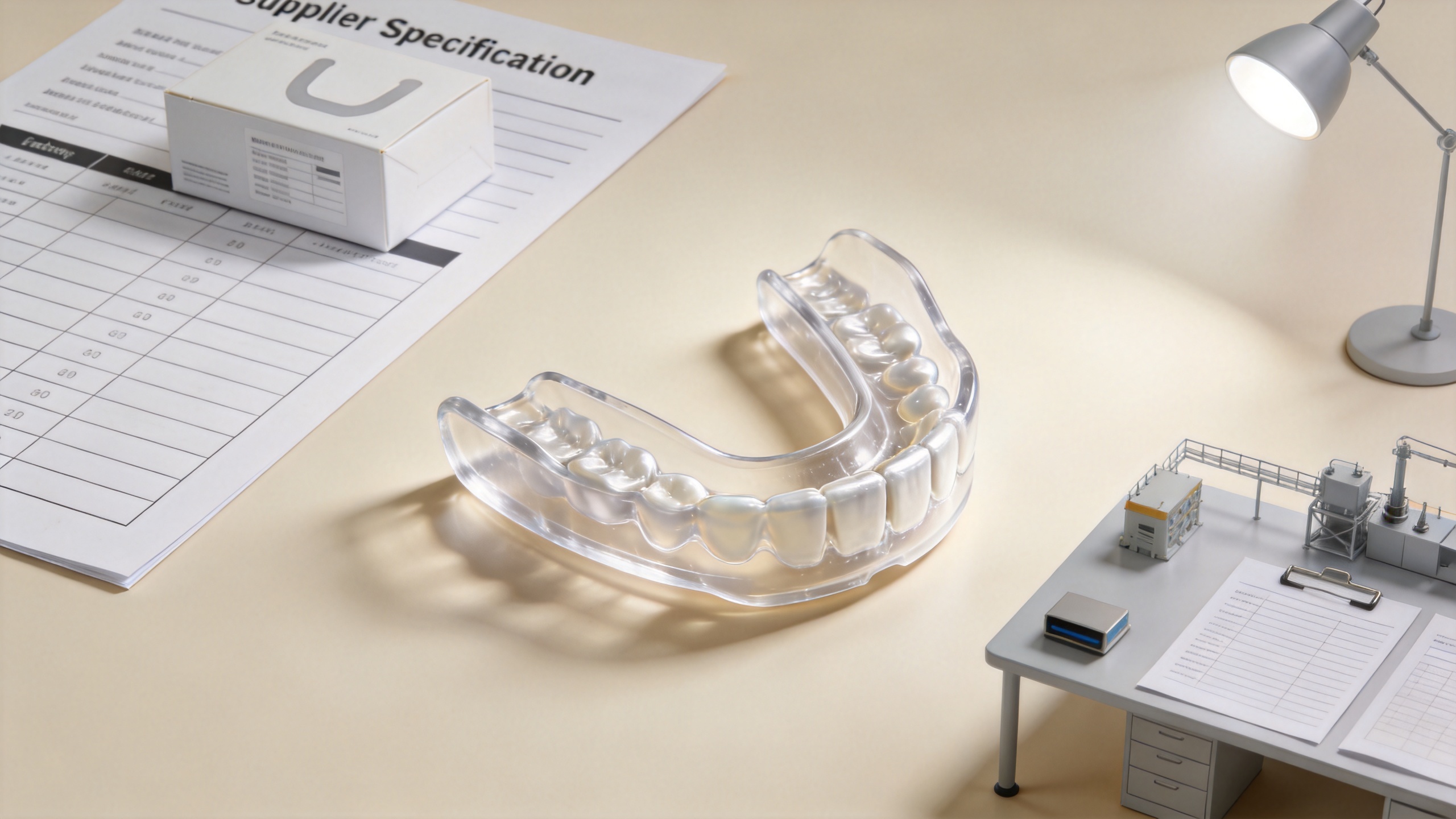
Competitive factory pricing begins with a controlled request for quotation. Send each supplier the same brief: expected order quantity, destination market, desired packaging level, branding needs, required documents, sampling expectations, and delivery terms. Then compare each anti-snore mouth guard quote against that exact scope. “Factory price” alone is not a complete purchasing decision.
| Comparison item | Question to ask | Why it matters |
|---|---|---|
| Product version | What exact anti-snore mouth guard design and size range are quoted? | Prevents a sample from being compared with a different production version. |
| Material record | What material information can be supplied for this version? | Supports accurate procurement and listing review. |
| Packaging | Are case, insert, label, and logo options included? | Shows whether the quotation is truly comparable. |
| MOQ and tooling | What is the minimum order and are setup charges separate? | Clarifies the total landed purchasing workload. |
| Quality process | What inspection points are documented before shipment? | Helps plan incoming checks without assuming a certification. |
For buyers seeking an anti snore mouthguard bulk order, this table also improves internal approval. It changes the discussion from “which unit price is lowest?” to “which offer can be launched with the fewest undocumented gaps?”
Use OEM Requests Carefully
An anti snore mouthguard OEM factory request can involve a logo, retail box, instructions, color, fit option, or a more substantial design change. Each route carries a different approval burden. Confirm who owns the artwork, how revisions are approved, whether pre-production samples are required, and what documentation will be available for the final version. Do not describe OEM capability as proof of clinical performance or market clearance.
For an anti-snore mouth guard custom-logo program, ask for a written comparison between plain packaging and branded packaging. The cheaper route is not necessarily the lower-risk route if it leaves the buyer without clear instructions, traceable artwork, or a stable listing specification.
Build a Supplier Verification Checklist
Before issuing a purchase order, use a simple evidence checklist for every anti-snore mouth guard supplier:
- Confirm the product name, intended-use wording, sample version, and quotation reference match.
- Request available material, dimension, fitting, cleaning, packaging, and labeling information.
- Confirm the target market and ask which documents are available for that destination; do not assume approvals transfer between markets.
- Review claim language with the buyer’s compliance process, especially for sleep apnea, treatment, or outcome-assurance wording.
- Define inspection criteria and a change-notification process before bulk production.
The same due diligence applies whether you are evaluating an anti snore mouthguard b2b supplier or comparing several offers. It also gives customer-service teams a clearer handoff: they can state what the product is, what information has been verified, and when a consumer should seek qualified clinical advice instead of relying on a general retail listing.
Questions That Make a Quote More Useful
Ask a prospective anti-snore mouth guard factory to answer practical questions in writing: Which sample version does the price represent? What packaging is included? Is the stated MOQ per color, per design, or per order? Which label fields can be customized? What lead-time assumptions were used? Which product details still need confirmation? Clear answers make a anti snore mouthguard wholesale price meaningful; vague answers only shift work and uncertainty downstream.
A Responsible Bulk-Sourcing Conclusion
A responsible bulk anti-snore mouth guard purchase is not automatically the lowest-priced or the most aggressively marketed. It is the option whose intended use, specifications, packaging, and commercial terms can be verified for the buyer’s channel. For health-related products, keep claims restrained, treat clinical guidance as a boundary rather than a sales script, and obtain qualified advice where individual sleep or dental concerns are involved. A like-for-like RFQ and documented checklist let buyers compare factory prices without giving up the information quality needed for a reliable launch.

 Hot News
