 EN



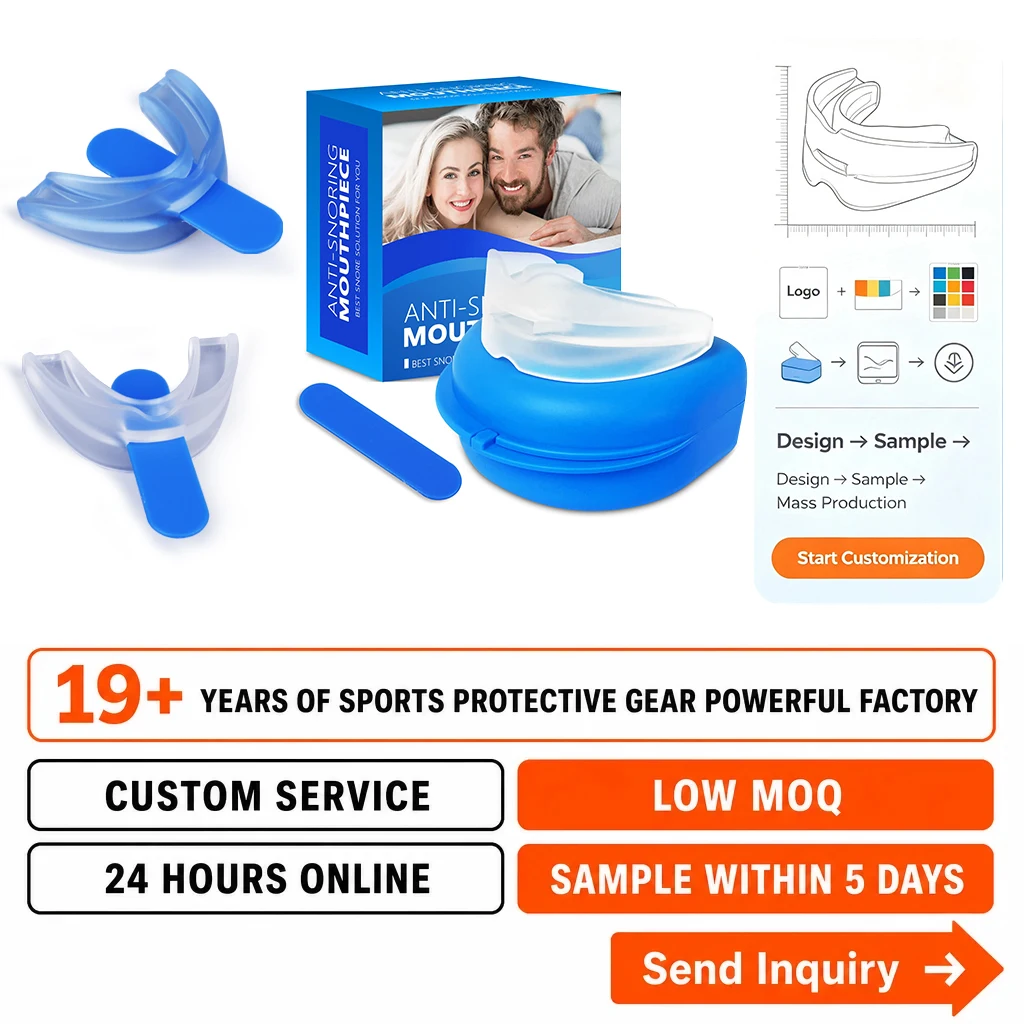
Customized FDA-Grade Snoring Mouth Guard To Prevent Snoring Comfortably
Shopping for a snoring mouth guard can feel straightforward until you compare labels, fit claims, and the reason someone snores. From an oral-health product selection perspective, the useful first question is not “Which device is right?” but “What information is actually confirmed for this person and this product?” A snoring mouth guard may describe several kinds of intraoral devices, and it is not a substitute for an assessment of possible sleep-disordered breathing.
The phrase “FDA-grade” in a headline should not be treated as proof that a particular snoring mouth guard is FDA cleared, registered, or appropriate for a particular user. FDA has issued guidance for certain intraoral devices intended for snoring and/or obstructive sleep apnea, but product-specific regulatory status must be verified from the manufacturer’s own documentation. That distinction protects readers from turning a marketing phrase into a medical conclusion.
Start With the Reason You Want a Snoring Mouth Guard
Snoring is a sound, not a diagnosis. It may be primary snoring, or it may occur alongside obstructive sleep apnea and other issues that deserve professional evaluation. The American Academy of Sleep Medicine and the American Academy of Dental Sleep Medicine distinguish these situations in their oral-appliance guidance. Before choosing a snoring mouth guard, seek clinical advice if there are witnessed breathing pauses, choking or gasping during sleep, marked daytime sleepiness, morning headaches, or uncertainty about the cause of snoring.
That distinction matters: a snoring mouth guard is a product category, while diagnosis and treatment planning are clinical tasks. If a sleep physician prescribes oral-appliance therapy for obstructive sleep apnea, professional guidance favors a custom, titratable appliance provided by a qualified dentist, with follow-up. A general article cannot determine whether that pathway fits an individual.
What “Customized” Should Mean in Practice
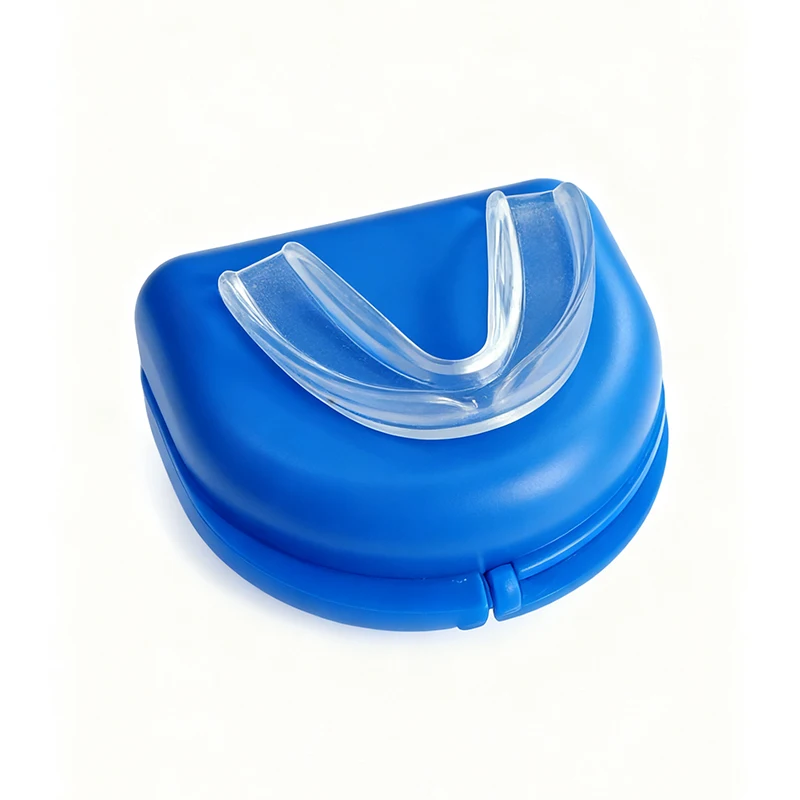
A customized snoring mouth guard should have a clear, documented definition of customization. In a clinician-directed setting, that can involve an impression or scan, an appliance designed for the individual dentition, and controlled adjustment when appropriate. In a retail setting, “custom” may instead refer to a boil-and-bite molding process, a size option, packaging, or branding. Those are not interchangeable.
- Fit method: Ask whether the snoring mouth guard is based on an impression, a digital scan, a heat-molding process, or a standard size.
- Adjustment: If the design claims adjustability, ask what moves, how adjustment is limited, and who should oversee it.
- Materials: Request the material specification, care instructions, and any relevant test or compliance documents rather than assuming them from appearance.
- Use boundary: Confirm the intended use. A sports guard, whitening tray, and nighttime snoring mouth guard have different purposes.
A more useful comparison starts with the use goal rather than the product name. Comfort matters, but comfort alone does not establish suitability or effectiveness.
Comfort Checks Before You Commit
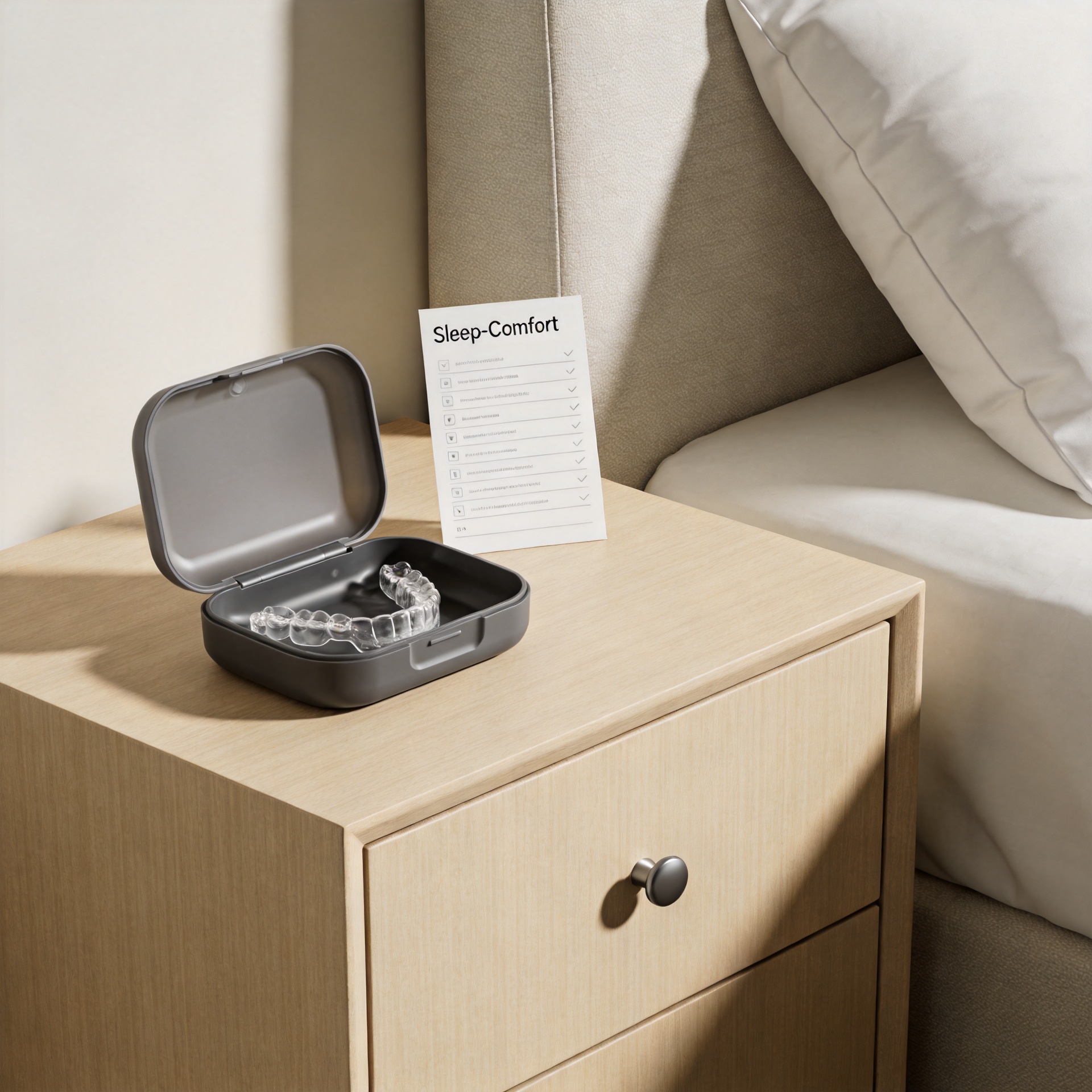
Comfort is often the deciding factor for a snoring mouth guard, especially because it is worn during sleep. Look for practical information instead of broad promises: how the edges are finished, what cleaning method is specified, whether the design has a break-in protocol, and what to do if pressure develops around teeth, gums, or the jaw. A device that feels overly tight, causes pain, changes the bite, or worsens jaw symptoms should not be forced into routine use.
For a custom snoring mouth guard, it is reasonable to ask how fit concerns are handled and whether professional follow-up is available. For a custom sleeping mouth guard sold through a retail channel, ask precisely what the word “custom” covers. Clear answers are more useful than a long list of unsupported benefits.
How to Read FDA-Related Claims Carefully
FDA context is important, but it is easy to overread. A snoring mouth guard should not be described as FDA cleared, FDA approved, or FDA registered unless that exact status is documented for that exact device and intended use. FDA’s special-controls guidance and the 510(k) pathway are regulatory context; they do not automatically validate every oral appliance sold under a similar name.
If you are sourcing a custom snoring mouth guard for a clinic, pharmacy, or online catalog, request documentation before repeating regulatory wording. Verify the manufacturer identity, model, intended-use wording, jurisdiction, and relevant record or clearance details. If the information cannot be verified, describe the item more cautiously and remove the claim.
A Simple Selection Checklist
- Define whether the need is product information, primary-snoring discussion, or clinician-directed care.
- Ask what type of snoring mouth guard it is and how the fit is created.
- Request materials, cleaning, packaging, and sizing information in writing.
- Check every FDA-related statement against device-specific documentation.
- Plan for professional advice when symptoms suggest sleep apnea, significant discomfort, or dental and jaw concerns.
Choose Clarity Over Big Promises
The most comfortable path is usually the most transparent one. A well-described snoring mouth guard should make its fit method, intended use, care requirements, and limits easy to understand. For suspected sleep apnea or for a custom, titratable treatment appliance, work with a sleep physician and qualified dentist. For product sourcing, make documentation—not an unverified headline claim—the basis for the decision.


 Hot News
