EN



High-Quality Custom Dental Guard For Bruxism Relief And Sleep Comfort
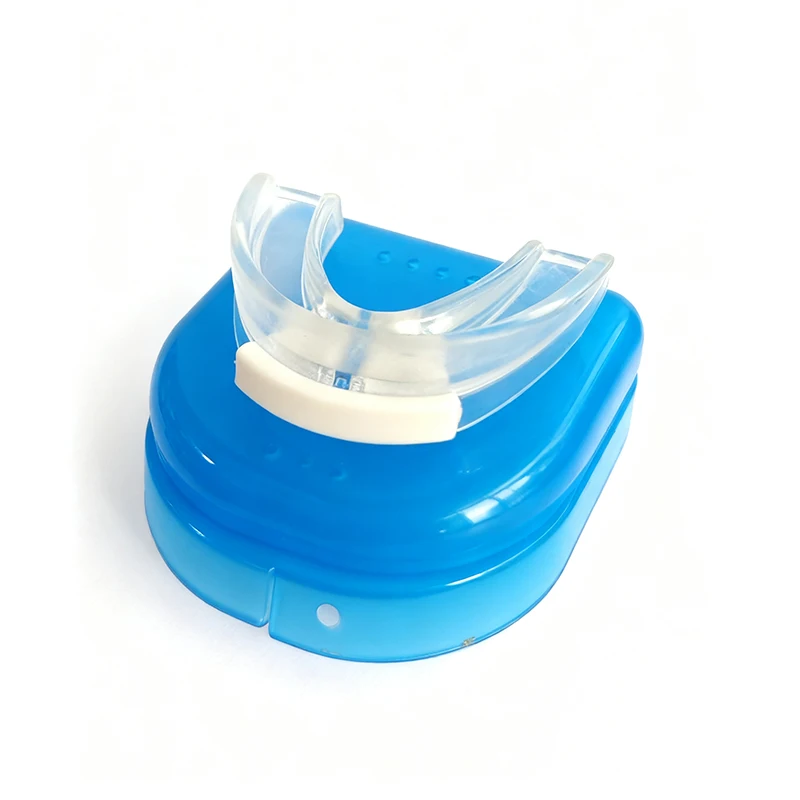
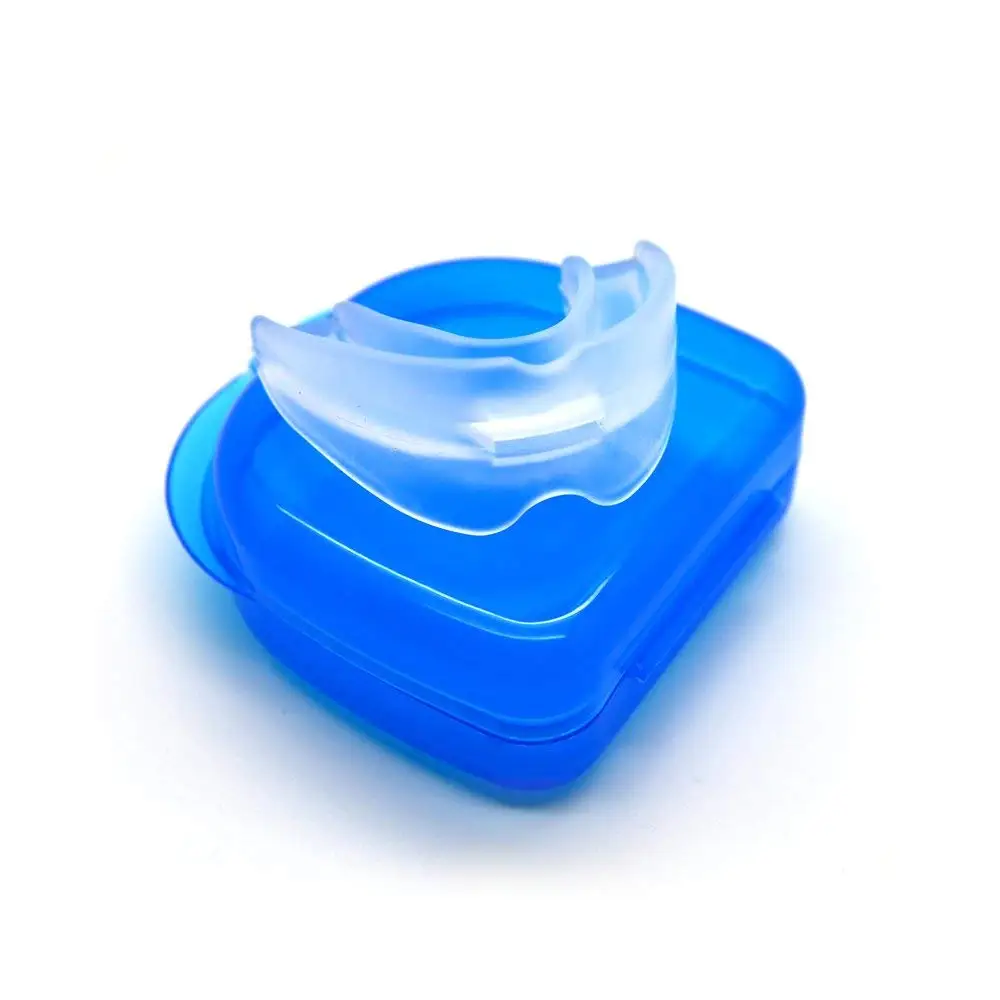
Waking with a sore jaw or noticing worn tooth edges can make a person wonder what happens during sleep. A custom dental guard is one option a dental professional may consider when grinding or clenching puts teeth under repeated pressure. Its purpose is to provide a barrier between the teeth, not to promise that the underlying grinding will stop or that every sleeper will feel the same benefit.
Fit, material information and follow-up all matter. This guide explains what to discuss with a dentist and what clinics, pharmacies and other buyers can ask a supplier before selecting a custom dental guard. It is educational information, not a diagnosis or a substitute for an individual dental assessment.
What a night guard can and cannot do
Sleep bruxism involves grinding or clenching during sleep. A person may not notice the activity; a partner may hear it, or a dentist may see signs of wear. Sensitivity, jaw discomfort and headaches can have several causes, so symptoms alone do not establish a diagnosis. A clinician can examine teeth, restorations and jaw symptoms and discuss whether further evaluation is appropriate.
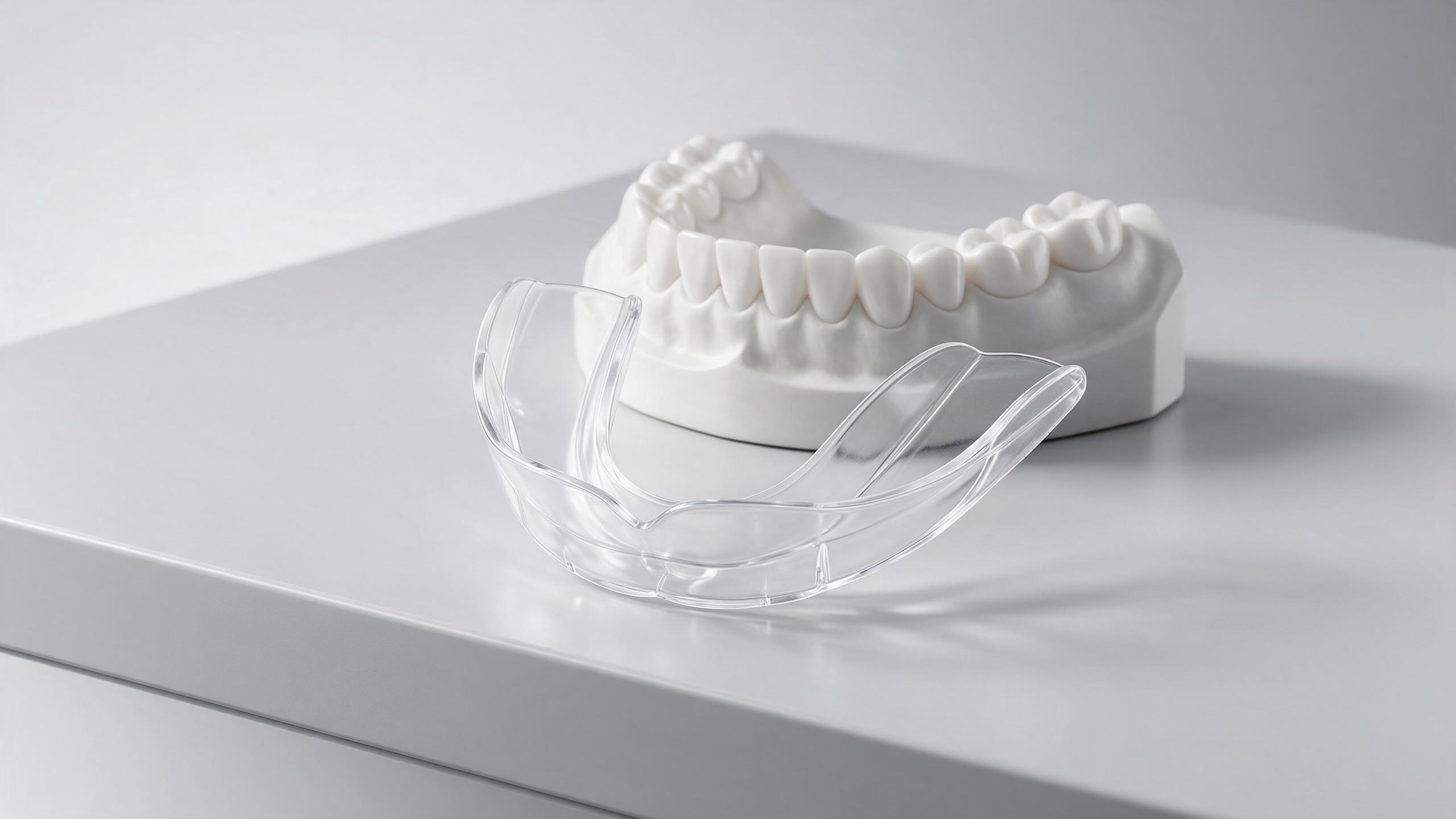
A custom dental guard for grinding places a protective surface between opposing teeth. The NHS describes night guards as appliances worn to protect teeth from damage. The distinction matters: protecting tooth surfaces is not the same as resolving every cause of grinding. Comfort and results vary, and a guard may require adjustment as the wearer and clinician assess the fit.
Night guards are also different from appliances designed for obstructive sleep apnea. Some apnea devices reposition the jaw and are selected and monitored for that specific purpose. A grinding guard should not be presented as an apnea treatment. Loud snoring, witnessed pauses in breathing or gasping during sleep warrant a conversation with a qualified health professional rather than self-selection of an appliance.
Why the fitting process matters
A custom dental guard is made using an impression or digital scan of an individual's teeth. The fit should follow the dental professional's plan for the upper or lower arch and the biting surfaces. A snug fit that can be inserted and removed as instructed is useful, but tight pressure, rocking or a changed bite deserves review rather than being accepted as normal.
At a fitting appointment, ask the clinician to check how the guard seats, whether edges irritate the gums and whether the bite feels even. Explain any crowns, bridges, implants, loose teeth or ongoing dental work; these details may affect the choice or timing of an appliance. Follow the clinician's wear instructions, and return if discomfort persists or the guard no longer fits after dental changes.
For a custom dental guard ordered through a remote process, find out who reviews the impression, what happens if it is unusable and how fit problems are handled. Remote convenience does not replace an examination when pain, tooth damage or a change in bite needs attention. Avoid trimming or heating an appliance yourself unless its care instructions and a dental professional specifically direct you to do so.
How to assess materials and construction
The phrase dental grade sounds reassuring, but it is not a complete material specification. Ask for the actual material identity, intended oral-contact use, available safety documentation and the cleaning methods supported for that material. A buyer should review the documentation against requirements in the destination market rather than assuming a label alone establishes compliance.
A custom dental guard may be described as soft, hard or layered. Those descriptions do not tell you which option suits a particular person. The clinician's assessment, grinding pattern, comfort and fit all influence selection. Ask how the surface and edges are finished, what information accompanies the appliance and how a customer should report cracks or changes in fit.
For clinics and distributors, traceable specifications are more useful than an unqualified promise of durability. Request written details for the proposed design and ask which tests, declarations or material records are actually available. Do not infer certifications or properties from a product name. If a supplier offers alternatives, compare the documentation and intended use for each one.
Care and follow-up for everyday comfort
A custom dental guard spends hours in the mouth, so cleaning and storage instructions deserve attention. Follow the appliance maker's and dentist's directions first. The American Dental Association advises cleaning mouthguards with cool, soapy water and rinsing thoroughly, while avoiding hot water and direct sun. Material-specific instructions may differ; check which cleaning products and methods are suitable before using them.
After cleaning, allow the guard to dry as directed and store it in a clean, ventilated case. Keep the case clean too. Inspect the appliance for cracks, rough edges, distortion or a loose fit. Bring it to dental visits so the clinician can check its condition and discuss whether adjustment or replacement is needed; there is no single replacement schedule that fits every wearer.
If a custom dental guard causes pain, gum injury or a persistent change in the way teeth meet, stop using it and contact the dental professional who supplied or assessed it. Seek care promptly for significant swelling or severe pain. A comfortable fit is an ongoing check, especially after restorations or other dental work.
Questions for clinic and wholesale buyers
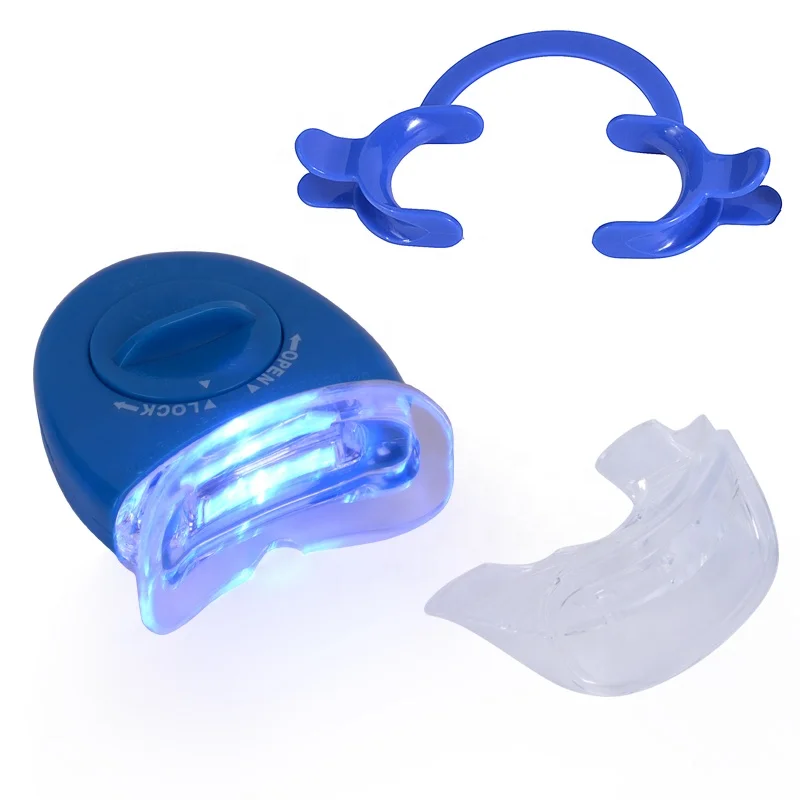
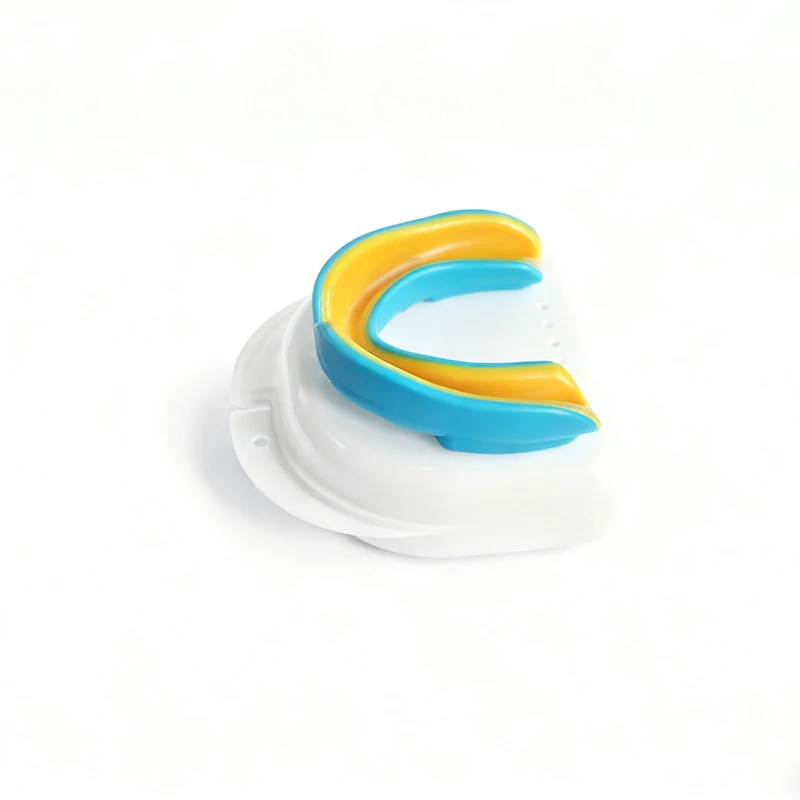
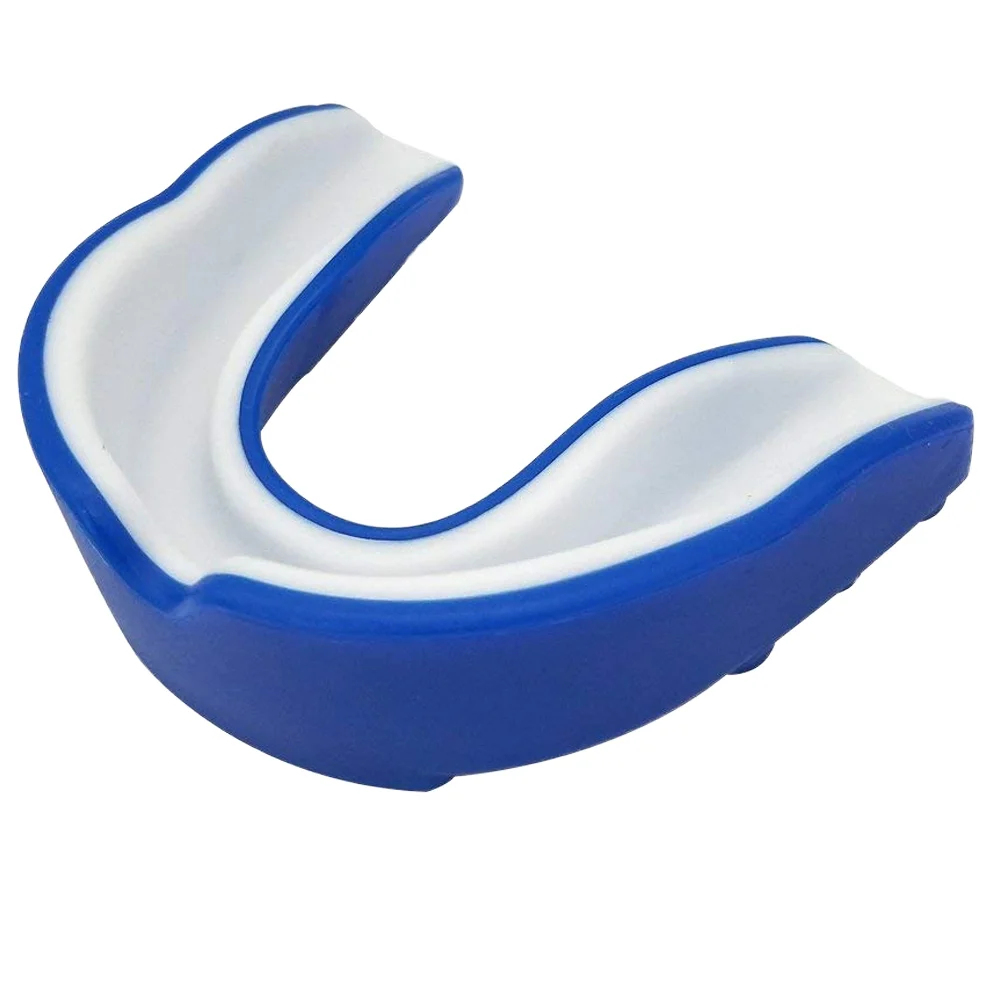
For a clinic, pharmacy or online seller, a custom dental guard is more than a line on a purchase order. The channel needs accurate instructions, a clear account of who takes or reviews impressions, and a way to handle fit complaints. Ask the supplier to identify the intended user and clinical responsibilities rather than presenting a night guard as interchangeable with a sports mouthguard or whitening tray.
When discussing OEM/ODM arrangements, request a written scope for design ownership, material specifications, packaging, labeling, sample approval and change control. Confirm the applicable regulatory obligations for the specific market and the party responsible for reviewing them. Ask how orders are identified, how feedback is handled and what evidence supports any claim that will appear on the packaging or website.
- What records identify the proposed materials and their intended use?
- Who reviews impressions or scans and resolves an inaccurate fit?
- Which care instructions and warnings accompany each appliance?
- How are design changes, returns and quality concerns documented?
- What market-specific documentation is available for independent review?
Making an informed next step
A custom dental guard can be part of a plan to protect teeth from the effects of nighttime grinding when a dental professional considers it appropriate. Start with the person's symptoms and dental condition, then compare fit, material information and follow-up support. For buyers, ask for the same details in writing before discussing a specific supply arrangement. These questions make it easier to distinguish a documented appliance from an appealing but unsupported claim.
 Hot News