 EN



High-Quality Custom Made Mouthguard For Sleeping For Bruxism Relief And Sleep Comfort
A carefully fitted sleep mouthguard is often considered when nighttime clenching or grinding leaves teeth, jaw muscles, or a partner’s sleep routine under strain. The useful question is not simply whether a guard looks substantial. It is whether the fit, material information, thickness, and care plan suit the wearer’s actual mouth and overnight habits. Any sleep appliance should be discussed with a dental professional when symptoms are new, painful, or changing.
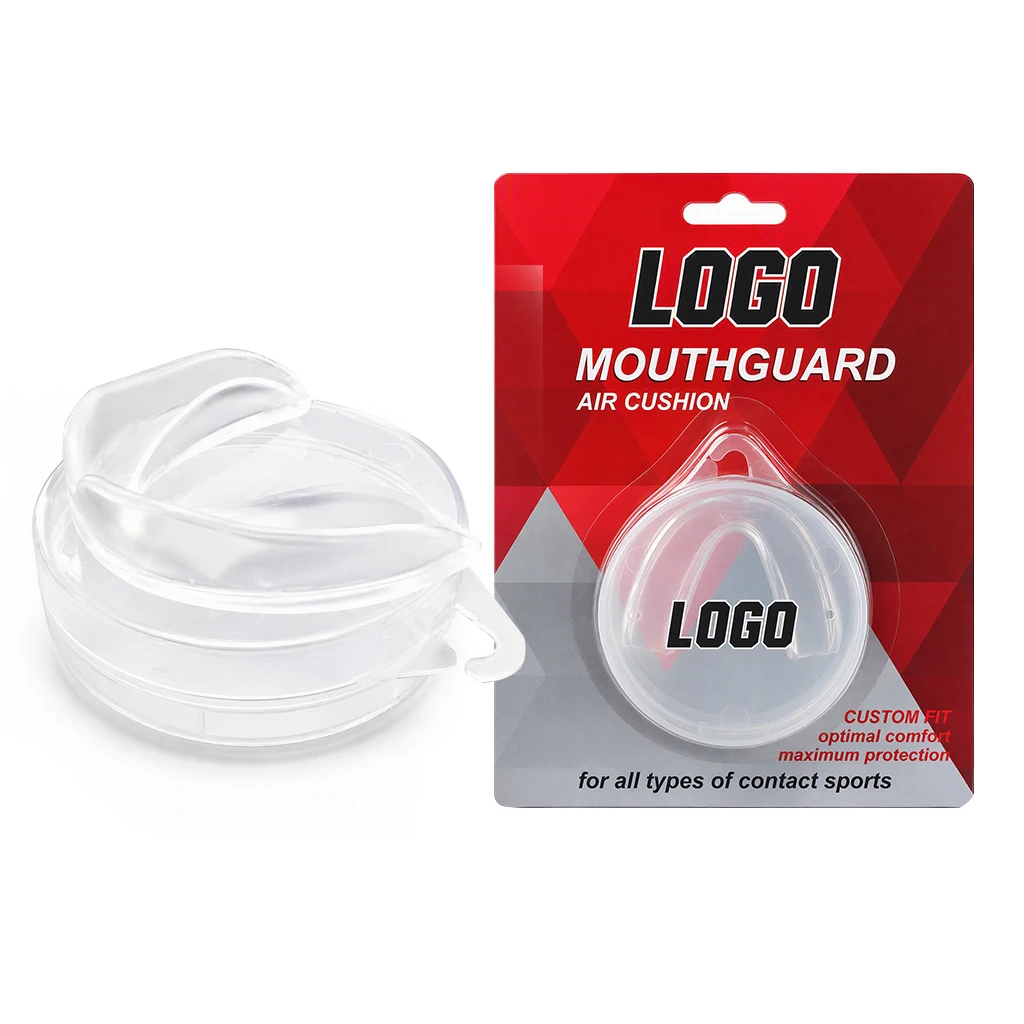
For first-time users, the terminology can be confusing. A sports guard is designed around impact protection, while a sleep-oriented guard is selected for a different wearing pattern. The American Dental Association notes that a dentist may recommend a night guard to protect teeth during sleep; its consumer guidance also describes a guard made from a dental mold as the closest, most comfortable fit. That does not mean one design works for everyone. It means fit deserves more attention than a generic “one size” description.
What a custom made mouthguard for sleeping is intended to do
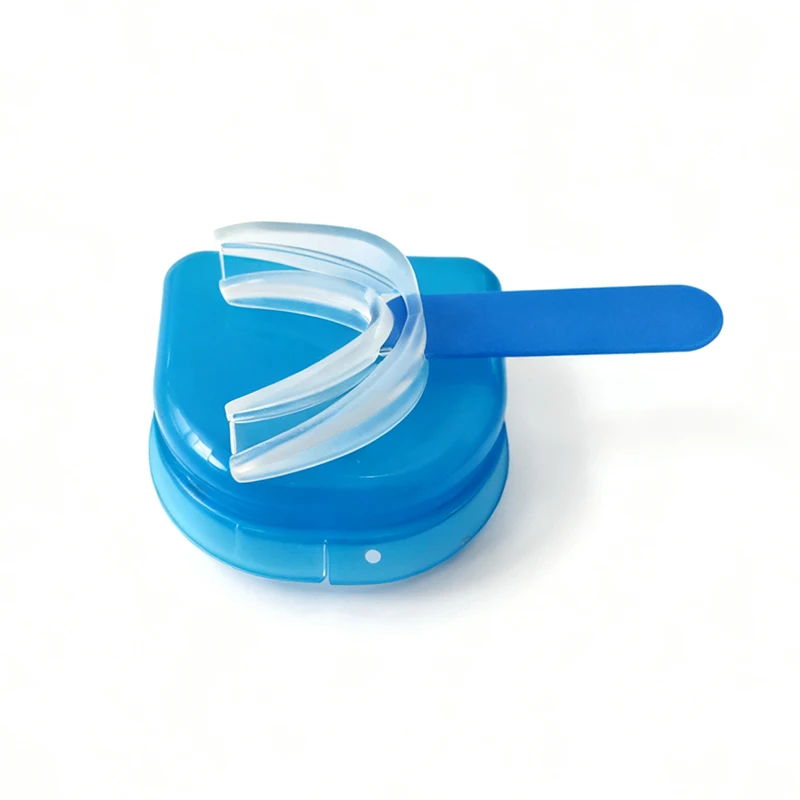
A custom sleep guard is an oral appliance shaped around an individual dental impression or digital scan. Its core role is to create a protective barrier between upper and lower teeth when a person clenches or grinds. It is not a cure for bruxism, a substitute for a dental evaluation, or a promise of better sleep on its own. Instead, it can be one practical part of a care plan directed by a qualified professional.
This distinction matters when comparing products. A bulky sports-style guard may feel secure in the hand but can be awkward to wear overnight. Conversely, a slim custom guard needs enough stability to stay seated without creating pressure spots. The right balance depends on the bite, the location of tooth wear, jaw symptoms, and the clinician’s recommendation.
Why fit is the starting point for sleep comfort
Overnight comfort is built on details a photo cannot show. A properly planned guard should cover the intended teeth consistently, feel smooth at the edges, and remain stable when the wearer relaxes the jaw. Cleveland Clinic explains that custom-made guards are created to fit a person’s exact dental anatomy and tend to be more comfortable than store-bought options. That is a useful expectation, not a guarantee: the wearer still needs to report rubbing, looseness, gagging, or a bite that feels different after removal.
- Retention: The guard should not fall out or shift easily during normal mouth movement.
- Edge finish: Smooth, carefully finished borders help reduce irritation to cheeks, gums, and tongue.
- Occlusal design: The contact surface should be planned for the individual bite rather than chosen only by a generic thickness label.
- Follow-up: A dental review is important if there is ongoing pain, damage, or a change in how the teeth meet.
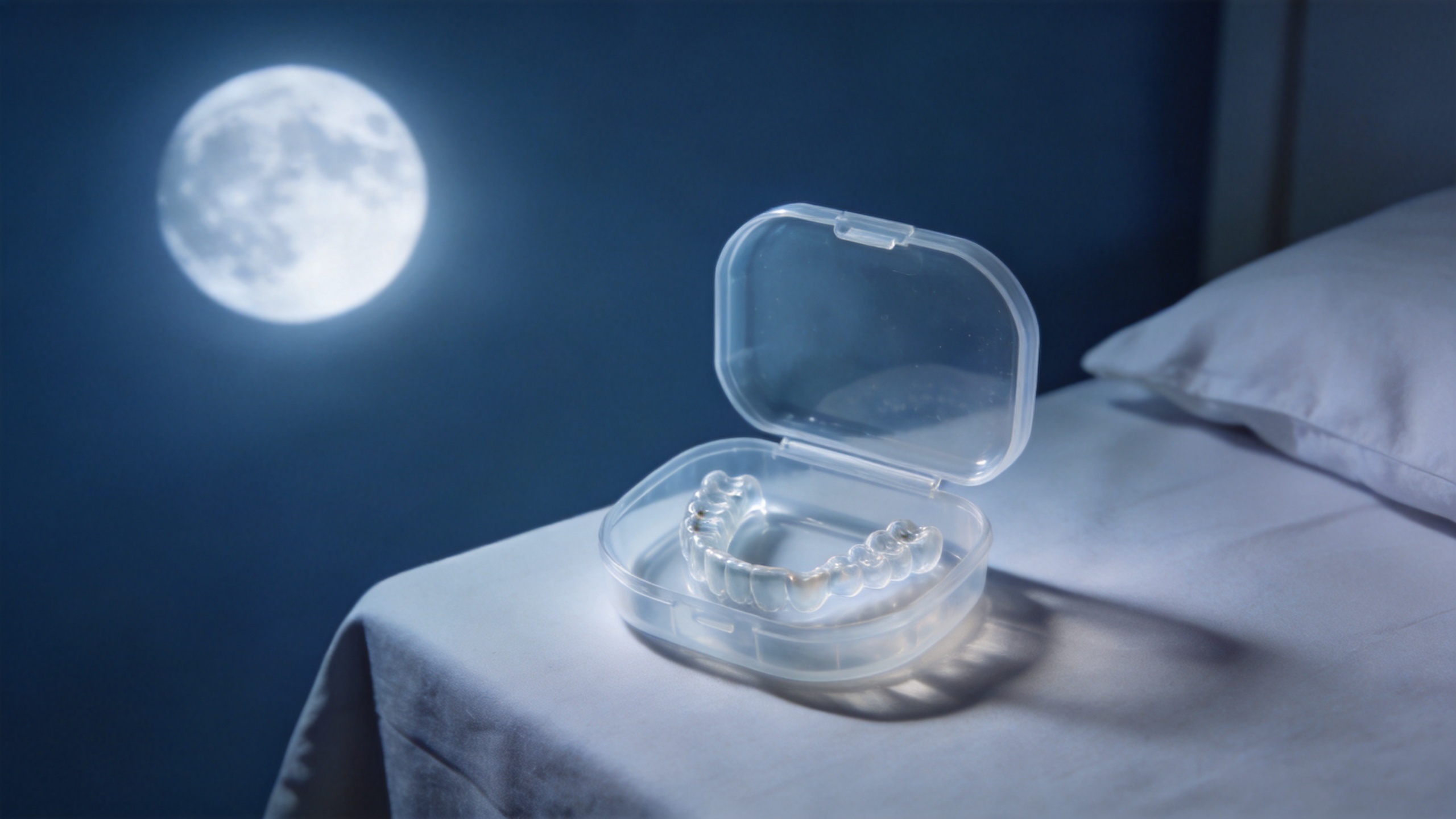
These checks make a custom appliance more than a molded plastic item. They turn it into a device whose fit can be assessed, adjusted, and cared for over time.
How to evaluate dental grade material information
The phrase dental grade can be helpful only when it is backed by usable documentation. It should not be treated as a standalone quality promise. When buying through a clinic, retailer, or factory, ask what the term refers to: the specific material, the intended oral-contact use, the manufacturing controls, or test records available for the finished design.
For a custom sleep guard, request clear answers about material identity, intended use, cleaning instructions, odor or taste concerns, and whether the guard is designed for a particular arch. FDA material-safety information describes a risk-based approach that considers material components, manufacturing processes, anatomical location, and duration of contact. In practical sourcing terms, that means asking for documentation that matches the actual product and use case rather than accepting a broad marketing phrase.
| Question to ask | Why it matters |
|---|---|
| What is the material and intended oral-contact use? | It clarifies what the dental grade description is meant to cover. |
| Can you provide current specifications or test documentation? | It supports a more informed comparison of suppliers and production runs. |
| How should the guard be cleaned and stored? | Care guidance helps preserve hygiene and shape between uses. |
| Who reviews the final fit? | A custom made mouthguard for sleeping benefits from a clear adjustment and follow-up path. |
Factory price: compare the full specification, not the lowest quote
Factory price is a reasonable purchasing concern, especially for clinics, pharmacies, wholesalers, and online sellers. Yet a factory price is meaningful only when quotes describe the same thing. A low number may omit impression workflow, trimming, packaging, material traceability, remake handling, or quality checks. When comparing a custom guard, place the specification beside the price before deciding which option is genuinely economical.
- Define the guard type, arch, thickness range, and intended user group.
- Ask whether the quoted factory price includes molding, finishing, packaging, and revision terms.
- Confirm what evidence supports the dental grade material description for that specific product.
- Review minimum order quantity, sample policy, lead time, and communication route for fit-related questions.
- Keep claims proportionate: do not describe the guard as a treatment for a medical condition unless that claim is properly supported and authorized.
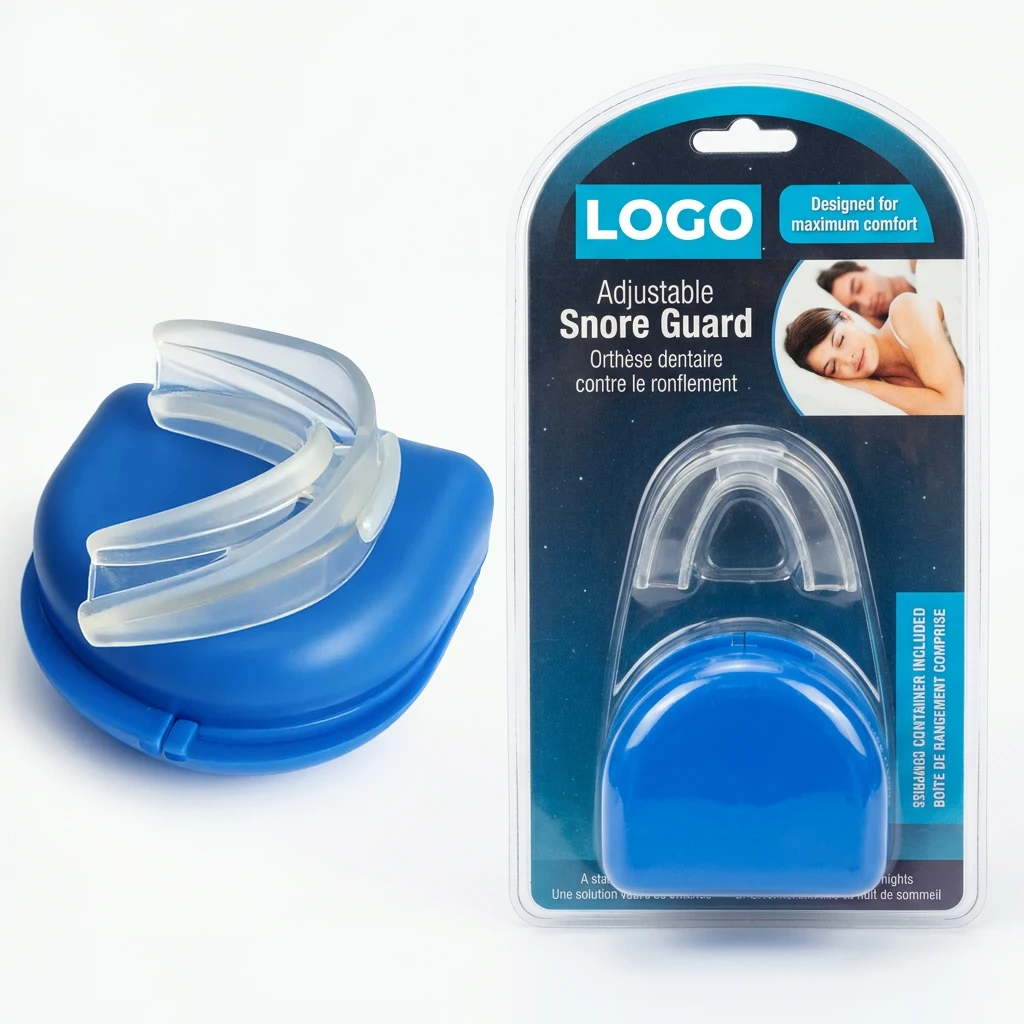
This approach is particularly helpful for channel buyers. Xiamen Yizhou Imp. & Exp. Co., Ltd. serves audiences that include wholesalers, e-commerce platforms, clinics, and pharmacies, so a clear specification sheet can be more useful than a slogan. The company’s published business scope includes snoring mouthguard products, sports mouthguards, and dental whitening trays; for a sleep-related guard, buyers should still verify the exact product configuration and documentation before listing or recommending it.
Comfort habits that support a better overnight experience
Even a carefully fitted custom guard needs a sensible routine. Rinse it as directed, allow it to dry in its case, avoid hot water unless the provider specifically says otherwise, and bring it to checkups if you notice warping, cracks, sharp edges, persistent odor, or a changed fit. Do not try to reshape a custom guard with household heat; this can alter the fit and may create a new problem.
If a wearer has jaw locking, significant pain, broken teeth, headaches that are worsening, or a dramatic change in bite, self-adjustment is not the answer. A dentist can help determine whether a sleep guard is appropriate and whether another assessment is needed. The goal is safe, comfortable protection—not an unsupported promise of instant relief.
A practical checklist before you choose
- Confirm whether the design is specifically for overnight clenching or grinding, not only for sports impact.
- Ask how the custom sleep guard will be fitted and who can review the fit.
- Request a plain-language explanation of the dental grade material claim and associated documentation.
- Compare factory price against the complete scope, including finishing, packaging, and remake terms.
- Plan a cleaning and replacement review routine.
A high-quality custom sleep guard is most responsibly chosen as a fit-and-information decision. By prioritizing individual fit, realistic material records, transparent factory price comparisons, and professional guidance where needed, buyers and wearers can make a more comfortable, better-supported choice for nighttime use.


 Hot News
