 EN



High-Quality Night Mouth Guard Custom for Bruxism Relief and Sleep Comfort
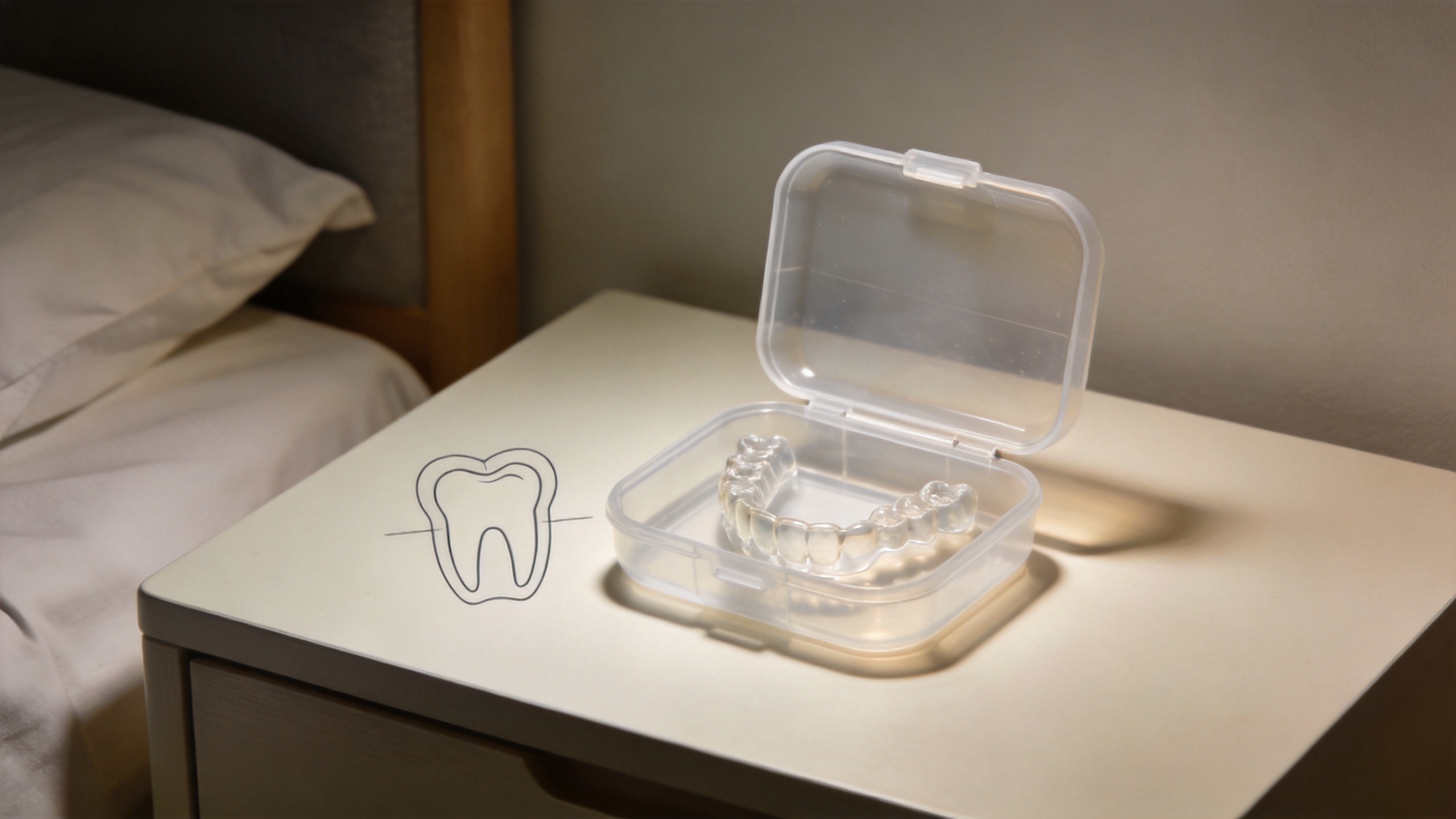
A night mouth guard custom program should begin with the reason the guard will be worn, not a generic claim about comfort. For distributors, e-commerce teams, clinics, and pharmacies, the practical question is whether the design, material information, fitting workflow, and customer instructions match a nighttime grinding or clenching use case. That is a more useful starting point than treating every night guard as interchangeable.
Bruxism is commonly used to describe grinding, clenching, or gnashing of the teeth, including during sleep. A guard can be part of a tooth-protection conversation, but it does not diagnose the cause of symptoms or replace an individual dental assessment. This distinction helps a night mouth guard custom listing stay accurate while still explaining why fit and material choices matter to buyers who want better overnight comfort.
What a custom night guard is designed to address
A well-scoped night mouth guard custom offering is usually intended to create a protective barrier between upper and lower teeth during nighttime use. Buyers often ask for a guard because customers report grinding, clenching, tooth wear concerns, or morning jaw fatigue. Those concerns deserve careful wording: the product may help protect teeth from the contact associated with grinding, while persistent pain, headaches, damaged teeth, or bite changes call for professional advice.
The word “custom” should also be specific. It may refer to an impression-based workflow, digital scan workflow, trim-line option, thickness selection, or packaging and branding choice. Before making a comfort claim, a supplier should clarify which of those elements is actually included. A night mouth guard custom product is only as clear as the information supplied with it.
Why fit affects sleep comfort
Fit is not a decorative detail. A guard that feels bulky, loose, sharp at an edge, or difficult to retain can be harder to tolerate at night. Custom-fit workflows aim to reflect the wearer’s dentition more closely than a one-size product, but suitability still depends on the person, the impression or scan quality, the material, and the intended use. That is why responsible night mouth guard custom communications avoid promising the same experience for every wearer.
For a buyer, it is useful to review the whole fit journey: how the impression is captured, how it is reviewed, what happens when an impression is incomplete, and what wearing or cleaning instructions will reach the end user. A clear workflow can reduce preventable questions after purchase. If a customer reports discomfort, poor retention, tooth movement, or a damaged appliance, a clinician should be involved rather than relying on a general product page alone.
Choosing material and construction without overpromising
Material discussions are often where a night mouth guard custom page becomes either helpful or vague. Some users and dental professionals may discuss harder, softer, or layered guard constructions according to the use case. No single construction is automatically right for everyone. The appropriate choice can depend on grinding intensity, dentition, restorative work, comfort preferences, professional guidance, and the manufacturer’s confirmed specifications.
Instead of saying that one option “stops bruxism,” explain what can be verified: the stated material, available thicknesses, fabrication method, intended nighttime application, cleaning guidance, and any documentation supplied for the target market. This approach makes a night mouth guard custom selection easier to compare without turning a sourcing article into medical advice.
How to evaluate factory price fairly
Factory price is meaningful only when the compared offers contain the same work. A low initial quote may omit impression handling, design confirmation, individual packaging, labeling, remake criteria, customer-service support, or documentation. For a night mouth guard custom project, ask for a written scope before comparing quotations.
- What fitting input is required, and what review process is used?
- Which material and thickness options are confirmed for the requested guard?
- Are trim, finishing, cleaning instructions, and individual packaging included?
- What are the minimum order quantity, sample process, lead-time assumptions, and remake policy?
- Which market-specific labeling or product documents can be provided for verification?
This is the shift from a headline unit price to total operational work. For wholesale teams, the most useful factory price comparison is one where the specification, service scope, and required documents are aligned before a purchase decision is made.
A buyer checklist for a night guard range
When building a night guard range, separate consumer language from the technical questions your team needs answered. Consumer content can describe the role of a protective appliance during sleep in measured language. Procurement content should identify the actual configuration requested and the information that remains to be confirmed.
- Define the channel: clinic, pharmacy, online retail, or distributor program.
- Confirm whether the night mouth guard custom workflow uses impressions, scans, or another approved input.
- Request the current material, thickness, finishing, and care-information specifications.
- Check packaging, private-label needs, order quantities, and the exact basis of the quoted price.
- Set an escalation path for fit complaints or health-related questions that need professional review.
This checklist also improves listing accuracy. It prevents a night guard from being described with unverified clinical, regulatory, or performance claims just because a similar product appears elsewhere in the market.
Set realistic expectations for bruxism-related concerns
Sleep comfort involves more than the appliance itself. Stress, sleep patterns, bite factors, medications, and other health considerations may be relevant for an individual. A night mouth guard custom article should therefore encourage customers with ongoing symptoms to consult a dental professional. The product’s role can be described as protective support within an appropriate care plan, rather than as a cure claim.
For sellers, this conditional language builds trust. It acknowledges what a custom guard is meant to do while being candid about the limits of product information. It also gives customer-service teams a clearer line between normal product-use questions and concerns that require clinical input.
Questions to confirm before you source
Before selecting a supplier, ask for the exact night mouth guard custom configuration, current specification documents, sample expectations, packaging details, order quantity, and a transparent price basis. Ask which claims are supported by supplied records and which points must remain conditional. A careful supplier conversation is especially important when an offer uses terms such as comfort, durable, professional, or custom.
High-quality sourcing is not just about a polished product photo. It is about making sure the guard, the fitting process, the buyer instructions, and the commercial scope tell the same story. With those details confirmed, a night mouth guard custom range can be presented more responsibly to customers who are looking for tooth-protection options for nighttime grinding or clenching.


 Hot News
