 EN



High-Quality Professional Mouth Guard For Bruxism Relief And Sleep Comfort
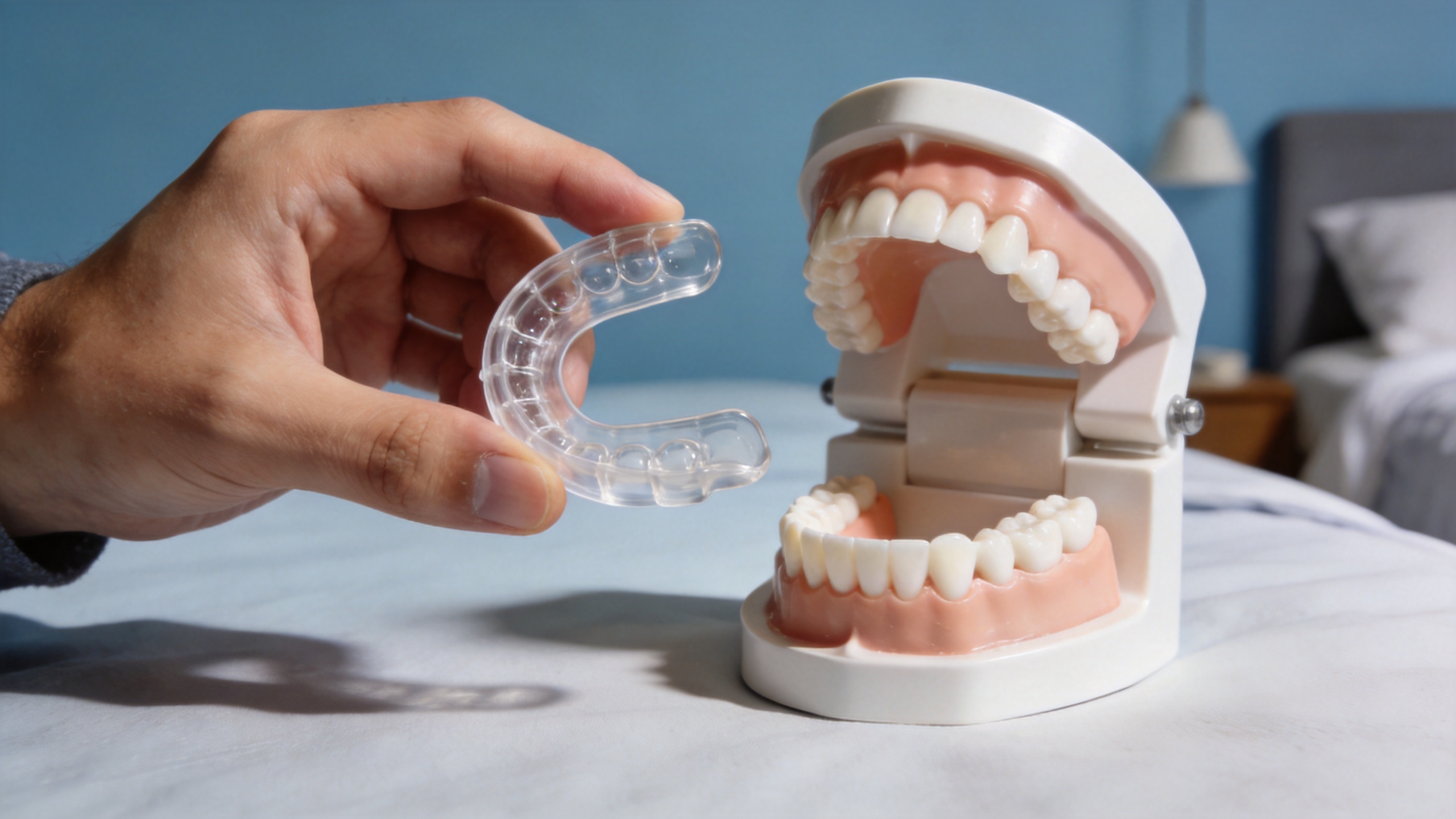
When nighttime clenching or grinding becomes part of a routine, the useful question is not simply whether to buy a guard. It is whether the guard’s intended use, fit process, material information, and comfort expectations match the wearer’s situation. A professional mouth guard is commonly discussed as a barrier between upper and lower teeth during sleep, but it is not a substitute for a dental assessment of jaw pain, damaged teeth, sleep concerns, or other symptoms.
For dental-channel readers, the distinction matters. A well-explained professional mouth guard can help a customer or buyer understand the role of a night guard without turning general product information into a promise about an individual result. The most practical approach is to start with the use case, then verify the documentation that supports the product claim.
Start With the Purpose of a Professional Mouth Guard
Bruxism describes repeated clenching or grinding of the teeth. During sleep, a guard may place a physical layer between opposing teeth. That basic function is different from diagnosing why the behavior occurs or deciding whether a particular jaw position is appropriate. If someone has persistent pain, loose dental work, severe wear, breathing concerns, or a change in bite, a dental professional should assess the situation rather than relying on a generic selection guide.
A professional mouth guard may be considered for nighttime use when the goal is to reduce direct tooth-to-tooth contact. Comfort still depends on more than soft versus hard material. Thickness, edge finish, retention, coverage, the wearer’s bite, and the accuracy of the fitting process can all influence whether a guard feels manageable through the night.
What “Dental Grade” Should Mean in a Product Conversation
The phrase dental grade is often used in product listings, yet it should trigger specific questions rather than end the discussion. Ask for the material identification, intended use, cleaning guidance, manufacturing information, and any available test or compliance documentation relevant to the target market. A label alone does not explain how a professional mouth guard fits, how long it should be used, or whether it suits a particular customer.
It is also helpful to separate confirmed information from items that need verification. For example, a supplier may provide a material specification and packaging details, while clinical suitability remains an individual question for a dentist. This distinction keeps product education precise and gives buyers a clearer path for comparing options.
Fit and Comfort: Why the Details Matter
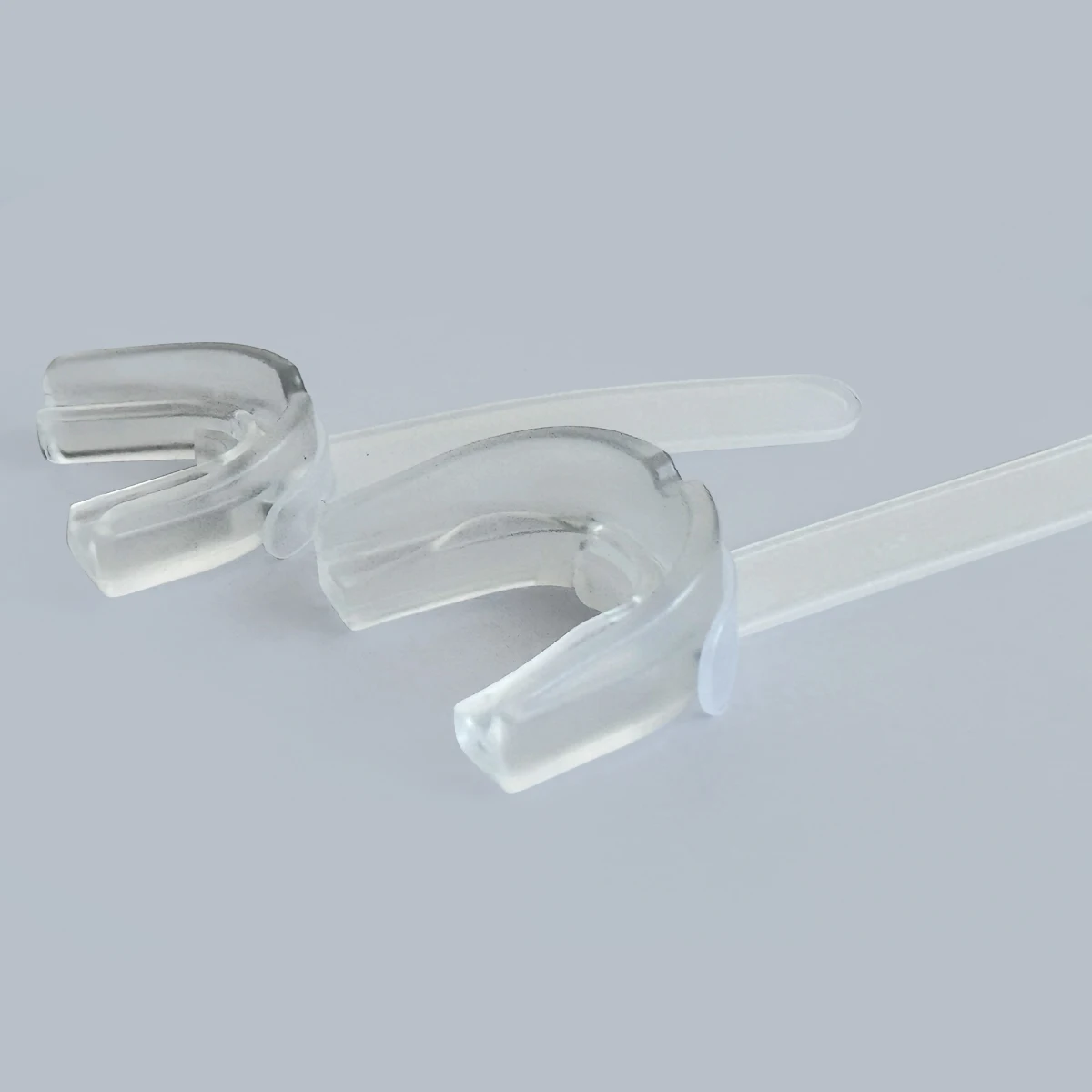
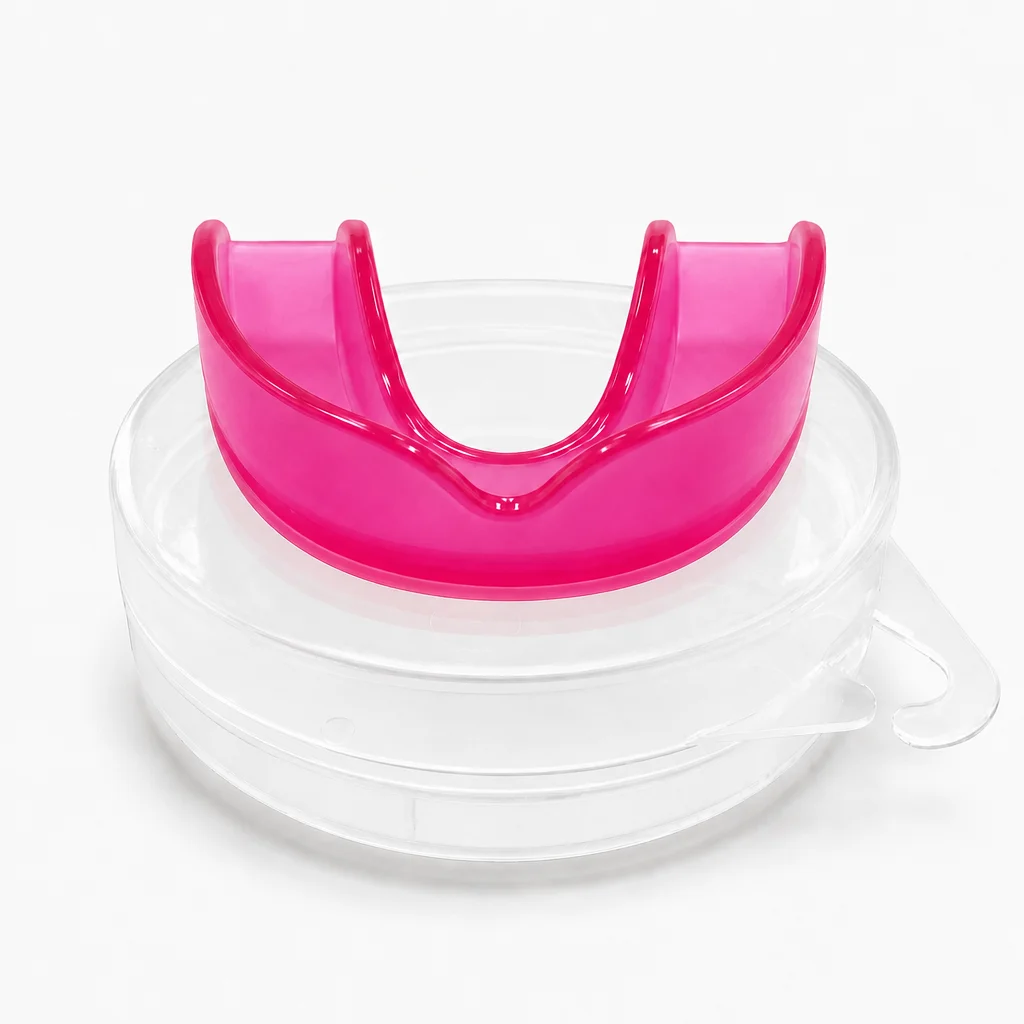
At first glance, night guards can look similar. A more useful comparison begins with the intended wearer and the expected fitting method. A professional mouth guard should sit securely enough to remain in place without creating obvious pressure points. Rough edges, excessive bulk, or a shape that interferes with normal closure can make consistent nighttime use difficult.
Comfort is not a universal claim. Someone with occasional clenching may have different needs from someone reporting heavy wear or jaw discomfort. Instead of promising that a specific design will solve sleep problems, use a conditional checklist:
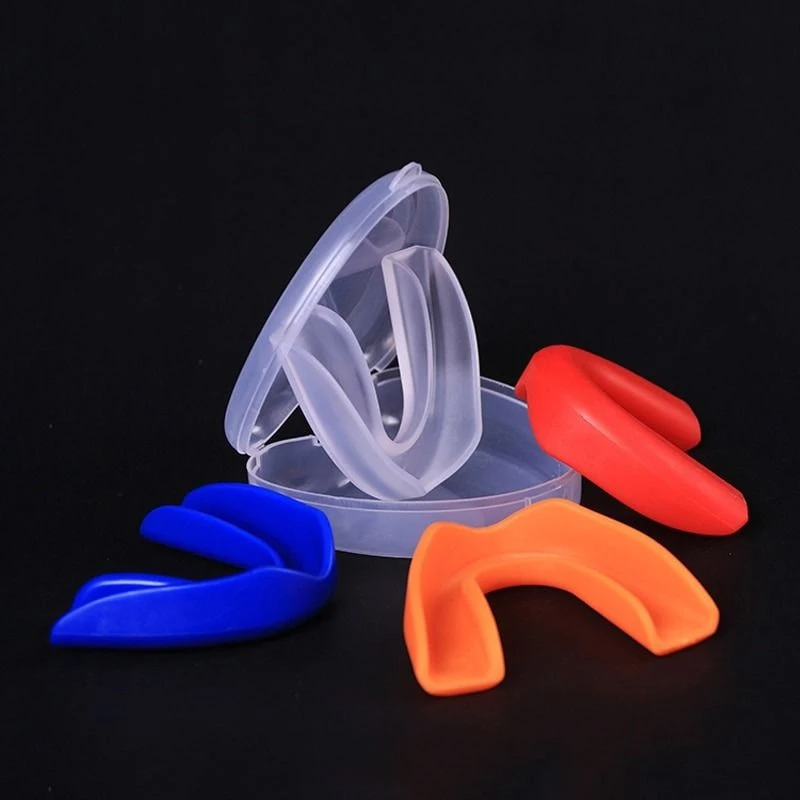
- Confirm whether the product is intended for nighttime grinding rather than sports impact protection or cosmetic dental use.
- Review which arch the guard is designed for and how the fit is obtained or adjusted.
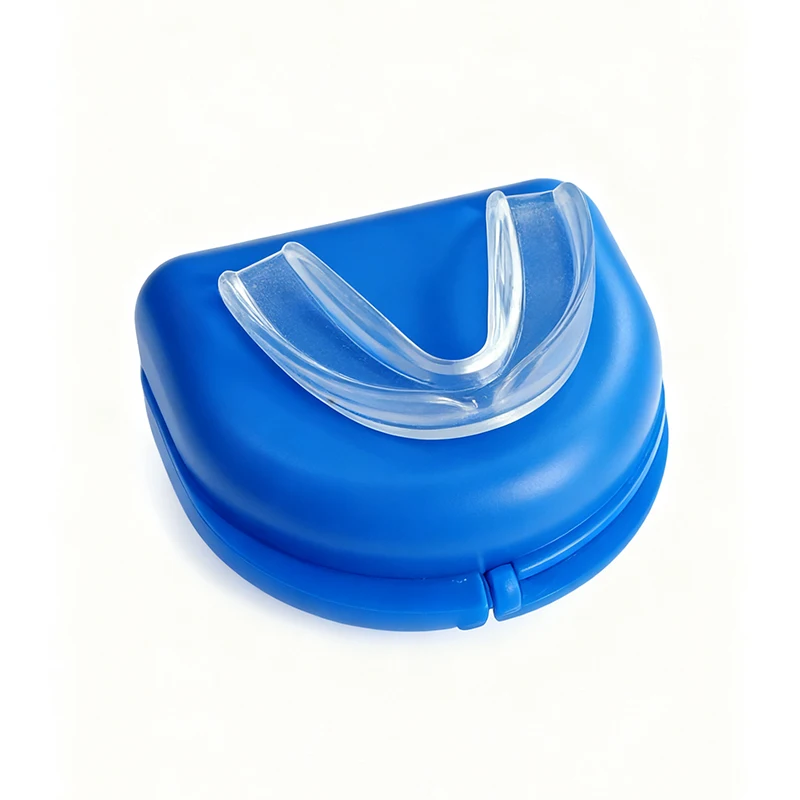
- Check the stated material, cleaning instructions, storage case, and replacement guidance.
- Ask whether pain, tooth damage, altered bite, or sleep-related symptoms call for professional evaluation before use.
That checklist is especially useful because it shifts the discussion from broad comfort claims to questions a buyer can actually verify.
A Wholesale Checklist for Professional Mouth Guard Buyers
For wholesale programs, the decision extends beyond the item itself. Pharmacies, clinics, e-commerce sellers, and distributors often need product information that can be communicated accurately to different audiences. A wholesale professional mouth guard program should therefore be reviewed for documentation quality as well as order terms.
| Verification area | Questions to ask | Why it matters |
|---|---|---|
| Product purpose | Is the item intended for sleep-time grinding, sport protection, or another use? | Prevents mixed messaging across listings and channels. |
| Material information | What material is identified, and what supporting documents are available? | Supports responsible dental grade product communication. |
| Fitting pathway | How is fit achieved, and what instructions accompany the product? | Helps sellers set realistic comfort expectations. |
| Packaging and traceability | What labeling, batch, storage, and care information is supplied? | Improves inventory and customer-service preparation. |
| Channel suitability | Which claims and product facts have been reviewed for the target market? | Helps avoid unsupported health-oriented language. |
For a wholesale buyer, a lower unit price is only one part of the picture. Missing care instructions or unclear product-purpose statements can create more work after the goods arrive. A complete information pack can be more valuable than an eye-catching description that cannot be substantiated.
Use Language That Respects Health Boundaries
A professional mouth guard can be described as a product intended to separate teeth during clenching or grinding, subject to proper use and individual assessment. It should not be positioned as a diagnosis, a treatment for bruxism, or a universal answer to disrupted sleep. These distinctions are not merely cautious wording; they help customers recognize when general product information has reached its limit.
Nighttime grinding can have several contributing factors. A dentist can evaluate signs of wear, discuss the appropriate type of appliance, and advise when a guard is not the only concern. Buyers and sellers can support that process by keeping instructions clear and by avoiding claims that go beyond the product evidence provided.
Questions to Resolve Before Choosing
- What is the primary use: nighttime clenching or grinding, sports protection, or another dental-related purpose?
- What evidence supports the stated dental grade material and intended-use information?
- How will fit, wear, cleaning, storage, and replacement be explained to the end user?
- What route is available for professional advice if the wearer has pain, damaged teeth, bite changes, or sleep concerns?
- For wholesale supply, which product documents, packaging details, and market-specific claims have been verified?
Conclusion
A high-quality professional mouth guard discussion should be built on fit, use-case clarity, and documentation—not on sweeping promises. Whether the reader is choosing for personal nighttime use or reviewing a wholesale range, ask for verifiable dental grade information, explain comfort as individual, and encourage professional input when symptoms or uncertainty are present. That approach supports clearer purchasing decisions and more responsible product communication.
 Hot News
