 EN



Custom-Fit Dental Mouthpiece To Stop Grinding Teeth For Sleeping And Night Protection
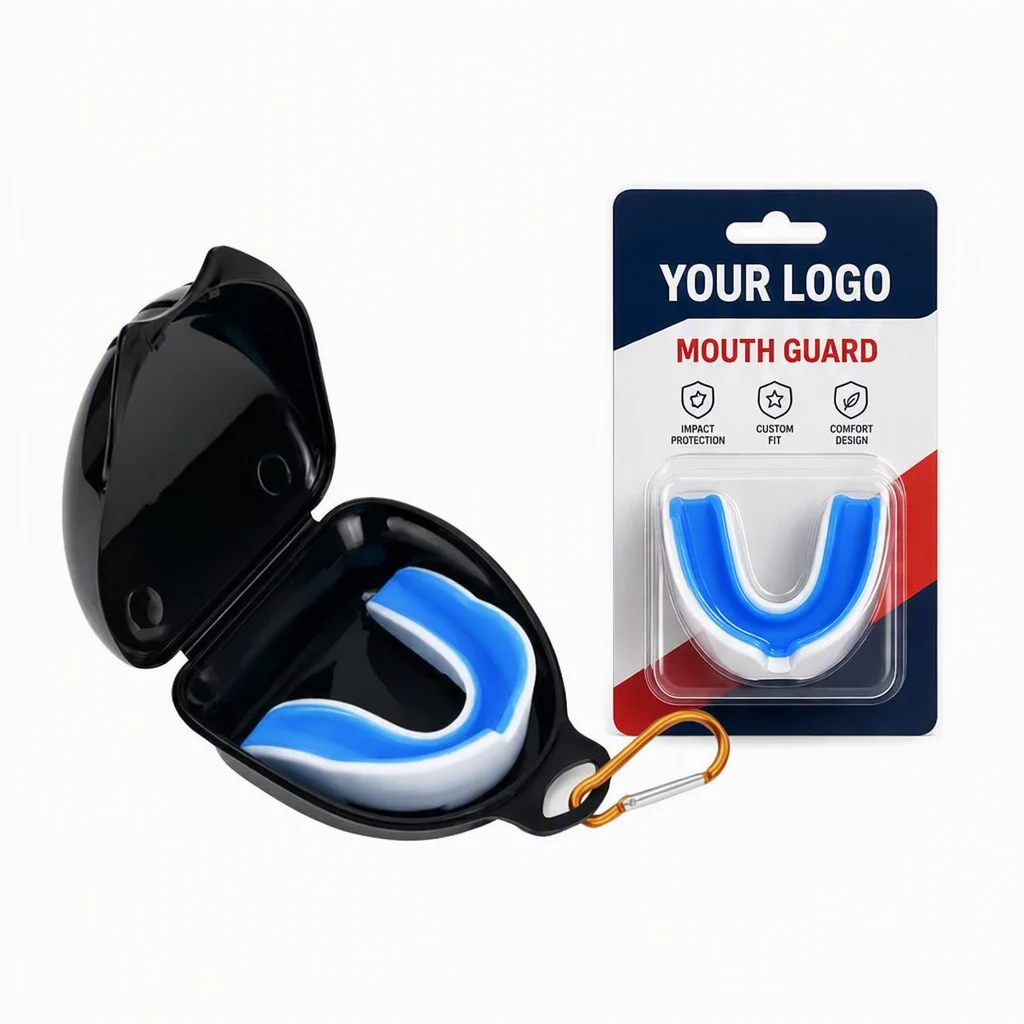
If you wake with a tired jaw, tooth sensitivity, or a partner notices grinding sounds, a mouthpiece to stop grinding teeth may be worth discussing with a dentist. The phrase sounds simple, but the decision is not only about buying something to wear at night. A well-considered guard creates a barrier between upper and lower teeth; it does not diagnose the reason you clench or make every sleep symptom disappear.
For a first-time user, the useful question is: what needs protecting, and what needs checking? A custom-fit dental mouthpiece may be part of a broader bruxism plan when fit, comfort, tooth condition, and jaw symptoms have been reviewed. This guide explains what to look for without making promises a mouthpiece cannot support.
What a nighttime mouthpiece can do
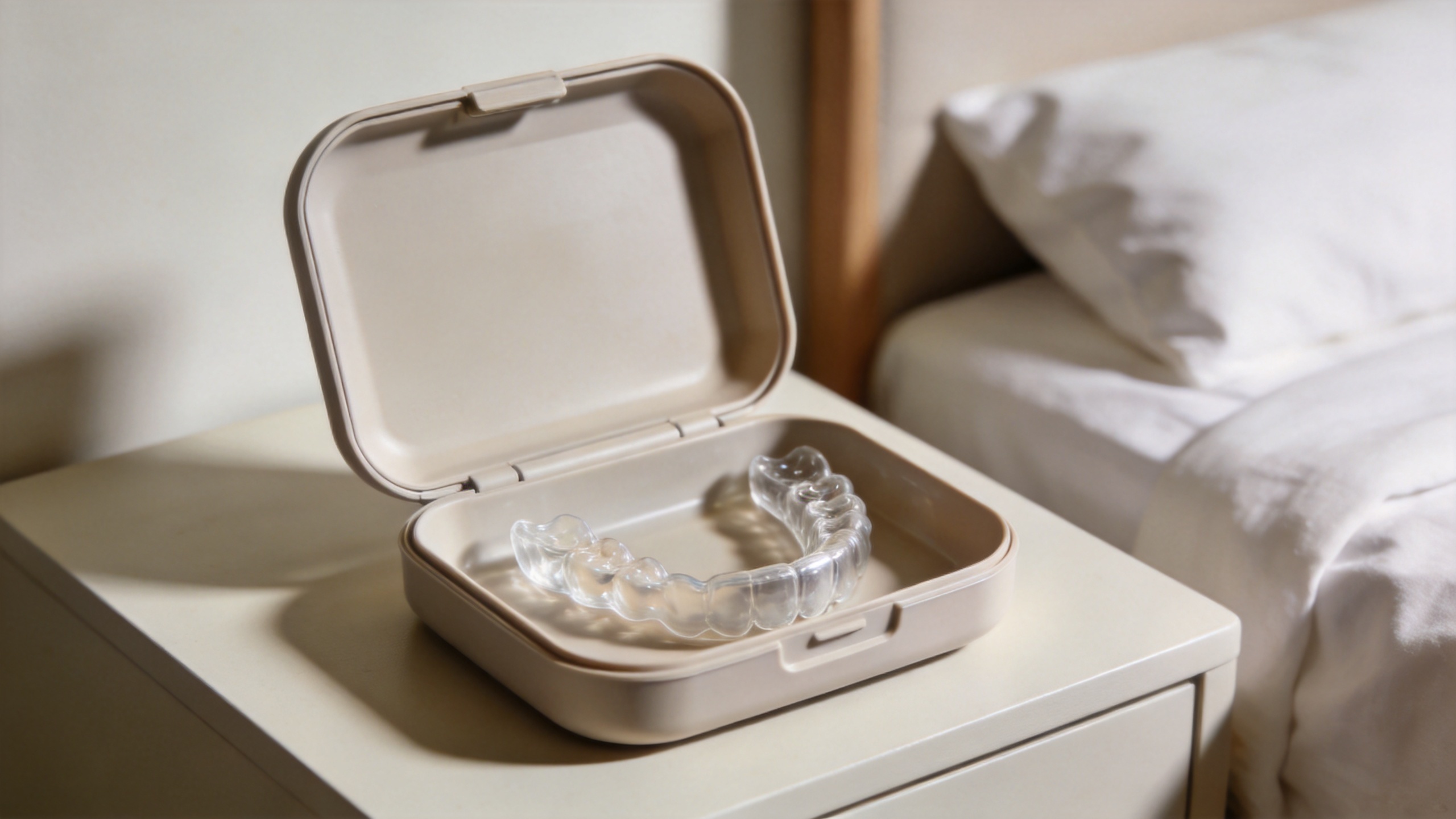
Bruxism describes grinding, clenching, or gnashing of the teeth. It can occur during sleep or while awake, and some people do not realize it is happening. A night guard is an intraoral appliance placed over the teeth. Its central job is to separate the biting surfaces so they do not rub directly against each other through the night.
That separation can help limit additional wear from grinding. It is more accurate to think of a mouthpiece to stop grinding teeth as a protective barrier than as a stand-alone answer to every cause of bruxism. Stress, daytime clenching habits, sleep disruption, bite changes, and other health factors may need separate attention.
Why custom fit changes the conversation
A generic guard may be convenient, yet a device that shifts, feels bulky, or changes how the teeth meet can be difficult to wear consistently. A custom-fit option is made to match an individual arch and is assessed for coverage and contact. That does not mean every custom device is right for every person; the design, thickness, material, and jaw situation matter.
When comparing a custom-fit option with an over-the-counter alternative, ask practical questions rather than relying on broad labels:
- Does it stay seated without constant repositioning?
- Does it allow comfortable breathing and sleeping?
- Is the coverage appropriate for the teeth that need protection?
- Has a dentist checked for worn enamel, cracks, loose restorations, gum concerns, or bite changes?
- Are there instructions for cleaning, storage, and follow-up adjustment?
“Dental grade” is often used in product descriptions, but it is not enough information by itself. Ask what material is used, how it is intended to be cleaned, what documentation is available, and whether its design has been reviewed for your needs. A clear answer is more useful than a label alone.
Bruxism relief has more than one part
A guard may support bruxism relief by reducing direct tooth-on-tooth contact, but the phrase should be used carefully. Relief can refer to less concern about ongoing wear, greater comfort while wearing an appliance, or a plan for managing contributing habits. It should not be read as a promise that a mouthpiece will resolve jaw pain, headaches, or a sleep-related condition.
A dentist may ask about morning jaw fatigue, headaches, tooth sensitivity, changes in chewing, stress, caffeine or alcohol use in the evening, and any grinding sounds observed by a sleep partner. Those details help determine whether a mouthpiece to stop grinding teeth is appropriate and whether other support should be considered.
When to schedule a dental evaluation first
Do not rely on a self-selected mouthpiece as the only response if you have persistent jaw pain, facial pain, frequent headaches, damaged teeth, broken fillings or crowns, difficulty opening your mouth, or a sudden change in how your bite feels. An examination can identify signs of wear and tenderness and can help distinguish nighttime grinding from other concerns.
It is also sensible to seek professional advice if snoring, gasping, daytime sleepiness, or other sleep concerns are present. A dental appliance selected for grinding should not be assumed to address a sleep-breathing issue. The right next step may involve dental care, medical care, sleep evaluation, or a combination.
A realistic selection checklist
- Describe the pattern. Note when symptoms occur, whether anyone hears grinding, and whether you clench during the day.
- Check the teeth and jaw. A dental assessment can document wear, restorations, tenderness, and bite concerns before choosing a device.
- Discuss the fit approach. Ask how the mouthpiece is made, how fit is verified, and what happens if it rubs or feels unstable.
- Review materials and care. For a dental grade claim, request specific material and cleaning information instead of assuming what the label means.
- Plan follow-up. Teeth, restorations, and symptoms can change. Know when to bring the guard back for review.
Using a mouthpiece safely at night
Follow the instructions provided for your particular appliance. Clean it as directed, keep it in a ventilated case when not in use, and check it regularly for damage or rough edges. If the guard becomes uncomfortable, cracks, no longer fits, or seems to alter your bite, stop improvising and ask a dental professional how to proceed.
It can also help to notice daytime habits. Resting with the lips together and teeth apart, using stress-management tools that suit you, and protecting regular sleep routines are discussion points that may complement a nighttime device. These measures are not substitutes for evaluation when symptoms are persistent.
FAQs
Can a mouthpiece stop teeth grinding?
A mouthpiece to stop grinding teeth is commonly used to keep the teeth separated and help protect them from the effects of clenching or grinding. Whether it changes the grinding behavior itself depends on the person and the factors involved. A dentist can help set appropriate expectations.
Is a custom-fit mouthpiece better for everyone?
Not automatically. Custom fit can be valuable when retention, coverage, bite considerations, or comfort need close attention. The most suitable approach depends on your oral condition, symptoms, and professional assessment.
What does dental grade mean for a night guard?
It is a marketing phrase unless it is backed by specific material, manufacturing, and care information. Ask for the details that let you assess the product for your needs rather than treating the phrase as a clinical conclusion.
The bottom line
A custom-fit dental guard may be a sensible part of nighttime protection when bruxism is suspected, especially when it is chosen after an assessment of fit and oral health. Use the term mouthpiece to stop grinding teeth with realistic expectations: the device can separate and protect teeth, while the underlying reasons for grinding may deserve their own plan. That balanced approach supports safer decisions and more useful follow-up.

 Hot News
