 EN



High-Quality Smile Whitening Kit For Home And Professional Use
Choosing a smile whitening kit is not simply a question of adding a light, a tray, and whitening gel to one box. For a clinic, pharmacy, retailer, or private-label buyer, the useful question is whether the kit has a clear use case, understandable instructions, and a specification package that can be checked before it reaches the end user. That distinction matters for home care, professional settings, and hybrid retail-and-clinic programs.
At Xiamen Yizhou Imp. & Exp. Co., Ltd., dental whitening trays are part of the disclosed product scope alongside other oral appliance categories. The company’s stated audiences include wholesalers, e-commerce platforms, clinics, and pharmacies. That makes a procurement-led framework more useful than a generic promise about “instant” whitening: first define the kit, then confirm the documents and components that support its intended route to market.
Start With the Use Case, Not the Product Name
A smile whitening kit can be configured very differently for home and professional use. At-home formats generally need concise directions, a practical application method, clear usage boundaries, and consumer-ready packaging. A clinic-facing format may instead need room for practice protocols, professional instructions, and a more detailed discussion of tray fit and treatment oversight. Neither format should be presented as a substitute for individual dental advice.
The American Dental Association describes custom-fitted trays as one at-home approach for applying whitening gel, with use directed for nighttime or daytime wear. For buyers, this makes the tray more than a plastic accessory. Its fit, gel-delivery design, cleaning instructions, and user guidance all affect how the final kit is understood. A custom kit project should therefore define which elements are customized—such as tray type, outer packaging, labeling, insert language, or bundle configuration—rather than treating “custom” as a vague sales term.
What a High-Quality Kit Specification Should Cover
Before comparing suppliers, prepare a component list and ask which items are included, optional, or supplied by the buyer. A practical specification review for a smile whitening kit includes the following:
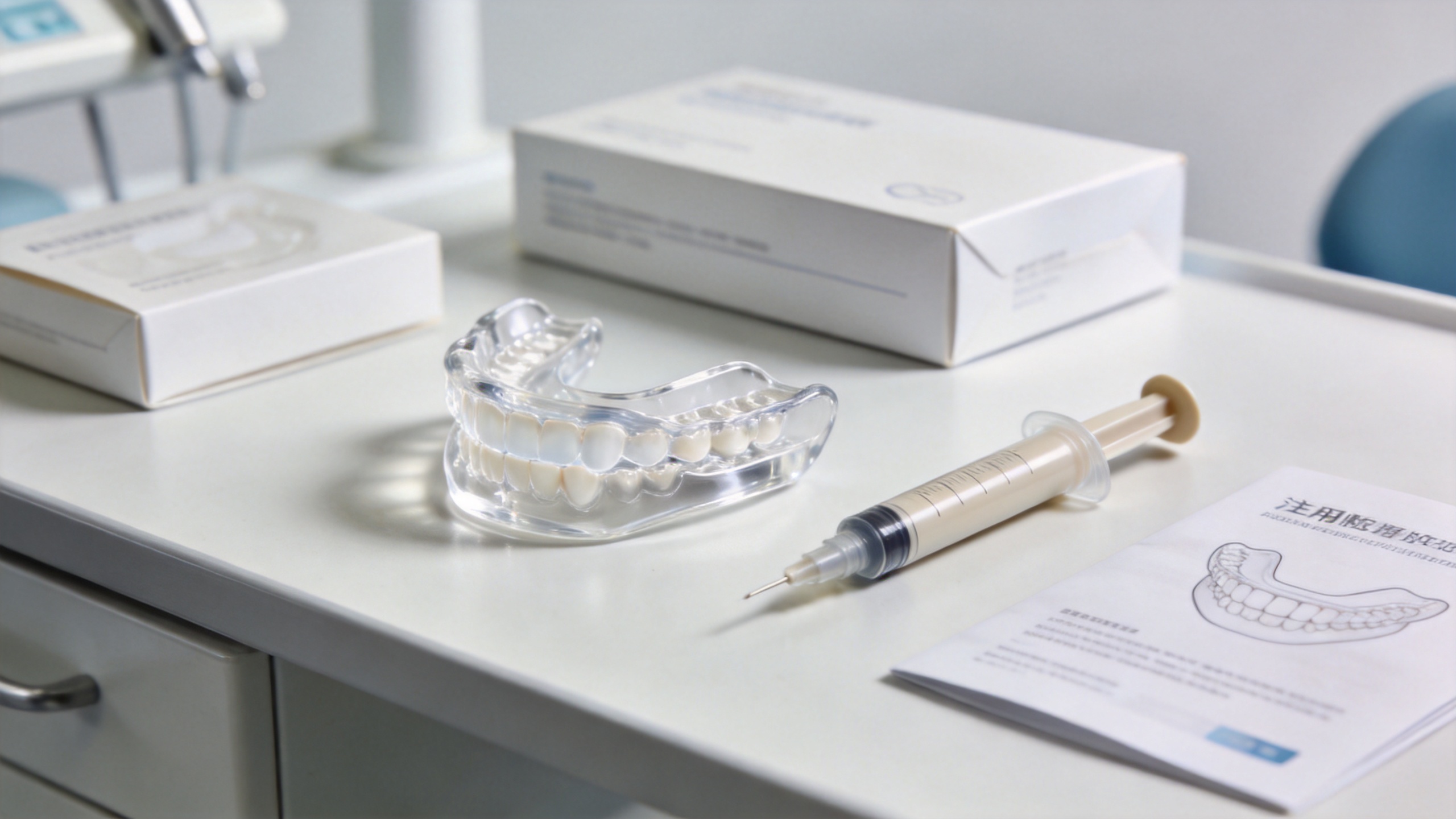
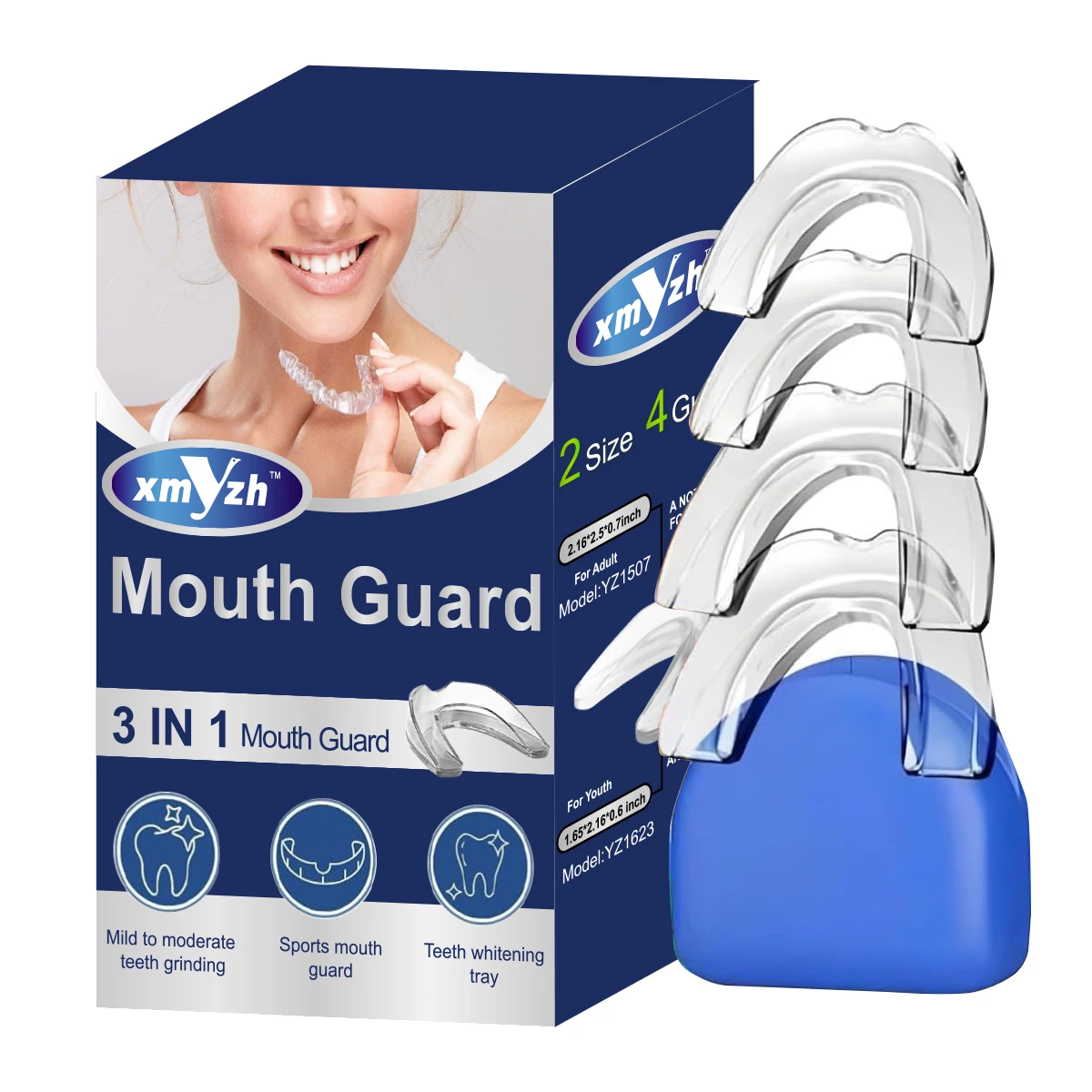
- Tray format: clarify whether the request concerns a standard tray, a thermoforming tray, or a custom-fitted tray workflow. Ask for the material description, dimensions or size range, and cleaning guidance.
- Whitening medium: identify the gel format, fill volume, intended-use instructions, storage information, and applicable documentation. Do not infer concentration, compatibility, or performance from a product photo alone.
- Optional accessories: if an LED device, shade guide, case, or applicator is requested, list it separately so the quotation remains comparable across suppliers.
- Packaging and labeling: confirm carton format, language, lot or traceability fields where applicable, and which claims have been reviewed for the intended market.
- Instructions and warnings: require user-facing directions that explain application, cleanup, stop-use conditions, and when professional advice may be appropriate.
A review of peroxide-based whitening literature notes that safety and effectiveness are linked to following manufacturer instructions. That is a boundary, not a blanket performance promise. Good buyer documentation should help the downstream seller communicate that boundary clearly and should avoid claiming that one configuration works equally well for every person.
How to Evaluate a Custom Kit Request
For a custom kit, move from broad branding language to a written decision list. Begin with the primary channel: direct-to-consumer retail, a pharmacy assortment, an e-commerce listing, or a clinic-supported program. Then identify what the customer must receive in the first shipment and what may be offered as a refill or accessory. It prevents a familiar sourcing problem: a visually appealing sample that does not match the final packaging, directions, or operational needs.
Next, separate confirmed requirements from open questions. Confirmed requirements may include the pack count, requested tray style, print files, target language, and delivery destination. Open questions might include the final label copy, regulatory review, storage conditions, and the documentation expected by a professional channel. Stating those gaps early is more credible than filling them with assumptions.
Compare Factory Price on a Like-for-Like Basis
The phrase factory price is meaningful only after the scope of supply is stable. A lower initial unit quote may exclude printing setup, packaging components, quality documentation, sample revisions, or the accessory mix needed for the actual sales channel. For that reason, compare a factory price only when the following conditions are aligned:
- the same component list and pack quantity;
- the same tray, accessory, and packaging specifications;
- the same print, artwork, and labeling responsibilities;
- the same sample and production approval process; and
- the same shipping term, lead-time expectation, and documentation scope.
This comparison does not establish that any supplier will be the lowest-cost option. It gives purchasing teams a way to assess total sourcing work rather than relying on an incomplete headline price. For wholesalers and e-commerce teams, that comparison can reduce later changes to product pages, inserts, or packaging files.
Questions to Ask Before You Place an Order
A reliable smile whitening kit sourcing conversation should end with specific questions, not general assurances. Ask for component specifications, available sample options, artwork requirements, packaging dimensions, applicable documentation, order quantities, production lead-time estimates, and a written description of what is not included. If the request is for professional use, ask how the materials, directions, and claims will be reviewed for the intended professional channel.
It is also sensible to ask whether a proposed custom kit uses the same configuration that was quoted. Small changes to the tray, insert, carton, or accessory can change cost, packing, and the information that must be checked. The right time to surface those changes is before production approval, not after a listing or clinic program has been built around an earlier sample.
Build a Responsible Whitening Kit Offer
A strong smile whitening kit offer is built on precise scope: an identified use case, clearly listed components, readable directions, and claims that stay within verified information. Home and professional formats can share certain components, but their documentation and communication needs may differ. Buyers who treat the kit as a documented system—not simply a collection of accessories—are better positioned to request a relevant sample, compare a factory price fairly, and prepare a clearer offer for their customers.
For a project discussion, provide the intended channel, desired tray format, target packaging, anticipated order quantity, and any required documentation. Those details create a practical starting point for evaluating a whitening-tray kit without overstating what an unverified configuration can deliver.


 Hot News
