 EN



How Can A Premium Custom Made Sports Mouth Guard Enhance Athletic Performance?
In contact or fast-moving sports, performance is not only about training, tactics, and conditioning. It also depends on whether an athlete can stay comfortable and focused when play becomes physical. A custom made sports mouth guard is designed around the athlete’s own teeth, so it can offer a more stable starting point than a loose, generic guard. That does not turn a mouthguard into a performance device by itself. Instead, the practical benefit is simpler: when protective equipment fits predictably, it is less likely to become one more distraction during practice or competition.
From a sport-use perspective, the useful question is not “Which guard is right for every athlete?” It is whether a guard matches the sport, the athlete’s dentition, and the way it will actually be worn. The American Dental Association notes that custom mouthguards can provide an optimal fit, while also costing more and requiring professional fitting. For athletes, coaches, and buyers, that trade-off deserves a careful look.
Why fit can affect game-day focus
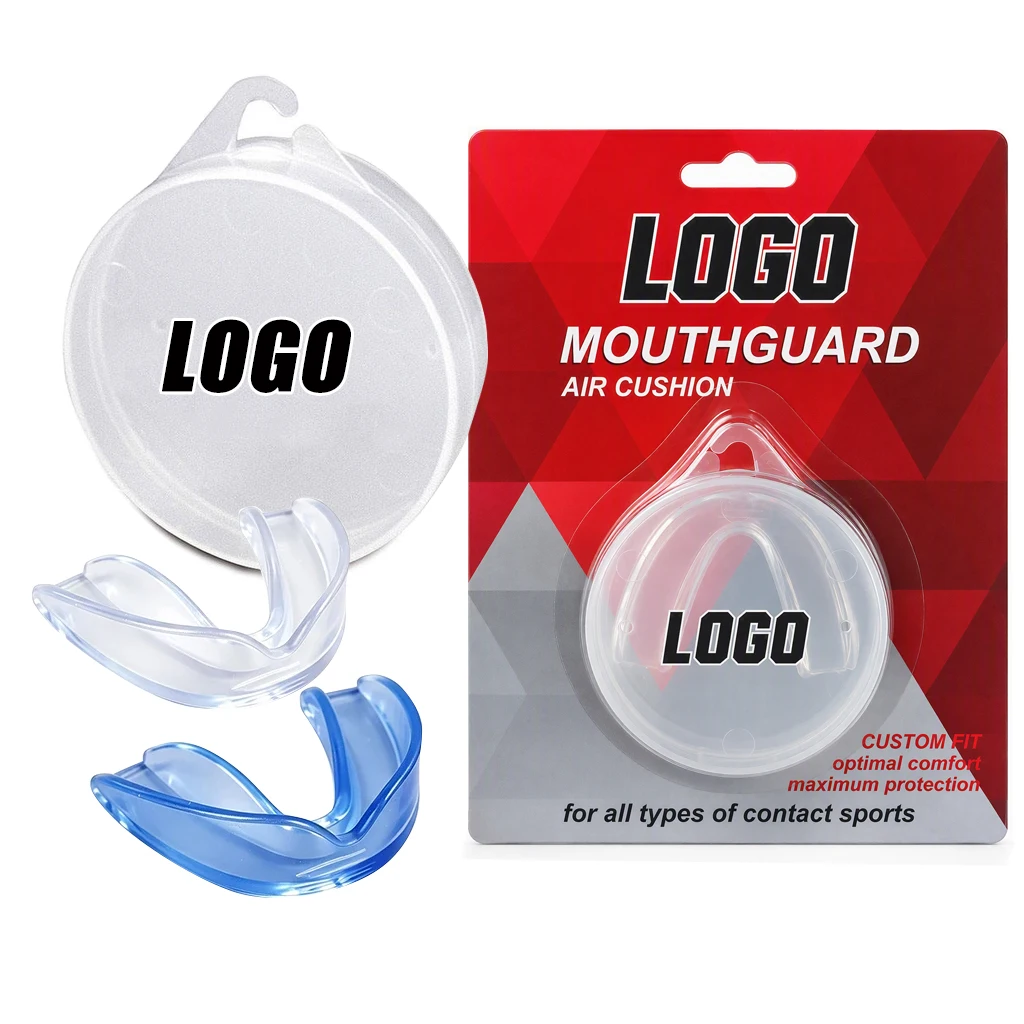
A custom made sports mouth guard follows the contours of the teeth and gums rather than relying on a one-size shell. Secure retention matters because a guard that shifts, drops, or needs frequent adjustment can interrupt attention between plays. A well-made guard should stay seated when the athlete opens the mouth, communicates, and changes breathing rhythm. It should not require constant clenching merely to keep it in place.
That is where a custom fit becomes relevant to athletic performance. The goal is not to promise extra speed, strength, or endurance. The goal is to reduce avoidable equipment friction: less repositioning, less rubbing, and a more predictable feel. NATA guidance reports that properly fitted mouthguards can be used in aerobic and anaerobic sports without a negative effect on performance. In practice, athletes should still test a new guard during training before relying on it in a competitive event.
How a premium custom made sports mouth guard supports protective readiness
Sport mouthguards are principally protective equipment. A custom made sports mouth guard may help an athlete maintain consistent use because a secure fit is usually easier to tolerate over a long session. AAPD policy describes custom-fabricated guards as superior in retention, protection, and comfort compared with less tailored options. That does not mean every custom guard is appropriate for every athlete; thickness, coverage, bite relationship, and sport-specific impact exposure all need professional consideration.
- Retention: A custom made sports mouth guard should remain in position instead of demanding repeated adjustment.
- Comfort: Smooth edges and controlled coverage can make regular wear more realistic during drills and games.
- Communication: Athletes should be able to speak clearly enough for practical on-field communication after an adaptation period.
- Routine: A guard that is comfortable to insert and remove is more likely to be worn consistently.
These points are especially important in football, hockey, lacrosse, martial arts, basketball, and other activities where an accidental elbow, ball, stick, or collision can affect the mouth. A coach should still follow sport rules and local clinical advice; a mouthguard is one part of a wider protective plan, not a substitute for supervision or technique.
Choosing the right custom fit for the sport
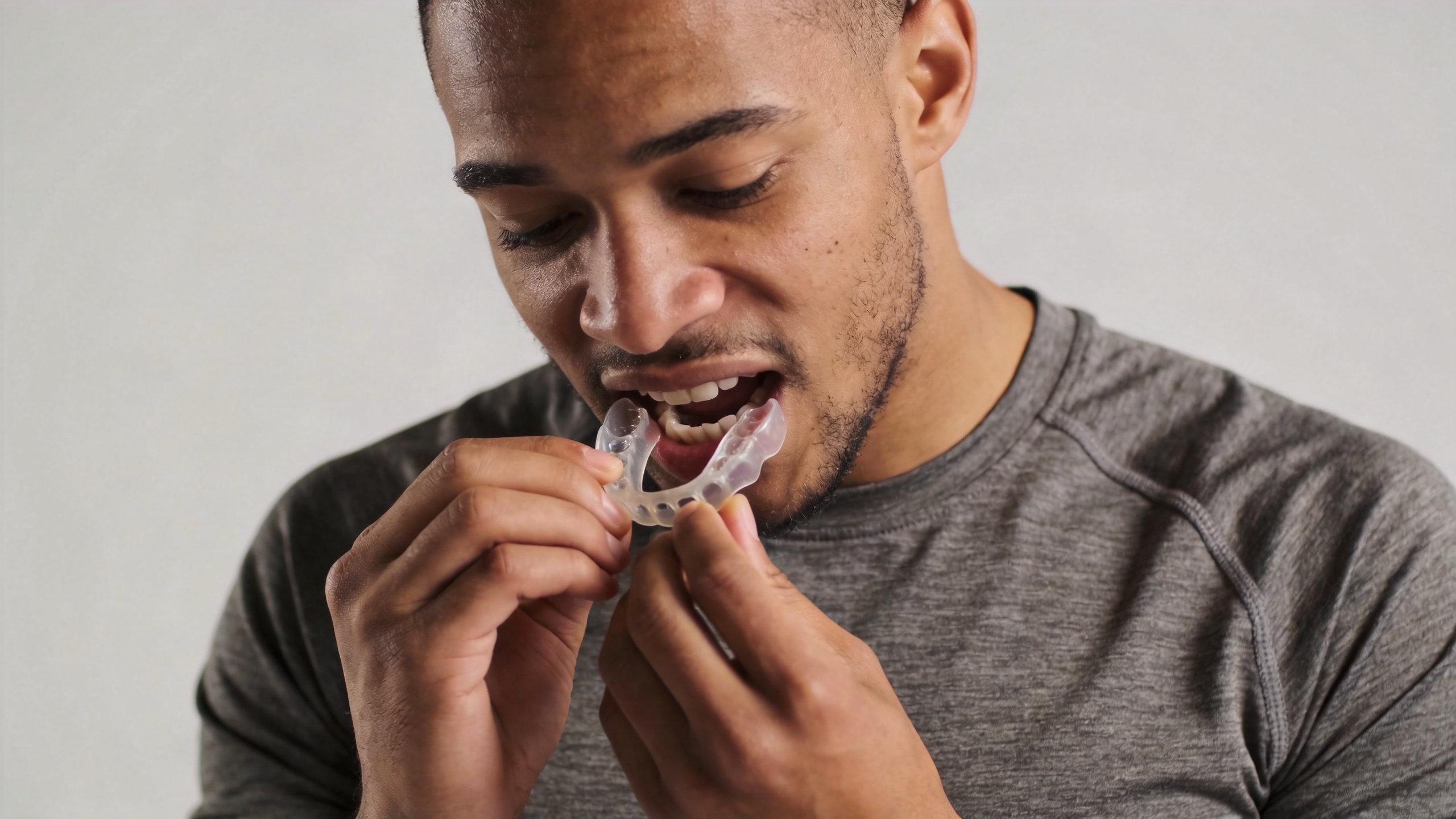
A custom fit starts with the athlete rather than a catalog label. Before ordering a custom made sports mouth guard, clarify the sport, the athlete’s age, the presence of braces or other dental work, and the expected training frequency. A player who wears orthodontic appliances may need an approach that accounts for tooth movement. Young athletes can also outgrow a guard as their dentition changes. Regular fit checks are sensible whenever the mouth changes or the guard becomes loose, rough, cracked, or distorted.
| Decision point | Why it matters | What to confirm |
|---|---|---|
| Sport and contact level | Impact exposure differs by activity. | Ask which sports, positions, and practice conditions the guard must serve. |
| Retention | A secure guard is easier to use consistently. | Check whether it stays in place without being held by the tongue or bite. |
| Speech and breathing | Equipment should not create an unnecessary distraction. | Test short calls, controlled breathing, and drills before competition. |
| Dental changes | Fit can change over time. | Plan reassessment for orthodontics, growth, or dental treatment. |
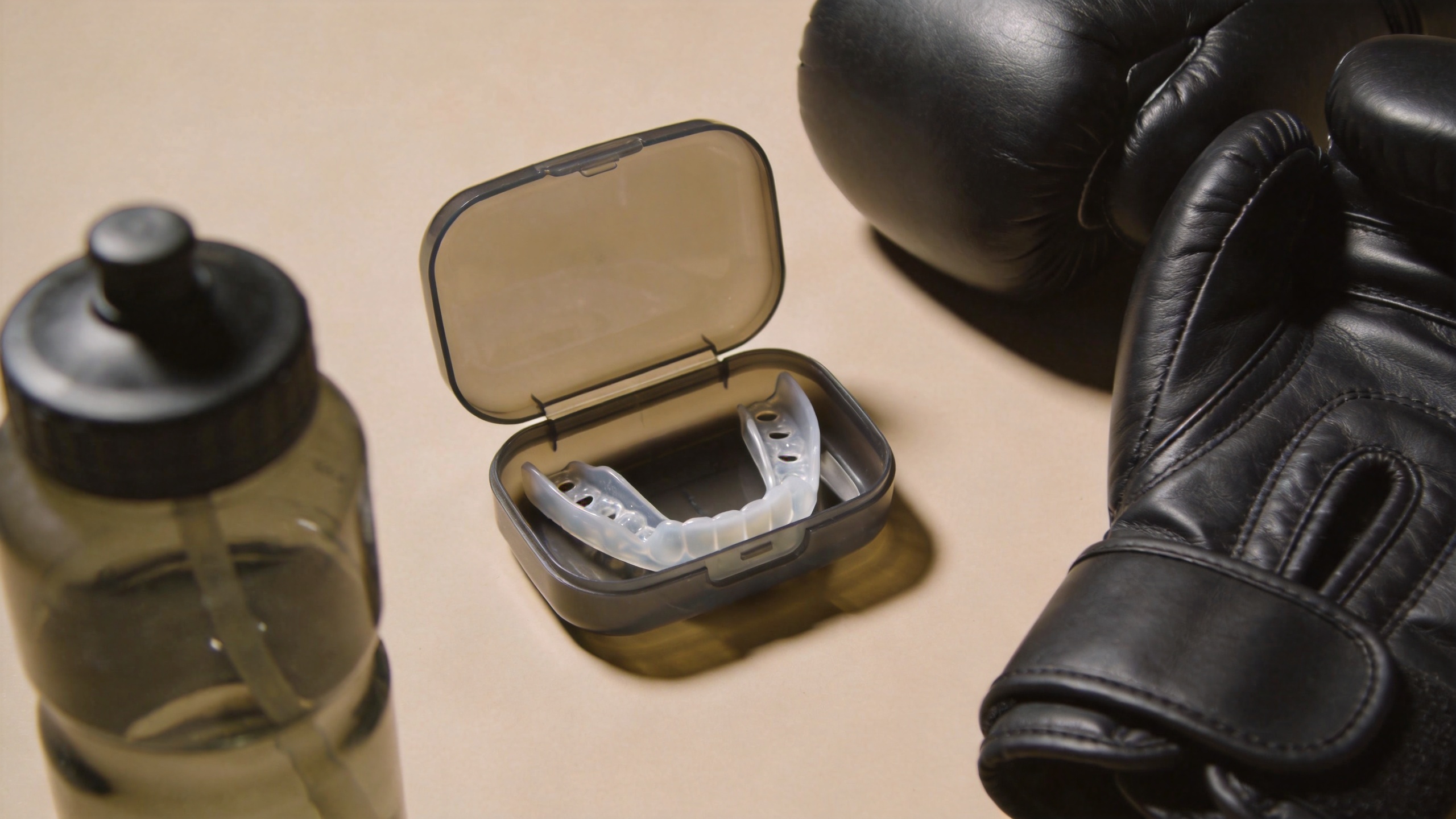
A custom made sports mouth guard should also be assessed after it has been worn in real practice. A quick fitting appointment cannot reproduce a full session of sprinting, calling plays, or recovering between drills. Athletes should note any hot spots, gagging, speech difficulty, or need to bite down to retain the guard and seek adjustment when needed.
What “premium” should mean beyond a higher price
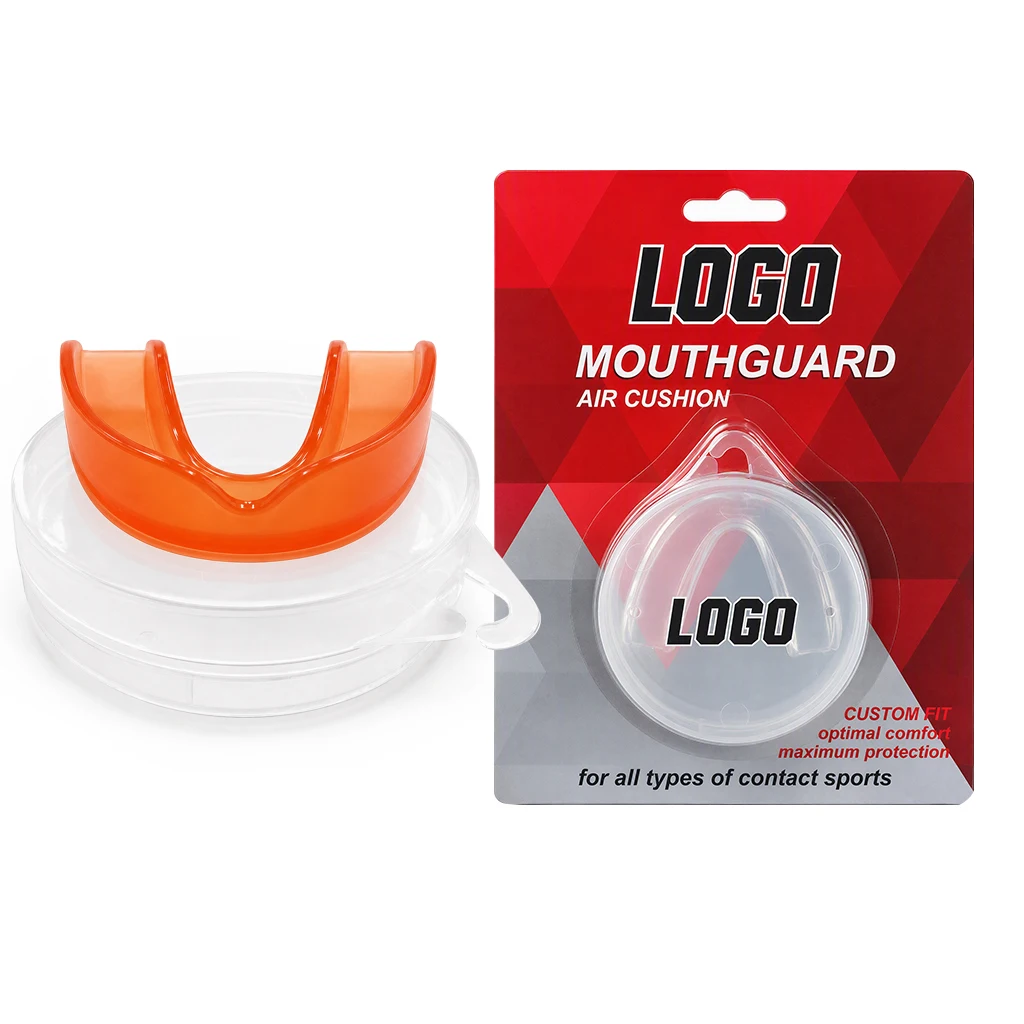
Premium should describe a verified process and a usable result, not a vague claim. For an individual athlete, useful signs include clear fitting instructions, a chance to confirm retention, and realistic care guidance. For a club, retailer, clinic, or team buyer, premium also means that the supplier can clarify product specifications, labeling, color or logo options, and lead time before an order is placed. Those details should be confirmed in writing rather than assumed from a marketing image.
The phrase factory price can be relevant for volume procurement, but price should not be the only comparison point. A low factory price is meaningful only when buyers can compare the same scope: fit method, material information, packaging, customization, minimum order quantity, sampling, and quality checks. In a team order, an incomplete specification can create more rework than the initial savings justify.
For that reason, B2B buyers evaluating a custom made sports mouth guard should ask for a concise requirement sheet. It should identify the intended sport, athlete group, size or impression workflow, requested artwork, packaging needs, and any documentation needed for the destination market. If a supplier cannot confirm a detail, mark it as pending rather than presenting it as established fact.
A practical performance-and-protection checklist
- Define the sport and likely impact situations before selecting a custom made sports mouth guard.
- Confirm that the intended custom fit method is appropriate for the athlete’s teeth and any orthodontic treatment.
- Test retention, speech, and breathing in practice, not for the first time on game day.
- Inspect the guard regularly for wear, deformation, rough edges, or a changed fit.
- Clean and store it according to the maker’s instructions, away from high heat that may deform it.
- For group purchasing, compare the complete specification, not only the advertised factory price.
The same checklist helps separate a useful custom made sports mouth guard from a product that merely looks customized. A true custom fit should be evaluated by how it behaves in the athlete’s mouth and training routine, not by color, branding, or price alone.
When to involve a dental professional
A dental professional can help determine whether a custom made sports mouth guard is appropriate and whether it fits as intended, particularly for athletes with braces, recent dental work, jaw concerns, or recurring discomfort. Professional input is also valuable when a guard no longer seats fully or causes irritation. This article offers general purchasing and use considerations; it does not replace individual dental assessment.
Conclusion
A premium custom made sports mouth guard can enhance athletic performance indirectly by supporting comfort, retention, and consistent protective readiness. The most valuable outcome is not a dramatic claim about athletic output. It is the confidence that the guard is less likely to distract the athlete when attention belongs on the next play. Choose the sport-specific requirements first, verify the custom fit in training, and evaluate a factory price against the full specification and service scope.
Frequently asked questions
Can a custom made sports mouth guard improve performance?
A custom made sports mouth guard should not be marketed as an assured way to improve speed, strength, or endurance. Its practical value is a stable, comfortable fit that can reduce equipment distraction and support consistent use during sport.
How do I know if a custom fit is working?
A custom fit should feel secure without constant clenching or tongue pressure. Test it during training for retention, comfort, speech, and breathing, and arrange a professional review if it shifts, rubs, or no longer seats fully.
Does factory price determine quality?
No. A factory price is only one purchasing factor. Compare the complete requirements, including fitting workflow, material information, customization, packaging, sampling, and quality checks.


 Hot News
