 EN



How Can A Premium Lacrosse Mouthguard Enhance Athletic Performance?
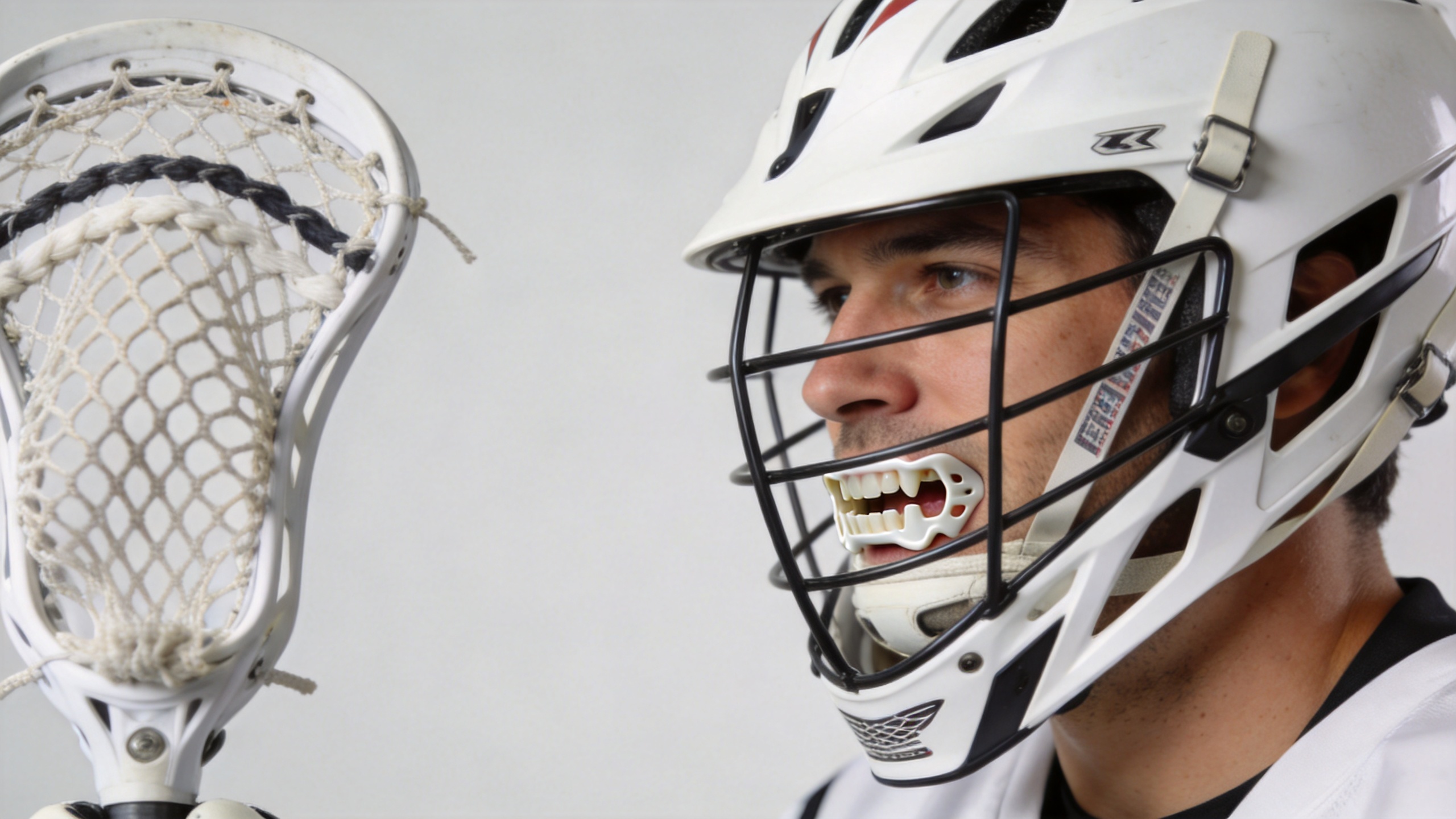
A lacrosse mouthguard is first a piece of protective equipment, not a shortcut to faster shots or more endurance. Still, a premium option can make a practical difference to how prepared an athlete feels through a fast, physical game. The useful question is not whether a guard creates performance on its own. It is whether the guard fits securely, stays comfortable, works with the player’s communication habits, and provides protection appropriate to the level of play.
From a sports-protection perspective, the details matter. A guard that shifts every time a player calls for a pass can become a distraction. One that feels excessively bulky may be removed between drills. A lacrosse mouthguard that is selected around the athlete’s mouth, playing situation, and league requirements is easier to use consistently. Consistent use is where the potential performance benefit begins: less attention spent managing equipment and more attention available for the next decision.
Start With Protection, Then Consider Performance
In contact and stick-sport situations, a mouth protector is intended to help protect teeth and oral tissues. The National Federation of State High School Associations describes the overall function of a tooth and mouth protector as protecting the teeth, mouth, and—when present—the lips. That is the core purpose of a lacrosse mouthguard. Any discussion of athletic benefit should remain secondary to that protective role.
A premium protection claim should therefore be translated into questions a buyer or athlete can verify. Does the guard cover the teeth it is meant to cover? Does it remain seated without constant clenching? Is its shape compatible with the player’s comfort and speaking needs? Is there clear care, fitting, and replacement guidance? Those questions are more useful than relying on a broad label such as “high performance.”
Why Stable Fit Can Help a Player Stay Engaged
Lacrosse places unusual demands on equipment awareness. Players run, change direction, scan for teammates, absorb contact, and communicate in short windows. If a mouthguard slides, needs repeated repositioning, or makes the athlete reluctant to speak, it can interrupt that rhythm. A well-fitted lacrosse mouthguard may reduce those equipment interruptions.
This is not the same as promising a measurable strength, speed, or reaction-time gain. Research and position statements sometimes discuss performance parameters under very specific bite and occlusal conditions, but those findings do not turn every premium guard into a universal performance device. A more responsible conclusion is simple: a guard that feels secure and manageable can support concentration and willingness to keep it in place while the game is moving.
For younger players, that same principle supports habit building. A comfortable guard is more likely to be worn correctly at practices as well as games. Coaches and parents should still confirm the rules that apply to their league, age group, and local competition, because mouthguard requirements can vary.
Fit Choices: Stock, Mouth-Formed, and Custom Options
Not every athlete needs the same route to fit. A stock option may be readily available but can be difficult to retain if the size and shape do not suit the wearer. Mouth-formed, often called boil-and-bite, options can be adapted at home when fitted carefully according to the instructions. The American Dental Association notes that dentists may recommend either a custom-fit mouthguard or a properly fitted boil-and-bite mouthguard; an OTC mouth-formed product with an ADA Seal has been evaluated against the Seal’s relevant safety and efficacy requirements.
A custom option may be worth discussing with a dental professional for athletes who have orthodontic appliances, a history of poor retention with standard guards, or specific fit concerns. It is important not to assume that “custom” alone answers every question. The athlete still needs to assess comfort, retention, hygiene, and the suitability of the design for their sport.
| Decision point | What to check | Why it matters in lacrosse |
|---|---|---|
| Retention | The guard stays in position without frequent adjustment. | Helps limit distractions during transitions and communication. |
| Comfort | Edges and bulk are tolerable over a full practice. | Supports consistent use rather than removal between plays. |
| Speech and breathing | The player can call, respond, and recover comfortably. | Equipment should not add avoidable friction to game awareness. |
| Care instructions | Cleaning, storage, and replacement guidance are supplied. | Helps maintain a usable guard over the season. |
What “Premium Protection” Should Mean in a Product Brief
For team buyers, retailers, clinics, and online sellers, premium protection is strongest when it is supported by a clear specification sheet rather than an unqualified promise. Ask the supplier to identify the intended user group, fitting method, material information, available sizes or impressions process, packaging, care directions, and any independently confirmed standards or test documentation. If a claim cannot be documented, it should be described as a feature to confirm—not as an assured outcome.
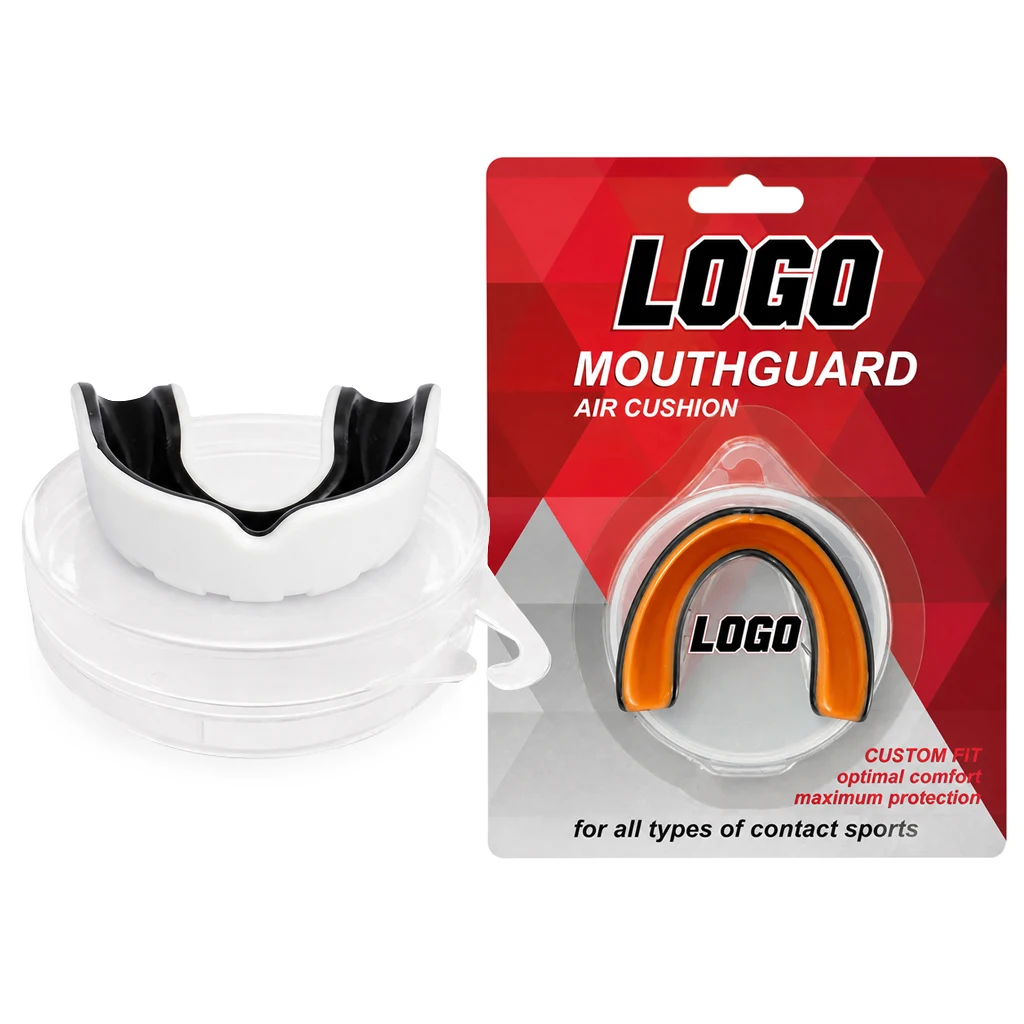
This shift from a selling phrase to a confirmation process matters. A lacrosse mouthguard may look substantial in a product photo, yet the buyer still needs to know how it is fitted and what evidence supports any specific claim. A concise comparison sheet can help coaches or purchasing teams explain options without overstating them.
Planning an OEM/ODM Lacrosse Mouthguard Program
OEM/ODM discussions introduce another layer of decisions. A buyer may want a brand color, logo treatment, retail packaging, age-specific assortment, or a fitting format that suits a particular channel. Those are workable planning topics, but they should not be confused with confirmed performance specifications. Before approving an OEM/ODM program, align on artwork, samples, material documentation, labeling requirements, packaging configuration, target market requirements, and the approval process for claims.
For a school, club, or reseller, a sample review is especially valuable. Have representative users evaluate retention, comfort, and communication in a controlled practice setting. Record feedback separately from product claims. The result is a more practical brief: not “the ideal lacrosse mouthguard,” but a defined option for a defined player group and distribution channel.
A Practical Pre-Season Checklist
- Confirm the player’s league and team equipment rules.
- Choose a lacrosse mouthguard style based on fit needs, dental considerations, and the fitting guidance available.
- Follow the manufacturer’s fitting and care instructions exactly; seek dental guidance when appropriate.
- Check that the guard remains comfortable during running, calling, and ordinary practice drills.
- For group purchasing, request product documentation before using premium protection language in listings or team materials.
- Replace the guard when its fit, condition, or hygiene no longer supports reliable use.
The Bottom Line
A premium lacrosse mouthguard can enhance an athlete’s game experience when it combines dependable protection with a fit the player will actually use. The benefit is indirect but meaningful: better retention and comfort can reduce gear distractions, support communication habits, and make protection easier to maintain from practice through competition. Choose the guard around confirmed specifications and the athlete’s real playing context, rather than treating premium protection as a blanket promise.
Frequently Asked Questions
Can a lacrosse mouthguard improve athletic performance?
A lacrosse mouthguard should primarily be selected for protection and fit. A secure, comfortable guard may help a player stay focused by reducing equipment distractions, but it should not be marketed as a reliable way to improve speed, strength, or endurance.
Is a custom guard necessary in every lacrosse situation?
Not in every case. A properly fitted mouth-formed guard may suit many players. A custom option may be useful to discuss with a dental professional when fit is difficult, orthodontic appliances are involved, or the athlete has specific dental needs.
What should an OEM/ODM buyer confirm before ordering?
Confirm the fitting method, material documentation, samples, artwork approval, packaging, care instructions, applicable market requirements, and the evidence behind any protection or compliance claims.


 Hot News
