 EN



How Can High-Quality Custom Fit Mouth Guard Prevent Sleep Bruxism Damage?
Waking with a tired jaw, sensitive teeth, or a partner’s report of grinding can be unsettling. A custom fit mouth guard is often discussed as a practical way to put a protective barrier between upper and lower teeth during sleep. The important distinction is simple: a guard may help limit wear and protect restorations from grinding forces, but it does not diagnose or cure sleep bruxism. A good decision starts with fit, material, bite review, and an honest conversation with a dental professional when symptoms persist.
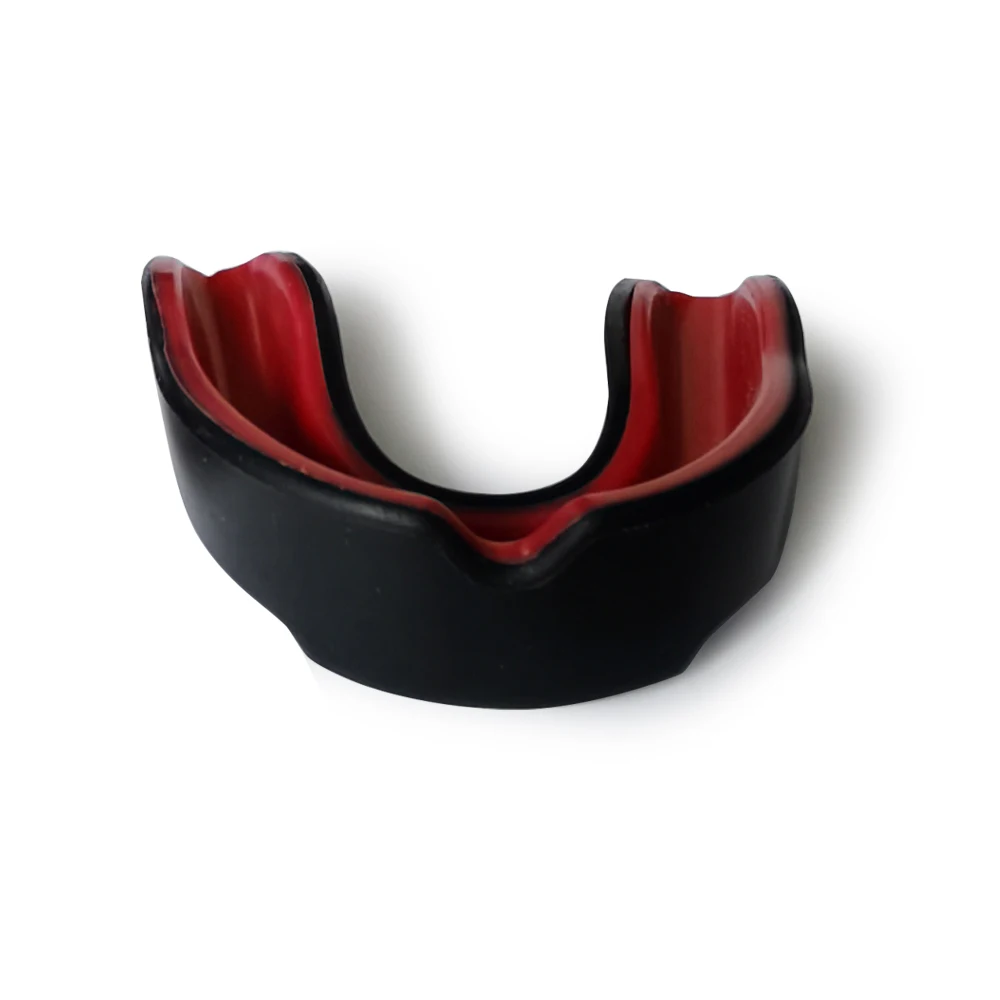
This guide uses “mouth guard” in the night-time, occlusal-guard sense—not a sports guard. That difference matters. A sports product is designed for impact protection, while a custom fit mouth guard for suspected sleep grinding is considered in relation to your teeth, bite, retention, and overnight comfort.
Why sleep bruxism can damage teeth over time
Sleep bruxism refers to jaw-muscle activity during sleep that may include clenching or grinding. Not every person who occasionally grinds will develop the same problems, and a sore jaw alone does not prove bruxism. Still, repeated contact can contribute to flattened edges, chips, cracked fillings, restoration wear, tooth sensitivity, and muscle fatigue. The risk is not just the sound of grinding; it is the repeated load placed on enamel and dental work.
A custom fit mouth guard does not remove the underlying reason someone clenches. Instead, it creates a controlled surface between opposing teeth. That separation can reduce direct tooth-on-tooth contact and may help distribute contact across the appliance rather than repeatedly concentrating it on vulnerable tooth edges or restorations. This is why dentists often evaluate the guard alongside the patient’s bite rather than treating it as a one-size-fits-all purchase.
How a custom fit mouth guard supports protection
It separates the teeth
The first protective function of a custom fit mouth guard is physical separation. When upper and lower teeth cannot meet directly, the appliance may absorb or redirect part of the friction that would otherwise reach enamel, crowns, veneers, or fillings. The guard itself can show wear over time, which is useful information for a clinician assessing how the appliance is being used.
It stays in place more reliably
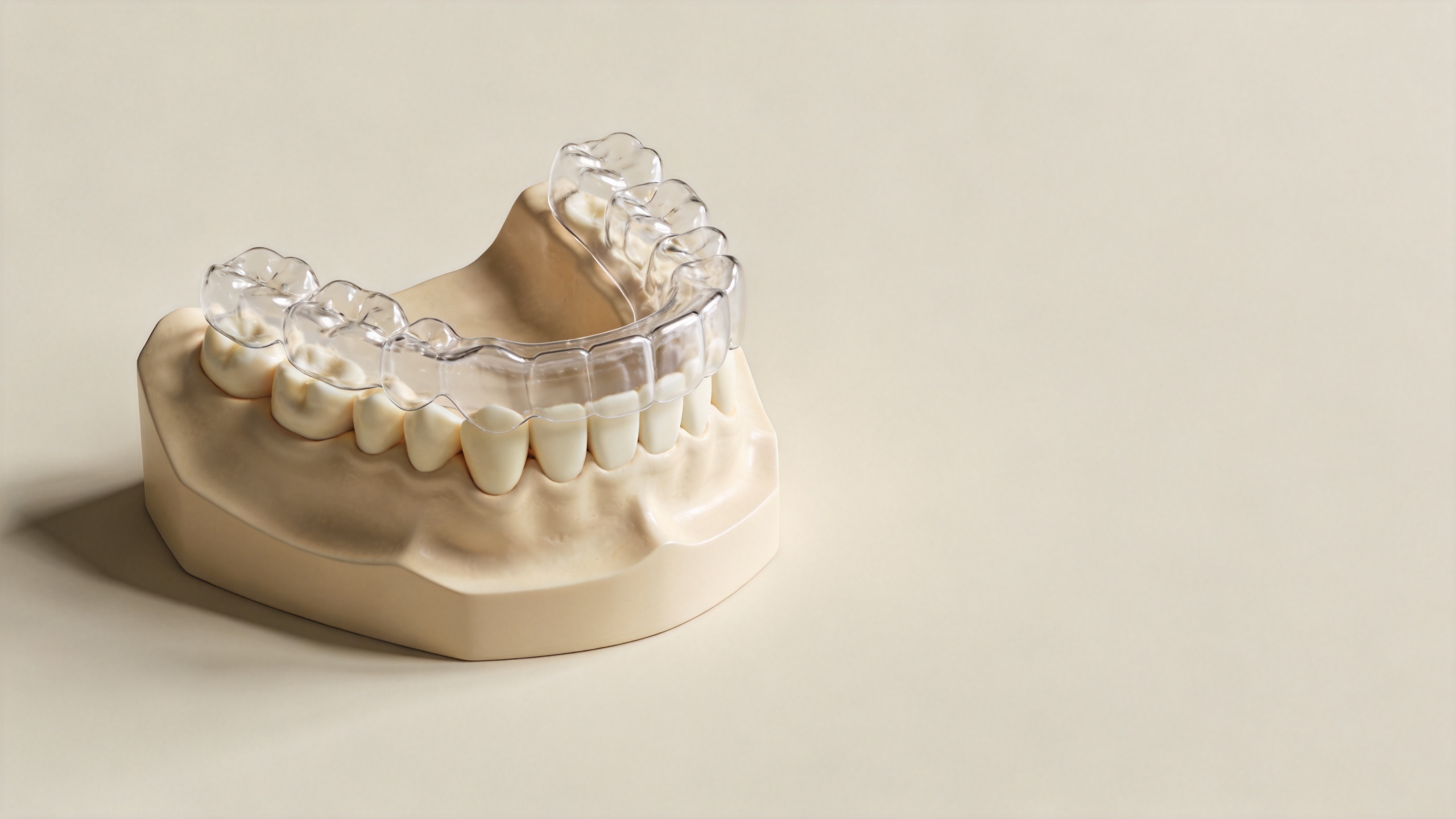
A loose device can be distracting, encourage chewing, or be removed during sleep. By contrast, a custom fit mouth guard is shaped from an impression or digital scan of the teeth. That close adaptation is intended to improve retention. Better retention does not guarantee a medical outcome, but it can make a guard easier to wear consistently and easier for a clinician to assess.
It can make careful bite review possible
With a professionally evaluated appliance, the contact pattern can be checked and adjusted. That is especially relevant if you have crowns, implants, orthodontic treatment, recurring jaw pain, or a recent change in your bite. Do not try to solve a guard that rocks, pinches, or changes how your teeth meet by sanding it at home; ask the provider who made it to examine it.
What “dental grade” should mean in a buying conversation
The phrase dental grade is frequently used in marketing, but it is not a substitute for clear product information or clinical review. Rather than relying on the label alone, ask what material is used, how thickness is selected, how it is finished, whether the device is intended for overnight use, and how fit concerns are handled. For a sleep appliance, smooth edges, a stable shape, and a material appropriate for the intended use are more meaningful questions than a broad claim on packaging.
A custom fit mouth guard may be made from a thermoplastic material selected for the appliance design. Thickness is not automatically “better” when it is greater: the appropriate design depends on the individual’s dentition, bite, symptoms, and professional recommendation. A guard that is too bulky can reduce willingness to wear it; a guard with an unsuitable design may not provide the intended coverage or stability.
Why a comfortable fit is a protection feature
A comfortable fit is more than a pleasant extra. An appliance only helps while it is actually worn, so comfort supports consistent use. A well-adapted custom fit mouth guard should generally seat without force, remain secure without feeling painfully tight, and have smooth edges that do not rub the gums or tongue. It should not repeatedly fall out, cause new sharp pressure points, or make normal closing feel dramatically altered.
When trying a new guard, use a short, practical checklist:
- It fully seats over the intended teeth without rocking.
- It stays in position when you gently open your mouth.
- Its edges feel smooth against the tongue, cheeks, and gums.
- It does not create a persistent hot spot, crack, or unusual bite change.
- You know how to clean, dry, and store it between uses.
If one of these points is not met, the answer is not necessarily to stop using every guard forever. It is a reason to seek an adjustment or reassessment. The right custom fit mouth guard should be evaluated as a fit-sensitive dental appliance, not as an accessory that must be tolerated regardless of discomfort.
Custom versus boil-and-bite or stock options
Stock and boil-and-bite guards can be more accessible, and they may serve some temporary needs. Their limitation is that they are not designed around one person’s tooth anatomy and bite. A custom fit mouth guard typically offers more predictable coverage and retention because the shape is based on the wearer’s teeth. That can support a more comfortable fit, particularly for people who cannot tolerate a bulky or shifting device.
However, “custom” should not be confused with “universally right.” Direct-to-consumer and professionally delivered products can differ in process, material, instructions, and access to adjustments. If you have significant tooth wear, loose teeth, gum disease, extensive dental work, jaw locking, facial pain, suspected sleep apnea, or symptoms that are getting worse, a dental assessment is the safer starting point before relying on any custom fit mouth guard.
Use and care habits that protect the appliance
Even a well-made custom fit mouth guard needs care. Rinse it with cool or lukewarm water after use, clean it as directed, let it dry before placing it in its case, and keep it away from heat that could distort the material. Bring it to dental visits so wear, cracks, fit, and bite contacts can be reviewed. Replacing a visibly worn or damaged guard is often more prudent than trying to repair it yourself.
Also notice the larger pattern. A guard can protect teeth from some mechanical effects of grinding, but it should not delay evaluation of headaches, jaw locking, damaged teeth, snoring with breathing concerns, or daytime sleepiness. These signs may point to issues that require professional assessment beyond the appliance itself.
Questions to ask before choosing a custom fit mouth guard
- Is this appliance intended for night-time grinding protection rather than sport impact protection?
- How will my bite and existing dental work be considered?
- What does dental grade mean for this specific material and manufacturing process?
- How should a comfortable fit feel, and what adjustment support is available?
- What cleaning, storage, review, and replacement guidance applies?
The practical takeaway
A high-quality custom fit mouth guard can be a sensible part of protecting teeth and restorations from the wear associated with sleep grinding because it separates the teeth, is designed to stay in place, and can be reviewed for fit and contact. Its value depends on consistent wear, a truly comfortable fit, responsible care, and professional follow-up when symptoms or fit problems continue. Choose clear information over sweeping promises: a guard can help manage damage risk, but it is not a stand-alone cure for sleep bruxism.




 Hot News
