 EN



How To Choose The Best Anti Snoring Mouth Guard For Sleep Comfort?
Choosing an anti snoring mouth guard is less about finding the loudest promise on a package and more about finding a design your mouth can tolerate consistently. As a buyer or retailer, start with the sleep problem, the wearer’s dental comfort, and the evidence a supplier can provide. The right anti snoring mouth guard may help some adults who snore, but it is not a diagnosis or a substitute for care when symptoms suggest sleep apnea.
Start by understanding what an anti snoring mouth guard does
Most products sold as an anti snoring mouth guard are mandibular advancement devices (MADs). They sit over the teeth and hold the lower jaw slightly forward, which may create more room in the upper airway and reduce the vibration that produces snoring. A tongue-retaining device works differently: it uses gentle suction to keep the tongue forward. These designs should not be treated as interchangeable, because comfort, retention, and suitability can differ.
A useful first question is not “Which anti snoring mouth guard fits my needs?” but “What appears to trigger the snoring?” Nasal congestion, alcohol close to bedtime, back sleeping, jaw position, and possible sleep-disordered breathing can each change the answer. If there are witnessed breathing pauses, choking or gasping during sleep, severe daytime sleepiness, or persistent morning headaches, seek a clinician’s assessment rather than relying on an over-the-counter device.
Choose the right device style before comparing price
Adjustable mandibular advancement designs
An adjustable anti snoring mouth guard lets the wearer make small, controlled changes to the lower-jaw position. That matters because more advancement is not automatically more comfortable or more effective. A gradual adjustment process can make it easier to notice jaw soreness, tooth pressure, or changes in bite. For consumers with diagnosed obstructive sleep apnea who are considering oral-appliance therapy, professional assessment and a custom, titratable appliance are the appropriate discussion to have with a sleep clinician and qualified dentist.
Boil-and-bite designs
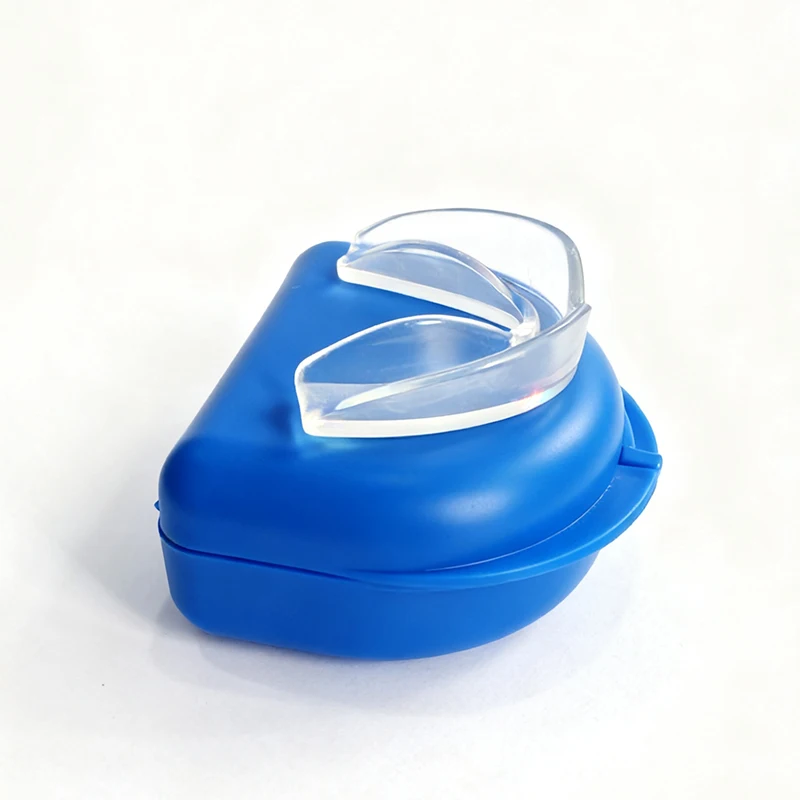
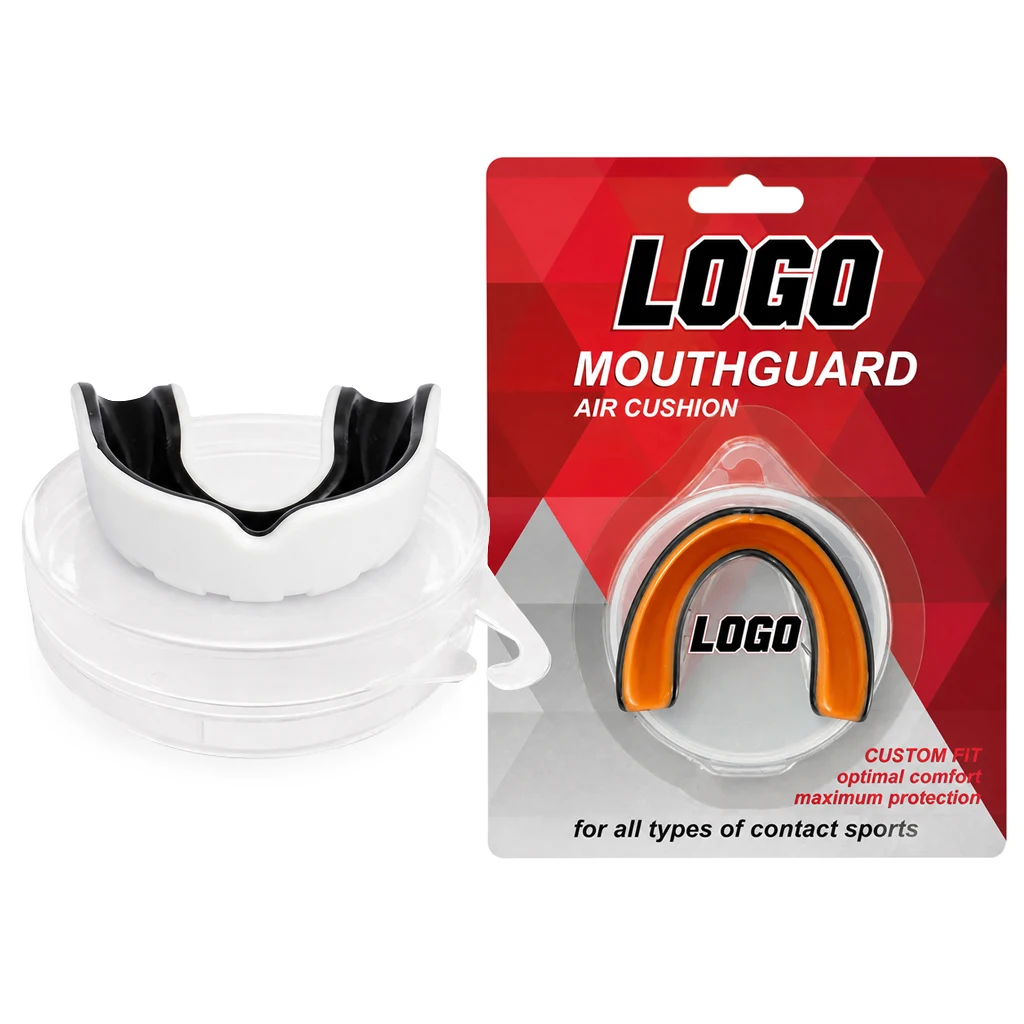
A boil-and-bite anti snoring mouth guard can be an accessible option for initial fit testing. Look for clear molding instructions, even material thickness, and a shape that does not create sharp pressure on gums. The trade-off is that self-molding may not achieve the retention or bite precision of a custom appliance. It should feel secure enough to stay in place, not tight enough to cause pain.
Tongue-retaining designs
A tongue-retaining anti snoring mouth guard alternative may suit some people who cannot comfortably advance the jaw. It needs a stable seal and should be easy to remove. Because this style can feel unfamiliar, it is especially important to review cleaning instructions and allow an adjustment period.
Use sleep comfort as the main fit test
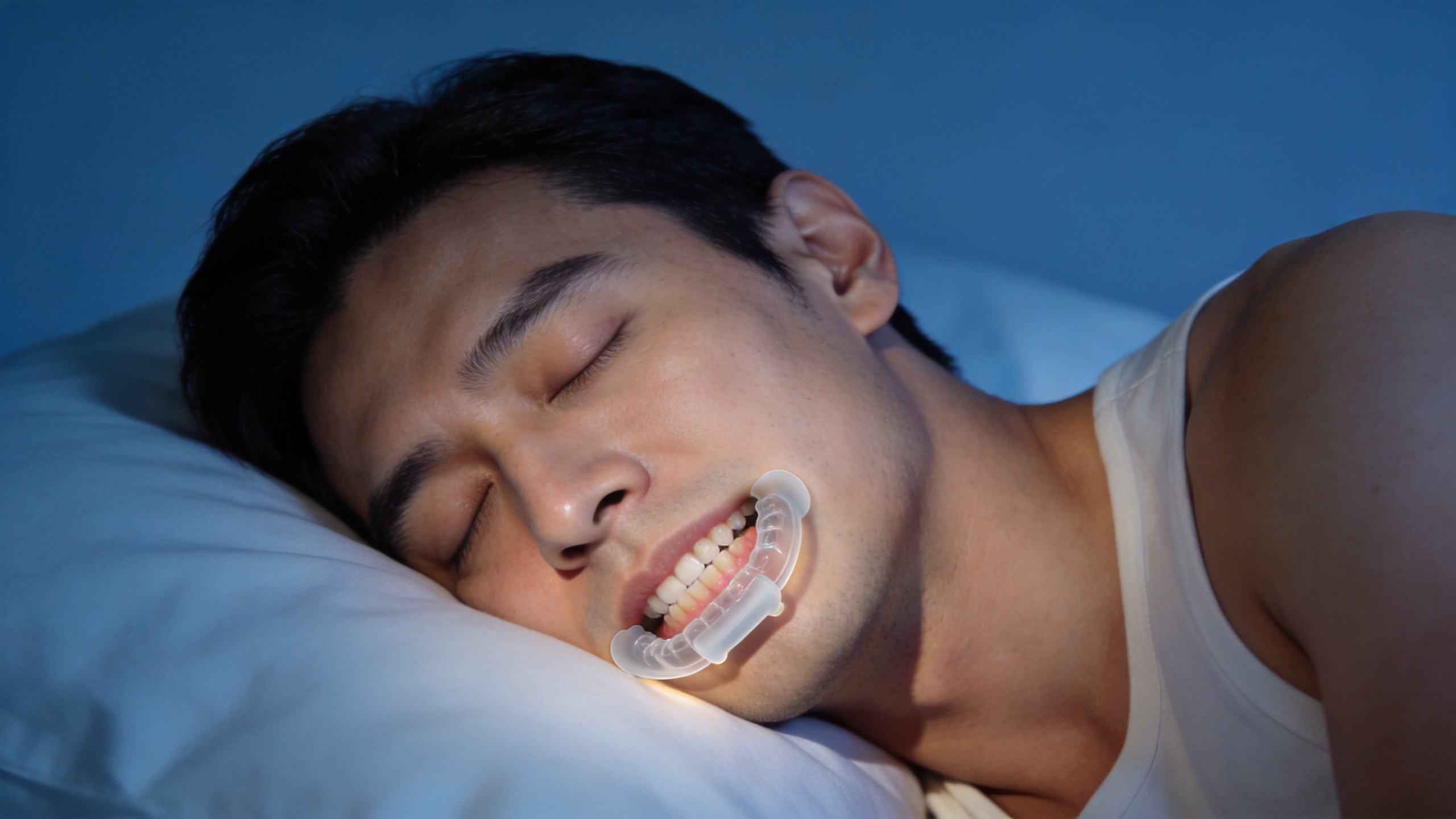
An anti snoring mouth guard only has a chance to help if it is worn for most of the night. Check five comfort details before buying:
- Jaw position: The device should allow a modest, controlled position rather than forcing the jaw forward abruptly.
- Tooth coverage: A well-made anti snoring mouth guard should cover the intended teeth smoothly, with no rough edges or loose components.
- Breathing: Confirm that the design does not make normal nasal breathing feel restricted; a product cannot solve severe nasal blockage on its own.
- Retention: It should stay put through normal sleep movement without requiring excessive clenching.
- Morning response: Dry mouth, temporary bite changes, drooling, jaw tenderness, or tooth discomfort are signals to pause and reassess rather than push through worsening symptoms.
Do not select an anti snoring mouth guard without extra guidance if the wearer has braces, loose teeth, untreated gum disease, significant jaw pain, TMJ problems, or difficulty removing a device. A dental professional can help determine whether an oral device is appropriate.
How to evaluate materials and hygiene
Material descriptions should be specific enough for a buyer to understand how the anti snoring mouth guard is intended to be cleaned, stored, and used. Ask whether the construction is single-material or layered, whether edges are trimmed after molding, and whether the supplier provides batch-level traceability. Avoid assuming that a broad phrase such as “medical grade” proves comfort, safety, or suitability; request the documentation relevant to your market and product category.
A practical anti snoring mouth guard should come with cleaning and drying instructions, a protective storage case, and a replacement recommendation based on visible wear, fit change, or hygiene. Heat, direct sunlight, and aggressive cleaners can distort some thermoplastic designs, so care guidance is part of product quality rather than an afterthought.
Compare factory price with total value
For distributors, a low factory price is only one line in the buying decision. Compare the factory price alongside sample quality, tooling or customization costs, minimum order quantity, packaging, lead time, inspection process, and documentation. A very low factory price can become expensive if the fit is inconsistent, instructions are unclear, or returns rise after launch.
Request representative samples before committing to a larger order. During sample review, check whether each anti snoring mouth guard closes cleanly, has consistent thickness, arrives free of odor or deformation, and includes readable care and safety information. Record findings against an agreed sample standard rather than relying on photos alone.
Questions to ask a manufacturer
A capable manufacturer should be able to explain its material sourcing, molding process, trimming controls, packaging options, and quality checks in plain terms. Ask the manufacturer for a current specification sheet, sample lead time, production lead time, defect-handling process, and the documents it can provide for the destination market. Ask whether changes to color, logo, case, or instructions affect fit or production controls.
It is also reasonable to ask a manufacturer how it handles lot identification and final inspection. A productive manufacturer conversation is concrete: define the sample, acceptance criteria, packaging artwork, and claims that may or may not appear on the listing. Do not ask a supplier to make unsupported promises that an anti snoring mouth guard will cure sleep apnea or work for every sleeper.
Make a measured final decision
Choose an anti snoring mouth guard with a design that matches the user’s needs, a fit process they can follow, and a supplier that can substantiate what it makes. Start slowly, follow the instructions, and stop if pain or concerning sleep symptoms develop. For retail buyers, prioritize a repeatable fit, transparent quality controls, and honest product education over headline claims. That approach gives sleep comfort the attention it deserves while keeping expectations realistic.
Quick buyer checklist
- Identify whether an anti snoring mouth guard or tongue-retaining design better matches the intended user.
- Review jaw, teeth, gum, and sleep-apnea safety flags before purchase.
- Compare adjustability, retention, edge finishing, cleaning, and storage.
- Evaluate factory price with samples, quality controls, packaging, and lead time.
- Ask the manufacturer for specifications and market-relevant documentation.
- Use cautious claims and encourage clinical advice for suspected sleep apnea.


 Hot News
