 EN



How Can High-Quality Mouthguard Dental Prevent Sleep Bruxism Damage?
For people who wake with sore jaw muscles, worn tooth edges, or a tired feeling in the face, a mouthguard dental solution can be part of a sensible protection plan. Sleep bruxism is the unconscious clenching or grinding of teeth during sleep. A well-chosen dental night guard does not promise to stop the habit or diagnose its cause. What it can do is create a protective barrier between the upper and lower teeth, helping reduce direct tooth-to-tooth contact while a clinician helps evaluate the larger picture.
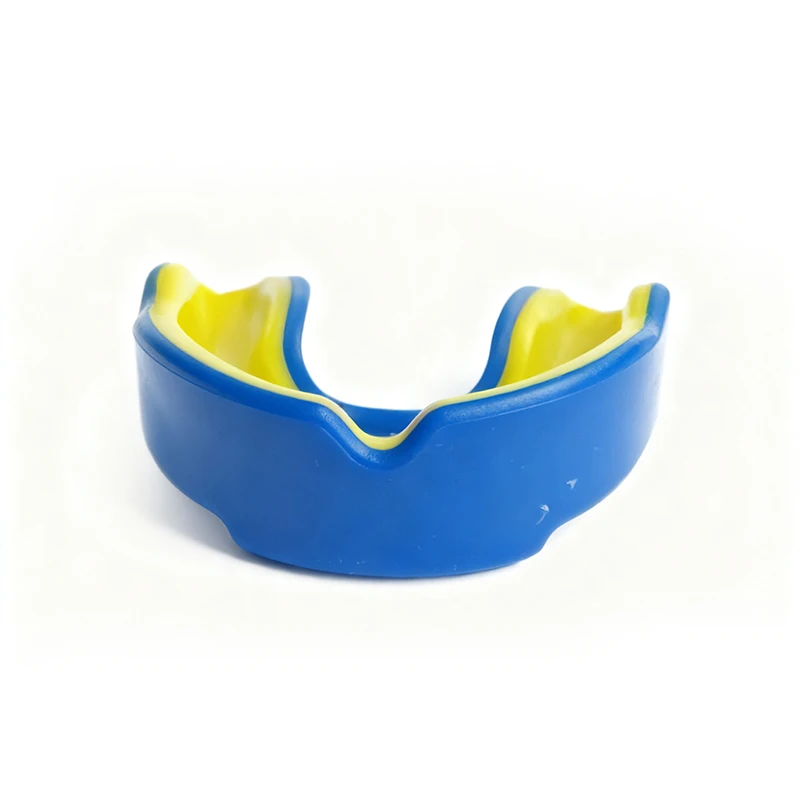
From a product-fit and sourcing perspective, the useful question is not simply “Which guard is strongest?” It is whether the appliance matches the wearer’s needs, can be worn consistently, and is backed by appropriate professional guidance. That distinction matters because a sports guard, an anti-snoring appliance, and a night guard may all be called mouthguards, yet they serve different purposes.
Why a Mouthguard Dental Device Can Help Protect Teeth
Grinding can place repeated pressure on enamel, fillings, crowns, and other dental work. A properly selected mouthguard dental device cushions the contact surfaces, so teeth are less likely to rub directly against each other during a grinding episode. This is protection, not a cure: the guard does not automatically eliminate stress, bite changes, sleep disruption, medication effects, or other factors that may contribute to clenching.
The difference is practical. When a wearer uses a night guard that fits comfortably, the appliance can help distribute contact across its surface instead of concentrating it on a few tooth edges. That may help limit additional mechanical wear. If pain, cracking, loose restorations, jaw locking, or persistent headaches are present, prompt dental assessment is more important than choosing a guard based on marketing claims alone.
What “High Quality” Means for a Night Guard
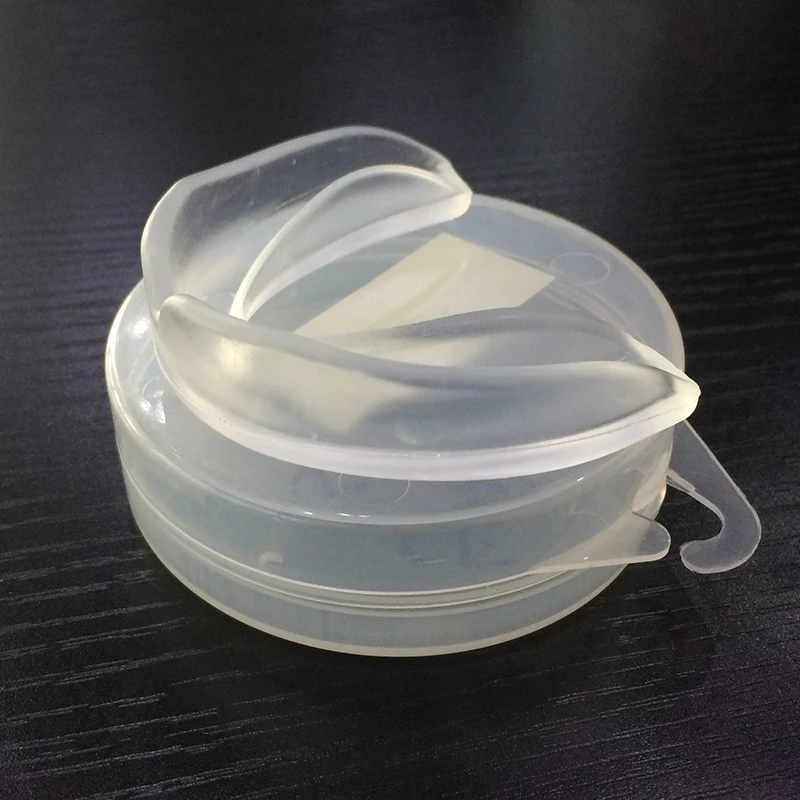
High quality is not a single material label. It is the combination of fit, thickness, edge finishing, material suitability, and quality control. A mouthguard dental option that feels bulky, pinches the gums, shifts during sleep, or changes how the teeth meet may be hard to use consistently. In contrast, a guard that is assessed for the individual situation is more likely to be worn as intended.
- Fit comes first: a guard should sit securely without sharp edges or excessive pressure.
- Material should suit the intended use: the wearer’s grinding pattern, oral sensitivity, and dental restorations can affect the right choice.
- Design should match the purpose: a sports mouthguard is built for impact protection, while a bruxism-focused night guard is intended for overnight tooth-contact management.
- Finishing matters: smooth borders and a stable shape support comfort and routine use.
- Care instructions matter: a clean, dry case and regular inspection make it easier to notice odor, damage, or distortion.
Custom, Over-the-Counter, and Professional Evaluation
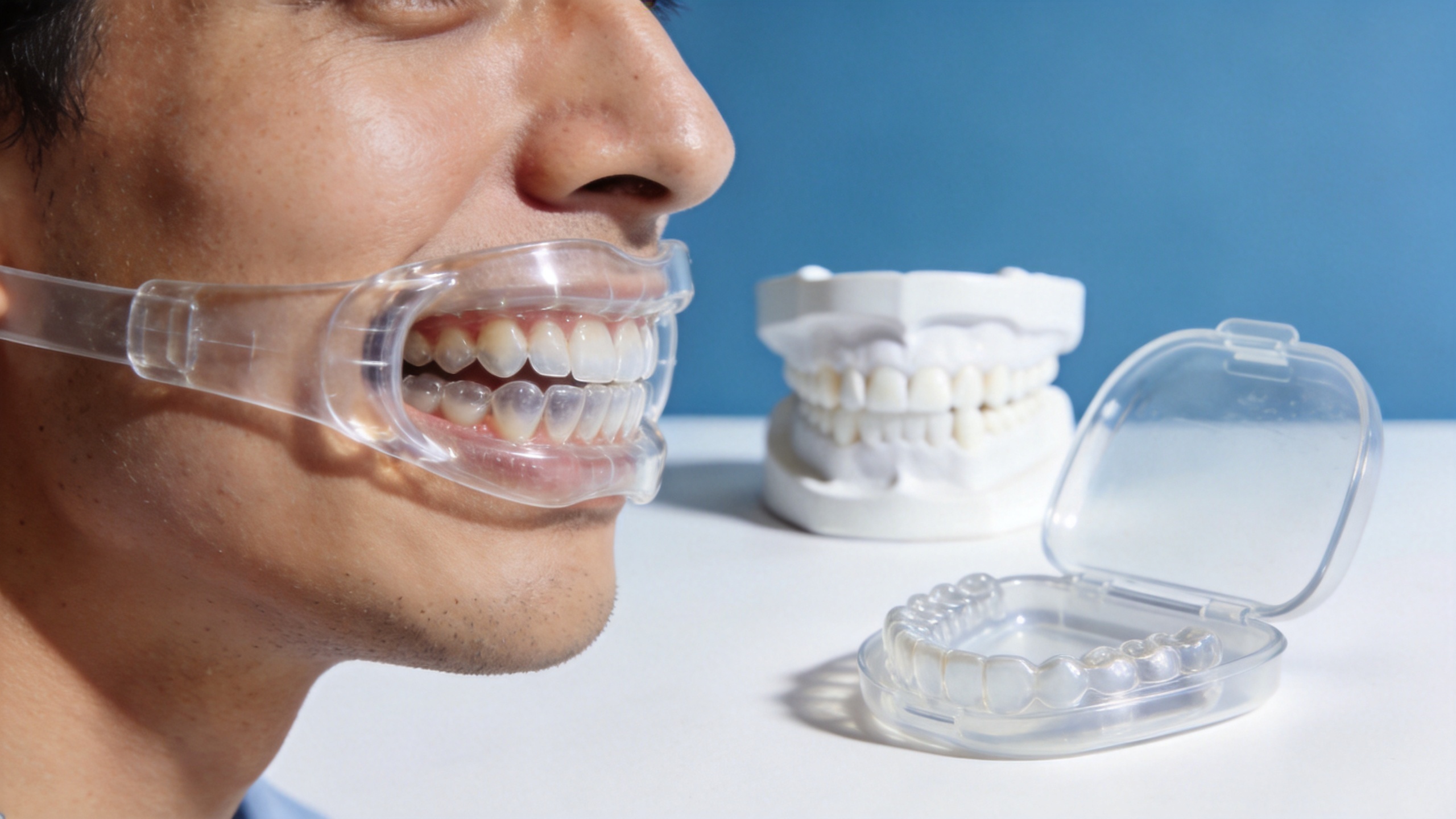
There is no one-size-fits-all mouthguard dental choice. Ready-to-use options can appear convenient, but their fit may be less predictable. Heat-molded choices may offer a middle ground for some users. A professionally evaluated guard can be especially worth discussing when someone has extensive restorations, orthodontic appliances, repeated breakage, significant jaw symptoms, or a complex bite.
First impressions can be misleading: a thicker guard may look more protective, but bulk alone does not establish suitability. The better route is to confirm the intended use, expected fit, material information, cleaning process, and what to do if symptoms change. This conditional approach avoids treating a mouthguard dental product as a substitute for individualized care.
How to Choose a Mouthguard Dental Option: A Practical Checklist
- Describe the problem accurately. Note when you notice grinding, soreness, tooth sensitivity, or damage. A dentist can use that information to assess whether a guard is appropriate.
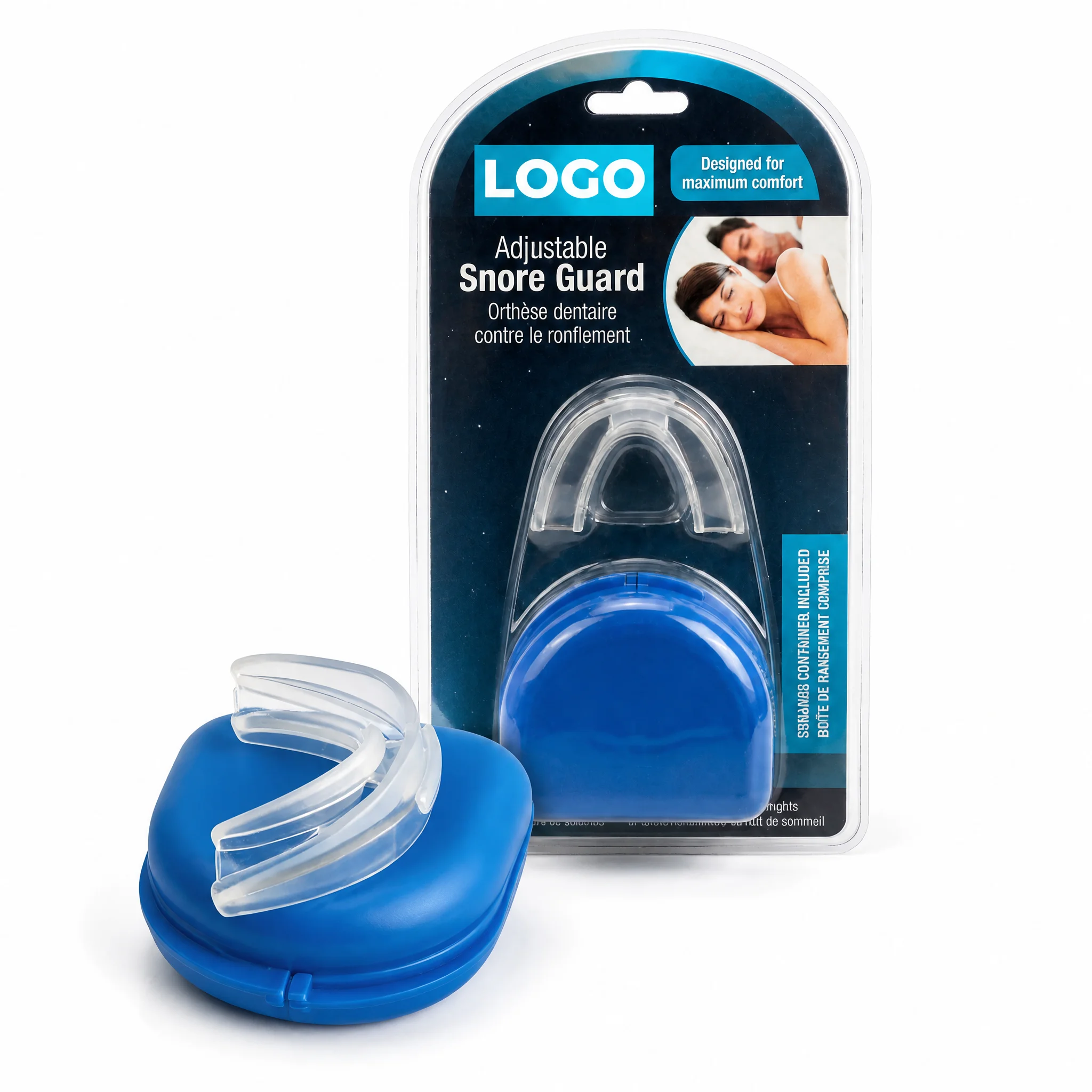
- Separate products by purpose. Ask specifically about a bruxism night guard, not a generic sports protector or a device marketed for a different sleep concern.
- Check fit and comfort after delivery. The appliance should not cause sharp pain, persistently gag, or feel loose. Contact a dental professional if it does.
- Ask about existing dental work. Crowns, implants, bridges, fillings, and orthodontic treatment may affect the design discussion.
- Set a review plan. Bring the guard to routine dental visits or seek review sooner if it cracks, no longer fits, or symptoms persist.
Care Habits That Help a Night Guard Last
A night guard needs basic care to stay suitable for use. Rinse it after wearing, clean it as directed by the dental provider or manufacturer, and let it dry before storing it in a ventilated case. Avoid hot water unless the instructions specifically allow it, because heat can alter some materials. Do not leave the appliance where pets can reach it, and do not keep using it if it develops sharp splits or a major change in shape.
For clinics, retailers, pharmacies, and wholesale buyers, clear use and care information is also part of responsible product communication. Product descriptions should distinguish overnight bruxism protection from impact protection and should not imply that every user will receive the same outcome. Asking suppliers for confirmed material, packaging, cleaning, and intended-use information supports more accurate conversations with end users.
When a Guard Is Not Enough
A mouthguard dental device is only one layer of protection. It cannot repair a fractured tooth, replace treatment for untreated dental disease, or resolve every source of facial pain. Seek dental advice if you notice bleeding gums, a cracked tooth, severe pain, frequent headaches, difficulty opening the mouth, or a guard that suddenly no longer fits. A clinician can assess whether the problem is related to grinding, another oral condition, or a need for a different kind of care.
It is also wise to discuss any suspected sleep-related breathing issue with an appropriately qualified clinician rather than assuming a bruxism guard will address it. Different oral appliances are designed for different purposes, and using the right one is more important than relying on a broad product label.
Key Takeaway
A high-quality mouthguard dental option may help reduce the damage caused when teeth grind against each other during sleep, especially when it is selected for the right purpose and reviewed by a dental professional. Focus on fit, intended use, comfort, care, and timely follow-up. For a wholesale program, the same principle applies: prioritize accurate category information and verified product details over broad protection claims.


 Hot News
