 EN



How To Choose The Best Anti Snore Mouthguard Snoring Aid For Sleep Comfort?
Choosing an anti snore mouthguard snoring aid is less about chasing a universal device and more about checking whether the design, fit, and support match the user’s situation. Snoring can have several causes, and a mouthpiece is not a diagnosis or a cure for every sleep-breathing concern. Still, when a clinician has ruled out a more serious issue and an oral appliance is considered appropriate, a carefully selected device can be a practical sleep aid for comfort-focused nighttime routines.
This guide separates general product information from medical advice. If loud snoring comes with breathing pauses, choking or gasping, marked daytime sleepiness, morning headaches, or other concerning symptoms, seek evaluation from a qualified healthcare professional rather than relying on an over-the-counter mouthpiece alone.
Start With the Right Type of Anti Snore Mouthguard Snoring Aid
The phrase anti snore mouthguard snoring aid is used for more than one product category. Knowing the mechanism first helps prevent mismatched expectations.
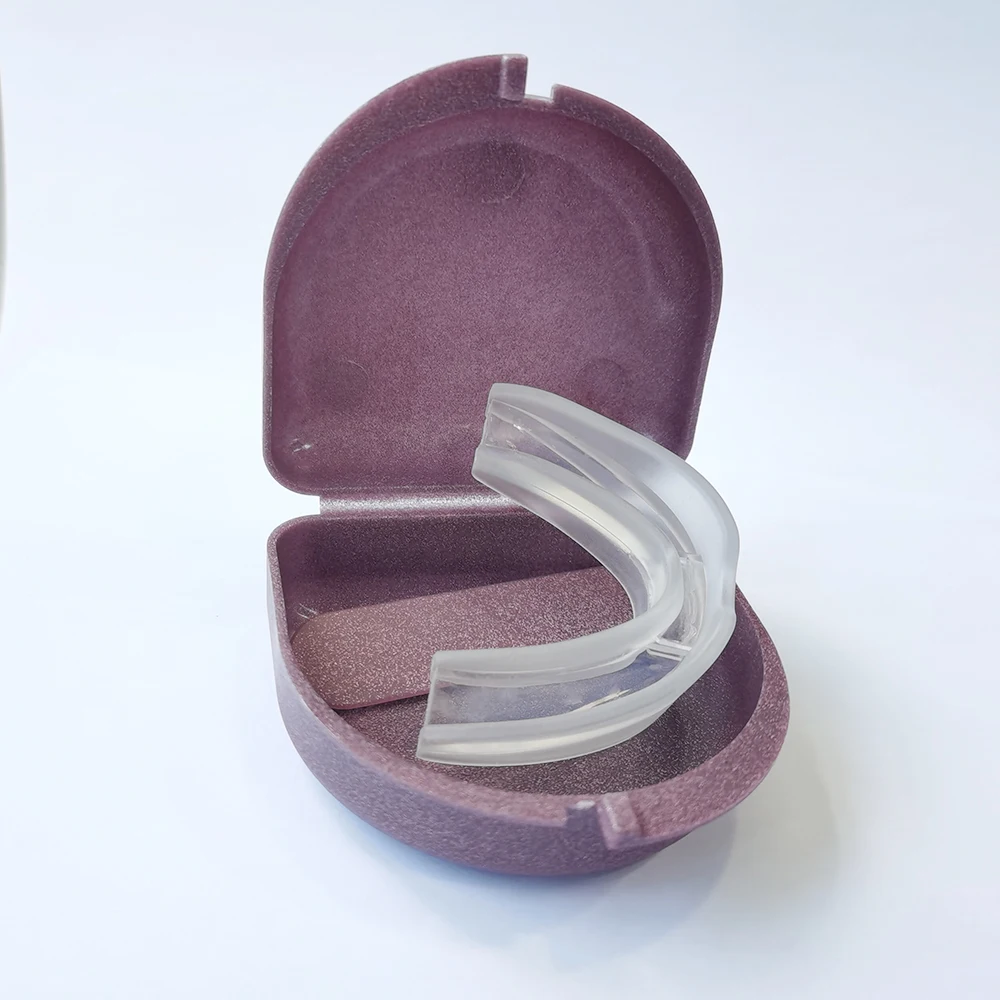
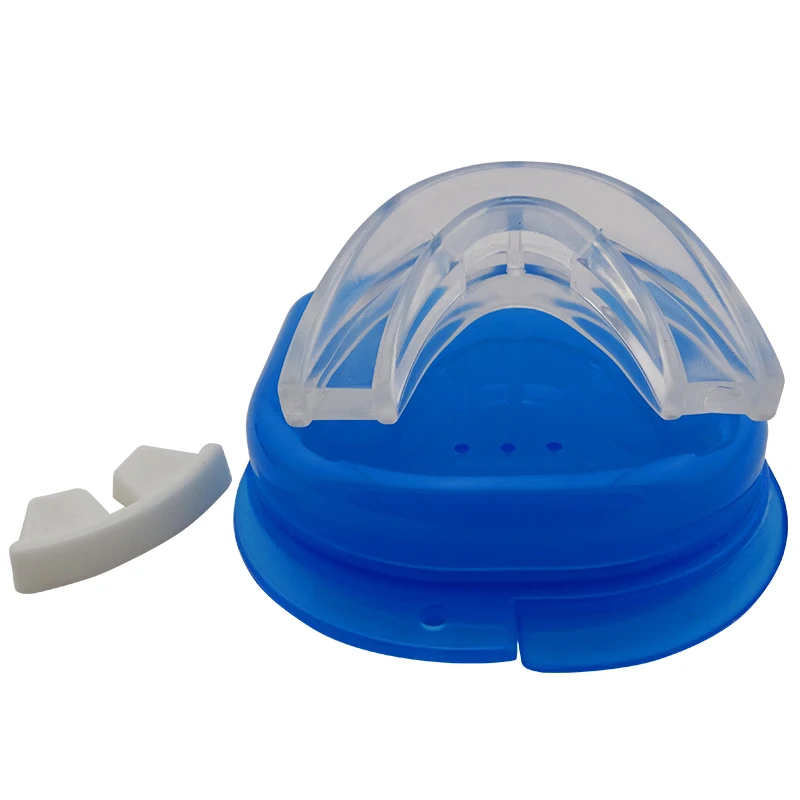
- Mandibular advancement devices (MADs): These hold the lower jaw slightly forward. The intent is to help keep the airway more open during sleep for appropriately assessed adults.
- Tongue-retaining devices: These aim to hold the tongue forward. They may suit some people who cannot comfortably move the jaw forward, but tolerance varies.
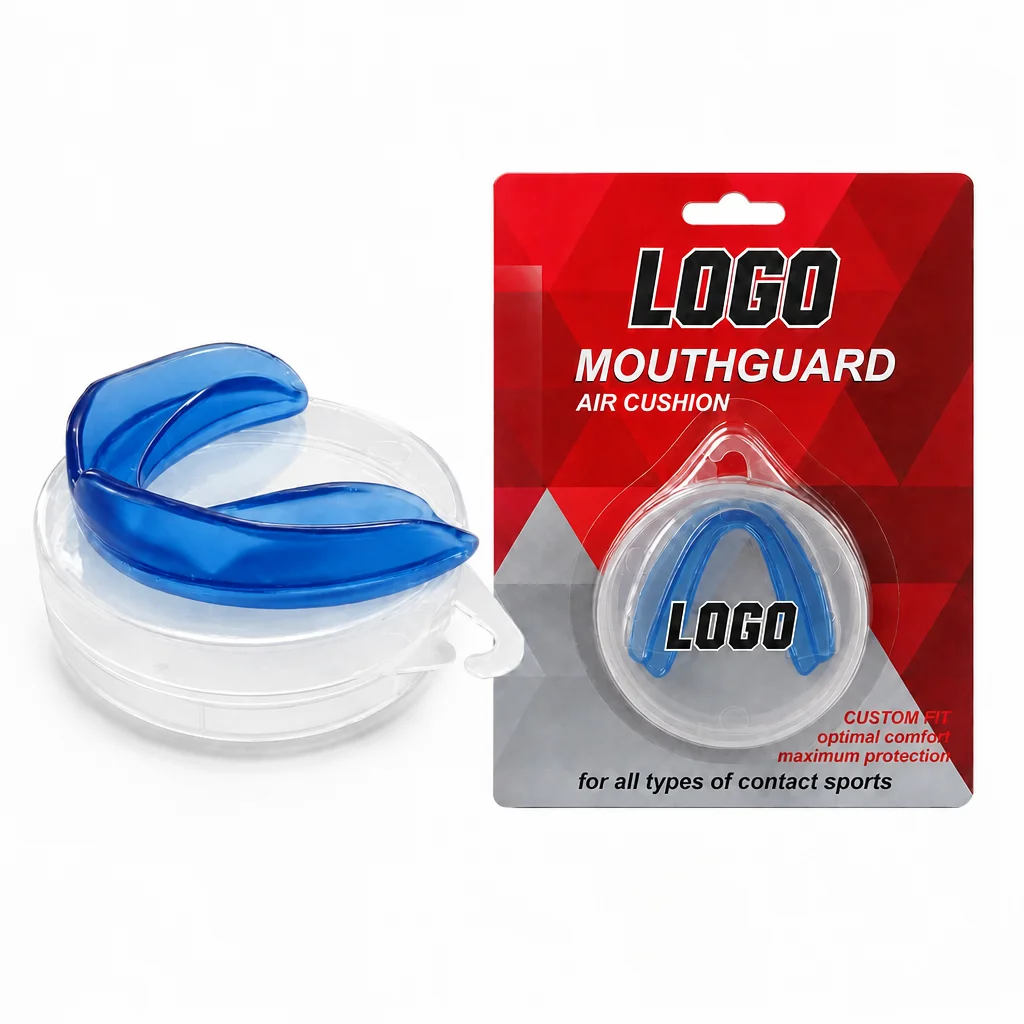
- Night guards for grinding: A bruxism guard protects teeth but is not automatically an anti-snoring appliance. Do not assume one product performs the other’s job.
Professional sleep-medicine guidance describes oral appliances as devices that may protrude and stabilize the mandible to help maintain an open airway. That is why a buyer should identify the intended mechanism instead of choosing by appearance, a blanket comfort claim, or a generic “mouthguard” label.
Check Whether a Mouthpiece Is a Sensible Next Step
Before comparing materials or packaging, consider the screening question: is the snoring uncomplicated, or could it signal obstructive sleep apnea? Primary snoring and sleep apnea are not interchangeable. A sleep physician can help establish the right context before oral-appliance therapy begins. This step is especially important for people with witnessed breathing interruptions, cardiovascular concerns, severe fatigue, or a history of jaw pain.
For an ecommerce team, pharmacy, clinic, or wholesale buyer, clear product communication matters here. Describe an anti snore mouthguard snoring aid as a product designed for a defined purpose, not as a promised treatment outcome. A responsible listing makes room for professional confirmation and avoids promising a particular outcome for every sleeper.
Prioritize Fit, Adjustability, and Comfort
Fit is where sleep comfort is won or lost. A device that feels acceptable for a few minutes may still cause tooth pressure, gum irritation, dry mouth, excess saliva, or jaw stiffness after several hours. Look for product information that explains fitting instructions, the adjustment method if one exists, cleaning guidance, and what to do if discomfort develops.
An adjustable design can be useful because jaw position is not one-size-fits-all. Clinical guidance distinguishes titratable appliances, which allow changes in mandibular protrusion, from non-adjustable designs that hold one position. That distinction does not prove that an adjustable retail product will work for every person, but it is a useful comparison point when reviewing an anti snore mouthguard snoring aid.
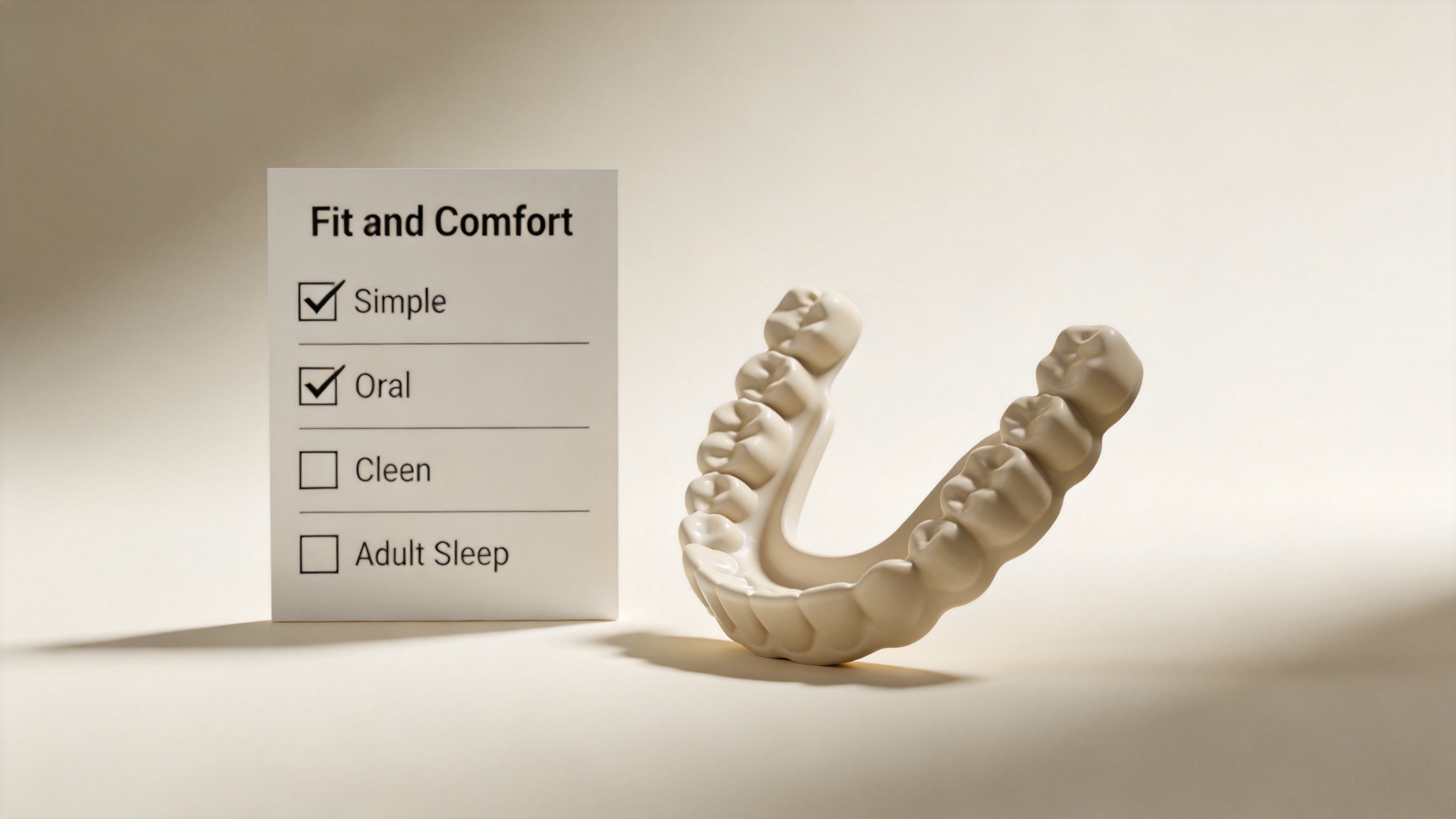
Use a Practical Product-Information Checklist
Whether you are buying one device or sourcing a range for a channel, request information that can be checked rather than relying on broad marketing language. The following questions make the comparison more useful:
| What to check | Why it matters |
|---|---|
| Intended mechanism | Clarifies whether the device advances the jaw, retains the tongue, or is only a teeth-grinding guard. |
| Fit process | Shows whether users receive clear molding, sizing, or follow-up instructions. |
| Adjustment range and limits | Helps users understand what can be changed and when to stop and ask for help. |
| Material and care information | Supports hygiene, replacement planning, and a more informed comfort discussion. |
| Warnings and referral guidance | Prevents an ordinary sleep aid purchase from being presented as a substitute for assessment. |
| Packaging and traceability | Gives wholesale and OEM/ODM teams a basis for reviewing labels, instructions, and market-specific documentation. |
The checklist also gives buyers a way to distinguish confirmed facts from claims that still need evidence. If material composition, dimensions, test documentation, or market-specific statements are not available, record them as open questions instead of filling the gap with assumptions.
Know the Signs That Call for Professional Review
Comfort should not be judged only by whether the device stays in place. Stop using a mouthpiece and seek advice if it causes persistent jaw pain, tooth movement concerns, bite changes, significant gum soreness, or worsening sleep. People with dentures, active dental problems, temporomandibular joint symptoms, or complex medical histories should ask a qualified clinician before trying an anti snore mouthguard snoring aid.
It is also sensible to ask who will provide fitting and follow-up. Mayo Clinic notes that selected patients exploring oral appliances for obstructive sleep apnea should see a dentist experienced in dental sleep medicine appliances for fitting and follow-up. That level of support may not be necessary for every retail purchase, but it illustrates why fit, follow-up, and an honest symptom history belong in a careful decision.
How to Compare Options Without Chasing Superlatives
A useful comparison ranks evidence and suitability above dramatic promises. Start with the intended user, the likely cause of snoring, the device mechanism, and the availability of clear instructions. Then compare return or support policies, cleaning requirements, and the completeness of product documentation. For procurement teams, include the ability to review labels, instructions, packaging details, and any required market documentation before describing a line as ready for sale.
For OEM/ODM discussions, the same discipline applies. Confirm the product category, material documentation, customization scope, packaging requirements, and review process for health-adjacent claims. A well-organized brief can mention that the range includes an anti snore mouthguard snoring aid, but it should not turn unverified specifications or clinical outcomes into sales copy.
Frequently Asked Questions
Can any night guard reduce snoring?
No. A standard guard for teeth grinding and an anti-snoring mouthpiece have different intended functions. Verify the mechanism and seek professional guidance when symptoms suggest sleep apnea or another condition.
How long does it take to get used to an anti snore mouthguard snoring aid?
Adjustment varies. Mild short-term awareness may occur, but ongoing pain, bite changes, or disrupted sleep are reasons to stop and consult a professional. Follow the manufacturer’s instructions rather than forcing a fit.
Is a lower price a reliable measure of suitability?
Not necessarily, but price alone does not establish suitability. Compare the quality of instructions, fit information, support, warnings, and verifiable product documentation.
A Safer Way to Choose for Sleep Comfort
A suitable anti snore mouthguard snoring aid is one chosen for the correct purpose, with realistic comfort expectations and an appropriate safety boundary. Begin with symptom screening, identify the device mechanism, review fit and adjustment information, and favor transparent instructions over oversized promises. Used thoughtfully, an oral appliance may be one part of a more comfortable nighttime routine; it should not replace professional evaluation when warning signs are present.


 Hot News
