 EN



How To Choose The Best Custom Made Mouthguard For Sports For Professional Athletes?
For a professional athlete, a mouthguard is not a generic accessory to pick at the last minute. It has to stay where it belongs through movement, allow clear breathing and communication, and suit the actual exposure of the sport. That is why a custom made mouthguard for sports should be evaluated as a fit-and-use decision rather than a simple purchase. A well-organized selection process also gives coaching staff, team managers, and athletes clearer questions to take to a dentist or qualified provider.
The American Dental Association recommends a properly fitted mouthguard for sporting or recreational activities with a meaningful risk of dental or orofacial injury. It identifies a broad range of contact and collision activities—including football, rugby, lacrosse, combat sports, basketball, soccer, hockey, and water polo—as settings where mouthguard use is recommended. The practical takeaway is not that every athlete needs the same design. It is that the guard must match the athlete, the sport, and the way it will actually be worn.
Start With the Athlete’s Sport and Exposure Profile
Before comparing materials, begin with the question that is often skipped: what happens during the athlete’s normal competitive session? A custom made mouthguard for sports should be specified around contact frequency, likely impact direction, training volume, and whether the athlete uses braces, retainers, or other dental appliances. A striker in a combat sport, a prop in rugby, and a goalkeeper in field hockey may all need oral protection, but their day-to-day demands are not identical.
- Collision and combat exposure: Ask how often direct facial contact, falls, or equipment contact occur and whether the guard must remain stable during repeated high-intensity bursts.
- Communication: Team athletes should test whether they can call plays, respond to coaches, and communicate with teammates while wearing the guard.
- Breathing pattern: Sprint-heavy, endurance, and intermittent sports place different demands on comfort and retention. A guard that an athlete removes during training is not a practical solution.
- Dental changes: New orthodontic work, restorations, or a changing bite can affect fit. These are reasons to seek individual professional assessment rather than simply reuse an old guard.
In other words, do not start with a product name. Start with the performance situation. That small shift turns a vague request for a “sports mouthguard” into useful information for a fitting appointment or a team procurement conversation.
What “Custom Made” Should Mean
A custom-made guard is made from the individual athlete’s dentition; the Academy for Sports Dentistry describes custom-made mouthguards as requiring dental expertise and special fabrication. This distinguishes a custom option from a prefabricated guard or a self-fitted boil-and-bite model. It does not mean that every custom guard automatically suits every athlete. The quality of the impression or scan, the prescribed design, and the athlete’s willingness to wear it all matter.
When assessing a custom made mouthguard for sports, ask the provider to explain the fitting workflow in plain language. How is the athlete’s dental anatomy captured? What happens if retention feels loose or pressure points appear? How will a change in dental treatment be handled? A clear answer is more useful than a broad claim about “maximum protection,” because it tells the athlete how fit will be checked and corrected.
Compare Fit, Retention, and Functional Comfort
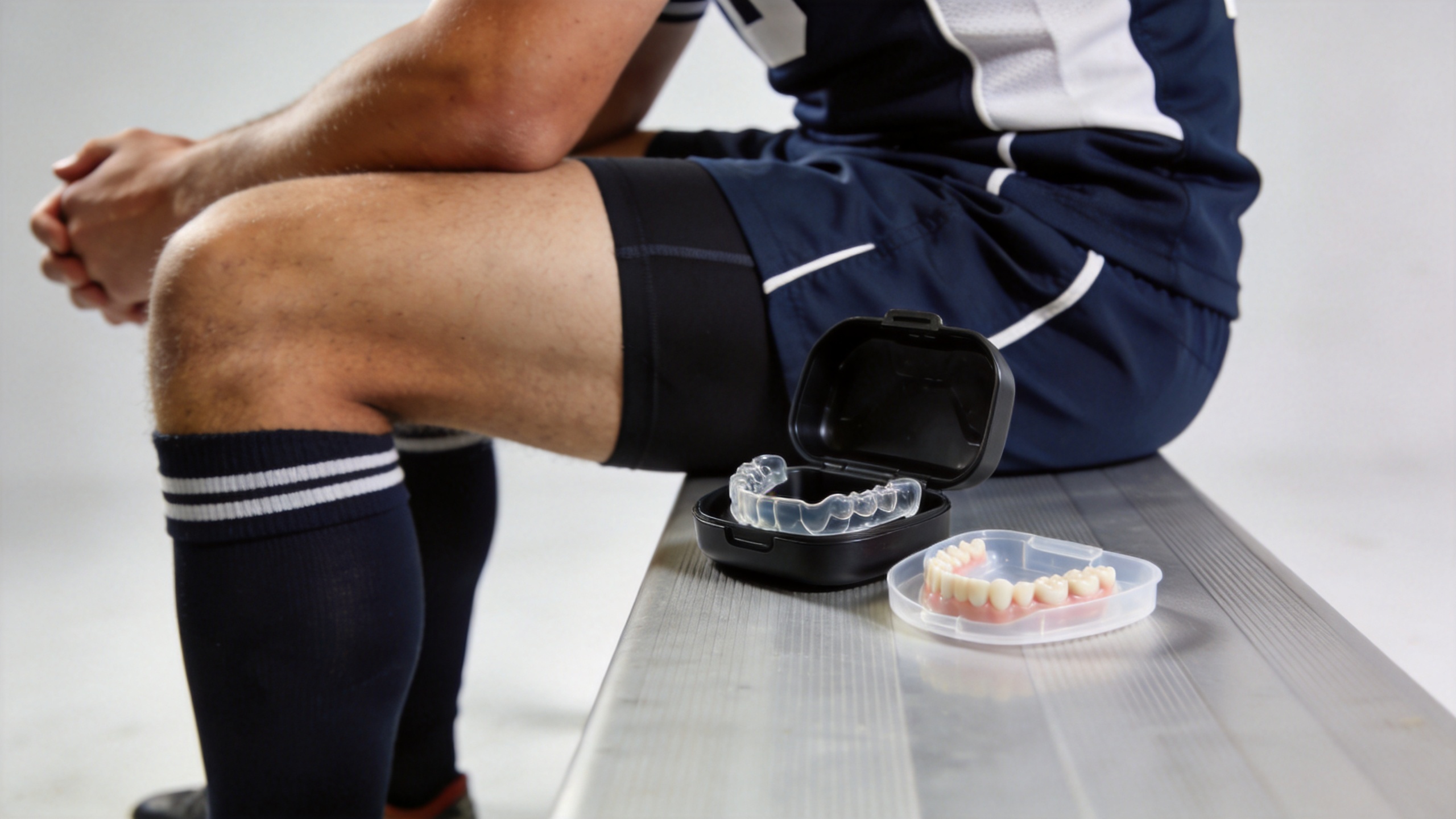
The right guard for a professional athlete is the one that remains securely seated without demanding constant jaw clenching. A secure fit may support reliable wear, but the athlete should judge it during sport-relevant movements rather than only while sitting in a clinic. If possible, test speech, controlled breathing, hydration breaks, and the motions that occur during training.
| Selection question | Why it matters in sport | What to confirm |
|---|---|---|
| Does it stay in place? | A guard that shifts can distract the athlete or be removed. | Retention at rest and during movement; adjustment process if it loosens. |
| Can the athlete speak clearly enough? | Communication is part of performance and safety in many team sports. | Trial it with normal calls, signals, and short instructions. |
| Does it interfere with breathing? | Comfort affects whether the guard is worn consistently. | Evaluate during an appropriate training session, not only a brief fitting. |
| Are there sore spots or sharp edges? | Irritation may cause poor compliance or require adjustment. | Report discomfort promptly rather than trimming the guard at home. |
Be cautious with marketing language here. “Comfortable” and “low profile” are experience terms, not guarantees. The athlete’s own fitting review and the provider’s assessment should decide whether a guard is appropriate.
Ask About Design Details Without Guessing at Specifications
Professional athletes and team buyers may be tempted to compare only thickness, color, or logo options. Those details can matter, but they are not a complete selection method. A more useful discussion asks how the proposed design relates to the athlete’s sport, dentition, and bite. The ADA notes that custom mouthguards can offer optimal fit and adaptability, while also recognizing that they require dental visits and are typically more costly than other options.
Request the details relevant to the actual order: the intended sport, fit process, cleaning instructions, expected review points, replacement guidance, and any available documentation. If a provider makes a specific material, testing, certification, or performance claim, ask for the documentation behind that claim. Do not infer a safety rating from a label, color, or a generic reference to “dental grade.”
Plan for Team Orders and Bulk Buy Decisions
A bulk buy can simplify logistics for a club, academy, or professional organization, but it should not turn individualized fit into a one-size-fits-all exercise. For a team order, create a roster-based workflow: identify each athlete, their sport position or exposure profile, current dental considerations, fitting status, delivery date, and follow-up contact. This is especially important when players join mid-season or receive orthodontic or restorative treatment.
Ask suppliers and clinical partners to separate what is confirmed from what still needs review. For example, a team can confirm quantities, color preferences, and delivery sequencing; an athlete-specific fit should remain subject to an individual assessment. The lowest unit price is not automatically the lowest operational cost if remakes, unclear fitting responsibilities, or missing care instructions create extra work later.
Make Sports Gear Work as a System
A mouthguard is one part of an athlete’s sports gear, not an isolated item. Include it in the same routine used for helmets, face protection, footwear, and hydration equipment: issue it, fit-check it, clean it, store it in a ventilated case, and inspect it periodically. Athletes should follow the care instructions provided for their specific guard. If the guard becomes damaged, distorted, loose, or painful, they should stop relying on it and seek review from the qualified professional who provided it.
For staff, a short pre-season and mid-season check can prevent small issues from becoming ignored habits. The point is not to make a medical judgment from the sideline. It is to notice practical signals—an athlete constantly removing the guard, visible damage, or a reported fit change—and route the athlete to appropriate professional advice.
A Practical Professional-Athlete Checklist
- Define the sport, position, contact exposure, and training demands.
- Disclose braces, recent dental work, jaw discomfort, or changes in bite to the appropriate dental professional.
- Choose a custom fitting pathway that captures the athlete’s individual dentition and includes an adjustment process.
- Test retention, speech, and breathing during relevant movement before treating the fit as final.
- For a bulk buy, track each athlete’s fitting and replacement needs separately.
- Keep care, storage, and follow-up instructions with the rest of the athlete’s sports gear.
Final Decision: Prioritize Wearability and Verification
The appropriate custom made mouthguard for sports is not defined by a universal slogan or a single feature. It is the guard that has been individually fitted, is appropriate for the athlete’s sport and dental circumstances, can be worn consistently, and comes with clear care and follow-up guidance. For professionals and teams, the strongest purchase decision combines athlete feedback with qualified dental input and documented product information.
This article provides general product-selection information and does not replace dental or medical advice. An athlete with pain, a damaged appliance, orthodontic treatment, recent dental work, or a change in fit should consult a qualified dental professional before deciding what to wear in training or competition.


 Hot News
