 EN


How To Choose The Best Mouth Guard For Contact Sports For Professional Athletes?
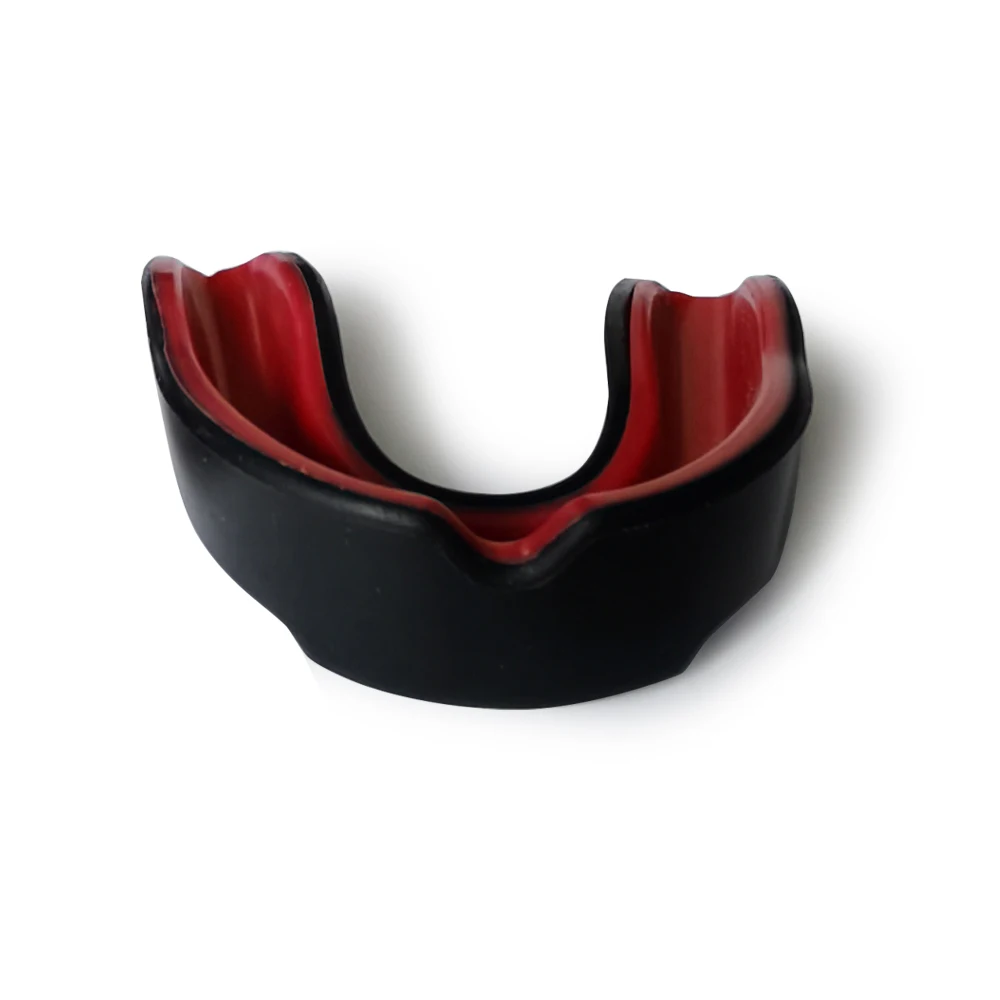
For a professional athlete, choosing a mouth guard for contact sports is not a matter of picking the thickest option on a shelf. The right decision starts with the demands of the sport, the athlete’s dentition, and whether the guard stays protective when the pace rises. From a procurement and fit-assessment perspective, the useful order is simple: define the exposure, verify the fit, then confirm the specifications that still need professional review.
That distinction matters because a mouth guard for contact sports must be worn consistently to be useful. The American Dental Association recommends properly fitted mouthguards for sporting and recreational activities with a substantial risk of dental trauma or orofacial injury. Its guidance also emphasizes retention, coverage of the dental arch at greatest risk, and protection for lips and cheeks. In other words, a guard that is left in a kit bag, held in place by constant biting, or incompatible with the athlete’s dental situation is not a practical answer.
Start With the Actual Contact Profile
Do not begin with product names alone. Start with the moments when impact is likely: direct facial contact, collisions, falls, sticks or balls, elbows in close play, or repeated clinch pressure. Boxing, rugby, ice hockey, lacrosse, football, martial arts, wrestling, and high-contact basketball situations can create different loading patterns and communication demands.
For a mouth guard for contact sports, a professional athlete should discuss these questions with the team dentist or qualified dental professional:
- Is contact occasional, expected, or sustained throughout competition?
- Does a helmet, face shield, or other protective equipment change the available space or the fitting process?
- Does the athlete wear braces, retainers, fixed dental work, implants, or have a history of oral injury?
- Must the athlete communicate frequently, hydrate quickly, or breathe heavily through the mouth during play?
This is a useful shift from “Which guard should I choose?” to “Which fit-and-coverage approach is appropriate for this athlete and sport?” It also prevents a common mistake: treating a sports guard as interchangeable with a night guard, whitening tray, or any other oral appliance.
Compare the Three Main Fit Routes
Most choices fall into three broad routes: stock guards, boil-and-bite guards, and custom-made guards. None should be advertised as universally right; the practical difference is how reliably the final shape, retention, and coverage match the wearer.
| Type | What to assess | Professional-use consideration |
|---|---|---|
| Stock / ready-made | Basic size availability and whether it remains in place | Often the least tailored route; confirm that it does not require clenching to retain. |
| Boil-and-bite | Correct heating and molding, even adaptation, comfort, and retention | Can be a practical option when molded exactly as instructed, but outcome quality varies with fit and material handling. |
| Custom-made | Dental-professional assessment, coverage, retention, and planned adjustments | Often worth evaluating for elite or frequent-contact athletes, especially where the dental situation is complex. |
The American Academy of Pediatric Dentistry describes boil-and-bite guards as thermoplastic products shaped after heating and notes that protection, retention, comfort, and cost can vary. For an adult professional athlete, that is not a reason to dismiss them automatically. It is a reason to test the finished fit honestly rather than assuming that the molding step solved every issue.
Use Retention as a Non-Negotiable Check
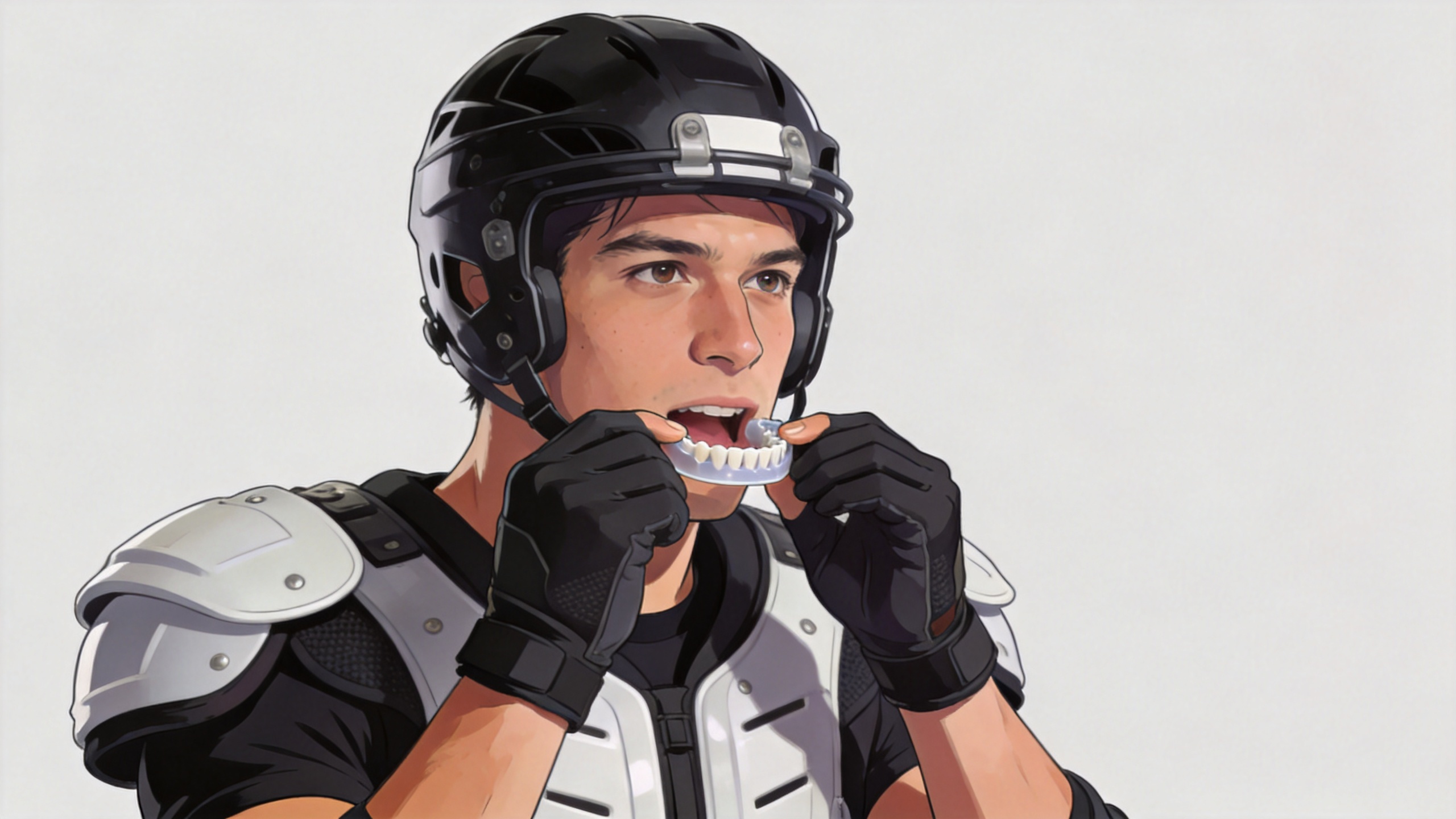
A well-chosen mouth guard for contact sports should remain seated without the athlete constantly clenching to hold it in position. Ask the athlete to speak, breathe, move the jaw through sport-relevant motions, and remove and reseat the guard. If it shifts easily, creates sharp pressure points, or feels bulky enough to discourage use, the fit needs reassessment.
Retention also affects decision-making during fatigue. A guard that seems acceptable while standing still may become distracting during repeated sprints, sparring rounds, scrums, or transition play. For a dental sports mouth guard, comfort is not merely a preference; it is part of the wearability test that supports consistent use.
Check Coverage, Thickness, and Edge Comfort Together
Professional athletes sometimes focus on thickness alone. Yet a meaningful review looks at coverage, material distribution, edge finish, and how the guard sits against the teeth and soft tissues as a system. The ADA notes that adequate retention helps provide a resilient protective surface over the dental arch at highest risk, typically the maxilla, while also helping protect lips and cheeks.
Specific thickness recommendations should be individualized. A supplier or teammate should not turn a general measurement into a prescription for every athlete, especially for someone with orthodontics, restorative work, jaw symptoms, or a prior injury. Ask the dental professional what coverage and design features are appropriate, then verify the actual delivered guard against that conversation.
Do Not Ignore Breathing and Communication
At professional level, a guard that interferes with breathing, calls, or hydration may be removed at exactly the wrong time. During trial fitting, have the athlete perform a short sport-specific test: call a play, inhale through the mouth, take a sip, and recover after an elevated effort. A mouth guard for contact sports does not need to feel invisible, but it should not make normal sporting tasks unreasonably difficult.
This is also where a boxing mouthpiece may need a different practical review from a guard selected for a helmeted field sport. The same basic questions—fit, retention, coverage, and comfort—apply, but the pattern and duration of contact, coaching communication, and expected jaw movement can differ.
Plan for Braces, Dental Work, and Season Changes
Orthodontic appliances, new crowns, restorations, tooth movement, and changes in the athlete’s bite can all affect fit. For athletes with braces or recent dental treatment, a dental professional should guide selection and follow-up rather than relying on a generic fit claim. If a guard no longer seats fully, feels tight in a new area, or develops damage, it should be checked before the next contact session.
Teams can make this process more reliable by keeping a simple issue log: fitting date, sport use, discomfort reports, replacement date, and any relevant dental changes. This is especially useful when an equipment manager is coordinating a group order or comparing best boxing mouth guard samples for a combat-sport squad. The log supports a clearer conversation; it does not replace clinical assessment.
Ask Suppliers Questions That Produce Verifiable Answers
For clubs, distributors, clinics, and ecommerce buyers, use a specification-first inquiry. Ask what the product is designed for, how the fit process works, what material information is available, how cleaning and storage instructions are supplied, and what evidence supports any stated certification or testing claim. If a claim cannot be documented, do not repeat it as a fact in athlete-facing copy.
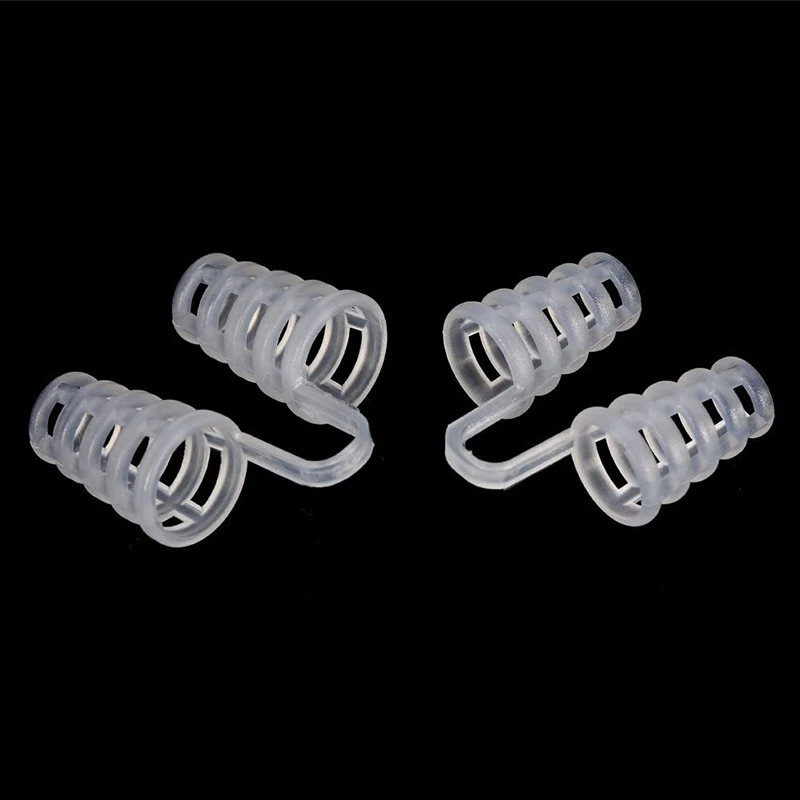
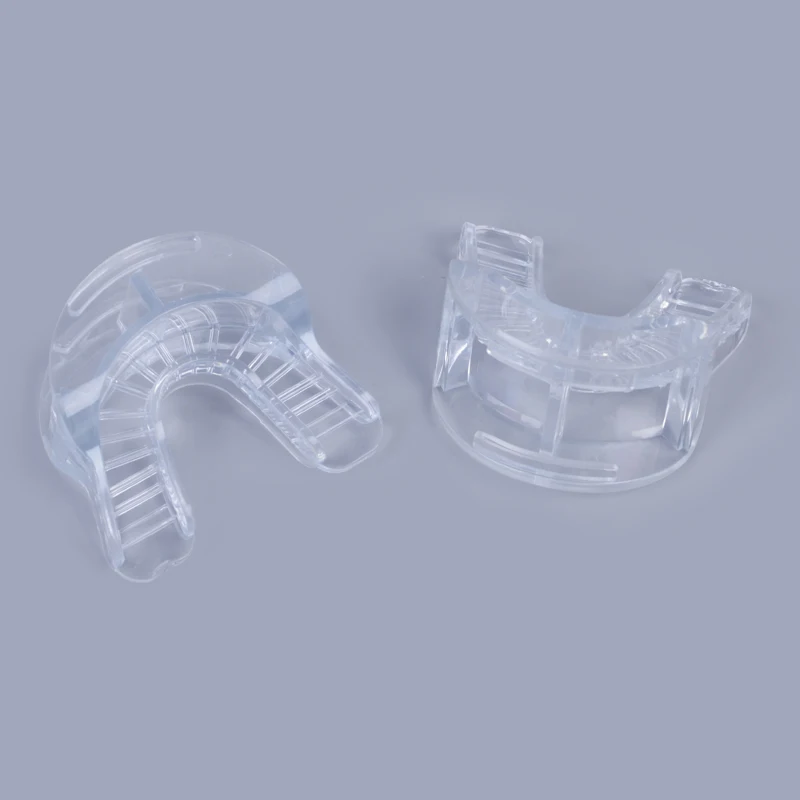
Xiamen Yizhou Imp. & Exp. Co., Ltd. serves markets that include sports mouthguards alongside other oral-care product categories. When reviewing any supplier, keep the intended use clear: a sports-protection product should be evaluated for sports use, not inferred from the capabilities of a snoring appliance or whitening tray.
A Professional Athlete’s Final Selection Checklist
- Match the guard to the contact profile and governing-body or team requirements.
- Confirm it is appropriate for the athlete’s teeth, dental work, and orthodontic status with a qualified dental professional.
- Test whether it stays in place without clenching.
- Check coverage, smooth edges, comfort, speech, breathing, and hydration access.
- Follow the manufacturer’s fitting, cleaning, storage, and replacement instructions.
- Replace or reassess the guard after damage, significant bite changes, orthodontic adjustments, or fit problems.
The strongest choice is rarely the one with the loudest claim. It is the mouth guard for contact sports that fits the athlete’s real exposure, remains wearable through competition, and has been reviewed with appropriate dental guidance. That conditional approach gives professional athletes a more dependable basis for choosing protection without promising a one-size-fits-all outcome.



 Hot News
