 EN


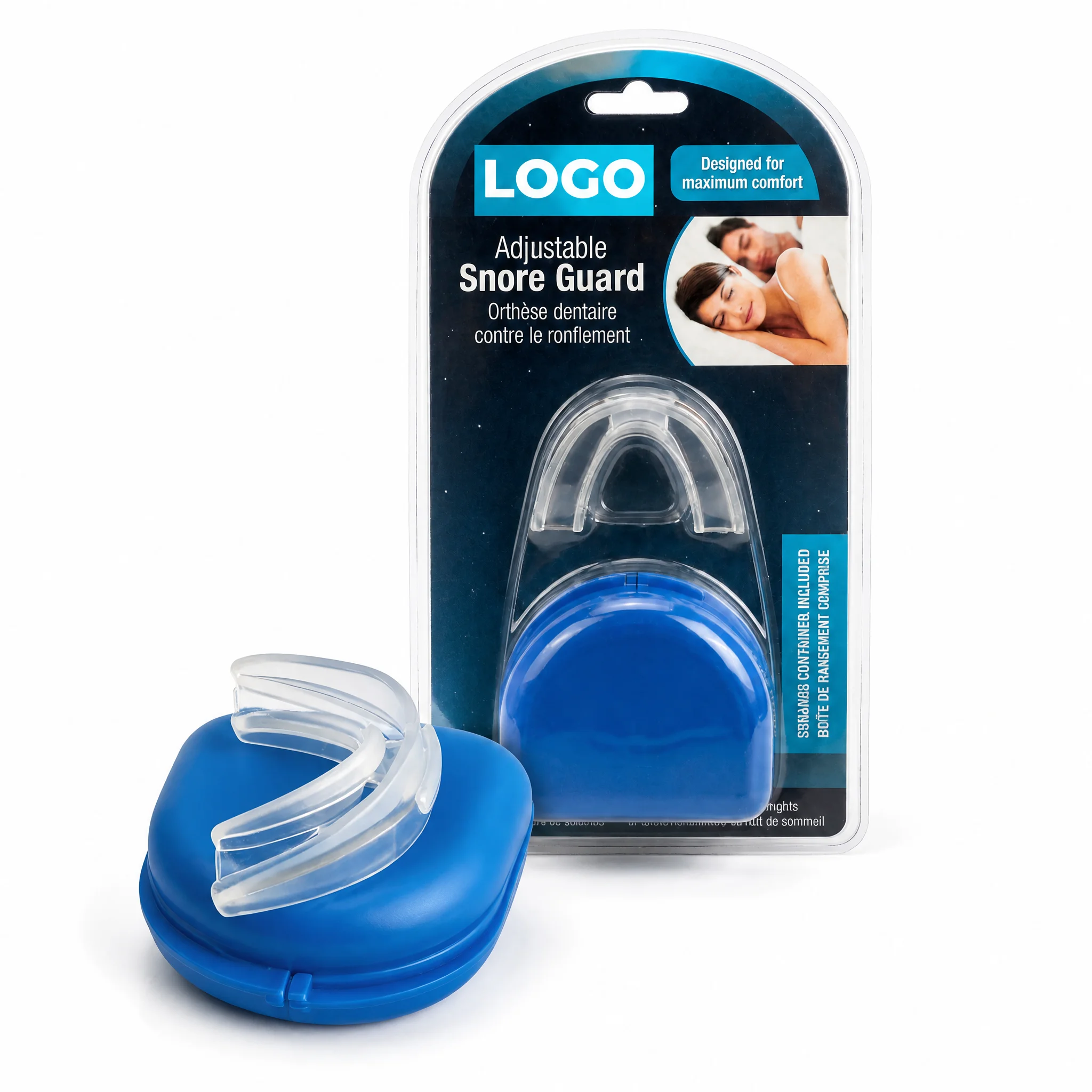
How Can High-Quality EVA Mouth Guard Prevent Sleep Bruxism Damage?
Sleep bruxism can put repeated pressure on teeth night after night. A well-made EVA mouth guard does not promise to stop the habit itself, but it can create a protective barrier between the upper and lower teeth. That distinction matters: the goal is to reduce the opportunity for tooth-on-tooth wear, chipping, and overload while a qualified dental professional helps assess the underlying pattern.
As an oral-health product advisor, I would start with the use case rather than a material label. An EVA mouth guard may be a sensible option when it is designed for overnight use, fits securely, has appropriate coverage, and is reviewed for the wearer’s symptoms. Material quality is important, but fit, thickness control, finishing, and follow-up determine whether a guard performs as intended.
What sleep bruxism can do to teeth
Bruxism refers to grinding, clenching, or forceful jaw activity. It may occur during sleep without the person noticing it. The effects can include flattened biting surfaces, chipped restorations, tooth sensitivity, sore jaw muscles, and morning headaches. Not every symptom has the same cause, and a guard is not a diagnosis. Still, separating the teeth during sleep can help limit direct contact and protect vulnerable surfaces from further mechanical wear.
A dental mouth night guard is therefore a protective appliance. It is not a cure for stress, a sleep disorder, bite changes, or jaw pain. Persistent pain, broken teeth, locked jaw movement, loud snoring, or daytime fatigue deserves professional evaluation rather than a material-only solution.
Why EVA can work as a protective layer
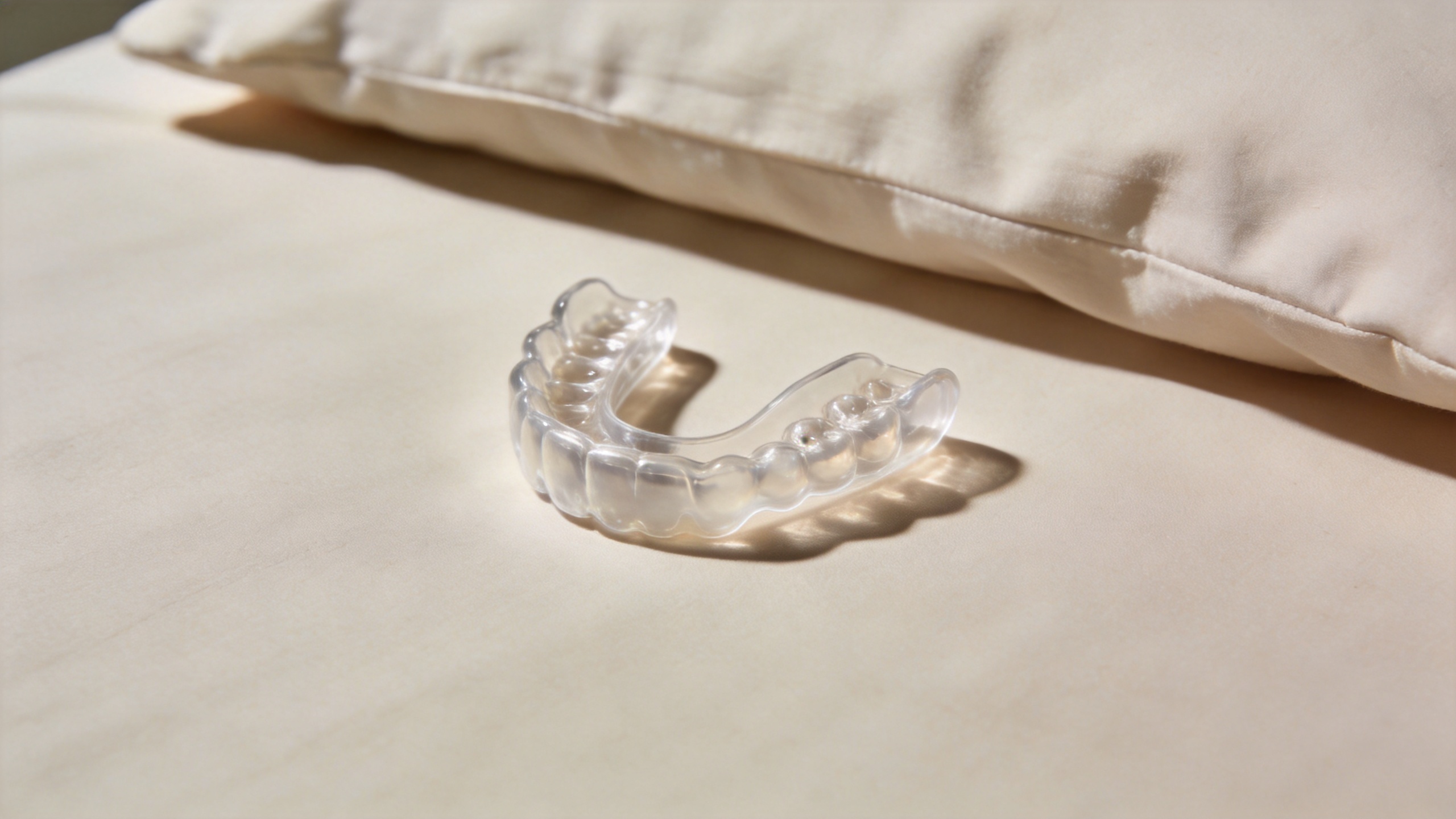
EVA, short for ethylene-vinyl acetate, is valued in mouthguard applications because it is flexible and cushioning. Mechanical research on EVA used for mouthguards and interocclusal splints has reported force-dissipation and shock-absorbing potential. In practical terms, an EVA mouth guard can help spread contact forces through the appliance instead of allowing hard tooth surfaces to meet directly.
That is a qualified benefit, not a blanket claim. The material does not “absorb all grinding force,” and it cannot guarantee prevention of every crack, restoration failure, or muscle symptom. A thin, poorly formed, or loose guard may offer less consistent separation than an appliance with a stable fit and carefully controlled thickness.
How a high-quality EVA mouth guard reduces damage risk
1. It maintains separation between opposing teeth
The basic protective mechanism is simple: when the teeth cannot make direct hard contact, repeated rubbing and loading are less likely to wear enamel or restorations in the same way. A properly retained EVA mouth guard should stay in place during ordinary sleep movement so that the protective surface remains where it is needed.
2. It cushions concentrated contact
Grinding forces may be unevenly distributed. A quality guard provides a resilient layer that can soften sharp contact points and distribute load across a broader appliance surface. This is especially relevant when a wearer reports wear on particular teeth or has restorations that need careful protection. The right design remains case-specific, so people with extensive dental work should ask their dentist which appliance style is appropriate.
3. It avoids rough edges that create new irritation
Protection is not just about the sheet material. A usable medical mouth night guard should have smooth, comfortable edges and a shape that does not dig into the gums, cheeks, or tongue. Rough trimming, sharp transitions, or poor edge finishing can discourage consistent wear and may cause irritation. Comfort is not a cosmetic extra; it affects whether the appliance is worn long enough to be useful.
4. It supports consistent overnight use
For many people, a slightly flexible material feels less intrusive than a hard appliance. Comfort alone does not prove suitability, but an appliance that is tolerable to wear is more likely to be used as directed. If a guard repeatedly falls out, causes gagging, alters the bite noticeably, or produces pain, stop treating it as a fit issue to ignore and seek professional advice.
Quality checklist: what matters beyond the EVA label
When evaluating an EVA mouth guard for sleep bruxism protection, use a practical checklist rather than relying on broad marketing language:
- Retention: It should seat securely without becoming difficult to remove.
- Coverage: It should cover the intended teeth and avoid exposed contact areas.
- Thickness consistency: Protection depends on the formed appliance, not merely the thickness of the unformed material.
- Edge finish: Edges should feel smooth and should not scrape soft tissue.
- Cleanability: The guard should be rinsed after use, cleaned as directed, dried fully, and stored in a ventilated case.
- Condition checks: Inspect for tears, deep grooves, deformation, odor, or changes in fit. Replace or review it when wear is evident.
A dental night guard should also be checked after dental treatment or major changes in symptoms. A guard that no longer fits correctly can create uneven contact or simply fail to protect the teeth it was meant to cover.
When an EVA mouth guard may not be enough
A softer EVA design may be useful for some wearers, yet it is not automatically the correct choice for heavy clenching, complex restorative work, or significant jaw symptoms. Material selection, thickness, bite design, and monitoring are clinical decisions. Avoid treating an over-the-counter or self-formed appliance as a substitute for care when symptoms are severe or progressing.
Consider a dental assessment if you notice cracked or loose restorations, escalating sensitivity, frequent headaches, jaw locking, new bite changes, significant facial pain, or sleep-related symptoms. A dentist can evaluate tooth wear, appliance fit, and whether other factors need attention.
The bottom line
A high-quality EVA mouth guard can help reduce sleep-bruxism damage by keeping teeth apart, cushioning contact, and providing a more forgiving protective layer. Its value comes from the complete appliance: suitable material, accurate fit, safe edge finishing, consistent wear, cleaning, and professional review when symptoms warrant it. Choose the guard as a protective tool, not as a promise to cure bruxism, and use changes in comfort or fit as a reason to reassess.


 Hot News
