 EN



How To Choose The Best Mouth Guard Wrestling For Professional Athletes?
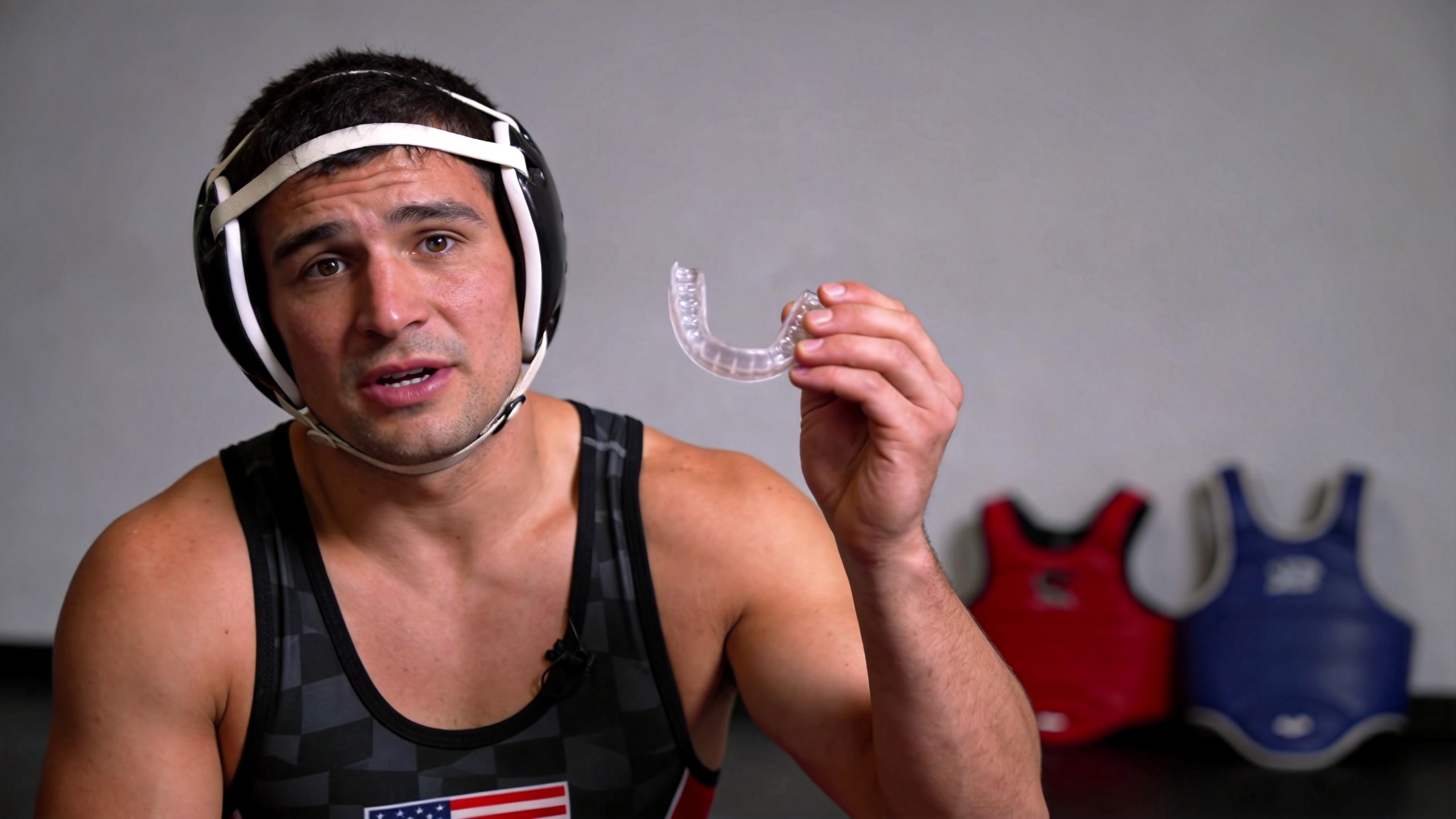
For a professional athlete, choosing a mouth guard wrestling setup is not about picking the thickest item on a rack. It is about selecting protection that stays in place through hand fighting, mat returns, scrambles, and hard breathing without becoming a distraction. From a sports-protection use perspective, the right choice begins with the athlete’s actual training and competition conditions, then moves to fit, retention, material information, and rule checks.
Wrestling is listed in the ADA’s athletic mouth-protector guidance, which makes a mouth guard wrestling decision a sensible part of a broader personal-protection routine. That does not mean one design fits every athlete or every event. A guard should be evaluated with your dentist or orthodontist when dental work, jaw symptoms, or a changing bite are involved, and with your coach or organizer when rules may apply.
Start With the Demands of Your Wrestling Environment
The first question is not “Which option suits me?” It is “What must this mouth guard wrestling option do during my hardest rounds?” A guard used only for occasional drilling may face different demands than one used during frequent live training, travel, and competition. Think through contact intensity, how often you remove the guard, whether you communicate with coaches between exchanges, and whether you have braces or other dental appliances.
That shift—from a product name to a use goal—prevents a common purchasing mistake. Sports gear can look similar in a product photo while behaving very differently once it is warm, wet, and repeatedly reseated during a session. Build your mouth guard wrestling shortlist around the conditions you can actually describe.
- Do you need a guard for regular contact training, sanctioned matches, or both?
- Will you wear it over fixed orthodontic appliances?
- Do you need to speak clearly during practice or respond to a coach quickly?
- Will you have time and access to clean and dry it between sessions?
Prioritize Retention Before Thickness
A useful mouth guard wrestling guard should stay seated when you open your mouth, breathe hard, or change head position. If it falls out every time an athlete talks or gasps for air, extra bulk is unlikely to solve the practical problem. Retention affects whether the guard is still in place when contact happens.
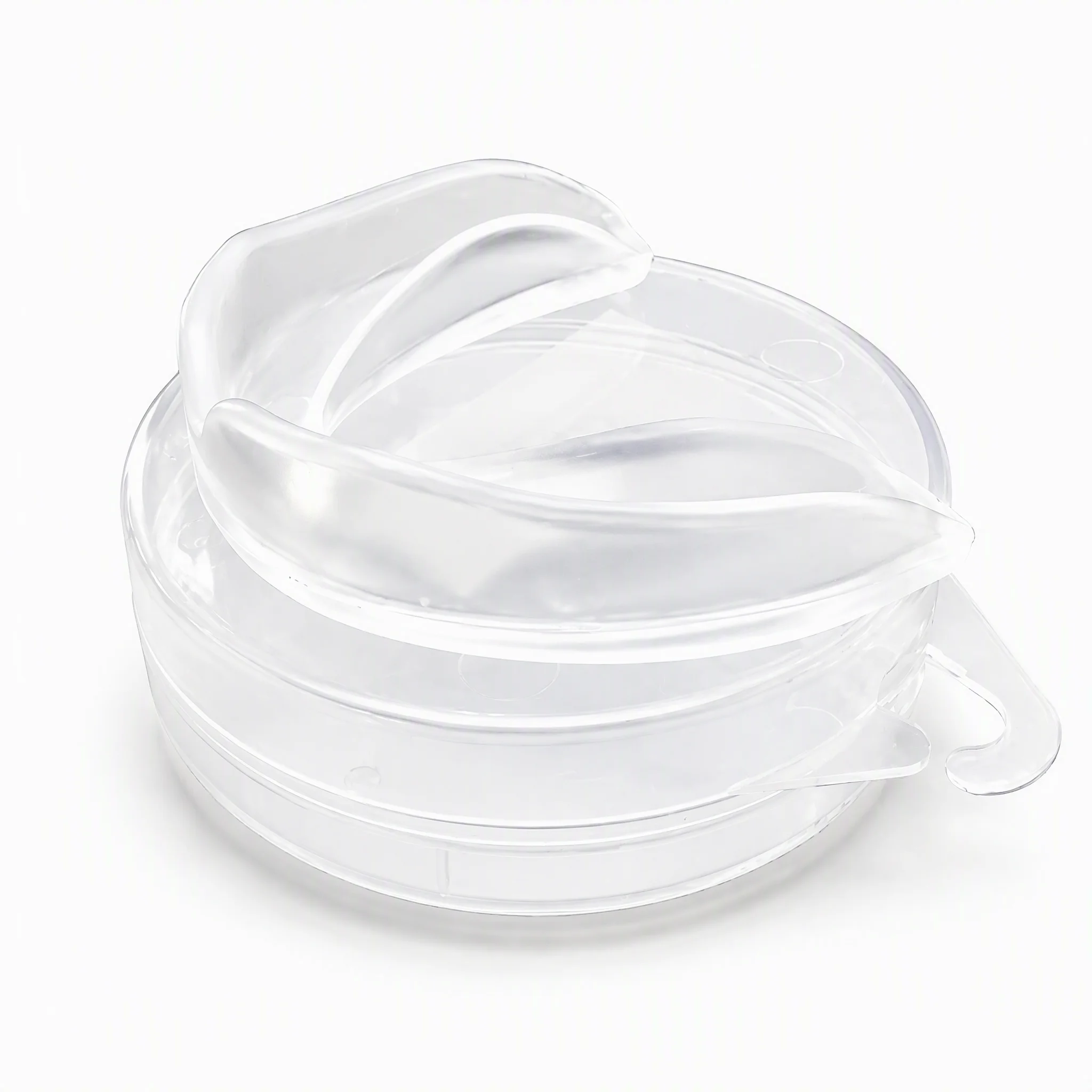
Custom-fitted guards are generally regarded by the Academy for Sports Dentistry as generally providing a highly precise fit because they are made over a cast of the athlete’s teeth. That makes a custom route worth considering for professionals who train often, have unusual dental contours, or struggle to keep generic guards seated. A properly formed boil-and-bite option can be a workable alternative for some athletes, but it deserves an honest fit test rather than an assumption based on price or packaging.
A quick retention check
With clean hands, seat the mouth guard wrestling guard as intended. Open your mouth, say a short sentence, take several controlled breaths, and move your head through safe training-like positions. If it loosens, pinches, causes a strong gag response, or requires constant clenching to remain in place, revisit the fit. Do not modify a guard around braces without guidance from the orthodontic provider.
Balance Breathing, Speech, and Protection
A professional should not accept the false choice between a secure mouth guard wrestling guard and usable breathing. Wrestling produces repeated bursts of effort, so a design that feels manageable during a calm mirror test may feel different late in a hard round. Try the guard during controlled training only after confirming it is suitable for you. Notice whether it remains seated as you breathe through the mouth, reset your posture, and receive instructions.
Comfort is not merely a luxury feature in sports gear. An uncomfortable guard is more likely to be chewed, removed early, or left in a gear bag. The right mouth guard wrestling option should not create sharp pressure points or interfere with existing dental treatment. Persistent pain, bleeding, loose teeth, or a bite change are reasons to stop using the guard and seek dental advice.
Choose a Material Conversation, Not a Marketing Claim
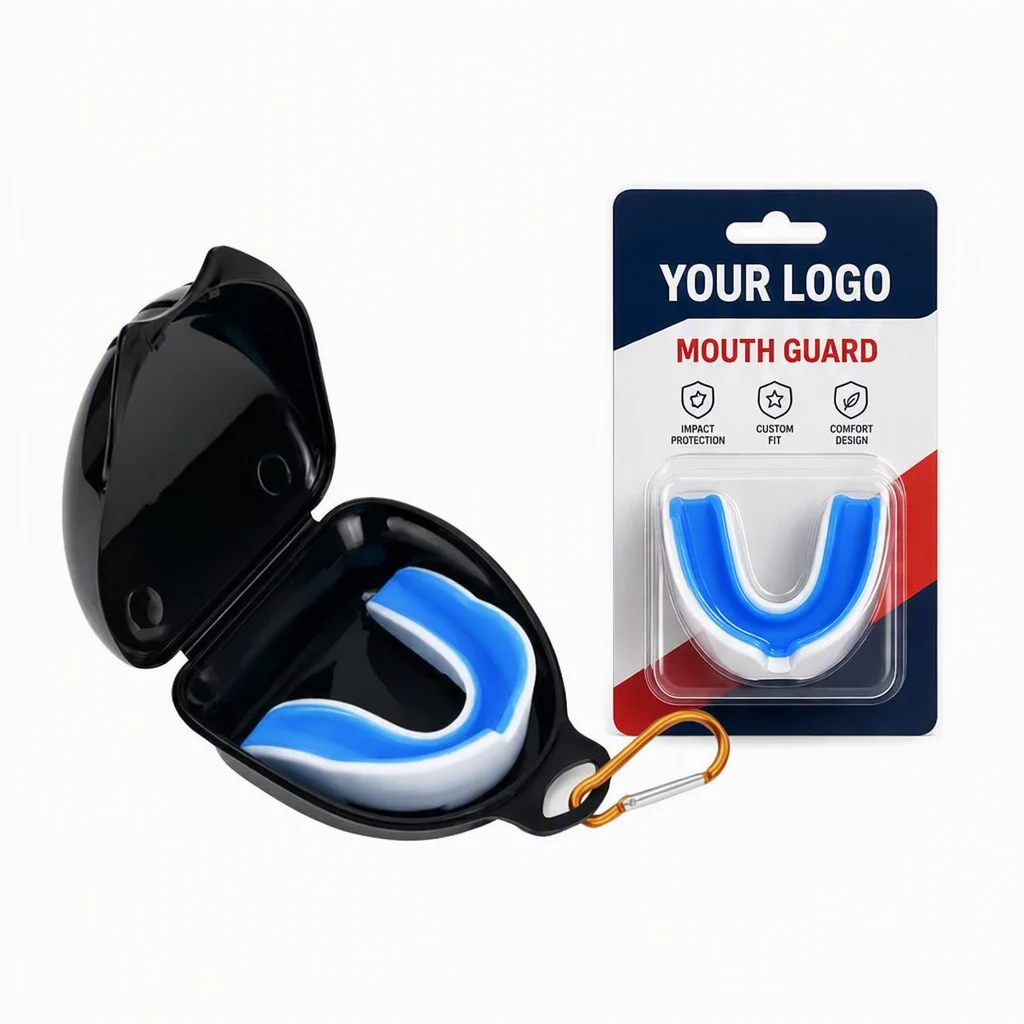
When comparing a mouth guard wrestling product, ask for clear material and care information from the manufacturer. Avoid treating vague phrases such as “medical grade” or “maximum protection” as proof of a specific performance level. Instead, request the material description, intended use, cleaning instructions, replacement guidance, and any relevant product documentation.
This is especially useful for teams, retailers, and procurement buyers. A manufacturer that can explain its product information consistently helps a buyer compare like with like. The decision is not just unit cost; it also includes cleaning expectations, replacement planning, packaging needs, and the time staff spend answering athlete questions. If an important specification is not documented, label it as unconfirmed rather than filling the gap with a guess.
Check Braces and Event Requirements Early
For an athlete with braces, a mouth guard wrestling purchase should start with the orthodontist’s instructions. Some organizers have specific requirements connected to fixed orthodontic appliances, while rules can differ across levels and events. Confirm the current requirement with the governing body or event organizer instead of relying on an old teammate recommendation or an online product description.
Guard fit can change as orthodontic treatment progresses. Reassess the mouth guard wrestling guard after adjustments, dental work, a major weight-management phase that changes comfort, or any noticeable change in how it seats. A replacement plan is more professional than waiting until a guard is visibly damaged or lost before thinking about the next one.
Use a Manufacturer Comparison Checklist
Before placing an order, give each mouth guard wrestling candidate the same review. This keeps marketing language from driving the decision.
| Question | Why it matters |
|---|---|
| Does it remain seated without constant clenching? | Retention supports practical use during contact. |
| Is the intended user and dental-appliance compatibility stated? | It helps avoid a mismatch in use conditions. |
| Are material, cleaning, and replacement instructions available? | Clear information supports consistent care. |
| Can the manufacturer provide accurate product documentation? | Teams and buyers need verifiable details, not unsupported promises. |
| Have current event rules been checked? | Requirements may differ by organizer and athlete situation. |
Make the Final Choice in Training, Not on the Product Page
A suitable mouth guard wrestling choice fits your verified dental situation, stays seated in controlled use, supports manageable breathing, and matches the current rules of your event. Begin with fit and retention, then compare documented material and care information, not exaggerated claims. A dentist or orthodontist can help when fit, braces, or oral symptoms complicate the decision.
For professional athletes and equipment buyers, this process turns a mouth guard wrestling purchase into a repeatable equipment decision: define the scenario, test fit responsibly, verify the information, and plan replacements. That is a more dependable approach than chasing a single label.


 Hot News
