 EN



How To Choose The Right Dental Mouthguard For Teeth Grinding?
If you wake with a tight jaw, tooth sensitivity, or a partner who hears grinding, choosing a dental mouthguard can feel more urgent than it sounds. The useful question is not simply “Which guard should I compare?” It is whether a particular dental mouthguard fits your teeth, your grinding pattern, and the information you have about your oral health. A guard may help create a protective barrier between upper and lower teeth, but it does not diagnose why grinding is happening. For persistent pain, broken teeth, loose restorations, or changing bite, start with a dental professional.
From a product-information perspective, a sound choice begins with intended use. A sports protector, a whitening tray, and a dental mouthguard for nighttime grinding may look similar at first glance, yet they are not interchangeable. Separate the goal—nighttime tooth protection—from the product format, fit method, and clinical questions. That distinction makes a purchase decision more practical and safer.
Start With the Purpose of a Dental Mouthguard
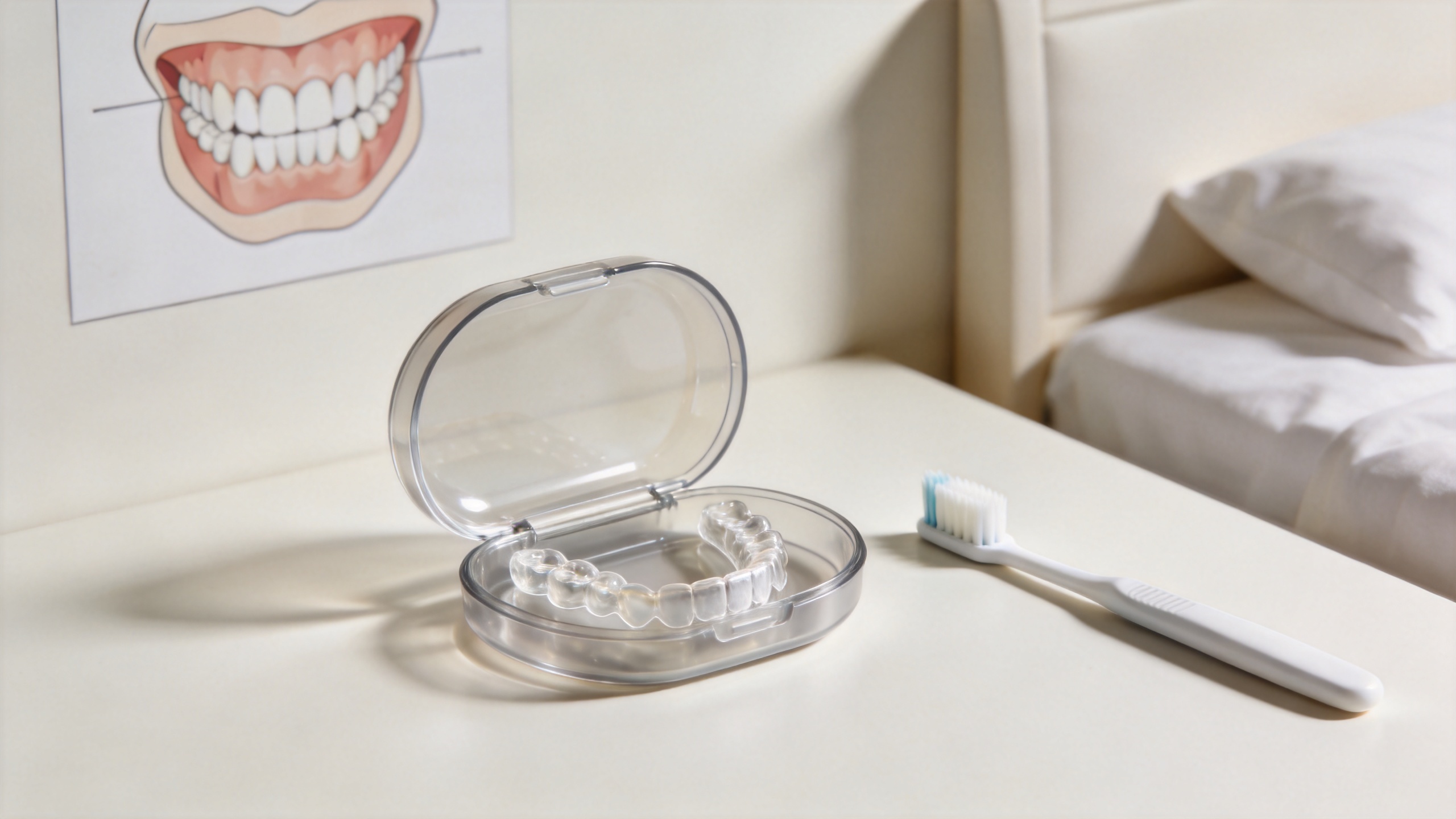
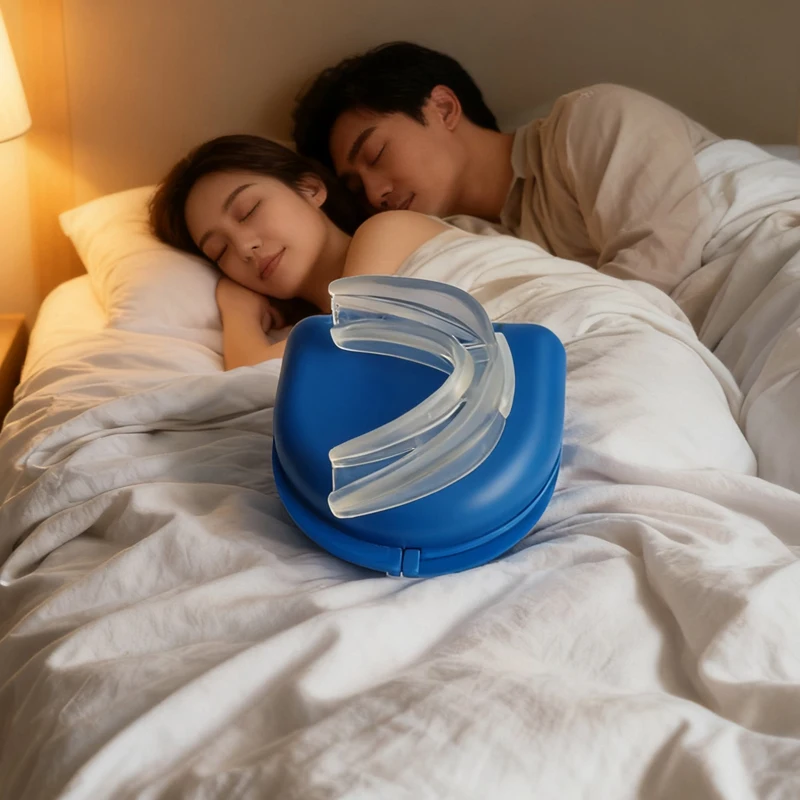
A dental mouthguard for teeth grinding is usually discussed as a night guard or occlusal guard. Its basic job is to place a protective layer between teeth during clenching or grinding. It should not be marketed as a cure for bruxism, jaw disorders, headaches, or sleep problems. Those concerns can have several causes and may need professional assessment.
Before comparing materials, write down what you notice: morning jaw fatigue, worn tooth edges, a cracked restoration, noise while sleeping, or a guard that repeatedly falls out. This short record helps clarify whether a ready-to-mold dental mouthguard might be worth discussing, or whether an exam and custom option make more sense. If you have gum disease, loose crowns or fillings, implants, missing teeth, orthodontic treatment, or recent dental work, do not assume a generic fit is suitable.
Compare Fit Before You Compare Price
Fit controls comfort, retention, and how likely you are to wear a dental mouthguard consistently. A loose device can shift, feel bulky, or be removed during sleep. A device that presses sharply against gums or changes how teeth meet needs attention rather than “breaking in.”
- Boil-and-bite options: These are molded at home. Follow the exact heating and fitting instructions, because overheating or incomplete molding can affect fit.
- Over-the-counter preformed options: These can be convenient, but a one-size shape may not match your arch or bite.
- Professionally made options: A clinician can assess the situation and arrange a custom-made dental mouthguard when appropriate. This is especially relevant when dental work, a changing bite, or significant wear is involved.
Here is a practical test: after fitting, the dental mouthguard should stay in place without painful pressure, obvious rocking, or the need to clench to hold it. It should also allow normal breathing. If it causes new pain, gagging, or a noticeable bite change, stop using it and ask for advice.
Choose Material and Thickness for the Situation
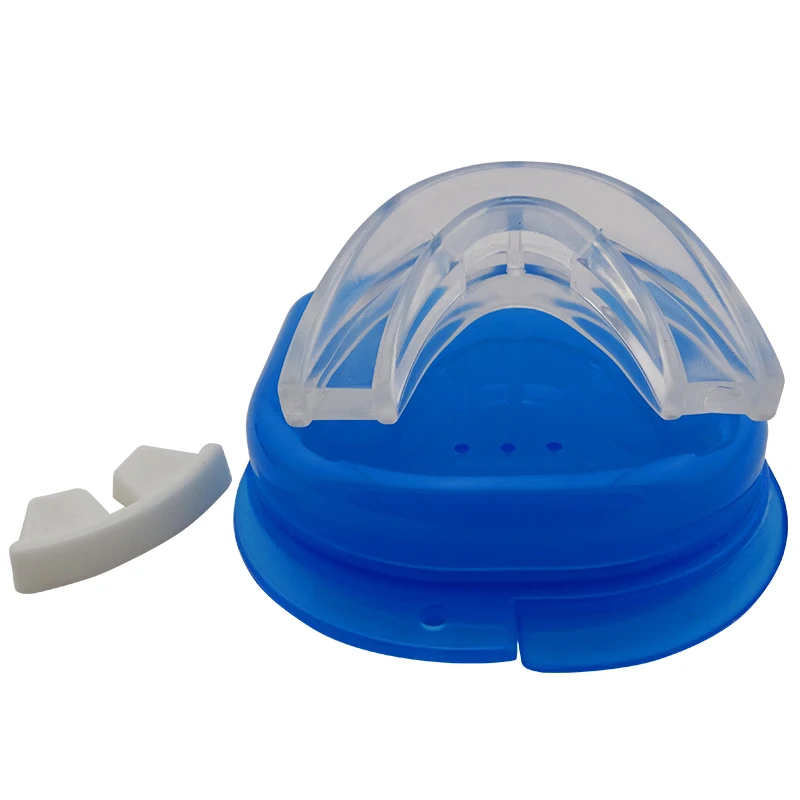
Material discussions often use terms such as soft, hard, and dual-layer. Soft options may feel easier to tolerate for some users, while firmer materials are often selected where durability and bite stability are priorities. A dual-layer dental mouthguard combines different feel characteristics, but the label alone does not tell you whether it is right for an individual.
Do not choose only by the thickest-looking model. Thickness affects bulk, speech, breathing comfort, and the way the guard seats over teeth. The better comparison is whether the manufacturer clearly states intended use, material information, molding method, care instructions, and replacement guidance. If those basics are missing, a low factory price is not enough information to judge the product.
Use a Simple Dental Mouthguard Checklist
- Confirm the use case. Is this specifically a night-time dental mouthguard for grinding, not a sports guard?
- Check dental history. Note restorations, braces, implants, gum concerns, missing teeth, or current treatment.
- Review fit instructions. The package should explain sizing, molding, insertion, and what to do if fit is uncomfortable.
- Read material and care details. Look for cleaning guidance, storage instructions, and clear replacement advice rather than vague claims.
- Set a review point. If symptoms persist, the guard is damaged, or your bite feels different, seek dental guidance.
This checklist keeps a dental mouthguard decision grounded in usable information. It also prevents an easy mistake: treating a consumer product description as personal medical advice.
What Buyers Should Ask When Comparing Factory Price and Wholesale Offers
For clinics, pharmacies, marketplaces, and distributors, factory price and wholesale are commercial terms, not quality evidence. A lower unit quote can be useful only after the product specification is comparable. Ask suppliers for the intended-use statement, material identification, available sizes or molding instructions, individual packaging details, cleaning information, and the documentation supplied for the target market.
A dental mouthguard listing should also distinguish confirmed product facts from claims that require independent verification. For example, do not infer clinical suitability from a photo, a generic “premium” label, or a similar-looking sports product. In wholesale evaluation, request samples and review the labeling sequence before committing to a larger order. This is usually more informative than comparing a headline factory price alone.
Know When a Dental Mouthguard Needs Professional Input
General product guidance has limits. Arrange professional advice if you have tooth pain, swelling, bleeding gums, a cracked tooth, loosened dental work, difficulty opening your mouth, severe jaw pain, or a guard that no longer fits. A dental mouthguard can be part of a protective plan, but it should not delay care for symptoms that are getting worse.
The same applies when grinding is accompanied by loud snoring, breathing concerns, or major sleep disruption. A night guard and a device intended for other sleep-related purposes are different products. Ask a qualified professional which path is appropriate rather than adapting one device for another purpose.
Make the Final Choice
The right dental mouthguard is the one whose purpose, fit process, material information, and care instructions match your situation—and whose limits are clearly stated. Start with fit and dental context, then compare material and supplier documentation. For individual users, comfort and professional guidance matter more than a fast purchase. For wholesale buyers, verified specifications and clear labeling matter more than an isolated factory price.
In short, choose a dental mouthguard as a protective product, not as a promise of a diagnosis or cure. If the product does not fit well or your symptoms are changing, that is useful information: pause, reassess, and get appropriate dental advice.


 Hot News
