EN



How To Choose The Right Mouthguards For Adults For Teeth Grinding?
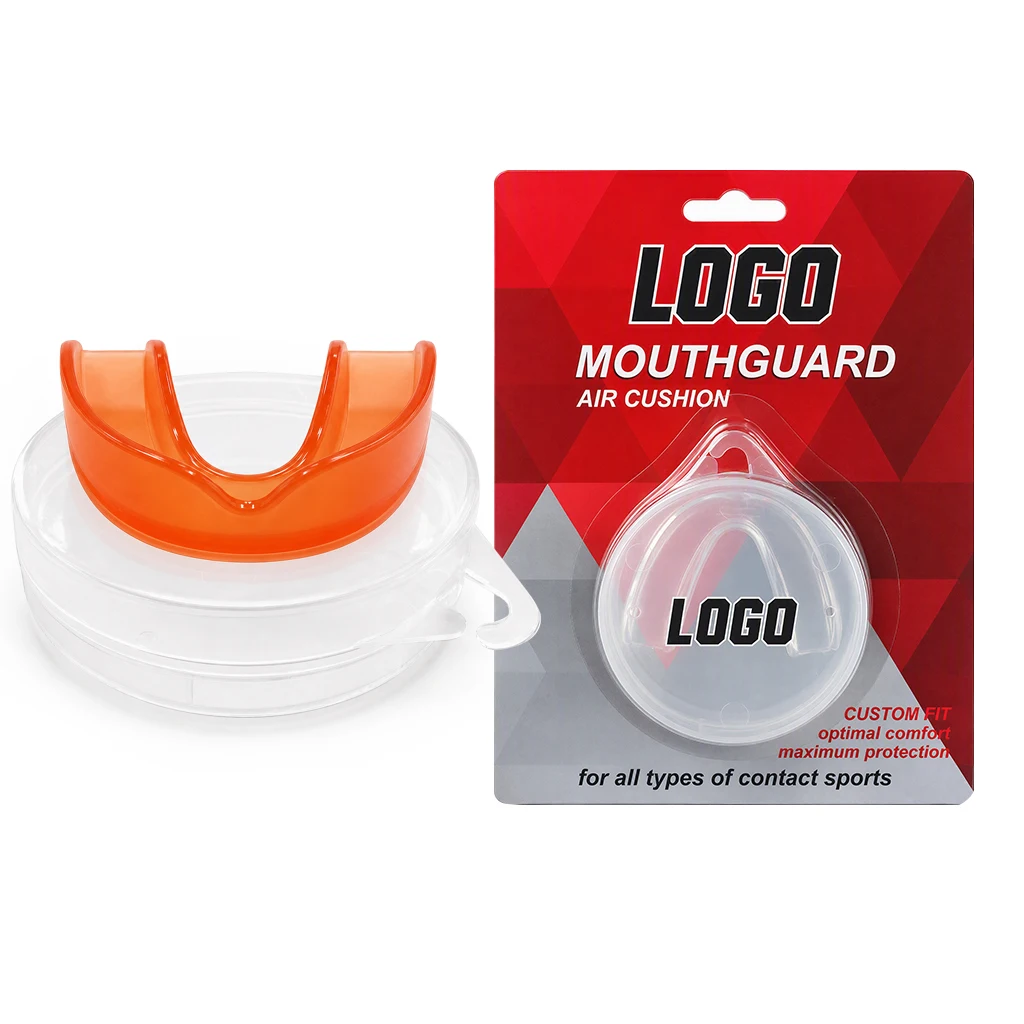
Choosing mouthguards for adults who grind or clench at night is less about finding the thickest option and more about matching the guard to the job. A sports mouthguard is designed for impact; a night guard is intended to create a protective barrier between teeth during sleep. That distinction is the first useful filter, especially when product listings place both categories together.
From a cautious end-user’s perspective, start with the symptom pattern and the fit you can realistically maintain. If you wake with jaw soreness, notice chipped teeth, have restorations, or your bite seems different, arrange a dental evaluation rather than treating a generic guard as a diagnosis or a cure. A dentist may recommend a night guard to help protect teeth during sleep, and a custom-made option can provide the closest fit because it is made from an impression of your teeth.
Start by confirming that you need a grinding guard
Many adults search for mouth protection after a partner hears grinding or after they notice morning tightness. When comparing mouthguards for adults, first separate a sleep guard from a sports protector; the right category makes every later choice clearer. Those signs can point to bruxism, but they do not tell you which product will fit or why the habit started. The sensible question is: do you need protection during sleep, impact protection for sport, or professional advice about pain, jaw movement, or damaged dental work?
- Nighttime grinding or clenching: compare night guards or occlusal guards made for sleeping.
- Contact sport: choose a sports-specific protector instead; it serves a different risk.
- Persistent pain, locking, headaches, cracked teeth, or a changed bite: seek assessment before relying on an over-the-counter solution.
That boundary matters. Mouthguards for adults can reduce direct tooth-to-tooth contact, but they do not promise to stop grinding, resolve a sleep disorder, or replace dental care.
Choose the fit path before choosing material
Fit affects comfort, retention, speech, and whether you will actually wear a guard consistently. There are three common routes, each with a different trade-off.
| Option | When it may suit you | What to check |
|---|---|---|
| Ready-to-wear | A short-term, low-commitment trial when the size is appropriate | It should stay in place without constant biting or forcing it into position. |
| Boil-and-bite | Adults comfortable following fitting instructions carefully | Warm and shape it only as directed; uneven molding, sharp edges, or poor retention are reasons to stop using it. |
| Custom dental guard | Regular grinding, complex bite concerns, crowns, implants, or a poor fit with generic options | Ask how fit, thickness, material, adjustments, and follow-up will be handled. |
Do not judge fit by how much material you can see. A useful guard should sit securely, feel smooth at the gumline, and not create new pressure points. If it falls out, rocks, causes pain, interferes with breathing, or leaves you unsure how your teeth meet, do not “push through” for weeks. Reassess the fit.
Compare soft, hard, and layered designs carefully
Material is not a universal comfort ranking. For mouthguards for adults, a suitable material is one that supports a stable, comfortable fit for the intended nighttime use and is appropriate to the individual dental situation. Softer guards may feel less intimidating at first, while firmer designs can be considered when a clinician wants a more stable protective surface. Layered designs aim to balance a softer feel against a more supportive exterior. The appropriate choice depends on your teeth, clenching pattern, restorations, and professional guidance.
When comparing dental grade options, use that phrase as a prompt for documentation—not as a guarantee by itself. Ask a seller or dental provider what the material is, whether the guard is intended for intraoral nighttime use, what care instructions apply, and whether it is free of defects on arrival. Avoid treating vague marketing language as evidence of suitability.
Use a practical decision tree for mouthguards for adults
- Define the use: nighttime tooth grinding, not sports impact protection.
- Check your dental situation: include braces, missing teeth, crowns, implants, gum sensitivity, or recent dental treatment in the decision.
- Pick a fit route: ready-to-wear, home-molded, or custom-made based on fit tolerance and how often the problem occurs.
- Inspect the finish: look for smooth edges, even coverage, clear instructions, and a fit that stays stable.
- Plan a review point: if symptoms continue, the guard wears through quickly, or your bite feels different, contact a dentist.
This sequence is more useful than choosing by a broad “top pick” label. Not every adult needs the same thickness, and a comfortable first impression does not prove long-term suitability.
What to ask before buying online or through wholesale channels
For individual buyers, the priority is safe fit and a clear return or support path. Adults comparing mouthguards for adults should make the same checks whether purchasing one unit or reviewing a wholesale supply option. For clinics, retailers, and buyers considering wholesale supply, the review needs to be broader. Confirm the intended use, material description, sizing or impression process, packaging, cleaning guidance, batch traceability where available, and the route for addressing quality issues.
- Is the product explicitly described for adult nighttime grinding rather than sport?
- What fitting instructions and warnings are supplied with it?
- What material information and care guidance are documented?
- How are edges, finish, and fit consistency checked?
- What is the process for a customer who reports discomfort or a poor fit?
For wholesale decisions, request samples and examine the same details that end users will notice: retention, edge smoothness, clarity of directions, and whether product claims remain measured. “Dental grade” should be supported by usable specifications and documentation; it should not be used to imply a medical outcome.

Care, cleaning, and replacement signals
Clean mouthguards for adults according to their supplied instructions, rinse it after use if appropriate, let it dry before storing it in a ventilated case, and keep it away from heat that can distort the shape. Inspect it regularly for cracks, rough spots, odor that persists after proper cleaning, thinning, or changes in fit. Replace or have it reviewed when damage or poor retention appears.
It is also worth separating care from cure. Responsible mouthguards for adults are protective devices, not a substitute for diagnosis or treatment. A well-maintained guard may help protect tooth surfaces from direct contact, yet ongoing jaw pain, sleep disruption, or repeated breakage deserves professional discussion. The goal is a guard you can wear safely and consistently, not a promise that one product solves every cause of grinding.
Make the final choice with a short checklist
Before selecting mouthguards for adults, make sure you can answer these questions: Is it for nighttime grinding? Does its fit method suit my teeth and comfort needs? Are the material and care instructions clear? Do I know when to stop using it and seek advice? For regular symptoms or complicated dental work, have I considered a custom option with a dentist?
Choose the option that gives you the clearest fit process and the fewest unresolved questions. That is a more dependable standard than price alone, a broad “dental grade” claim, or a one-size-fits-all recommendation.
 Hot News