 EN



Premium Adjustable Mouthpiece For Snoring Manufacturer For Better Sleep Solutions
For a wholesale buyer, an adjustable mouthpiece for snoring is not simply a product to source by appearance or unit price. It is a health-adjacent oral product that deserves accurate descriptions, supporting documentation, and a clearly defined sales channel. A well-built sourcing brief helps a distributor, clinic-facing supplier, pharmacy buyer, or e-commerce team ask better questions before offering an adjustable mouthpiece for snoring to adults.
This guide takes a practical manufacturer-evaluation view. It does not diagnose sleep conditions or promise results for every person. Instead, it explains what buyers should clarify about fit, adjustment, materials, packaging, and information support when building a better sleep solutions range.
Start With the Intended Use, Not the Product Label
Many listings use broad phrases such as “anti-snore,” “better sleep,” or “medical grade.” Those phrases do not explain how a particular adjustable mouthpiece for snoring is intended to be used, who it may suit, or what evidence supports a claim. The first procurement question is therefore simple: what is the documented intended use, and what consumer-facing language is permitted for the target market?
Snoring may have different causes, and some people with snoring may have sleep-disordered breathing that needs professional evaluation. Clinical guidance on oral appliance therapy emphasizes individualized assessment, attention to side effects, qualified dental oversight, and follow-up where indicated. Buyers should translate that boundary into responsible product copy: an adjustable mouthpiece for snoring should not be presented as a diagnosis, a universal treatment, or a substitute for professional care.
What “Adjustable” Should Mean in a Supplier Conversation
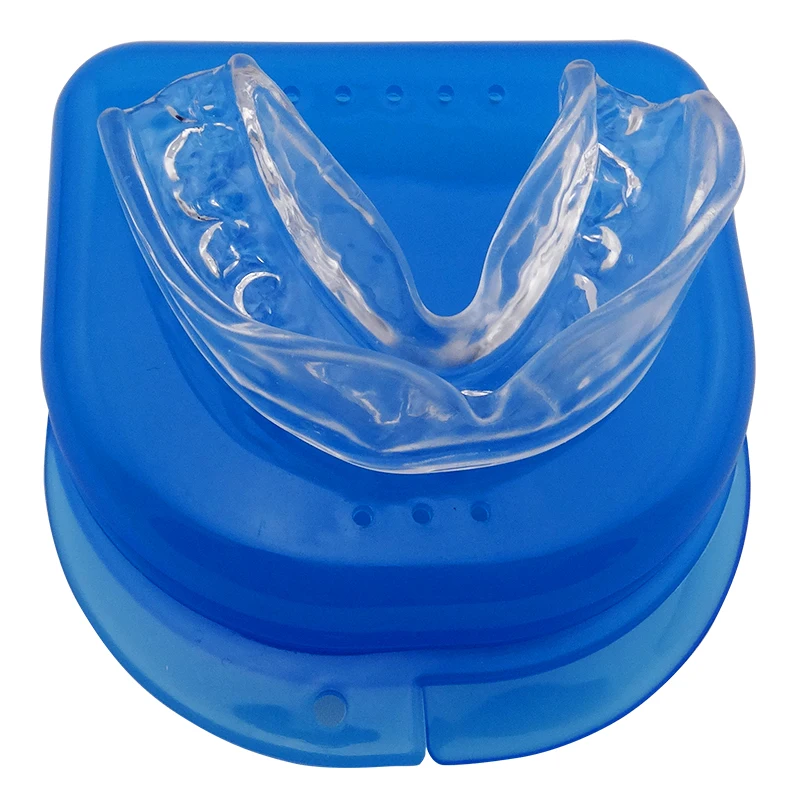
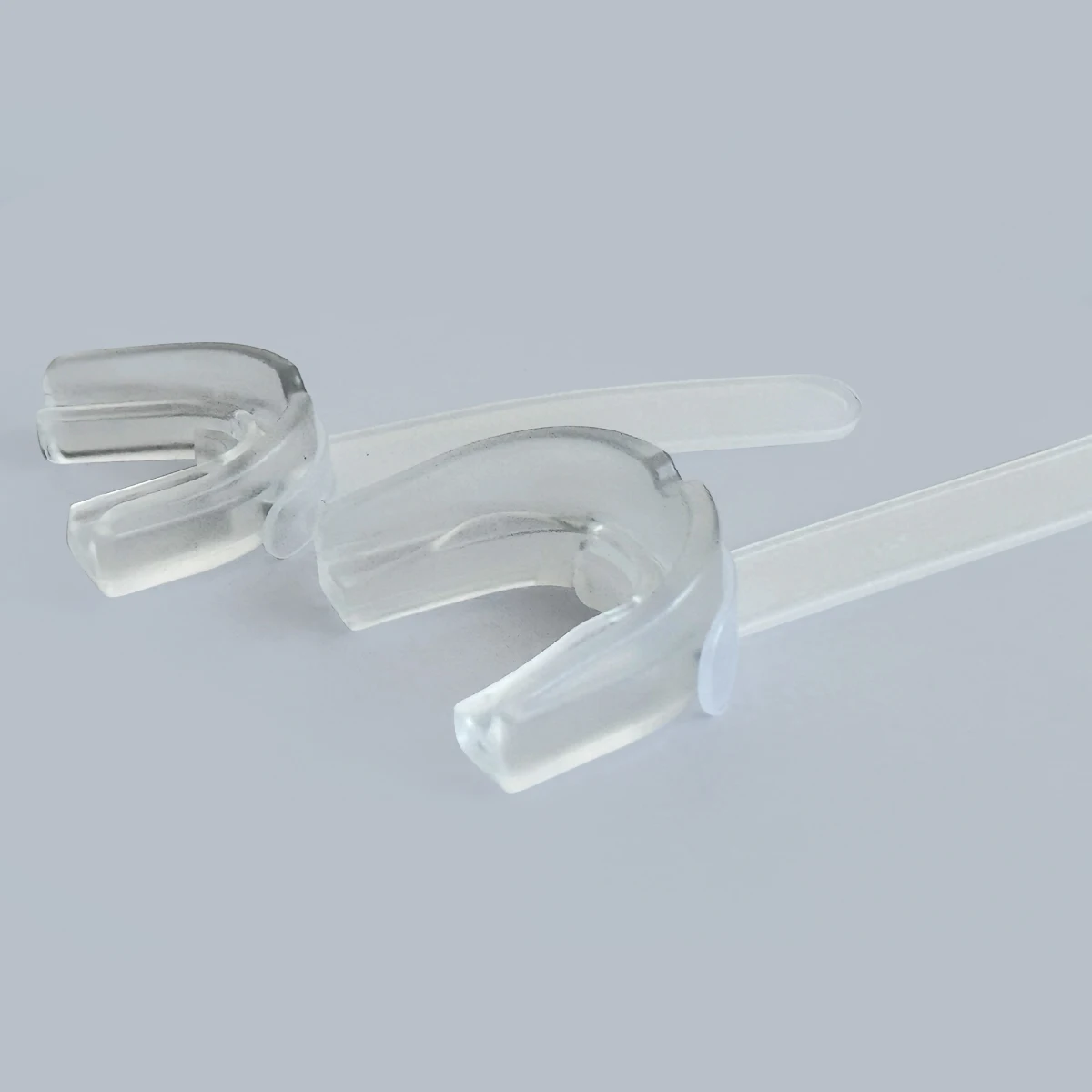
Adjustment is meaningful only when the mechanism is described clearly. Ask a manufacturer whether the design uses staged settings, incremental advancement, interchangeable positions, or another approach. Request instructions that show how adjustments are made, what stops the mechanism from shifting unintentionally, and which warnings accompany use.
For a private-label range, it is useful to review a sample, the adjustment instructions, and the final retail artwork together. This prevents a common problem: the device is called adjustable on a factory sheet, while the user guide does not explain safe adjustment or who should stop using it. The product description, insert, packaging, and support materials should tell one consistent story.
Questions That Reveal Useful Design Information
- What is the adjustment method, and can the supplier provide clear operating instructions?
- Which sizes, fit approach, or molding process are documented for the proposed version?
- What storage, cleaning, inspection, and replacement guidance is supplied?
- What adverse-event, discomfort, or suitability warnings belong in the end-user documentation?
Use “Medical Grade” Carefully and Ask for Evidence
The term medical grade is often used in purchasing conversations, but it should not be treated as a shortcut for proof. FDA biocompatibility resources explain that an assessment is risk-based and considers the finished device, materials, processing, manufacturing methods, contact conditions, and possible residuals. A material name alone does not establish suitability for the finished product.
A responsible buyer can ask for the actual material specification, relevant test reports, declarations, manufacturing controls, and the scope of any certification or registration. The documents needed will vary by market and product positioning. If a supplier uses the phrase medical grade, ask what precisely it means in that quotation and whether the evidence applies to the exact adjustable mouthpiece for snoring, including its final processing and intended contact conditions.
This approach is more useful than repeating a vague claim. It gives a wholesale team a factual basis for product pages and gives downstream customers a clearer explanation of what has been verified, what needs review, and what must not be promised.
Compare Factory Price as a Total Supply Decision
A low factory price can be attractive, but it is only one part of the cost of launching the product. Compare quotations on like-for-like terms: sample development, adjustment mechanism, material disclosure, product insert, packaging, labeling, minimum order quantity, quality inspection, and lead time. A lower unit figure can create additional work later if the documentation is incomplete or the packaging cannot support the intended channel.
| Comparison area | What to request | Why it matters |
|---|---|---|
| Product definition | Documented intended use and model identification | Keeps the selected appliance aligned with its approved product copy. |
| Adjustment | Instructions, settings explanation, and sample review | Helps teams explain use without inventing performance claims. |
| Materials | Material specification and applicable evidence | Supports a careful discussion of medical grade terminology. |
| Channel readiness | Artwork, labels, inserts, and warning language | Reduces preventable revisions after a factory price is agreed. |
Build a Documentation Pack Before You Scale
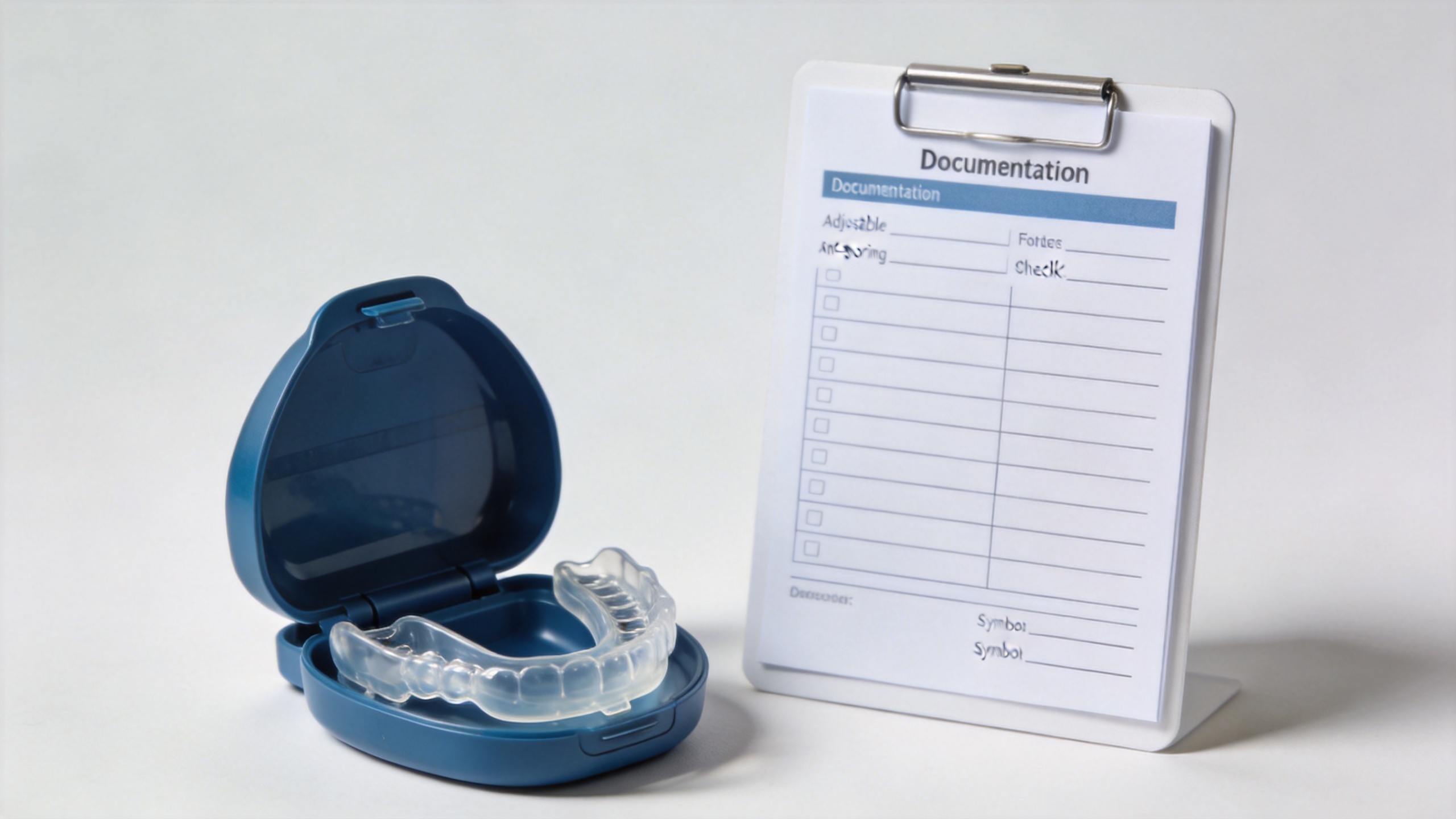
For wholesalers and e-commerce operators, the most practical supplier deliverable is a controlled information pack. It can include a quotation tied to the exact model, product photos, adjustment instructions, material information, cleaning guidance, packaging specifications, warning language, and records relevant to the buyer’s market. Clinics and pharmacies may require a different review path, so documentation should be easy to separate by channel.
Xiamen Yizhou Imp. & Exp. Co., Ltd. identifies snoring mouthpieces, sports mouthguards, and dental whitening trays among its business scope and serves wholesale, e-commerce, clinic, and pharmacy audiences. For any adjustable mouthpiece for snoring inquiry, the productive next step is to share the target channel, requested product positioning, packaging needs, and the documents required for review rather than assuming a standard claim set.
A Pre-Order Checklist for Better Sleep Solutions
- Define the intended user and sales channel.
- Confirm the exact model, fit method, and adjustment instructions.
- Review the material and finished-product documentation relevant to your market; do not rely on medical grade as a standalone label.
- Compare factory price together with artwork, packaging, lead time, inspection, and documentation work.
- Set consumer-facing claims that state product information without promising a health outcome.
- Include a clear instruction to seek professional advice for suspected sleep apnea, pain, dental concerns, or persistent symptoms.
Choose a Manufacturer That Supports Clear Decisions
The right sourcing choice is not defined by the boldest claim or the lowest quoted figure. It is defined by how well the product information, adjustment explanation, material evidence, packaging, and channel requirements fit together. When buyers ask for verifiable details early, they can build better sleep solutions content that is more useful to customers and safer for their brand.
Request a sourcing discussion with your target market, desired factory price range, documentation checklist, and packaging brief. That gives both sides a practical way to evaluate the model before an order moves forward.


 Hot News
